


Wildlife and action photography demand a camera that can react faster than the moment unfolding in front of you. Subjects move unpredictably, light changes quickly, and opportunities often last only fractions of a second. A camera that hesitates, misses focus, or struggles in low light can mean the difference between a portfolio-worthy image and a missed opportunity.
This is where the Canon EOS R6 Mark II wildlife photography conversation becomes especially interesting. Canon designed this camera around speed, intelligent autofocus, and strong low-light performance rather than chasing extreme megapixel counts. The result is a full-frame mirrorless body that feels purpose-built for photographers who regularly work in fast-paced, demanding environments.
In this article, we’ll take a close look at how the Canon EOS R6 Mark II performs specifically for wildlife and action photography. From autofocus reliability and burst shooting to stabilization, ergonomics, and real-world field use, this guide focuses on how the camera actually behaves when the pressure is on.
Autofocus Performance for Canon EOS R6 Mark II Wildlife Photography
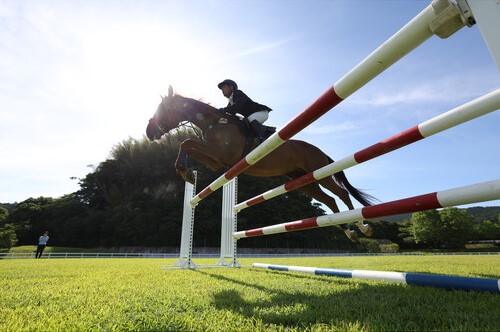
Autofocus is often the defining factor for success in wildlife and action photography, and this is an area where the Canon EOS R6 Mark II wildlife photography experience shines. The Dual Pixel CMOS AF II system covers nearly the entire frame, allowing photographers to place subjects anywhere in the composition without sacrificing focus accuracy.
The camera’s deep-learning-based subject detection recognizes animals, birds, people, and vehicles, then tracks them intelligently as they move. In practice, this means the camera stays locked on a bird’s eye mid-flight or a running animal weaving through uneven terrain. Once focus is acquired, it remains consistent even during high-speed bursts.
Low-light autofocus performance is another strength. With sensitivity down to -6.5 EV, the camera continues to focus reliably at dawn, dusk, or under dense forest cover. From personal experience, this inspires confidence when shooting in conditions where hesitation usually leads to missed frames.
For photographers who frequently shoot unpredictable subjects, this autofocus system reduces the mental load. Instead of constantly adjusting focus points, you can concentrate on timing, composition, and anticipating behavior.
Speed, Burst Rates, and Pre-Capture

Speed is essential when photographing wildlife and action, and the Canon EOS R6 Mark II wildlife photography workflow benefits greatly from the camera’s rapid burst capabilities. Using the electronic shutter, it can shoot up to 40 frames per second, while the mechanical shutter still delivers a very capable 12 frames per second.
One of the most useful tools is the 30 fps RAW Burst mode with pre-capture. This feature records images up to half a second before the shutter is fully pressed, which is invaluable for unpredictable moments like birds taking flight or animals suddenly changing direction.
In real-world use, this means fewer missed opportunities and more keeper shots. The camera’s buffer and processing keep pace with demanding sequences, allowing photographers to shoot confidently without worrying about the camera falling behind the action.
Rolling shutter can appear in extreme motion when using the electronic shutter, but switching to the mechanical shutter solves this easily. Having both options gives photographers flexibility depending on the subject and shooting conditions.
Image Quality and Cropping Flexibility
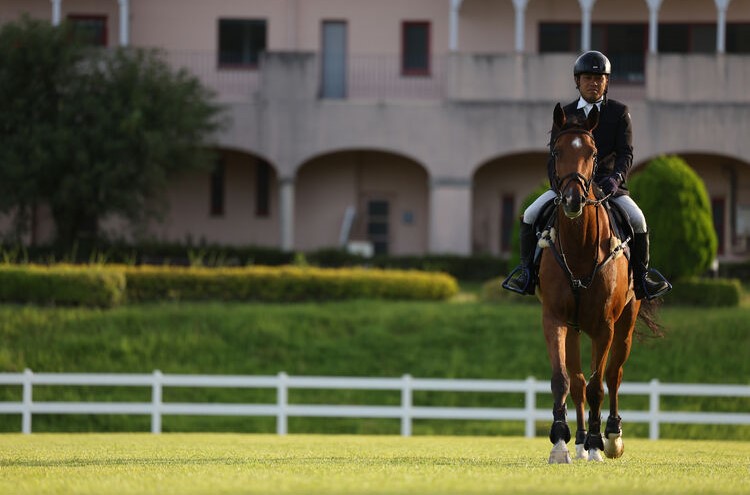
The 24.2MP full-frame sensor may not sound extreme on paper, but it plays an important role in the Canon EOS R6 Mark II wildlife photography experience. This resolution provides enough detail for moderate cropping while keeping file sizes manageable, which is helpful when shooting long bursts.
Detail rendering is excellent, especially for fine textures like fur and feathers. Canon’s color science produces natural tones that require minimal correction in post-processing, saving time when working through large batches of images.
Dynamic range is strong enough to recover shadow detail in high-contrast scenes, such as backlit animals or bright skies. While it doesn’t compete with ultra-high-resolution bodies for extreme cropping, it prioritizes speed and consistency over sheer pixel count.
For many wildlife photographers, this balance makes practical sense. It allows fast performance in the field without creating an overwhelming post-processing workload.
Low-Light Performance in the Field

Wildlife photography often happens when light is at its most challenging, and Canon EOS R6 Mark II wildlife photography benefits greatly from the camera’s strong high-ISO performance. The native ISO range extends from 100 to 102,400, with expansion available up to 204,800.
Noise is well-controlled through much of the ISO range, making higher sensitivities usable for real-world shooting. This is especially helpful for early morning or late evening sessions when animals are most active.
Combining high ISO performance with effective image stabilization allows photographers to maintain faster shutter speeds without sacrificing image quality. In my own shooting, this means less hesitation when conditions deteriorate and more confidence to keep shooting.
The result is a camera that adapts well to unpredictable lighting rather than forcing photographers to compromise their settings.
In-Body Stabilization with Long Lenses
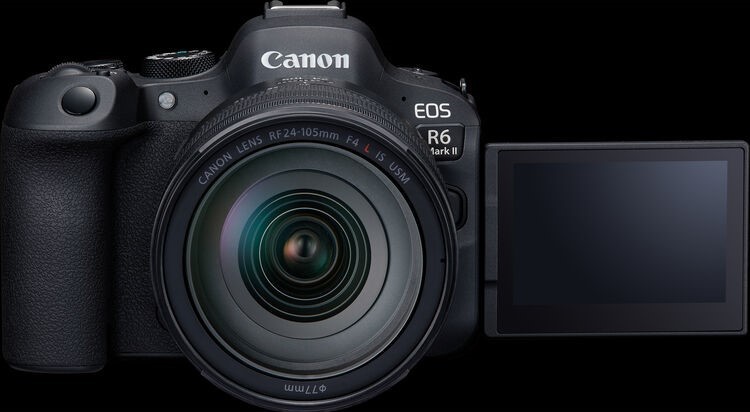
The in-body image stabilization system plays a major role in Canon EOS R6 Mark II wildlife photography, especially when working with long telephoto lenses. The 5-axis IBIS provides up to seven stops of stabilization on its own and up to eight stops when paired with compatible RF lenses.
This level of stabilization makes handheld shooting far more practical, even with heavy lenses. It helps reduce fatigue during long sessions and improves sharpness when panning or tracking moving subjects.
For photographers who hike long distances or shoot without tripods, this stabilization system becomes a genuine advantage. It allows for greater mobility while maintaining image quality.
In the field, it translates to more usable frames and fewer shots lost to camera shake.
Ergonomics and Handling Outdoors

Comfort and usability matter during long days in the field, and the Canon EOS R6 Mark II wildlife photography setup benefits from Canon’s refined ergonomics. The grip is deep and secure, balancing well even with larger lenses.
Control placement is intuitive, with a joystick for quick focus point adjustments and a redesigned top plate that simplifies switching between photo and video modes. These small refinements add up during fast-paced shooting.
The weather-sealed body inspires confidence in dusty, damp, or cold environments. The high-refresh-rate electronic viewfinder makes tracking fast subjects smoother and more natural.
Overall, the camera feels built for extended use rather than short sessions.
Using the Camera for Wildlife Video
While stills are often the priority, Canon EOS R6 Mark II wildlife photography users will appreciate the camera’s strong video capabilities. Oversampled 4K 60p video delivers excellent detail, and autofocus tracking remains reliable during recording. Get more details in the video above by WILD ALASKA.
In-body stabilization and Movie Digital IS work together to smooth handheld footage, which is especially useful for documentary-style wildlife filming.
The option to record externally in higher-quality formats adds flexibility for creators who want both stills and video from the same camera.
This makes the R6 Mark II a solid choice for hybrid shooters who want to capture motion as well as still moments.
Is This Camera a Smart Choice for Wildlife and Action?
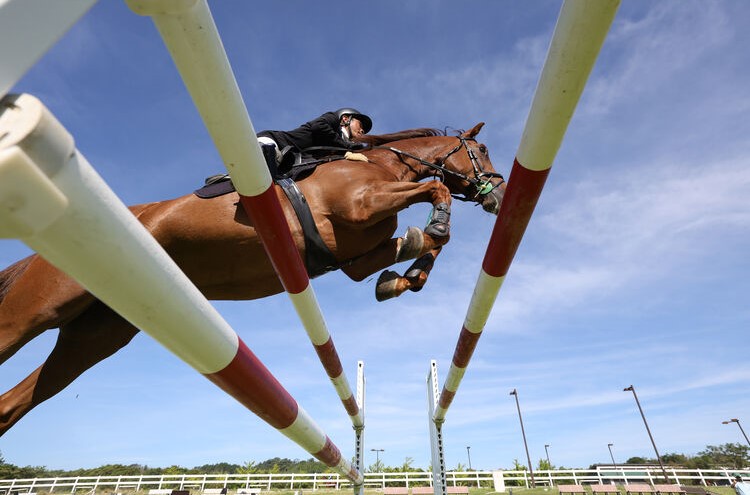
The Canon EOS R6 Mark II wildlife photography performance is built around speed, intelligence, and reliability. Its autofocus, burst rates, stabilization, and low-light capability make it a strong option for photographers who regularly face fast-moving subjects.
While it doesn’t offer extreme resolution, it compensates with consistency and responsiveness. For many wildlife and action photographers, those qualities matter far more than sheer megapixels.
Whether used as a primary body or a fast secondary camera, the Canon EOS R6 Mark II fits naturally into demanding shooting environments.
FAQ

Is the Canon EOS R6 Mark II good for birds in flight?
Yes. Its subject-detection autofocus, fast burst rates, and wide AF coverage make it well-suited for tracking birds in flight.
Does the camera handle low-light wildlife photography well?
It performs very well in low light, with strong high-ISO performance and reliable autofocus at dawn and dusk.
Is 24.2 megapixels enough for wildlife photography?
For most situations, yes. It provides sufficient detail while maintaining fast performance and manageable file sizes.
Can the Canon EOS R6 Mark II be used handheld with long lenses?
Yes. The in-body stabilization system significantly reduces camera shake, making handheld shooting more practical.
Is this camera suitable for action sports as well?
Absolutely. Its speed, autofocus tracking, and burst performance translate well to sports and other fast-moving subjects.
Just so you know, some of the cool stuff we mention comes with affiliate links, meaning we earn a commission if you buy (no extra charge to you!). Plus, we occasionally feature sponsored content, but rest assured, we only shout out products we genuinely stand behind.

