Day 13 Lesson: Photograph Food
We’ve all seen those Instagram photos of what people are eating, but there’s an awful lot more you can do when photographing food than holding your camera above your plate and snapping away!
Today’s challenge is to photograph something you’re about to eat and doing so in a way that makes viewers’ mouths water.
Background and Setting
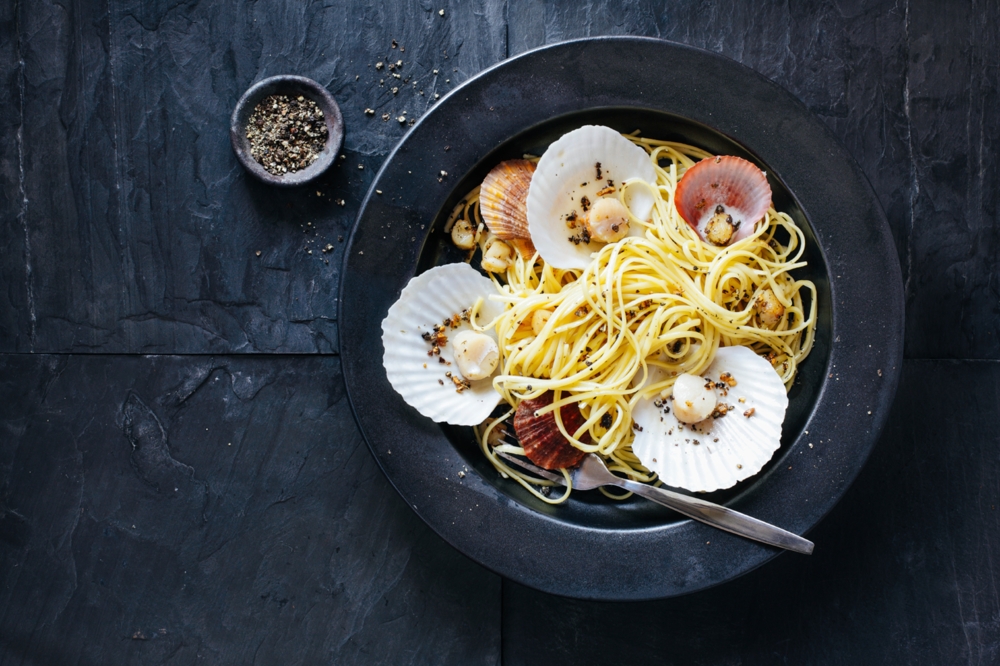
Just like when you’re photographing people for a portrait, photos of food need to have a neutral or unassuming background so your food takes center stage. Without it, the image may become muddled and the food you’re trying to highlight will get lost in the details. The dark background in the image above is the perfect backdrop for the light and bright pasta dish.

Likewise, the setting in which you photograph your food should enhance the experience of eating with your eyes. Don’t get locked into the idea that because you’re taking a picture of food that you have to take the photo in the kitchen. Give some context to the meal, such as the location where you’re eating.
Forget Your Flash
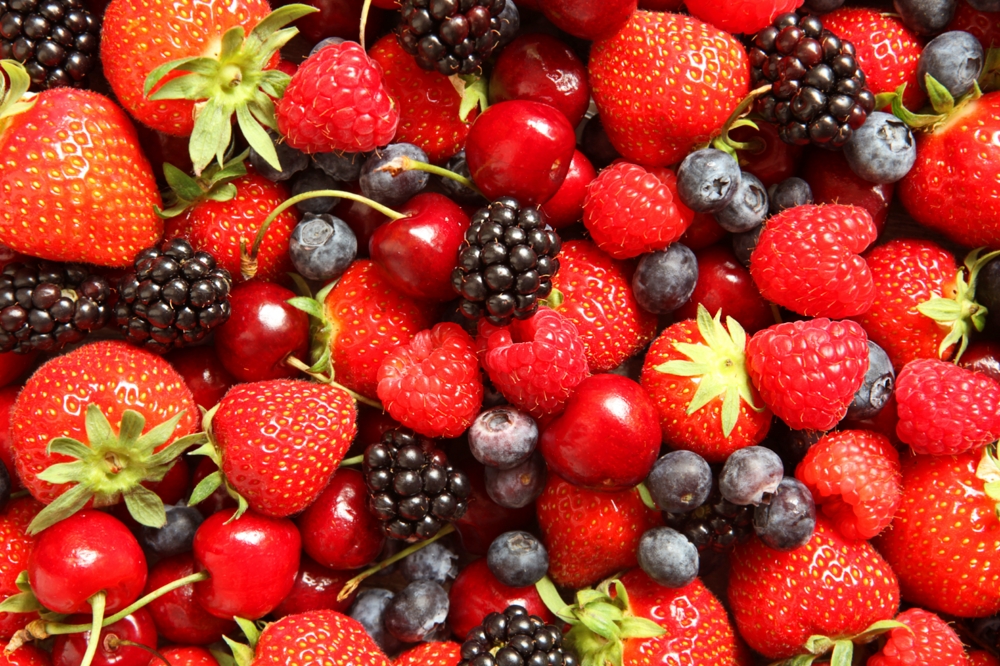
Photographing food requires a delicate hand when it comes to lighting. Many foods are simply too prone to those unattractive shiny spots from a flash (which are painfully evident on the cherries in the image above).
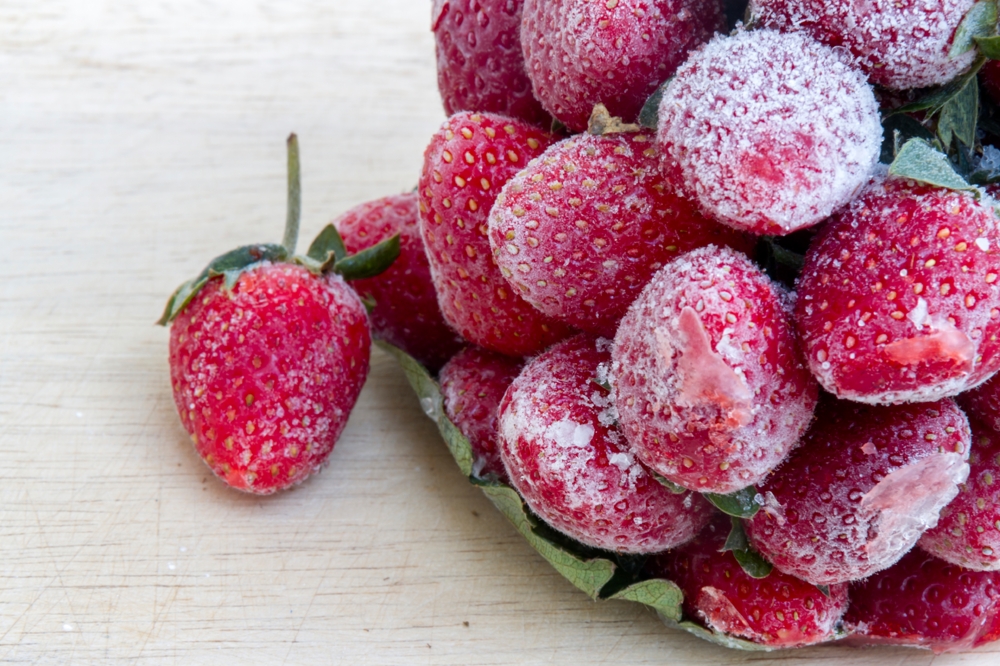 Instead, use natural light whenever possible, as was done in this image of frozen strawberries. Near a window in your home will work great! If the light is too intense, use a white sheet to diffuse the light to get the soft glow you need to highlight the intricate details of your food.
Get Close
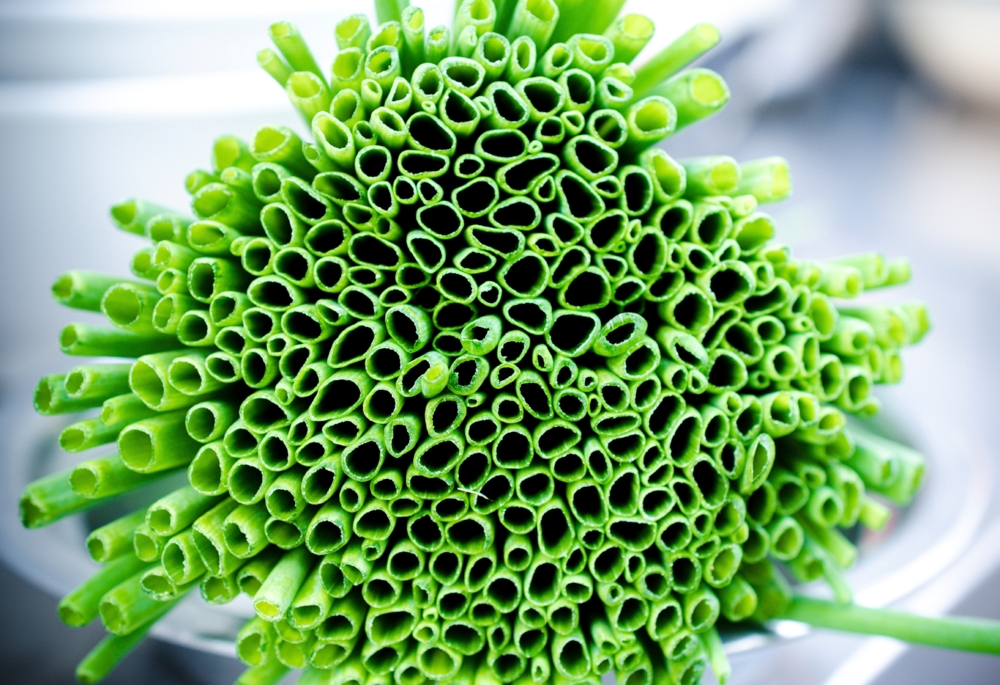
Food is all about individual ingredients coming together to make a whole. So why not try to emphasize some of those individual elements? Getting close to the ingredients will allow you to pick up on the fantastic array of textures and shapes that are present in food. It can also make for a very clean and minimal shot that’s a little more unexpected.
Document the Process
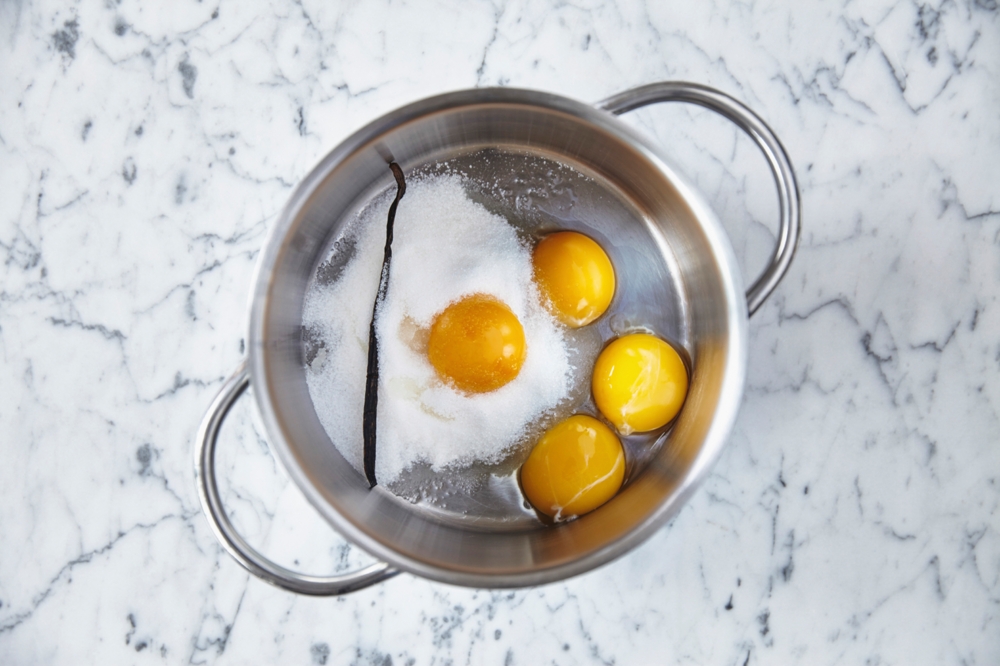
A lot of photos of food are of the finished product. And while that’s a perfectly suitable subject, it doesn’t allow you to tell the story of how the meal came to be. Instead, take photos throughout the process of making the dish. Look at individual ingredients or the mess that’s made on the kitchen counter as potential subjects.
Stay Away From Some Foods
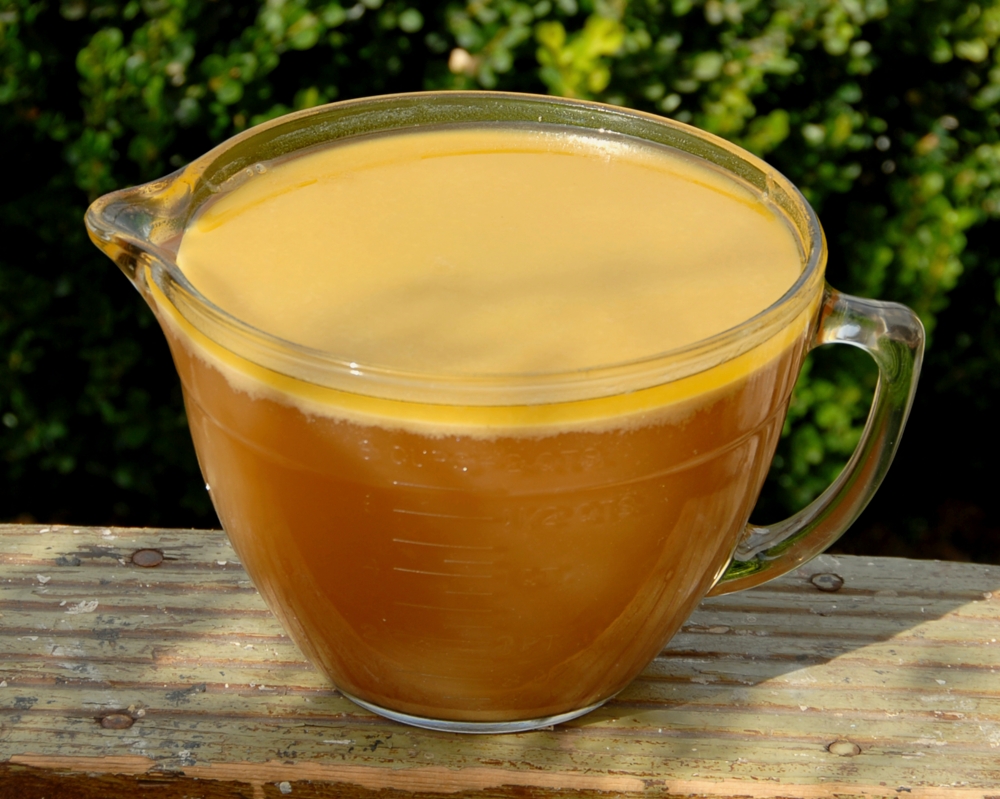
There are some foods that just shouldn’t be the subject of a photo. Brown foods, like gravy, do not typically photograph well. Actually, just avoid foods that are all the same color while you’re at it! Chances are if it looks pretty gross in person, it will look equally – if not more – gross in a photo.
Practice and Participate!
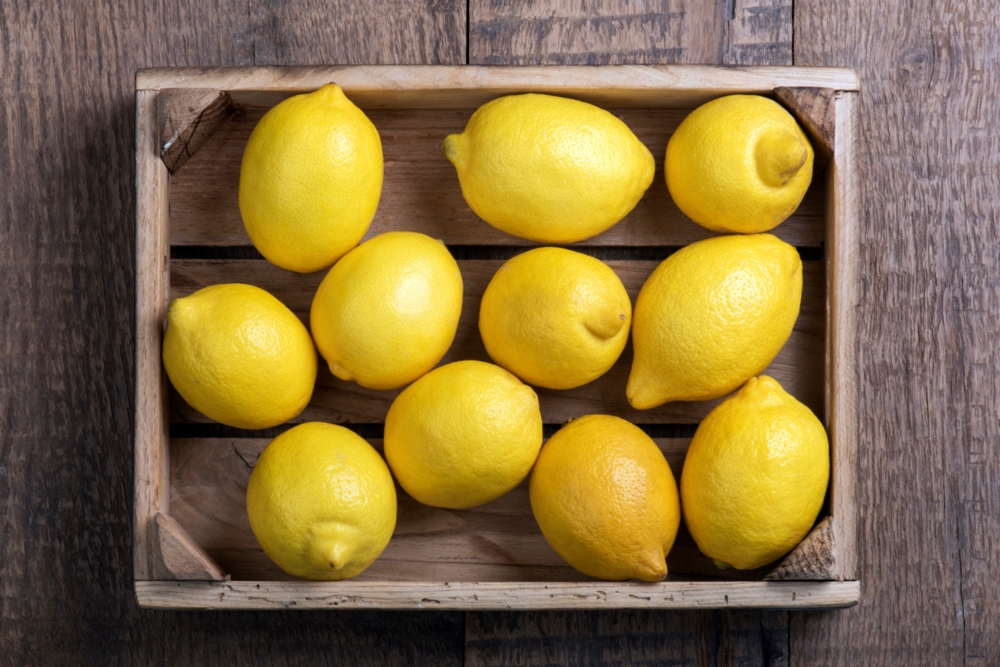
As with any type of photography, color, contrast, and texture will be your friend when snapping images of food. Look for bright colors (like yellow!) that grab the viewer’s eye. Try to find interesting textures among ingredients that will give an added dimension of interest to your shots as well. Think also about how you compose the shot, paying particular attention to the background and setting, as well as the lighting situation. These elements can easily make or break your shot!
Give these simple techniques a try and see how good of a food photographer you can become. If you need additional inspiration, check out what other Photography Talk members have come up with in the forum for today’s challenge. Don’t forget to select your best image to share with the group as well!