Day 14 Lesson: Get a Close-Up
Close-up images offer a unique perspective on the world around us. Whether it’s a macro shot of a bug or an extreme close up of your sister, getting your camera nose to nose with your subject provides you with some interesting options for imagery.
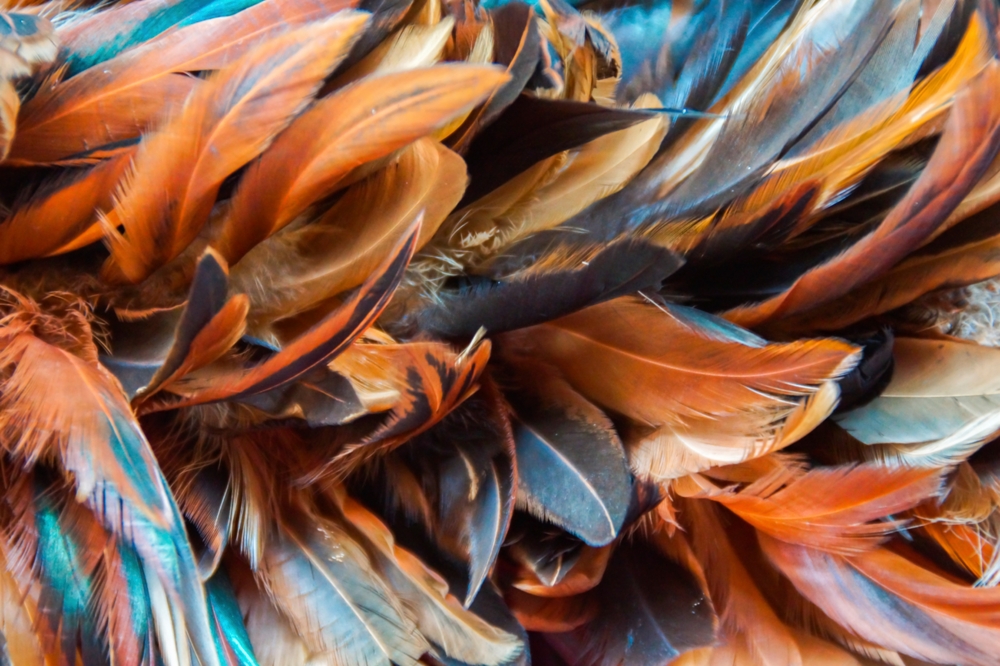
Getting extreme close-ups can be a bit of a challenge, though. So, to help you get some fantastic images to share as part of today’s challenge, we’ve got some fun tips and techniques, as well as some inspirational images to share. Let’s begin!
You Don’t Have to Go Macro
When people think of close up images, they likely think first of macro photography. Macro is a really cool way to capture a scene. It can be done anywhere, with virtually any subject, and results in images that can be beautifully abstract, as the one shown below.
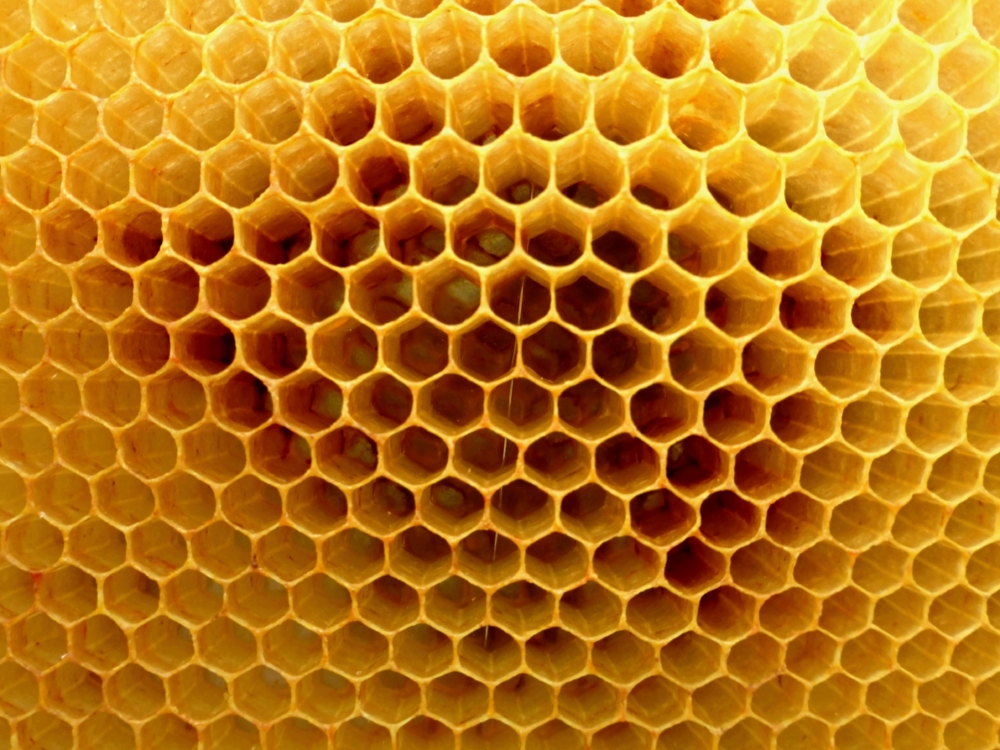
But not everyone has a macro lens. If you fall into that category, try getting close-ups with your existing gear. Prime lenses work well because their sharpness and clarity, but even a medium range lens up to 70mm can do the trick.
Whatever lens you use, you absolutely must have a tripod and a remote shutter release. Nothing screws up a close-up (or any type of photo for that matter) like good ol’ fashioned camera shake!
Get in Close – Really Close!
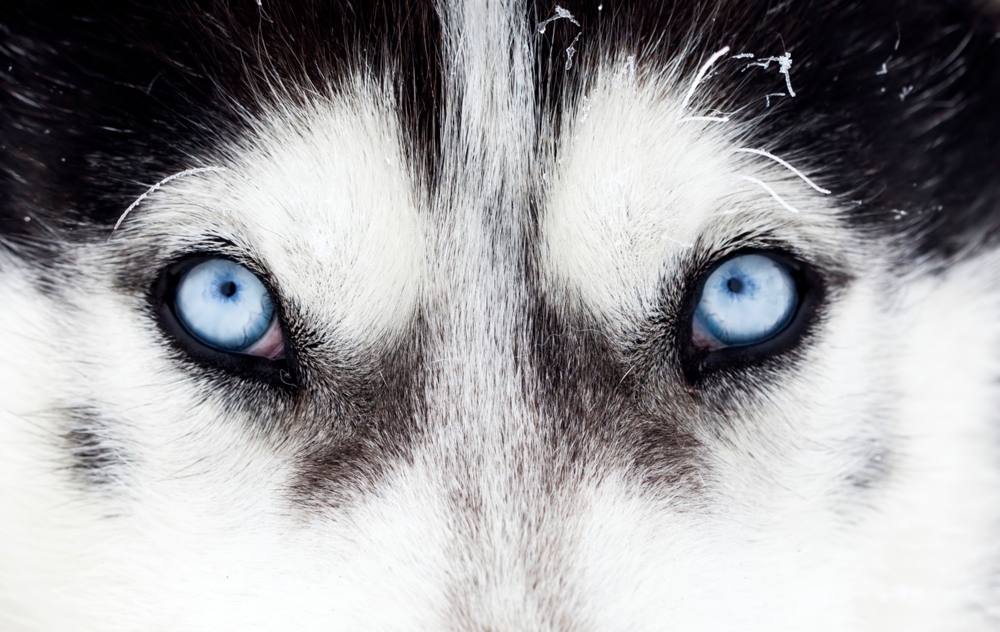
Sure, this seems like a no-brainer, but you’d be surprised how many people are reluctant to shrink the distance from their subject to their lens.
Obviously, how close you can get will depend on the focal length of your lens. If you’ve got a macro lens, you can get in extremely close, to within a few centimeters, while a mid-range lens might have a minimum focusing distance of a foot. The key is to experiment with distance so you can figure out the working boundaries of the lens you’re using.
Use Manual Focus
You might be able to get a good, crisp close-up in autofocus mode, but your chances will be greater if you shoot manually. Manual focus will allow you to get slightly closer as well, which could make a dramatic difference in how your final image looks.
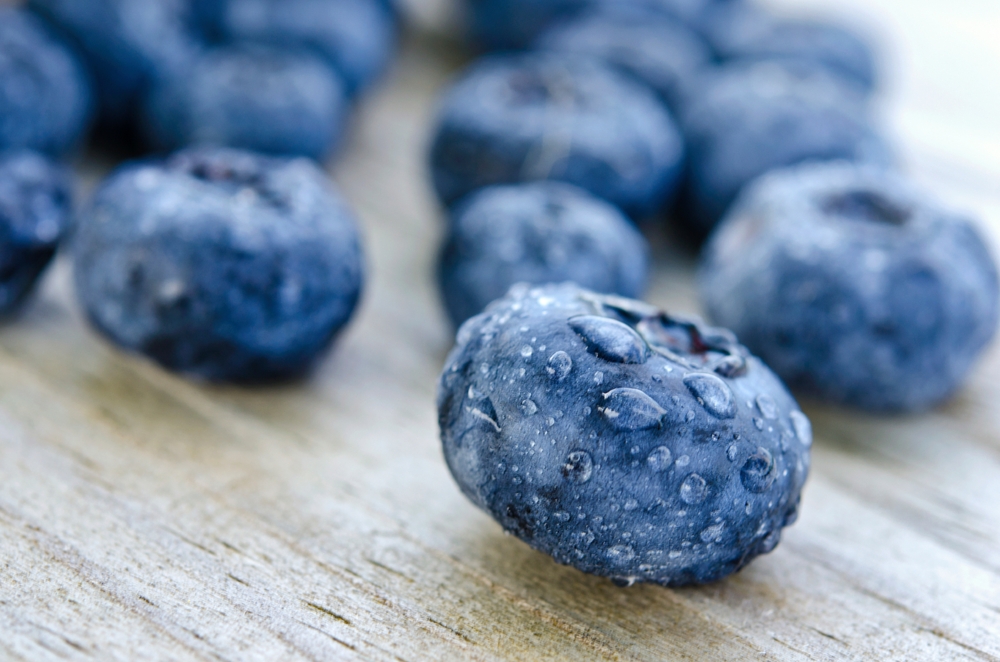 If need be, select the focus point to ensure your close-up subject is in focus. All too often photographers rely on the center focus point and adjust their framing such that the point is over their subject. But this can result in more boring compositions with the subject in the middle of the frame. Instead, selecting the most appropriate focus point, as was done in the shot above, helps you keep the subject in focus while getting the composition you want.
Get Rid of the Background
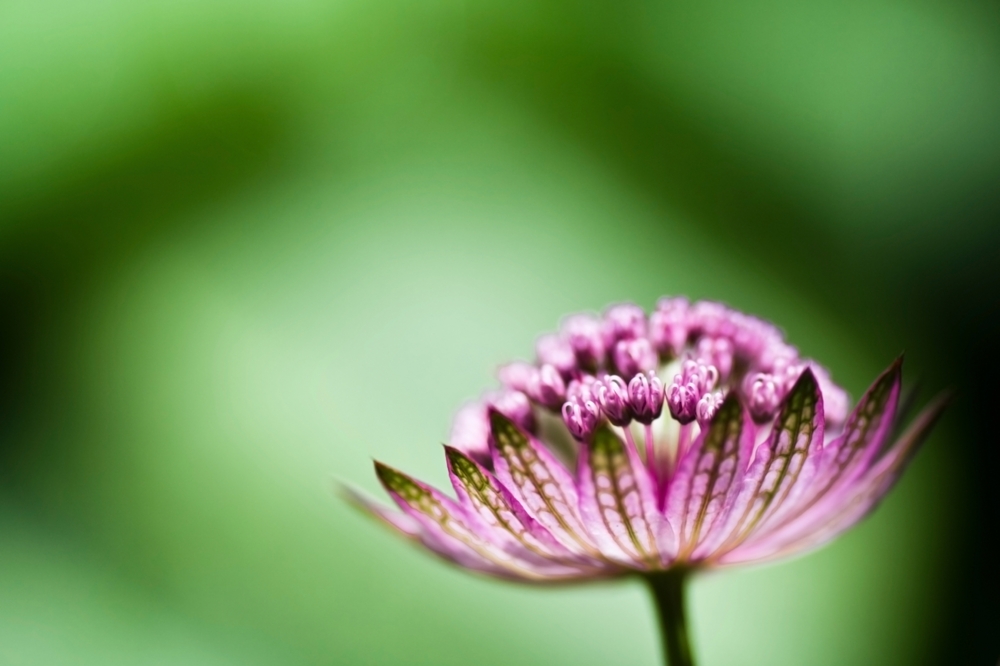
You might not think that going close-up would require you to think about the background, but it might be even more important to consider what’s behind your subject in a close-up shot than in a regular image. This is because your subject, especially if it’s small like a bug, could get lost if the background isn’t taken care of.
The most obvious way to get rid of the background is to blur it with a shallow depth of field, as was done in the image above. This will ensure your subject is in sharp focus and all the stuff going on behind it isn’t distracting to viewers. However, a less used method of taking care of the background is to slightly overexpose the image. This can blow out the highlights in the background, again, bringing attention to the subject instead of the environment it’s in.
Practice and Participate!
Close-up shots are a fun way to play with photography and give you the opportunity to engage in creating images that you probably don’t often take. Remember to get as close as possible to your subject, but that in doing so you’ve got the right setup with a tripod and remote release to eliminate camera shake. Use manual focus, and if need be, select the specific focus point you need to compose the shot appropriately. Mind your background as well, using a shallow depth of field or slight overexposure to negate any distracting elements behind your subject.
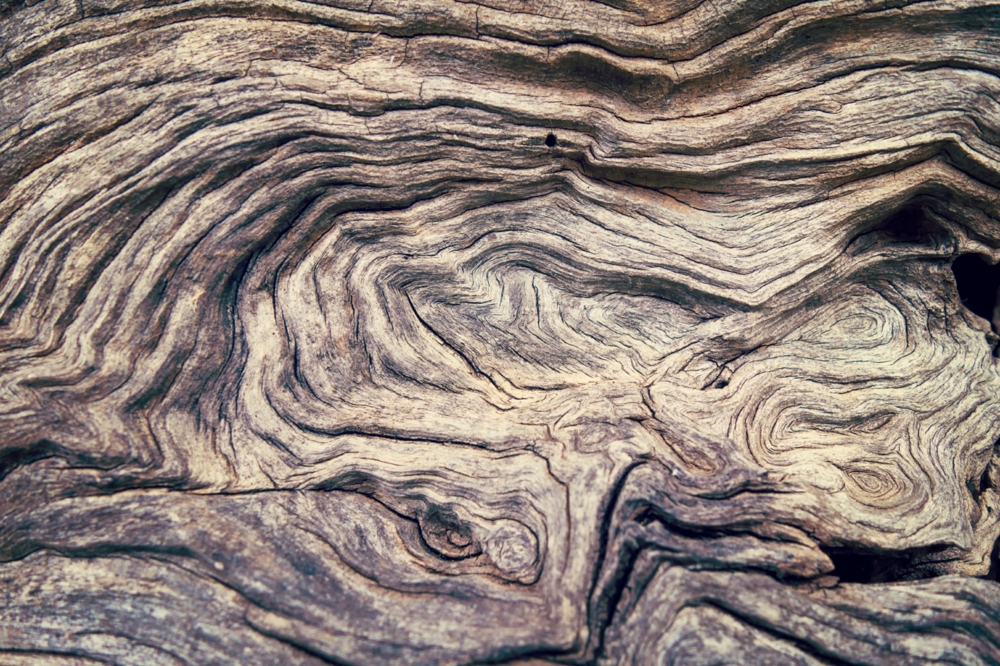 Above all, remember that close-up shots can be of just about anything! There’s no need to find a praying mantis in the garden or capture a dragonfly to get an awesome close-up. Find something with texture or color, patterns or shapes, and make those the highlight of your image. The image above is simply of tree bark, yet makes for a fantastic close-up! Once you’ve got your creative interpretation on close-ups, upload it to the forum for today’s challenge! Your ideas may very well inspire other photographers to take images of their own and participate in the challenge.