Lesson 1: Introduction & Finding Your Personal Style
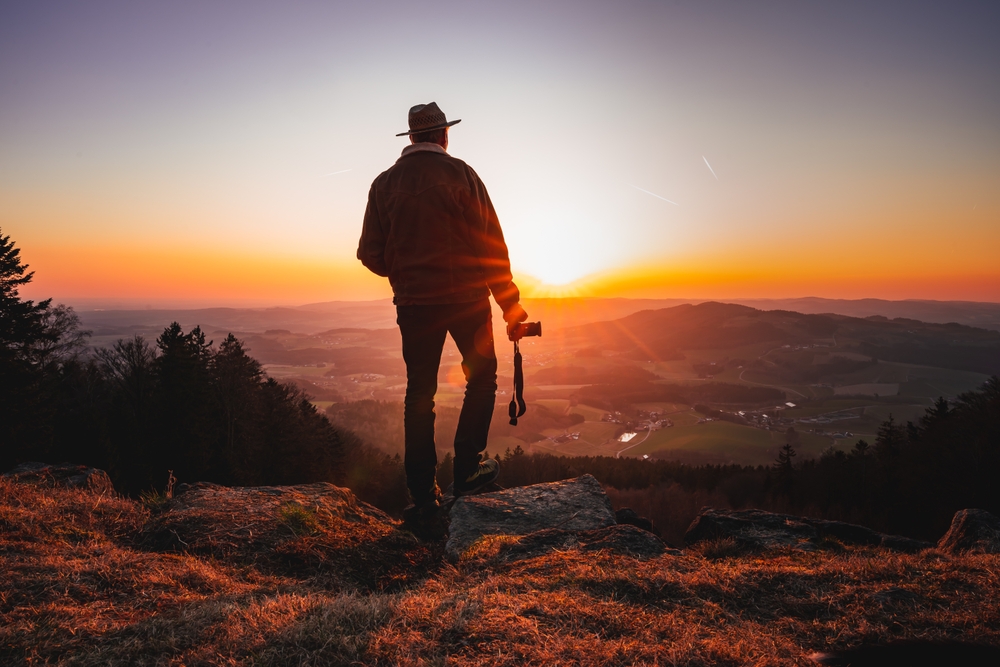
Landscape photography draws people in from all walks of life, from all corners of the world, of various ability levels and states of understanding of photography and its essential principles.
It is something that can be shared by the masses, yet it is something that also has a highly individual meaning. What one person deems beautiful or valuable as an image, another person might not.
This is the beauty of art. Though widely appreciated, it can be broken down into pieces and parts that lead to the development of your own personal tastes, your own photography style. It is also beneficial to recognize that photography is more than art; it also uses science, math, and is a craft.
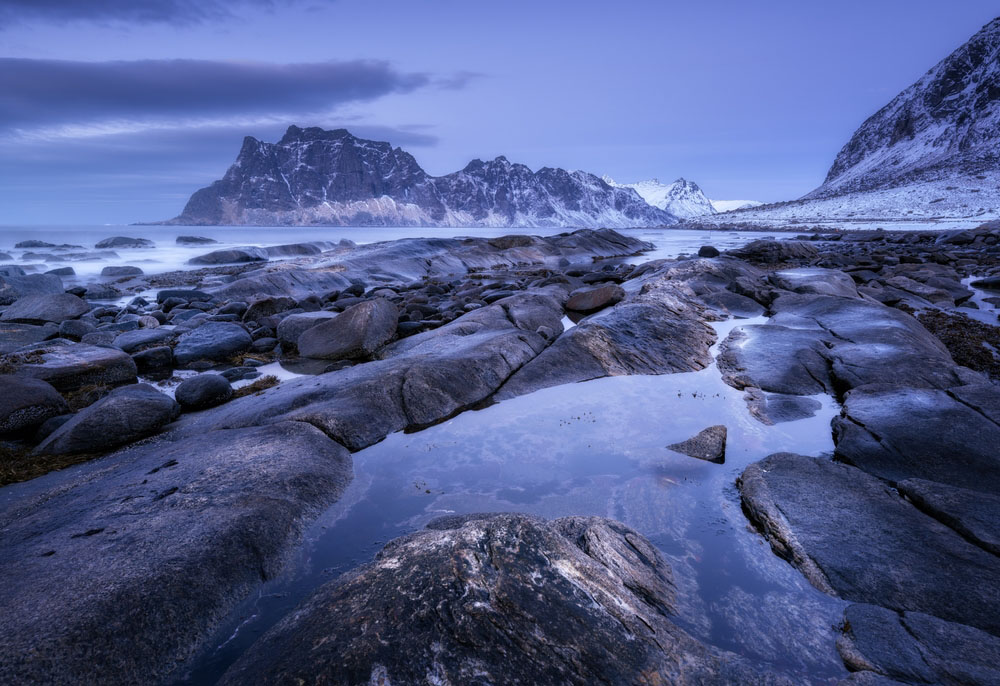
Considering all these aspects of photography is an often overlooked step in the process of becoming a better landscape photographer…
Landscape photography is much more than simply raising your camera and pressing the shutter at everything pretty that you see. It’s much more than emulating the style of your favorite photographers. It’s also much more in-depth than learning how to use your camera and composing improved photos.
Instead, to become a better landscape photographer, you have to accomplish all these tasks and, in doing so, find your personal style. There are a number of steps involved in this process, each of which is an integral component of our 30-Day Landscape Photography Master Course.
Get the Gear & Learn How to Use It

It’s difficult, if not impossible, to refine your personal photography style if you don’t have the appropriate equipment.
Now, the term “appropriate equipment” means different things to different people. The gear necessary for someone who’s a casual photographer who just wants better results to post on social media will be vastly different from what’s needed for someone who’s looking to make a living off of their photos.
Having said that, there are certain cameras, lenses, and other accessories that will have a greater positive impact on the images you create than others. What’s more, it’s essential that you become intimately familiar with their operation.
We’ll explore some highly recommended equipment for landscape photography in later lessons and offer insights and tips for learning how to use your gear to get the most out of it.
Master the Fundamentals

Part of developing your artistic voice is having the ability to approach a landscape with a creative eye. This is difficult to do if you’re struggling with the fundamentals of exposure, depth of field, and basic camera settings of the Exposure Triangle, like shutter speed, ISO, and aperture, and maybe even white balance and when to use flash.
Only after you develop an understanding of these principles will they become second nature to you, and only after that occurs will your mind be free to contemplate the creative aspects of landscape photography that allow you to develop your point of view.
You might have just purchased your first DSLR or mirrorless camera, or you might have a few years of photography under your belt. You might even consider yourself a solid enthusiast photographer who understands more than the average Joe when it comes to principles of photography.
Whatever your skill level, our 30-Day Landscape Photography Master Class will offer something new to you that will have a positive impact on the images you create.
Learn How to Compose Great Shots

Perhaps one of the most essential steps in identifying your personal style is learning how to compose a high-quality landscape image.
But learning how to compose an image is much more than reading tips and tutorials about ways to frame up landscape shots, how to work with natural lighting, or elements you can include in the image to boost visual interest.
Learning how to compose a solid photo also requires that you inspect the work of others, find what you like and dislike about their work, and explore what makes and breaks an image. Developing a critical eye is far more than mere likes and dislikes; the questions of why, what, and how will all help you learn the ins and outs of this fantastic art form.
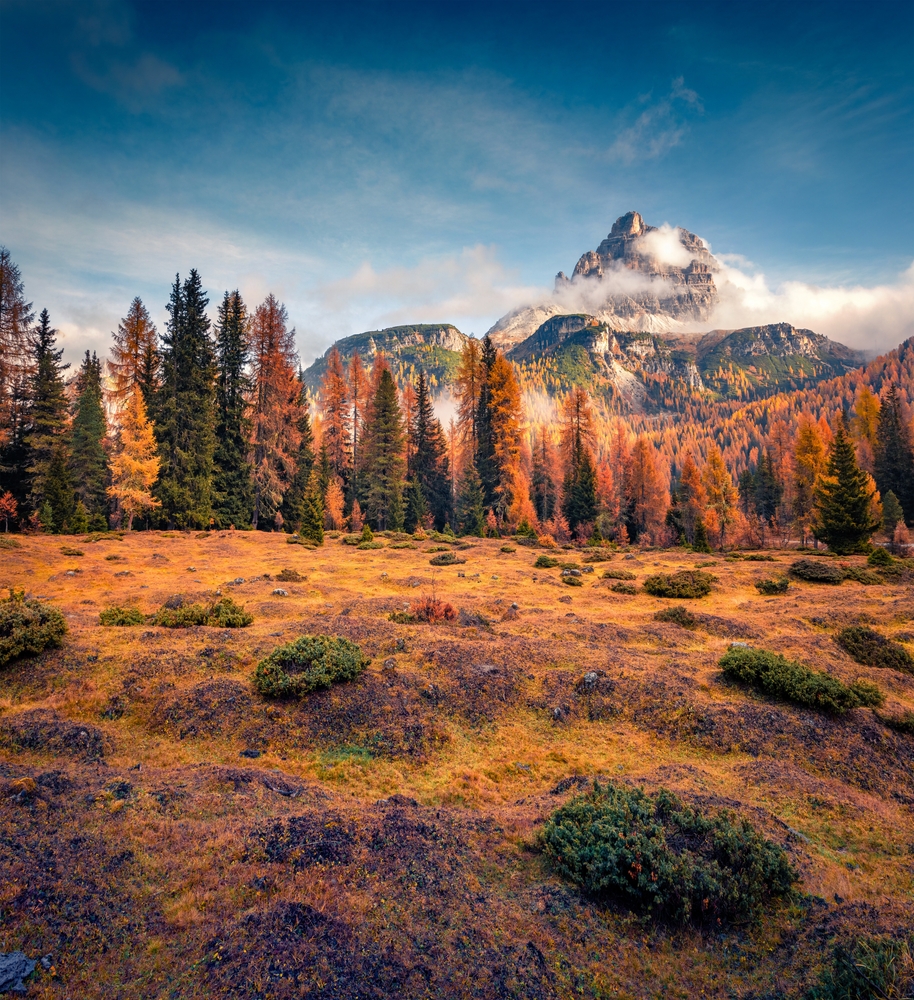
This course isn’t just about telling you what to do; rather, we offer valuable insights and make recommendations that dive deeper than offering superficial advice.
But beyond that, each lesson includes a variety of high-quality images for you to inspect, critique, and be inspired by. Our sample images aren’t meant for you to copy but are instead provided to give you the inspiration you need to find your personal style.
You will address each of these areas in PhotographyTalk’s 30-Day Landscape Photography Master Course. From exploring the basic essentials of light and exposure to becoming adept at understanding your camera’s settings to learning how to compose compelling shots no matter the landscape, this course will not just help you define your personal style, but it will also help you take your photography to the next level.
Learn to Work With a Variety of Landscapes
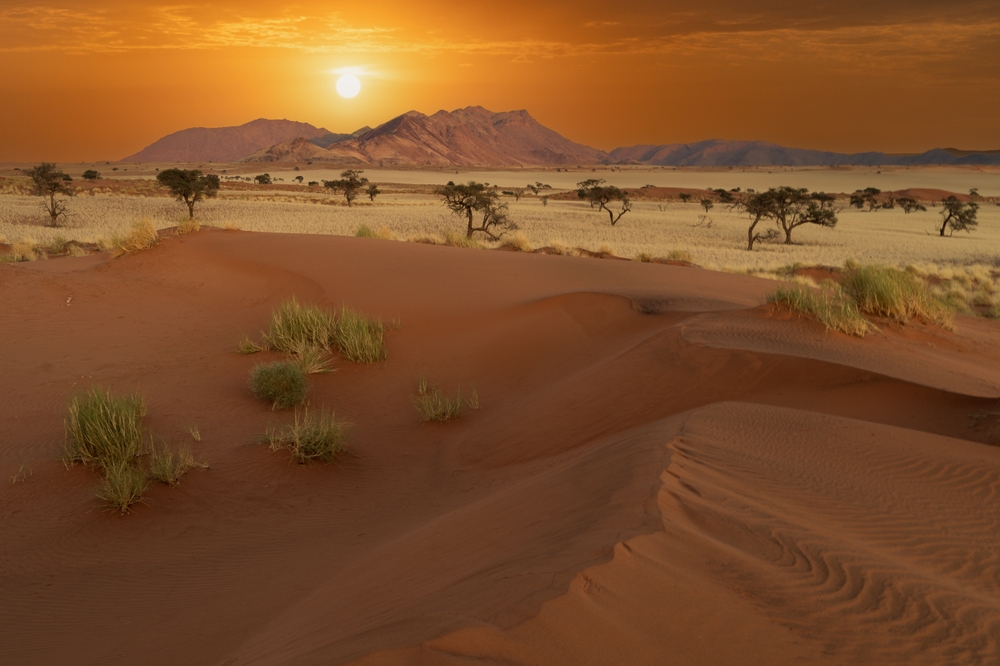
Another element of developing your personal photography style is learning how to work with a variety of landscapes. Though you might live in the desert, that doesn’t mean you shouldn’t become familiar with long exposure techniques to blur the movement of water. You can blur clouds and other subject elements, too.
Conversely, having an affinity for color photography doesn’t preclude you from needing to understand the underlying principles of a successful black and white photo. In fact, some classic black and white (B&W) techniques and methods can help you get better at photography in general, so they’re worth your while to learn.
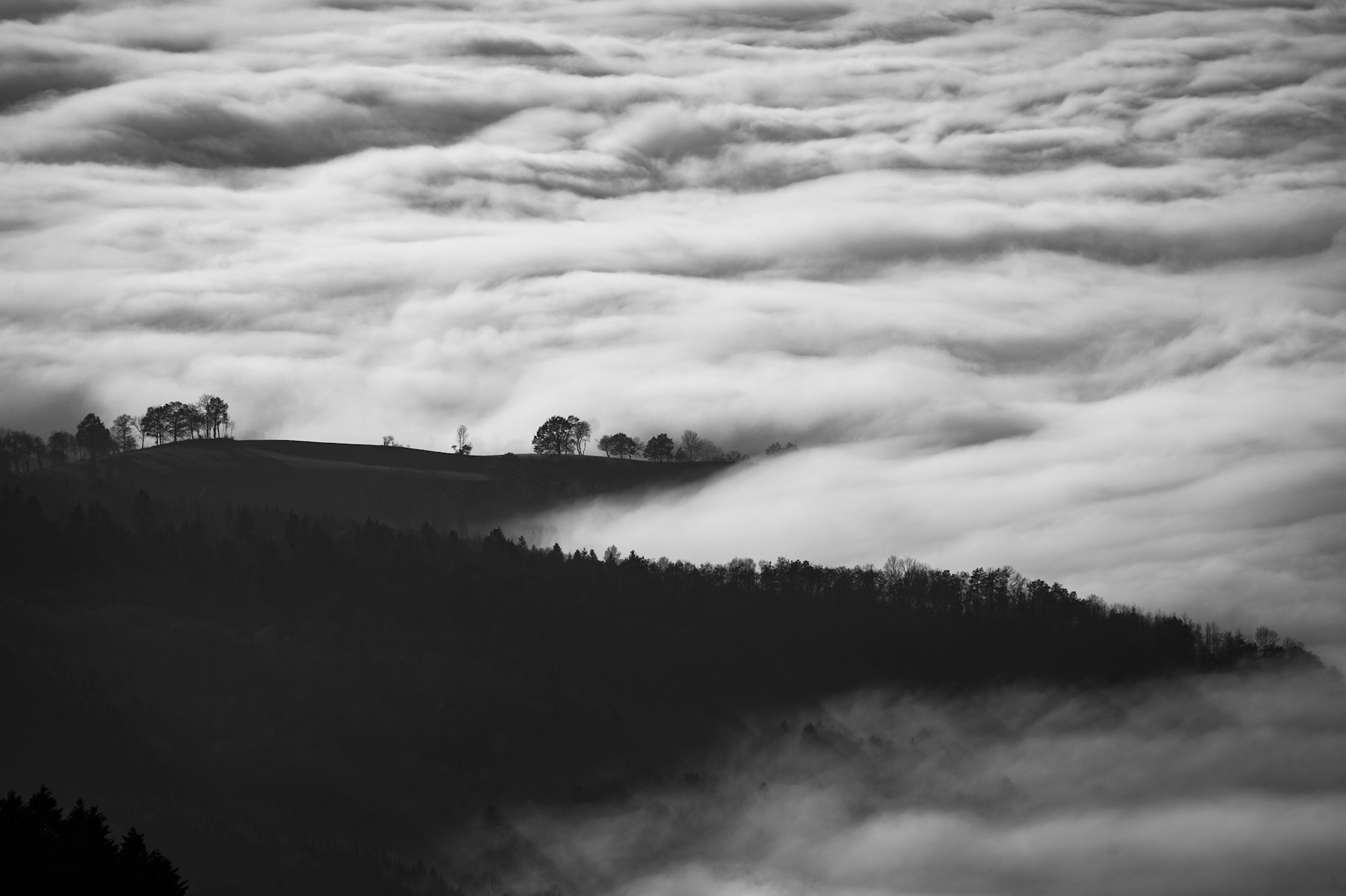
It is in the experimentation of working with a variety of landscapes and styles that you will be able to develop a better understanding of who you are as a photographer. After all, variety is the spice of life, and having varied photographic experiences will facilitate the growth of your style, as well as hone your abilities as a photographer.
You’ll be exposed to a variety of landscapes and styles throughout the next 29 lessons in this course, specifically for the purpose of identifying your interests, exploring your strengths and weaknesses, and making conclusions about the type and style of photography that best suits you.
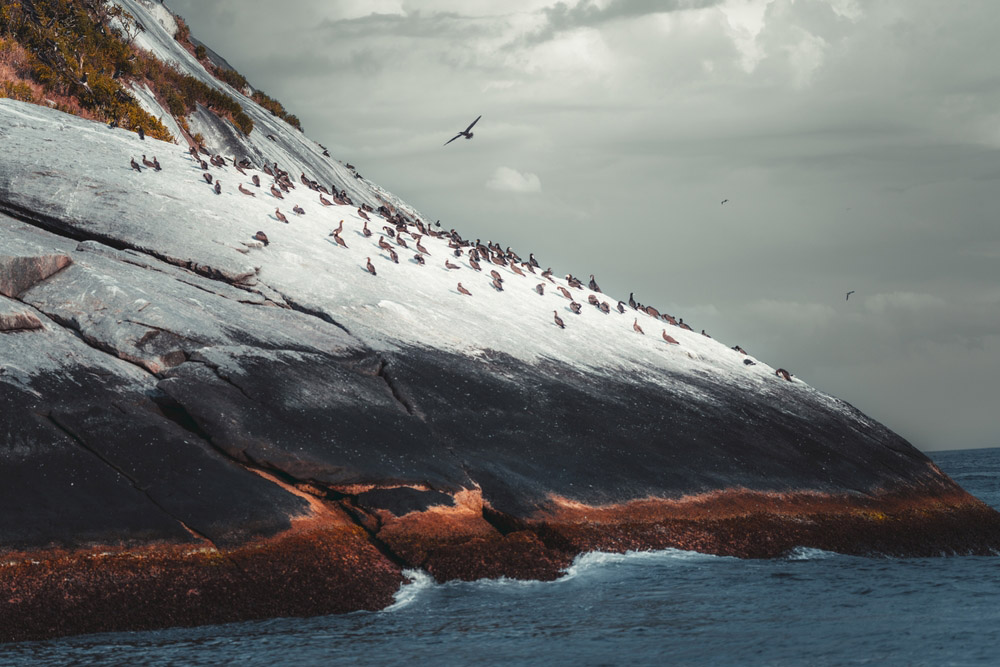
Once you accomplish these tasks, you can move forward and begin to find success in landscape photography with a clear point of view, a strong skill set, and a solid understanding of the principles of landscape photography.
In the next installment of the 30-Day Master Class, we explore the essential gear for landscape photography.
Actionable Steps
- Consider what it is about landscapes that make you want to pursue landscape photography. If you identify your motivations, you might unlock clues regarding your personal photography style.
- Explore the work of landscape photographers online. As you do, note the features that speak to you as well as those that do not. By critiquing others’ work, you will develop your photographer’s eye as well as develop a better understanding of who you are as a landscape photographer.
- Identify landscapes near you that you can easily access. Having a list of areas to photograph will come in handy for future lessons. When selecting potential subjects, consider how they look at various points in the day and even at night.
Homework
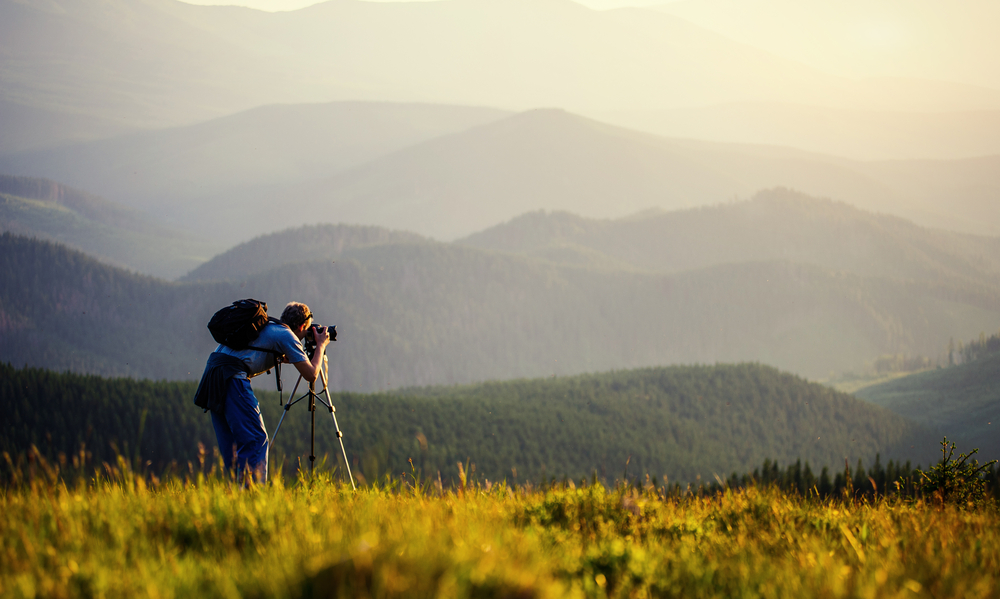
Take stock of the photography gear you currently have and how well you know how to use it. Rate yourself on a scale of 1-10 in terms of your knowledge, with 1 being “I have no idea how to use my camera” and 10 being “I have great gear, and know how to use it, but perhaps just not for landscapes.”
Giving yourself an honest assessment of your knowledge and understanding of your gear will help you determine what your future gear needs might be, particularly as you move forward in this course. For example, if you rate yourself as a 1-3, it might be best for you to learn the fundamentals of exposure, composition, and the like using whatever gear you currently have.
If you rate yourself a 4-7, you likely already have what you need to photograph landscapes, but perhaps with an additional lens specifically for landscape photography. If you rate yourself as an 8-10, the chances are that you already have the gear – it’s just a matter of putting it to use specifically in the fabulous niche of landscape photography.
Whatever the case, having the right gear for your specific situation will be critical to your success in this course and as you pursue landscape photography on a long-term basis.