

You’ve spent hours hiking to a remote clearing, camera ready, hoping for that perfect wildlife shot. The sun is just right, the wind is calm, and everything seems set…yet nothing happens. The deer doesn’t appear, the birds stay hidden, and even the squirrels seem uninterested. It’s moments like these that test your patience and dedication as a wildlife photographer.
Many beginners assume that capturing amazing wildlife photos is all about gear, like the latest lens, a high-end camera, or expensive accessories. While equipment can help, the truth is that the most memorable images often come from quiet observation, timing, and persistence. Patience in the field is a skill every wildlife photographer needs, and it’s just as important as knowing how to use your gear.
With that said, let’s focus on practical techniques for how to photograph wildlife when nothing seems to be happening. From staying productive during slow moments to experimenting creatively and even displaying your work at home, you’ll gain strategies that emphasize patience, observation, and technique over the gear you carry. By the end, you’ll understand why waiting can be just as rewarding as the perfect shot itself.
Table of Contents
- Understanding Patience in Wildlife Photography
- Making the Most of Your Time in the Field
- Gear Doesn’t Replace Skill
- Timing, Light, and Weather Awareness
- Creative Approaches While Waiting
- Printing Your Work – Showcase Patience with HD Acrylic Prints
- Maintaining Motivation During Quiet Periods
- Valuing Patience in Wildlife Photography
- FAQ
Understanding Patience in Wildlife Photography
Photo by Todd Grimsley via Shutterstock
Patience is the foundation of wildlife photography. Animals are unpredictable, and your best shots often occur when you least expect them. Understanding this can save you frustration and help you develop a mindset that values observation and timing as much as the equipment you carry.
Beginner photographers often rush through trips, hoping for immediate results. However, taking the time to observe wildlife behavior, track patterns, and understand the environment can significantly improve your images. The quiet moments are opportunities to notice subtle movements, anticipate action, and prepare for those fleeting opportunities that define memorable wildlife shots.
Cultivating patience also helps you handle setbacks with grace. Not every trip yields a dramatic action shot, and that’s perfectly normal. Some of the most valuable lessons in wildlife photography come from waiting and observing, rather than capturing the perfect moment immediately.
Keeping a wildlife journal is another way to improve patience. Documenting what species you see, the time of day, weather conditions, and your camera settings can reveal patterns over time. These notes will not only inform future trips but also teach you how to predict behavior, making your patient waiting more productive and intentional.
Making the Most of Your Time in the Field
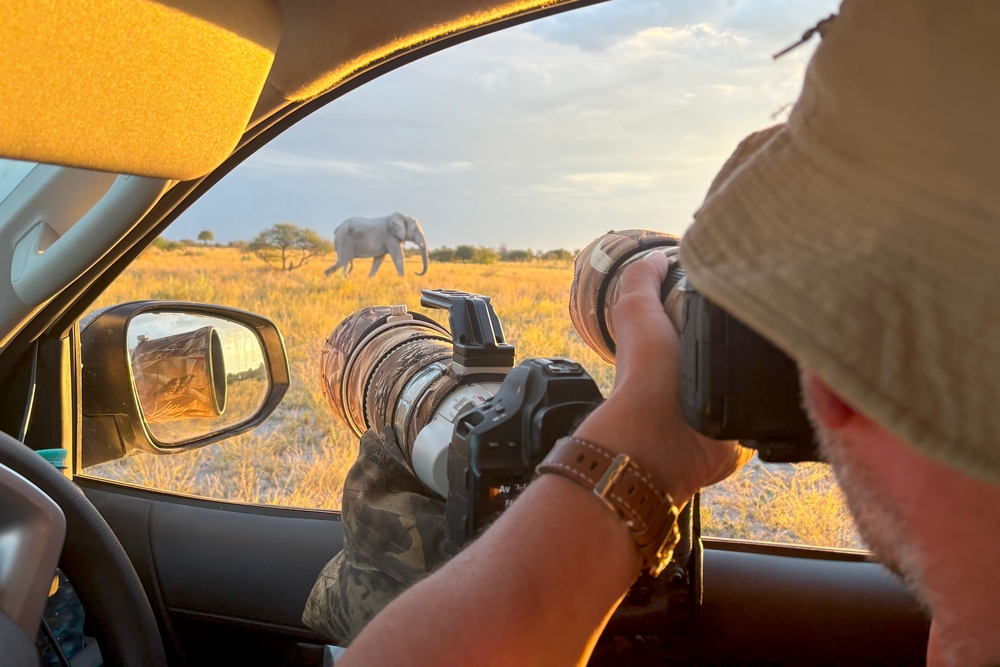
Photo by Martin Mecnarowski via Shutterstock
Even when wildlife isn’t active, you can use the time in the field to hone your skills. Learning how to photograph wildlife isn’t just about capturing action; it’s about maximizing every moment you spend in nature. While waiting, you can practice composition using the landscape or natural elements, refine your camera settings, or try macro photography of plants, textures, or tracks.
Scouting locations for future opportunities is another way to stay productive. Take note of the best vantage points, natural hiding spots, and animal trails. By doing so, you increase the likelihood of successful shots during your next outing. The quiet periods are also perfect for experimenting with settings like aperture, ISO, and shutter speed without pressure.
Observation-based photography can also enhance your reflexes. By studying subtle animal movements, changes in light, and environmental patterns, you learn to anticipate action. These skills are critical for beginners aiming to improve their wildlife photography without relying solely on expensive gear.
In essence, learning how to photograph wildlife during downtime is an investment. Every hour spent observing, experimenting, and practicing improves your ability to capture compelling images when the wildlife finally appears.
Gear Doesn’t Replace Skill
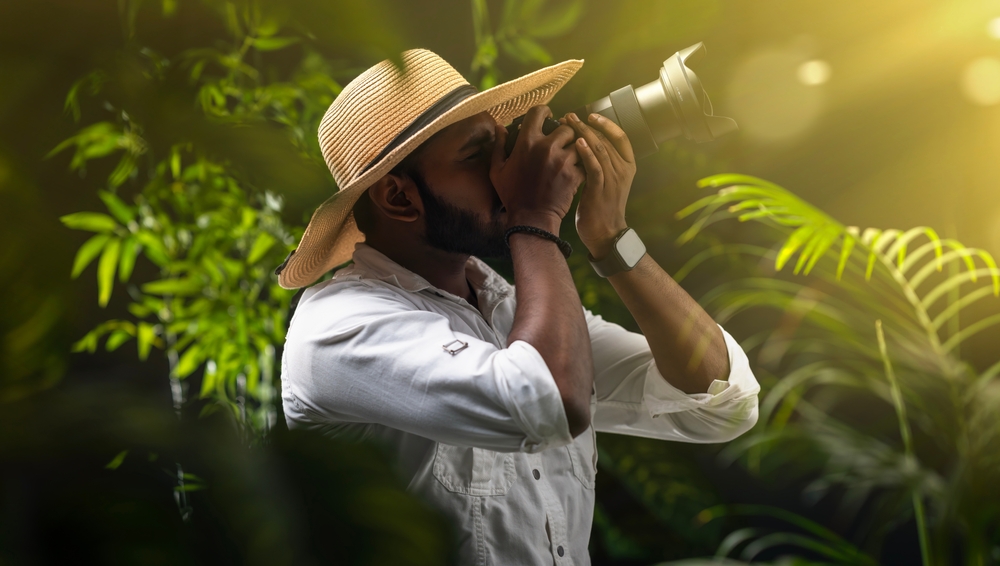
Photo by Sarath maroli via Shutterstock
Many beginners believe that high-end lenses or cameras automatically result in better wildlife photos. While gear can make certain tasks easier, skill, patience, and knowledge of animal behavior matter more. Understanding how to photograph wildlife effectively often outweighs owning the latest equipment.
Simple gear tips can make a significant difference. A sturdy tripod helps stabilize your camera during long waits and low-light conditions. A telephoto lens allows you to frame distant wildlife without disturbing them, but knowing how to focus and compose is critical. Over-reliance on gear can hinder your creativity and limit the development of essential observation skills.
Some of the most memorable wildlife images have been captured with beginner cameras and modest lenses. The key is learning to use what you have while developing patience and technique. Recognizing that skill and timing matter more than gear will improve your photography and reduce frustration in slow periods.
Ultimately, how to photograph wildlife successfully combines equipment knowledge with awareness, patience, and creativity. Developing these qualities ensures you’re ready when that perfect shot presents itself.
Timing, Light, and Weather Awareness
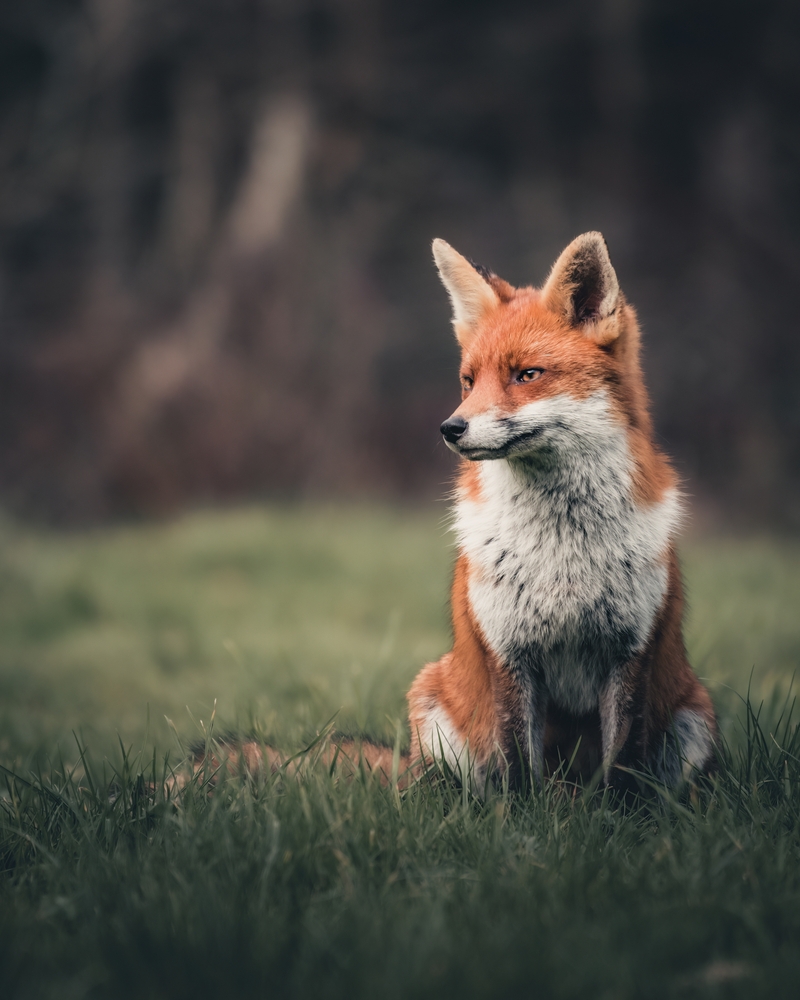
Photo by Phil Orris via Shutterstock
Understanding when wildlife is most active is crucial for beginners learning how to photograph wildlife. Dawn and dusk are often the best times, as animals are feeding or moving, and the natural light is soft and dramatic. Seasonal patterns also affect animal behavior, so knowing when to plan trips can dramatically improve your chances of capturing compelling images.
Light is one of the most powerful tools for photography, even when wildlife is scarce. Learning to read the quality of light, how it changes throughout the day, and how it interacts with the environment can turn ordinary shots into memorable compositions. Low-light conditions may seem frustrating, but adjusting shutter speed, aperture, and ISO can help you create moody, evocative images.
Weather can also add mood and context to your shots. Rain, fog, snow, or dramatic skies can transform a simple landscape into a visually compelling background for wildlife, even if the animals are only partially visible. Patience in observing weather patterns and adapting to conditions is a skill that benefits every wildlife photographer.
By combining awareness of timing, light, and weather, you can make your waiting time productive, turning quiet moments into opportunities for creativity and skill development.
Creative Approaches While Waiting
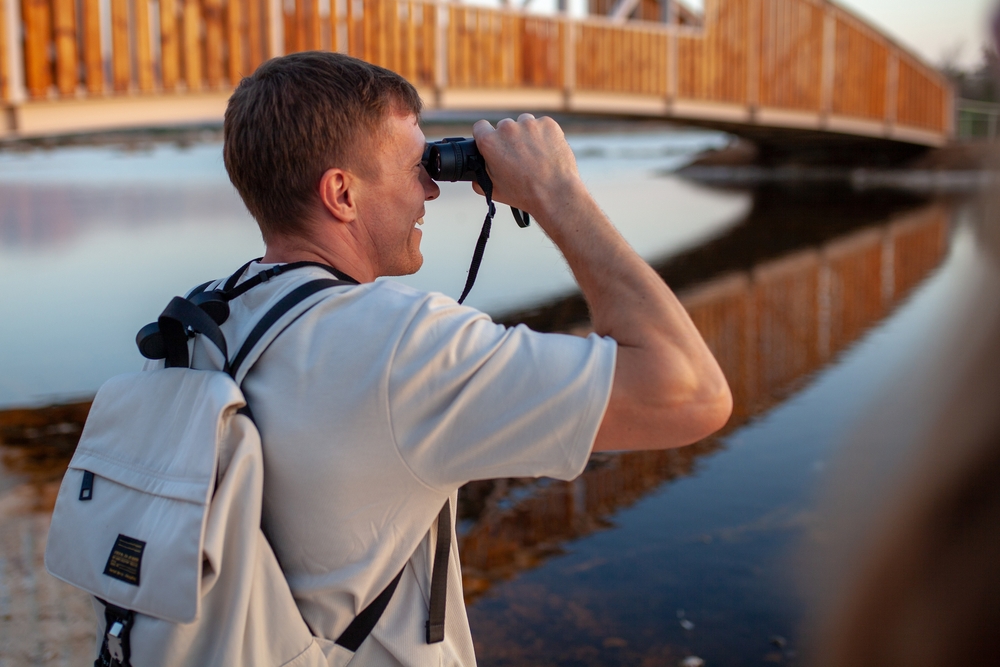
Photo by Maria Medvedeva via Shutterstock
When nothing is happening, thinking creatively can transform your waiting periods into productive opportunities. Consider experimenting with silhouettes, motion blur, or long exposures to capture the essence of wildlife and their environment. Even stationary animals can be photographed in ways that convey motion, mood, or narrative.
Reflections, textures, and surrounding landscapes offer additional creative possibilities. Capturing a bird reflected in a pond or animal tracks in snow can add depth and interest to your portfolio. These creative exercises teach beginners how to see beyond the obvious subject, which is a critical skill for wildlife photography.
Storytelling is another powerful approach. Your photos don’t always need to show dramatic action; sometimes, they can convey the environment, the mood, or the relationship between animals and their habitat. Practicing storytelling during slow moments develops the eye for compelling composition and encourages patience, observation, and intention in every shot.
Printing Your Work – Showcase Patience with HD Acrylic Prints
After hours of waiting, observing, and capturing subtle moments, your images deserve to be displayed beautifully. Artbeat Studios HD Acrylic Prints offer a professional way to showcase wildlife photography and celebrate your dedication to patience and craft.
Artbeat Studios prints are face-mounted, meaning your image is first printed onto metallic or white photo paper and then mounted on clear, UV-resistant acrylic. This method produces unparalleled sharpness, depth, and vibrancy, making your wildlife photos appear almost lifelike. Metallic photo paper provides a luminous and iridescent appearance, ideal for highlighting subtle details and rich colors.

The prints come in three styles: HD Acrylic, HD Acrylic Slims, and HD Acrylic 360. HD Acrylic offers a 1/4″ clear acrylic face with a black Sintra back, perfect for a gallery-quality display. HD Acrylic Slims provide a sleek profile with a 1/8″ acrylic face and clear back, while HD Acrylic 360 gives an elegant floating effect with a 1/4″ acrylic face and clear back. Prices start around $55, making them accessible for beginners wanting professional results.

Wall mount options include silver or black aluminum frames, with cleat or wire hangers for easy installation. Artbeat Studios also offers classic wood frame options in various finishes, allowing you to match your decor. Custom sizes from 8×8″ up to 48×96″ are available without cropping, making it perfect for panoramic wildlife shots or special images captured after hours of patient observation.
Printing your wildlife photos not only preserves your best images but also reinforces the value of patience. Seeing your hard work displayed beautifully motivates you to continue refining your craft, reminding you that the quiet moments are just as important as the action-packed shots.
Maintaining Motivation During Quiet Periods
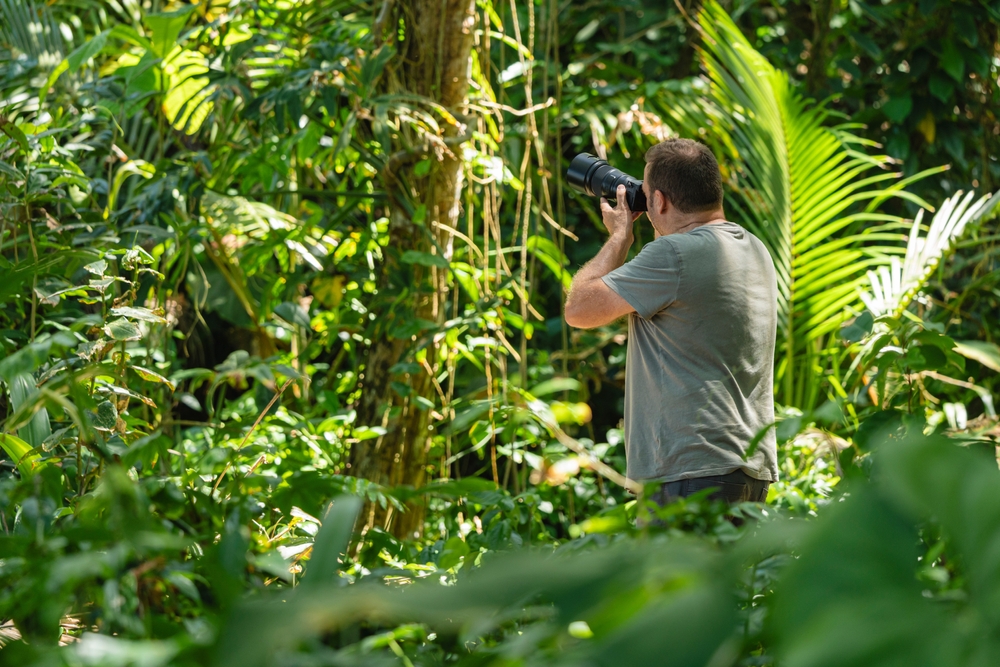
Photo by STOCKEROcr via Shutterstock
Even experienced photographers face periods when wildlife seems absent. Staying motivated during these quiet times is essential for developing both skill and resilience. Engaging with online communities, sharing images, and receiving feedback can provide encouragement and new ideas for approaching slow days in the field.
Reviewing past images and analyzing what worked and what didn’t helps you understand patterns in animal behavior, lighting, and composition. These insights make future trips more productive and reduce frustration when nothing is happening. Setting small challenges, like capturing textures, shadows, or natural patterns, keeps your creativity active.
Maintaining motivation also comes from appreciating the process. Every hour spent observing wildlife develops patience, skill, and a deeper connection to nature. Over time, these qualities result in images that are not only technically strong but also meaningful and evocative.
Embracing these strategies ensures that learning how to photograph wildlife remains enjoyable, even when action is limited. Quiet moments are opportunities for growth, experimentation, and building the foundation for truly memorable images.
Valuing Patience in Wildlife Photography
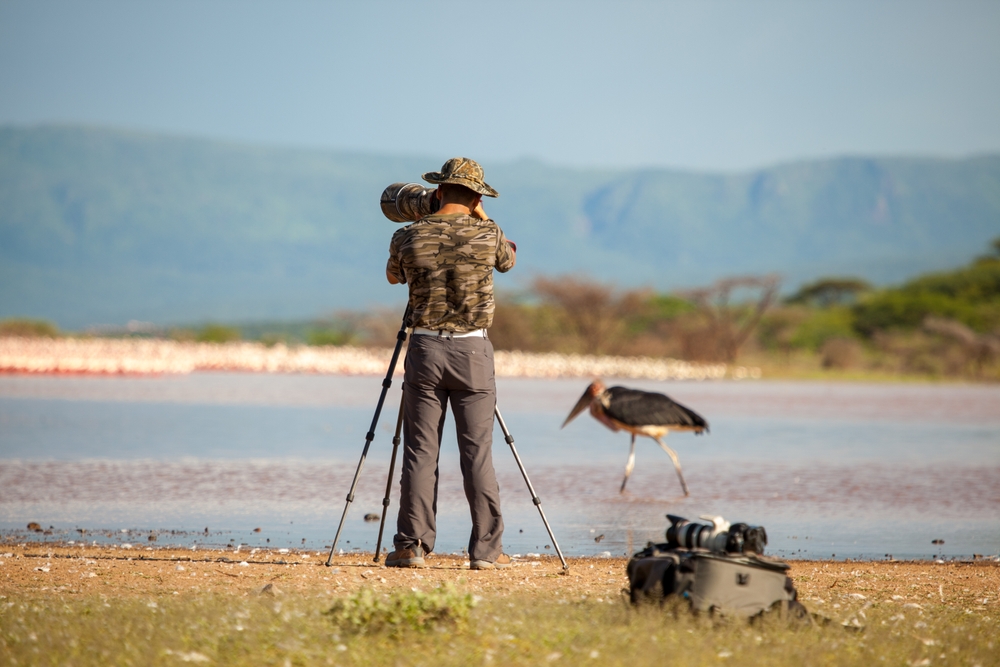
Photo by njbfoto via Shutterstock
Patience is not just a virtue in wildlife photography; it’s a fundamental skill that shapes every aspect of your work. Learning how to photograph wildlife effectively means understanding that gear alone won’t create compelling images. Observation, timing, creativity, and persistence are the elements that transform waiting into opportunity.
By embracing quiet periods in the field, experimenting with composition, understanding light and weather, and using creative techniques, you can turn “nothing happening” into a productive learning experience. Printing your images with Artbeat Studios HD Acrylic Prints further honors your dedication, providing a professional showcase for your patient effort.
Ultimately, wildlife photography rewards those who are willing to wait, watch, and refine their skills. The more you value patience, the more your images will reflect intention, observation, and artistry, ensuring every shot tells a story worth sharing.
FAQ
What is the most important skill for beginner wildlife photographers?
Patience is the most important skill. Observing animal behavior, understanding the environment, and waiting for the right moment often matter more than gear or expensive lenses.
Do I need expensive equipment to capture great wildlife photos?
No. While certain lenses and cameras can help, skill, timing, and observation are more critical. Many stunning images have been captured with beginner-friendly gear.
How can I stay productive when wildlife isn’t active?
Practice composition with landscapes, try macro photography, scout locations for future trips, experiment with camera settings, and observe environmental patterns.
Why should I print my wildlife photos?
Printing preserves your best images, showcases your work professionally, and reinforces the value of patience and effort. HD Acrylic Prints from Artbeat Studios offer vibrant, gallery-quality results.
When is the best time to photograph wildlife?
Dawn and dusk are ideal as animals are active and the light is soft. Seasonal patterns and weather conditions also influence wildlife activity.
Heads up: Clicking on our affiliate links and exploring our sponsored content helps us at no extra cost to you, and we only recommend gear we’re absolutely crazy about!
Hero photo by Habib CREATIVE via Shutterstock

