


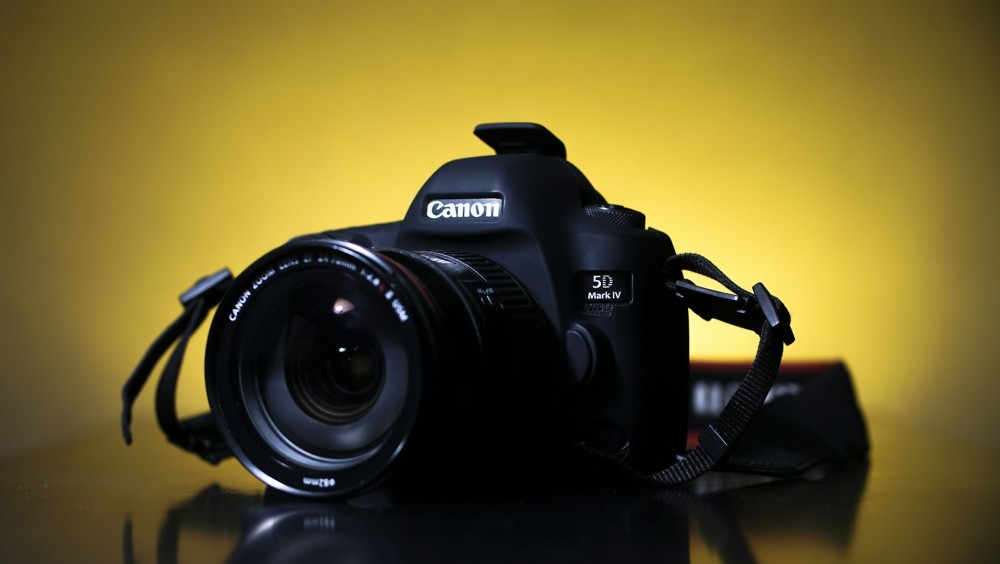
In a camera world that now revolves around mirrorless bodies, subject-detect autofocus, and firmware-driven feature updates, it would be easy to assume that DSLRs like the Canon EOS 5D Mark IV have been left behind. Yet walk into working photographers’ studios or peek inside long-time professionals’ camera bags, and you’ll still see this familiar body earning its keep. Nearly a decade after its release, the 5D Mark IV continues to deliver reliable, high-quality results where it matters most.
The reason is simple: tools built for working professionals tend to age differently. They are designed to be dependable first, flexible second, and fashionable last. The Canon EOS 5D Mark IV fits squarely into that category. It was never about chasing trends. Instead, it focused on image quality, autofocus accuracy, rugged construction, and a balanced feature set that photographers could trust day in and day out.
In 2026, that philosophy has aged remarkably well. With prices now firmly in used-market territory, the 5D Mark IV occupies a sweet spot between performance and affordability. For photographers who value consistency, color accuracy, and proven reliability, this camera remains a compelling option worth serious consideration.
Table of Contents
A Quick Snapshot of the Canon EOS 5D Mark IV

Photo by Luther.M.E. Bottrill on Unsplash (license)
The Canon EOS 5D Mark IV was introduced as a refinement of an already respected professional platform. Rather than reinventing the wheel, Canon focused on meaningful upgrades that working photographers actually needed. A 30.4-megapixel full-frame sensor, DIGIC 6+ processor, and improved autofocus system positioned it as a dependable all-around camera.
This balance is what continues to define the best camera in 2026. The resolution is high enough for commercial work, large prints, and cropping flexibility, yet not so excessive that file sizes become a burden. Performance remains responsive, and the camera handles long shooting days without hesitation.
While newer models boast eye-detection algorithms and in-body stabilization, the 5D Mark IV’s appeal lies in how complete it felt from day one. It delivers exactly what many photographers need, without unnecessary complexity.
Image Quality That Still Competes in 2026

Photo by Look Studio on Unsplash (license)
At the heart of the Canon EOS 5D Mark IV is its 30.4MP full-frame CMOS sensor. Even by current standards, this resolution sits comfortably in the professional range. Images offer excellent detail without pushing photographers into oversized storage requirements or slower post-production workflows.
Dynamic range and color depth remain strong, especially when shooting RAW. Highlights roll off smoothly, shadows retain usable detail, and Canon’s color science continues to be a major reason photographers trust these files. Skin tones, in particular, remain natural and consistent across a wide range of lighting conditions.
Low-light performance is another area where the 5D Mark IV holds its own. With a native ISO range up to 32,000 and usable results well beyond ISO 6400, it remains a reliable choice for weddings, events, and indoor work. Noise characteristics are predictable and easy to manage in post.
In 2026, image quality is no longer about chasing the highest spec sheet numbers. It’s about files that respond well to editing and deliver consistent results, and this camera continues to do exactly that.
Autofocus and Speed Built for Reliability
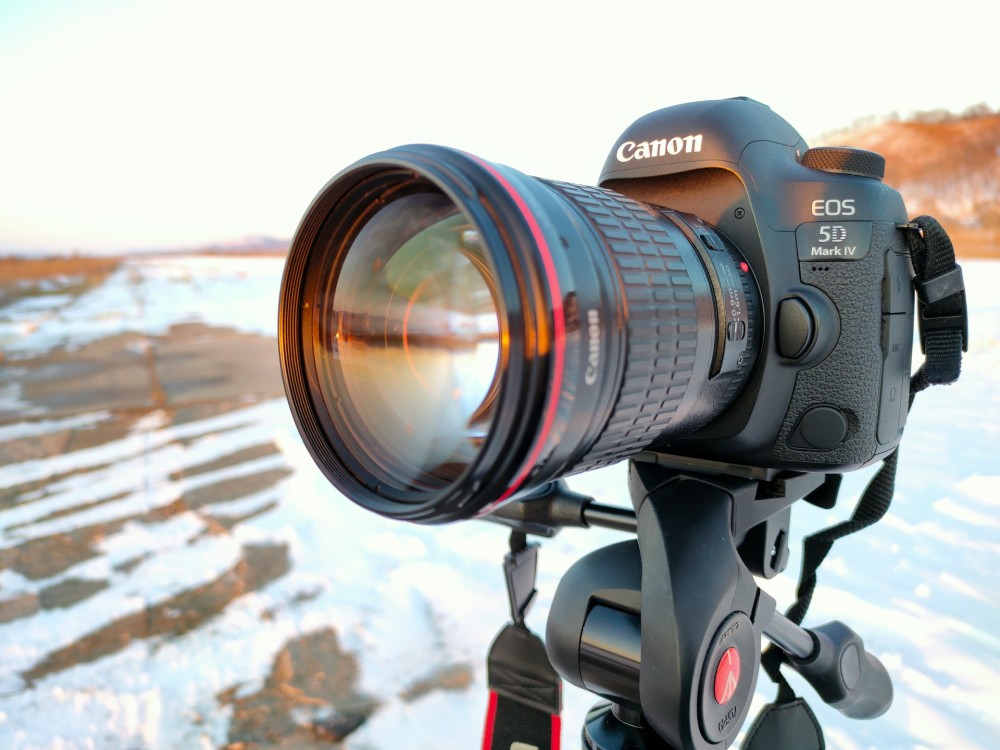
Photo by Олег Мороз on Unsplash (license)
The Canon EOS 5D Mark IV uses a 61-point High Density Reticular autofocus system that remains dependable in demanding situations. With all points sensitive to f/8 and 41 cross-type points, it handles a wide range of lenses and shooting scenarios with confidence.
The center point’s ability to focus down to -3 EV makes a real difference in dim environments. Whether shooting receptions, concerts, or early morning landscapes, the camera locks focus reliably where lesser systems begin to struggle.
Continuous shooting at up to 7 frames per second may not sound impressive in a world of 20 fps mirrorless bursts, but speed alone is not the full story. The 5D Mark IV delivers consistent focus accuracy across those frames, which is often more important than sheer volume.
In Live View and video modes, Dual Pixel CMOS AF still feels responsive and smooth. Touchscreen focusing remains intuitive and precise, making the camera versatile beyond traditional optical viewfinder shooting.
Video Capabilities That Still Matter
As Jerad Hill Photo (Ditch Auto) explains in the video above, video was never an afterthought on the Canon EOS 5D Mark IV. Its DCI 4K recording at up to 30 frames per second brought serious video capability into a stills-first body. While the 1.74x crop is often discussed, it also enables clean pixel-level sampling.
Dual Pixel autofocus continues to be one of the most pleasant focusing systems for video work. Focus transitions look natural, and subject tracking avoids the abrupt hunting common with contrast-based systems.
Support for Canon Log, headphone and microphone jacks, and HDMI output make the camera usable in professional video workflows even today. It may not offer 10-bit internal recording, but the footage it produces grades predictably.
For hybrid shooters in 2026, the 5D Mark IV remains capable of handling interviews, documentary clips, and branded content without feeling outdated.
Dual Pixel RAW and Its Practical Benefits
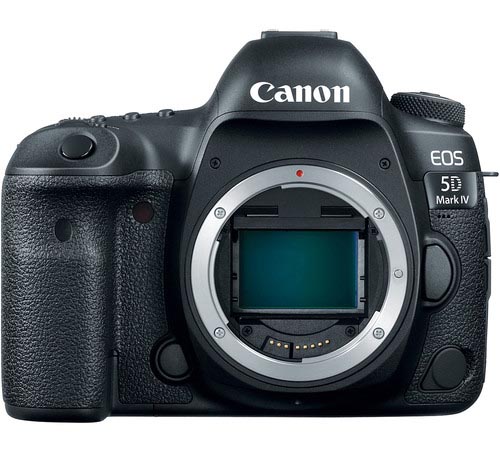
Dual Pixel RAW was introduced with the Canon EOS 5D Mark IV and remains a unique feature. By capturing additional depth information from the sensor, it allows for subtle adjustments after the image is taken.
These adjustments include minor focus shifts, bokeh repositioning, and ghosting reduction. While the changes are intentionally restrained, they can be valuable when working with shallow depth of field or critical focus.
The feature requires Canon’s Digital Photo Professional software, which limits its appeal for some workflows. Still, for photographers who value maximum control over final output, it adds flexibility that few cameras offer.
Even in 2026, Dual Pixel RAW remains a thoughtful tool rather than a gimmick.
Body Design Durability and Ergonomics
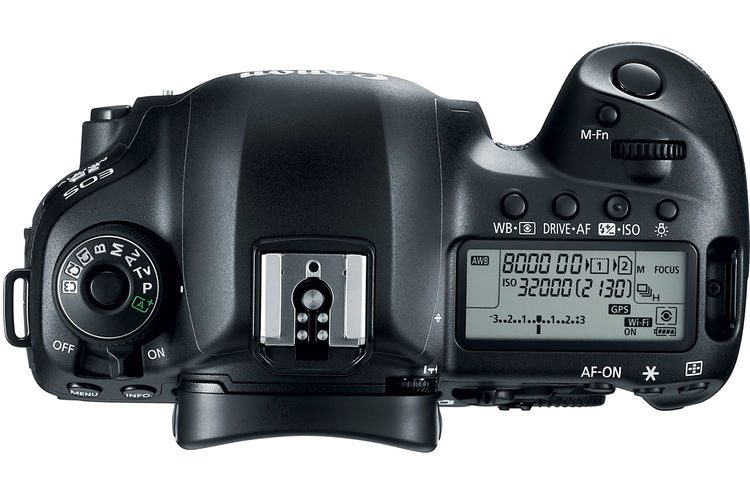
The physical design of the Canon EOS 5D Mark IV reflects its professional roots. A magnesium alloy chassis, weather sealing, and robust construction make it well-suited for demanding environments.
Ergonomics remain excellent. Buttons are logically placed, the joystick allows quick focus point selection, and the dedicated AF area button speeds up on-the-fly adjustments.
The optical viewfinder continues to be appreciated by photographers who prefer a clear, lag-free view of their scene. Combined with a bright 3.2-inch touchscreen LCD, the camera offers flexibility across shooting styles.
Dual card slots, long battery life, and reliable connectivity round out a body designed for real-world use rather than spec sheet appeal.
Real-World Use Cases in 2026

Photo by Andy Holmes on Unsplash (license)
For wedding and event photographers, the Canon EOS 5D Mark IV remains a dependable partner. Autofocus reliability, strong low-light performance, and pleasing color output make it easy to trust in fast-paced environments.
Landscape photographers continue to appreciate the balance between resolution and dynamic range. GPS tagging and durable construction add value for travel and outdoor shooting.
In studio and commercial settings, the camera’s consistent files and compatibility with EF lenses keep it relevant. Tethering and controlled lighting environments play to its strengths.
Hybrid shooters benefit from having both strong stills and capable video in a single body, without juggling multiple systems.
Pricing and Value in 2026

One of the strongest arguments for the Canon EOS 5D Mark IV in 2026 is its value. The camera has fully absorbed its depreciation, placing it within reach of enthusiasts and professionals alike.
Buying used through MPB adds confidence to the purchase. MPB thoroughly inspects each camera, provides accurate condition ratings, and includes warranties that reduce risk when buying pre-owned gear.
At its current market price, the 5D Mark IV delivers professional-level performance for a fraction of its original cost. Few cameras offer the same balance of build quality, image output, and reliability at this level.
For photographers invested in EF lenses, the value proposition becomes even stronger.
Limitations to Consider
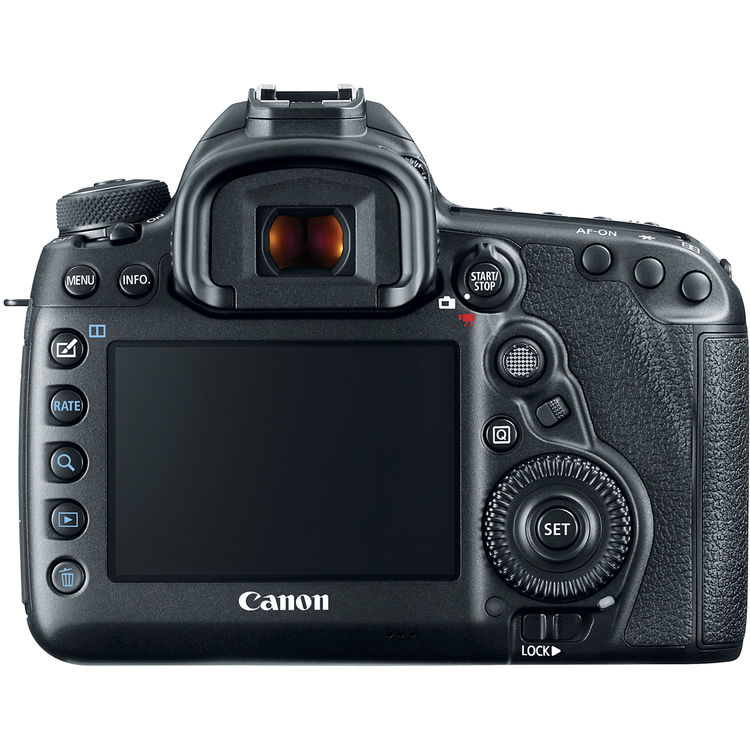
No camera is without compromise. The Canon EOS 5D Mark IV lacks in-body image stabilization, which may matter for handheld video shooters.
Its size and weight are noticeable compared to modern mirrorless bodies. Some photographers will prefer lighter setups for travel or long days on foot.
The 4K crop and 8-bit internal video recording may limit flexibility for certain video workflows. These trade-offs are worth weighing based on individual needs.
Who the Canon EOS 5D Mark IV Is Still Right For
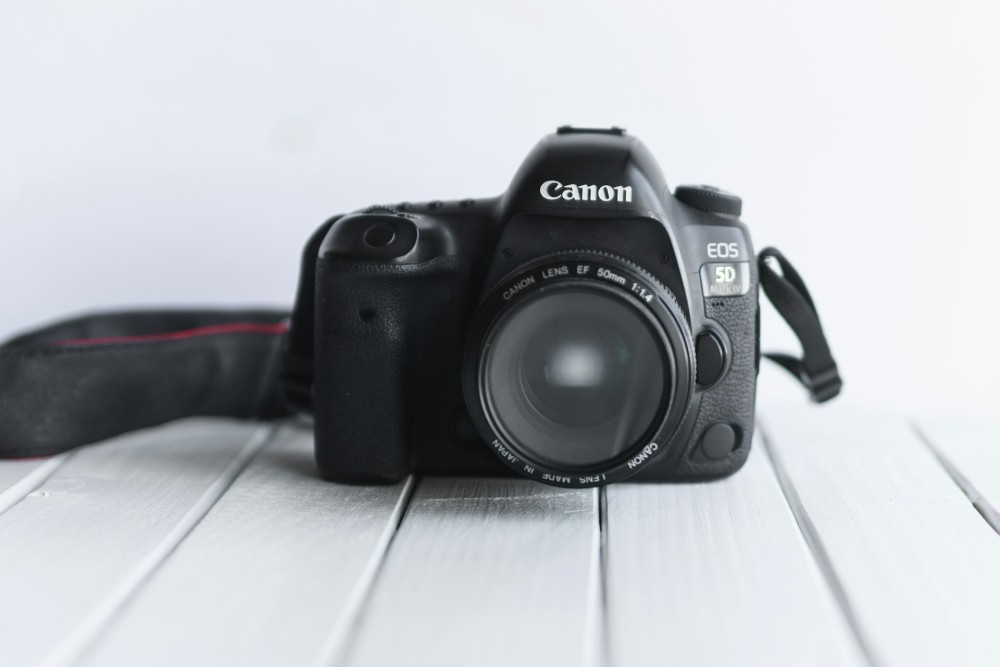
Photo by Sixteen Miles Out on Unsplash (license)
This camera remains a strong choice for professionals who value reliability over trends. It excels as a primary body or a dependable backup.
Enthusiasts stepping into full-frame photography will find it approachable and capable. Its learning curve rewards thoughtful shooting rather than automation.
For photographers with existing EF lenses, the Canon EOS 5D Mark IV continues to make practical and financial sense in 2026.
Frequently Asked Questions
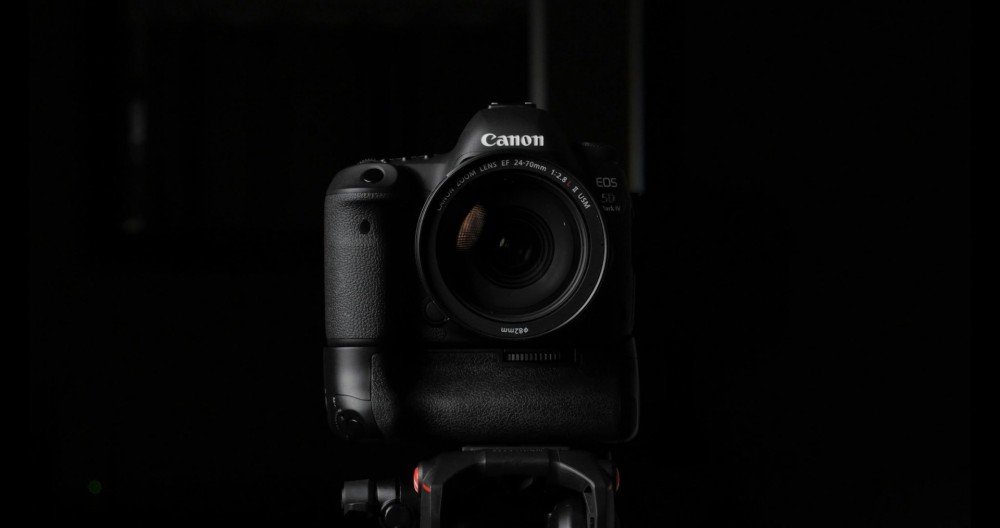
Photo by James Bussey on Unsplash (license)
Is the Canon EOS 5D Mark IV still worth buying in 2026?
Yes. It offers strong image quality, reliable autofocus, and professional build quality at a significantly reduced used price.
How does the Canon EOS 5D Mark IV compare to modern mirrorless cameras?
It lacks some modern features like AI subject detection and IBIS, but it remains competitive in image quality and reliability.
Is the Canon EOS 5D Mark IV good for video work?
It is well-suited for professional video basics, including 4K recording, Dual Pixel AF, and audio monitoring.
Where is the best place to buy a used Canon EOS 5D Mark IV?
MPB is a trusted platform that offers inspected gear, transparent condition ratings, and warranties for peace of mind.
Friendly disclaimer: Our articles may contain affiliate links that support us without costing you more, and sometimes we spice things up with sponsored content—but only for products we truly stand behind!
Learn More:
- Canon EOS R100 for Travel Photography
- Canon EOS R6 II: 6 Standout Camera Features That Impress (and Why Buying from MPB Makes Sense)
Hero Photo by Gift Habeshaw on Unsplash (license)


Comments are closed.