Day 3 Lesson: Photograph Water Reflections
Water is a popular subject in photography, especially when the body of water is perfectly still and provides you the opportunity to capture a beautiful reflection. Today’s 30-Day Challenge lesson focuses on what you can do to step up your water reflection photography game.
Check the Weather
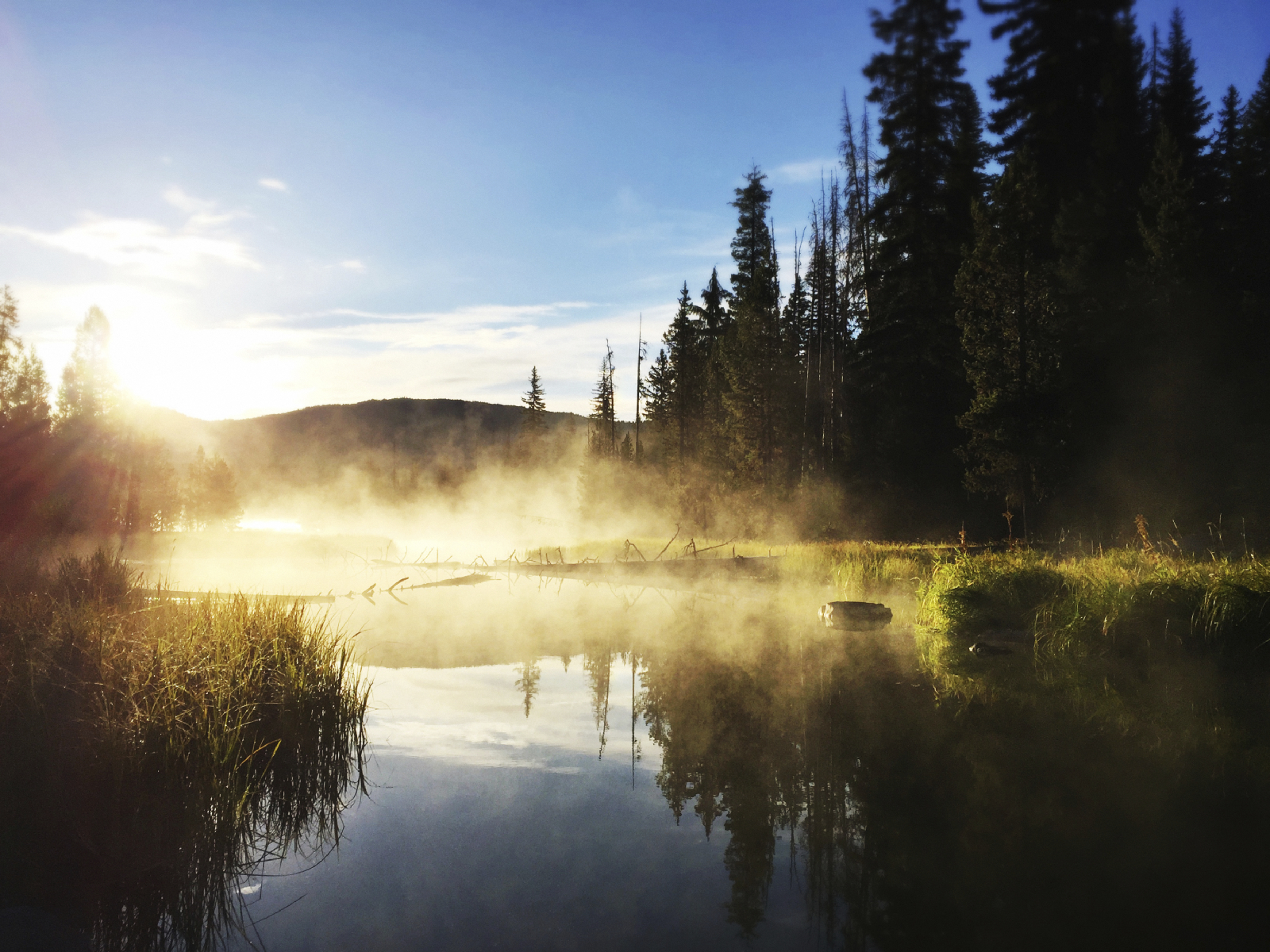
This is probably a no-brainer, but we’ll mention it anyway. Weather plays a critical role in your ability to photograph reflections. Even the slightest breeze will make the water choppy and ruin any hope of having a glass-like surface to shoot. Considering the weather goes beyond checking the forecast, however. Also consider the time of day. In many locations, the early morning hours tend to be quite calm, even if the afternoon and evening tend to be windy, giving you a chance to snap some nice reflections. You might even have a chance to get some foggy or misty shots along with your reflections on those cool, calm mornings.
Consider Lighting
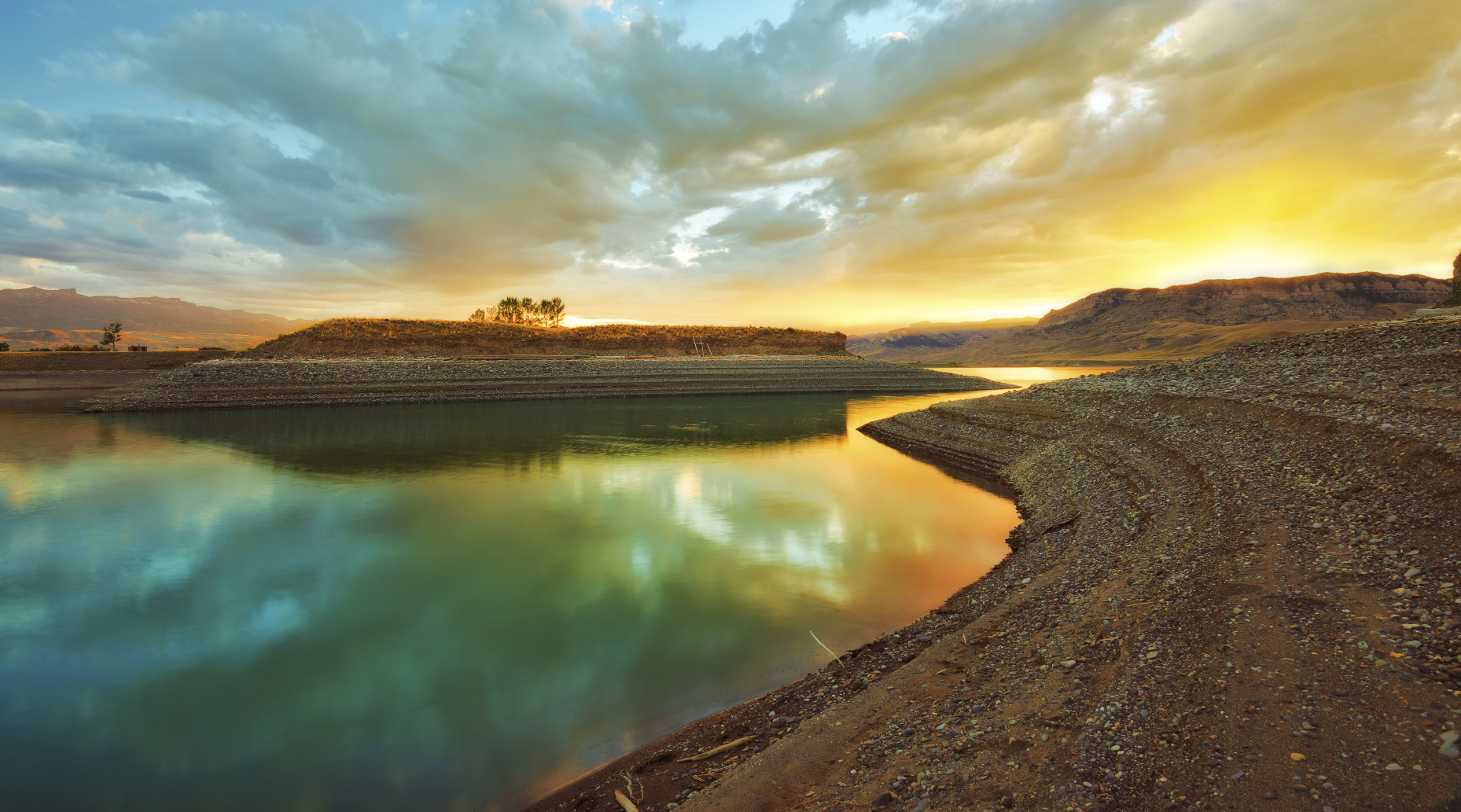
As with all photography, lighting is crucial to getting the best water reflection shots. There’s a delicate balance to be had here – on the one hand, your subject will ideally be illuminated while the water itself is in shadow. This allows you to highlight your subject without worrying about the sun’s glare off the water. Glare is seldom a photographer’s friend, and that is certainly the case when trying to photograph a reflection. Glare will blow out the highlights in the shot, not to mention it will reduce the intensity of the reflection in your image. A great way to avoid glare is to shoot a sunset over the water, as in the image above. You won’t have to worry about the glare off the water, and you might get some spectacular coloring in the sky to boot!
Assume the Position

Positioning is another important aspect of getting those great reflection shots. The height of your shooting position relative to the surface of the water will determine the scope of the scene you can capture. The higher you are, the less of the subject you will be able to see in the reflection. As a result, the best shots are usually gotten close to the surface of the water.
Use a Wide-Angle Lens

While reflections can certainly be photographed using a telephoto lens, the manner in which the image is compressed can make the scene look flat. It’s also worth mentioning that the shallower depth of field of a telephoto lens might force you to choose between a subject being in focus or a reflection being in focus.
Going with a wide-angle lens allows you to capture both the subject and the reflection in sharp focus, particularly if you choose a small aperture. A wide-angle lens will give your image the depth it needs to give a sense of separation between the subject and its reflection as well.
Practice and Participate!
Now that you have a few insights into capturing great water reflections and you’ve seen a few inspirational examples, it’s time for you to get some practice! Find a nearby body of water and get in a number of shots from different vantage points, bearing in mind that the closer you are to the water, the better the likelihood of getting the best reflection shot. Use your wide-angle lens to ensure you’ve got a sharp scene throughout as well. Don’t forget to check the weather before you go out, and think about the lighting of your shot location as well.
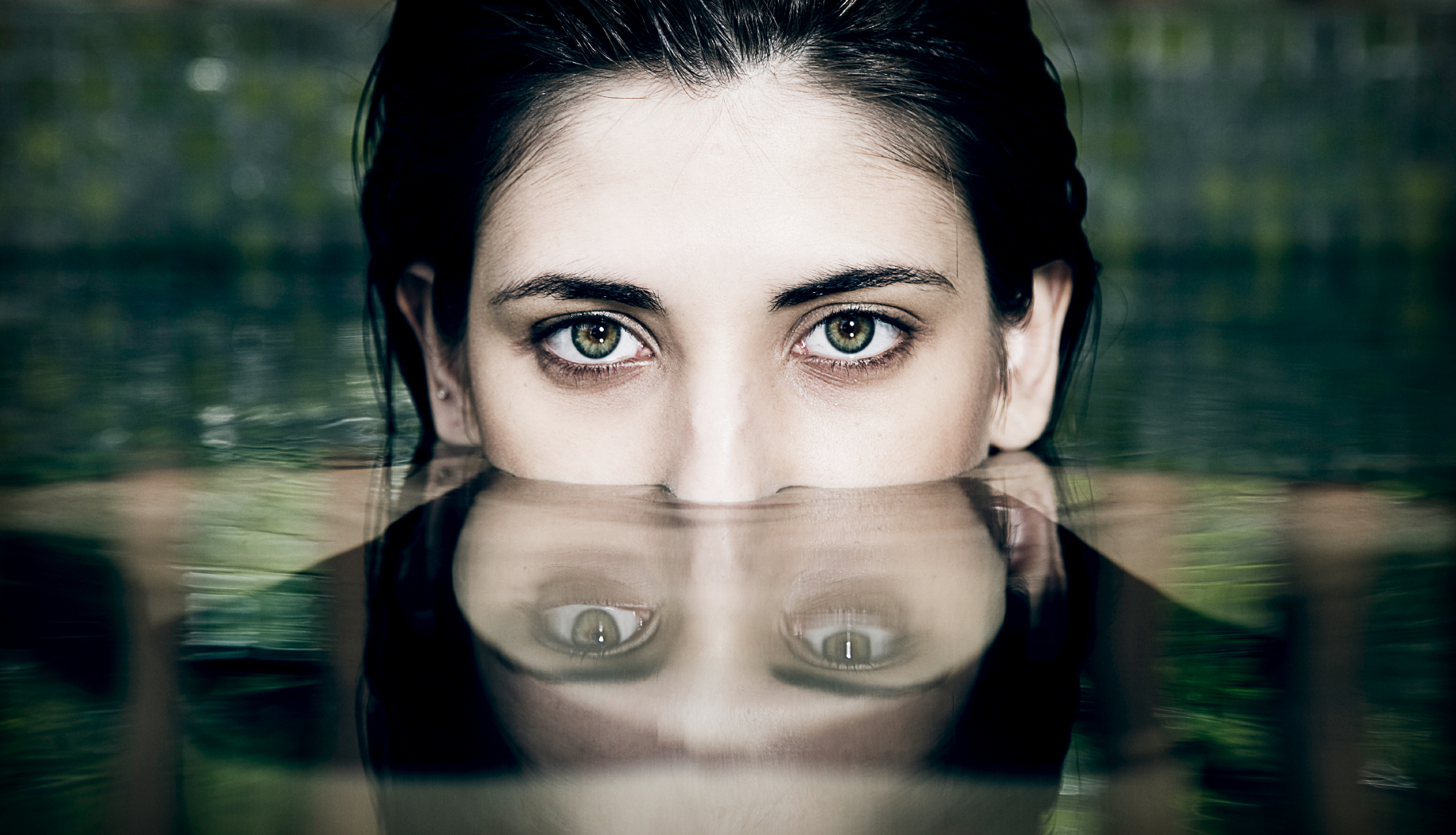
Also put your creativity to the test and try to capture reflections in an unusual way. Think about different ways to compose or frame your shot that you haven’t seen before, or try capturing non-traditional subjects. Then upload your creations to the forum thread for this challenge. We’re excited to examine everyone’s photos!