Day 4 Lesson: Photograph a Sunset
Sunsets are one of the most popular photography subjects, and with good reason. The color, the lighting, and the mood are all extremely pleasing. Add in some other elements of interest, such as water, a building, or people, and you’ve got the makings of a really cool shot! This 30-Day Challenge lesson is all about how to get the best sunset shots. Let’s begin!
Go Dark
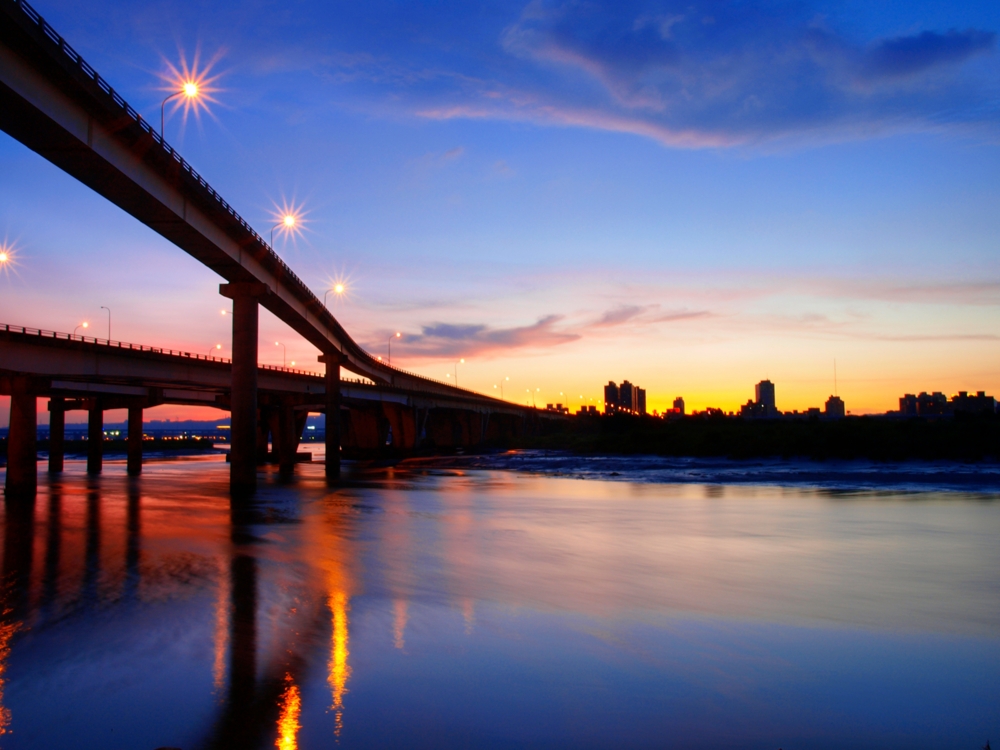
If you want to pump up the drama in your sunset shots, underexpose the image. Doing so will enrich and more clearly define the colors of the setting sun, as you can see in the image above.
There are two easy ways to underexpose your sunset shots. You can either use a slightly faster shutter speed, thus limiting the amount of light that hits your camera’s sensor. Another option is to shoot using aperture priority mode and adjust the exposure of your images by using the exposure compensation feature on your DSLR. Drastic changes need not be made here – try dialing down the exposure by one stop, then take a photo. If the scene is still too bright, keep moving your exposure down by one stop, taking a sample image each time until you reach your desired level of underexposure.
Choose Your Lens Wisely
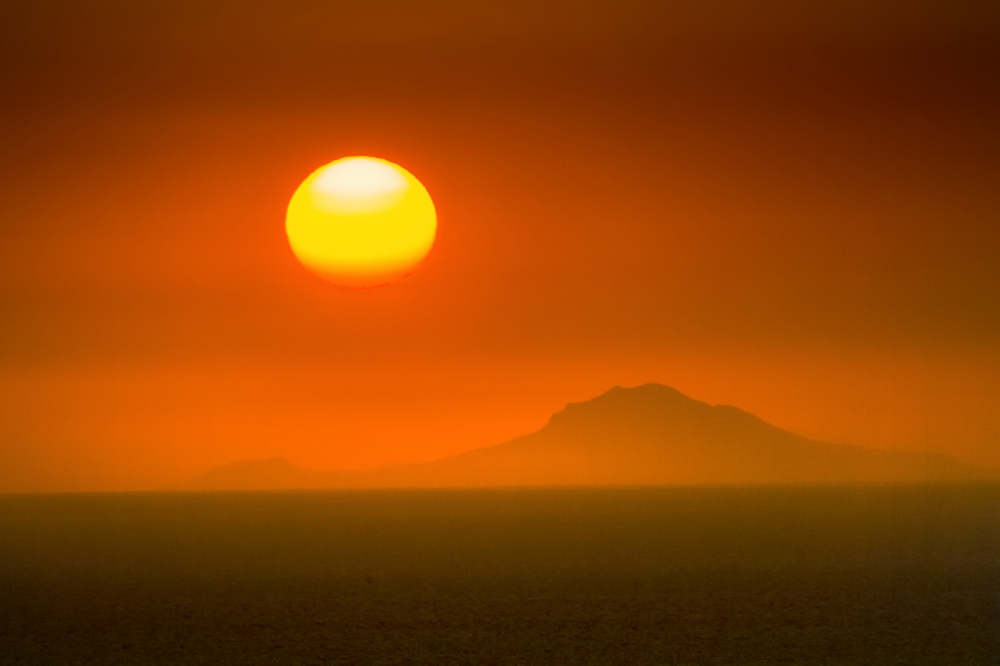
Naturally, a telephoto lens will compress the scene you’re photographing. A telephoto will also give the sun the appearance of being quite large. If that’s the look you’re going for, bring your telephoto lens along for the ride.
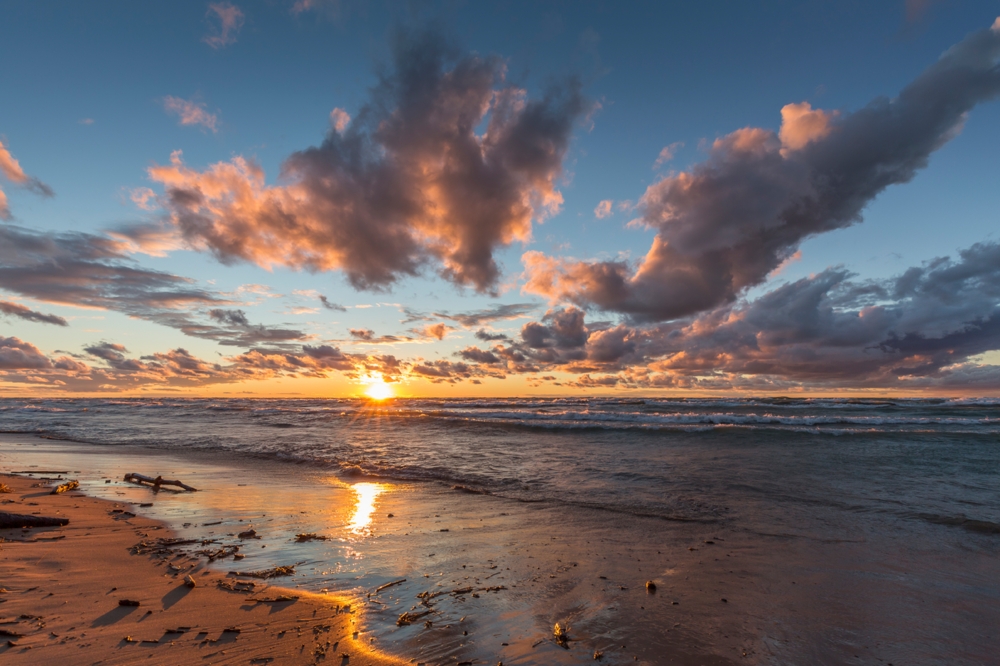
However, if you want a scene with more depth, use your wide-angle lens. Going with a wide-angle will also give the sun the appearance of being much smaller in the scene.
Leave Your Filters Behind
When snapping images of a sunset, you want the colors to be well saturated. Filters are an enemy of capturing that saturation. Polarizers, UV filters, ND filters – whatever you have, leave them at home! The extra piece of glass not only mutes the saturation, but it will also minimize contrast and contribute to a sunset photo that lacks the range of darks to lights that often make them so interesting.
Don’t Get Cloud Happy
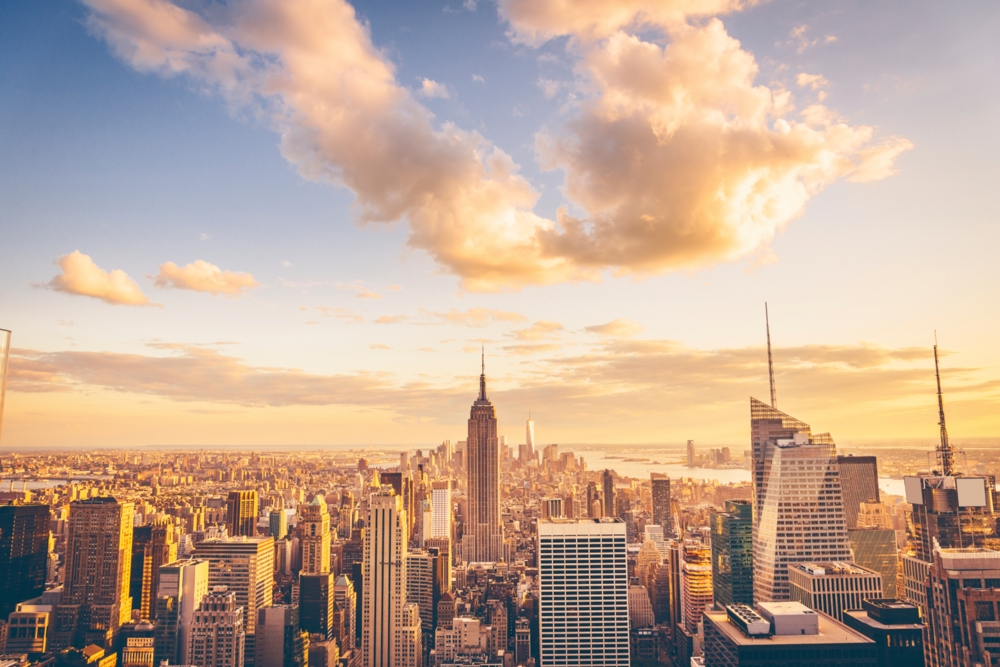
Yes, clouds make for a much more dynamic sunset, but remember that you’re there to capture the full sunset, not just the sky. Often the best composition for a sunset shot is with a horizon that encompasses the bottom third of the frame.
Part of including the horizon in a sunset shot is also including some sort of visual interest in the foreground. Whatever the object is – be that a pond, a pier, a building, or something else – it will provide some additional depth and interest. This is an especially good trick to use when the scene is otherwise flat or dull.
Practice and Participate!
Now that you have some insight into how to get the best sunset shots, go find yourself a sunset and snap away! Remember that slightly underexposing your image will boost the drama, while leaving your filters behind will ensure you get an image that is well saturated. Take a wide-angle and a telephoto lens with you and play around with the different perspective each lens gives to your sunset shots. Also keep an eye on that horizon line and ensure that you aren’t getting too high in the sky and focusing only on the clouds.
We want to see what incredible sunset shots you can take! Use the example photos we’ve included here as inspiration, or take your sunset shots in a totally different direction. It’s up to you! Once you’ve got your sunset shots, select the best one and upload it to the forum for this part of the challenge to share with your fellow Photography Talk users!