Day 6 Lesson: Photograph an Animal
Today’s challenge is for all the animal enthusiasts out there. You don’t have to live on the Plains of Africa or in a National Park to participate either! Head to the local park or even your backyard, and practice these essential wildlife photography tips. You’ll be surprised at how good the results can be.
Think About Framing
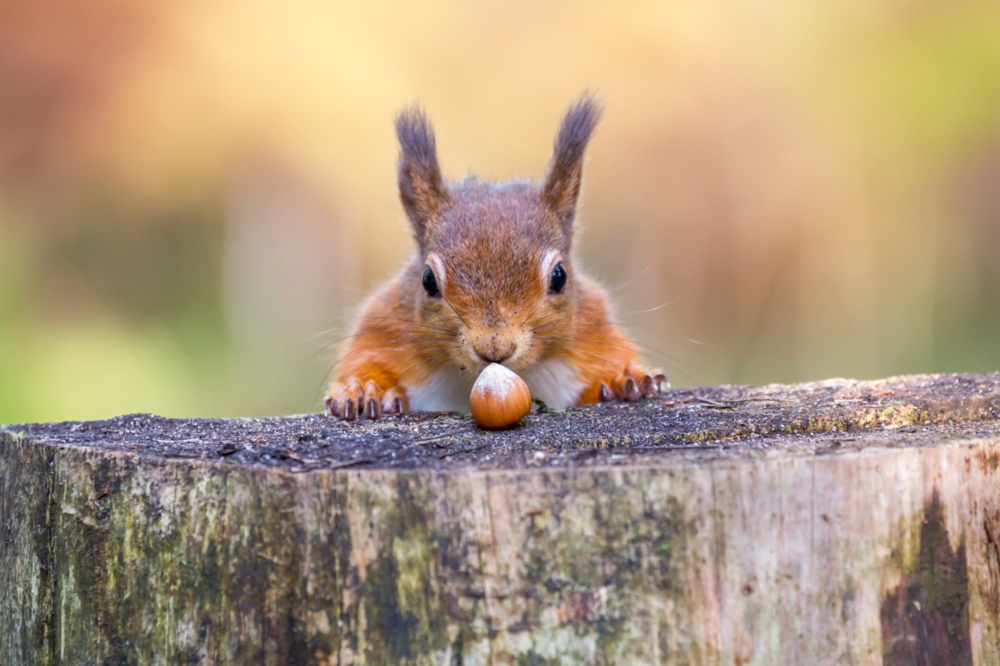
Whether you are physically close to an animal or you zoom in on it from afar with a telephoto lens, a closely framed portrait of an animal can really convey it’s unique personality, as seen in this image of a squirrel.
On the contrary, a wide-angle shot of an animal in its habitat can create a compelling story of how the animal behaves within its environment, as seen below.
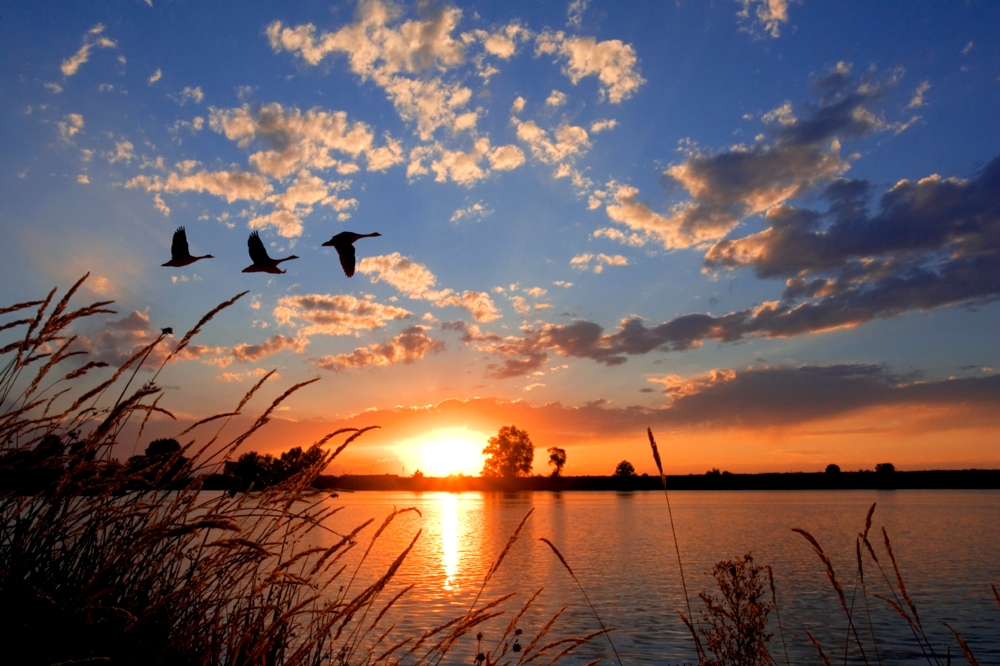
How you frame your animal subject will have a lot to do with your access to the animal. Your dog or cat will allow you to get up close and personal, but the squirrels in your neighborhood park may not. The key is to adjust your approach to the environment in which you will be shooting.
To Blur or Not to Blur?
Let’s face it, the animals you photograph aren’t always in front of the best backdrop. It might be ugly, chaotic, dark, or all of the above. In these situations, adjusting your camera settings to blur the background is a good choice.
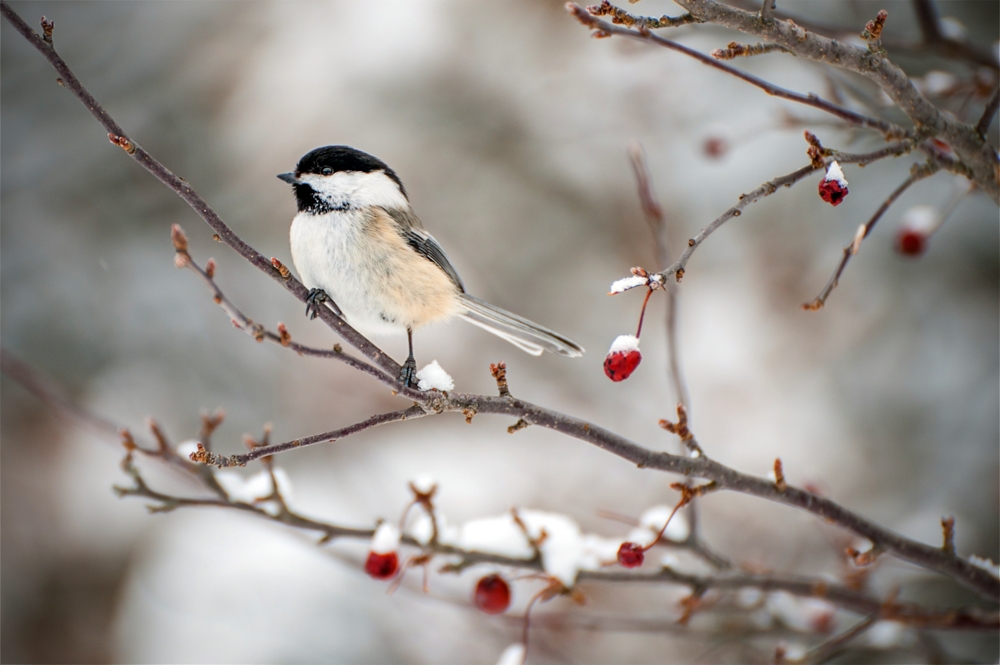
For the image above, the photographer used a large aperture to get a shallow depth of field. This results in an image in which the bird is in sharp focus, but the chaos in the background turns into blurry, bokeh goodness. An aperture of f/5.6 would be good for such an application.
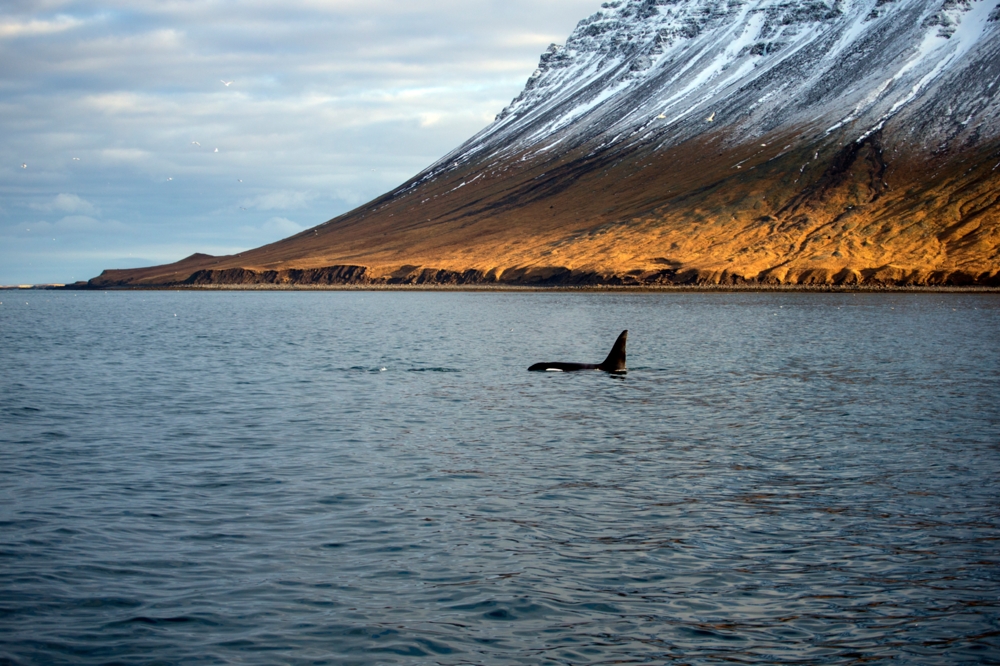
However, when you are able to photograph an animal in front of a dreamy backdrop, go for a small aperture to ensure you have a good depth of field that keeps everything in the frame in sharp focus, as is shown in the image above. An aperture of f/11 or above would do the trick in most situations.
Get Some Perspective
Not all animals should be photographed from your eye level. When envisioning your shots, think about what your subject would look like from varying perspectives – from its eye level, looking up at it, or looking down at it. Changing your eye level will bring an added element of interest to your animal images whether the image is of your cat, a bird in your backyard, or a wildebeest Kenya.
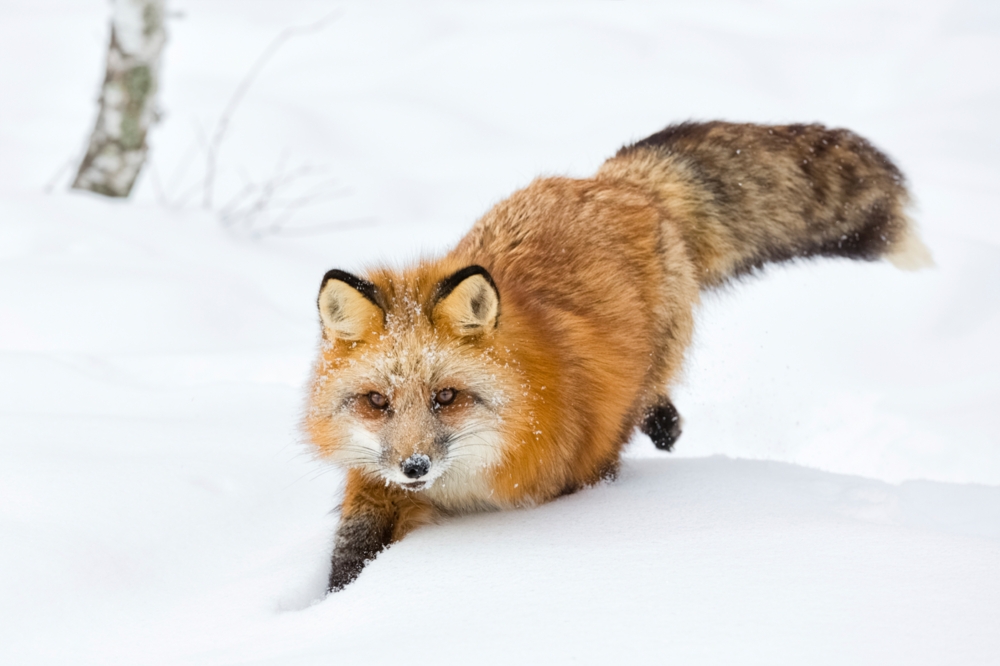
The above image of a red fox highlights the value of shooting an image from a downward plane – viewers get to see the detail of the fox’s face, while also getting a full view of its body and tail.
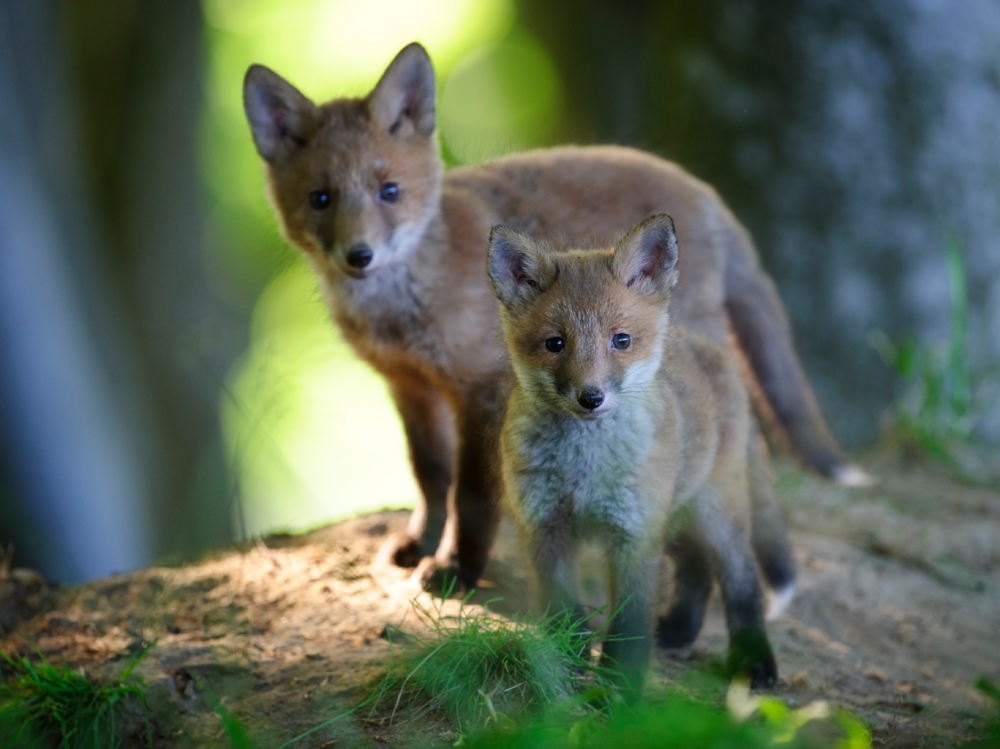
However, getting down to the eye level of your subject makes for a completely different image. With more of a head-on view, the photo above makes for a much more intimate scene than the previous photo. Using a small perspective – that is, shooting from down low – also gives the viewers insight into what the world looks like from the point of view of a small animal.
Practice and Participate!
To snap good images of animals, you don’t need a ton of expensive gear, or a lot of experience for that matter. What you need is a creative mind and the opportunity to practice!
This challenge requires you to simply think about how you will frame your shots depending on the animal you photograph. Examine the environment in which you’re shooting your images, and make a determination as to whether you should blur the background or include it in sharp focus. Get creative with how you snap your photos as well. Get up high, down low, and at the eye level of the animal you’re photographing to see how a change in perspective changes the look, feel, and emotion of your shot.
We’ve given you a few easy tips to remember and some interesting images to use as inspiration. Now it’s your turn to see what kind of images you can create with animal subjects. Be sure to add your best animal photo to the forum thread for today’s challenge and get in on the fun!