Day 7 Lesson: Photograph Reflections of People
Reflections come in all kinds of shapes and sizes. You can photograph a reflection of a landscape in water or the reflection of a person in a window. There are daytime reflections and nighttime reflections, and even macro reflections as well.
Today’s installment of our 30-Day Challenge is all about reflections of people.
The Fundamentals
To get the best reflection images, bear the following in mind:
- Use a relatively small aperture, perhaps f/11 or above. The greater depth of field achieved with a smaller aperture will allow both the subject and their reflection to be in focus.
- Think about how your perspective of the scene impacts the reflection. If you’re too low or too high in relation to your subject, the effect of the reflection might be diminished.
- Consider the lighting. If the lighting is too harsh, especially when you’re photographing shiny surfaces, all you will get is bounce back from your lighting source. Think about changing the placement or intensity of the lighting to avoid this. When using the sun as your light source, time your photo shoot for the golden hour to take advantage of the day’s best light.
With these basic notions under our belts, let’s explore a few specific tips for capturing reflections of people.
Posing Your Subject
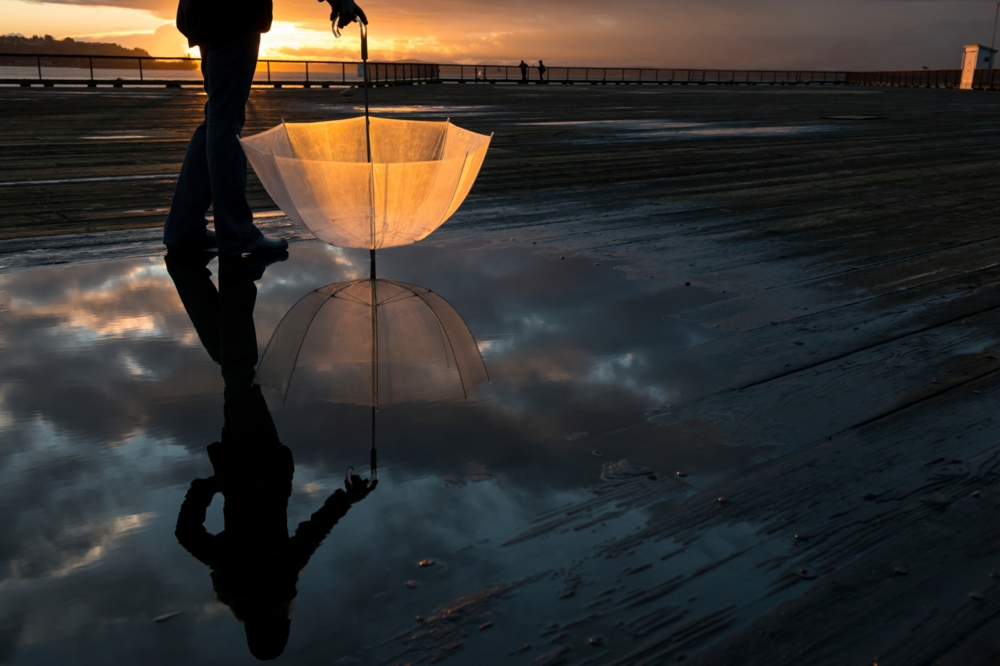
Photos of people in reflection images can take many forms. Your subject may be formally posed, as was done above, or you might capture a candid moment, as done in the image below.
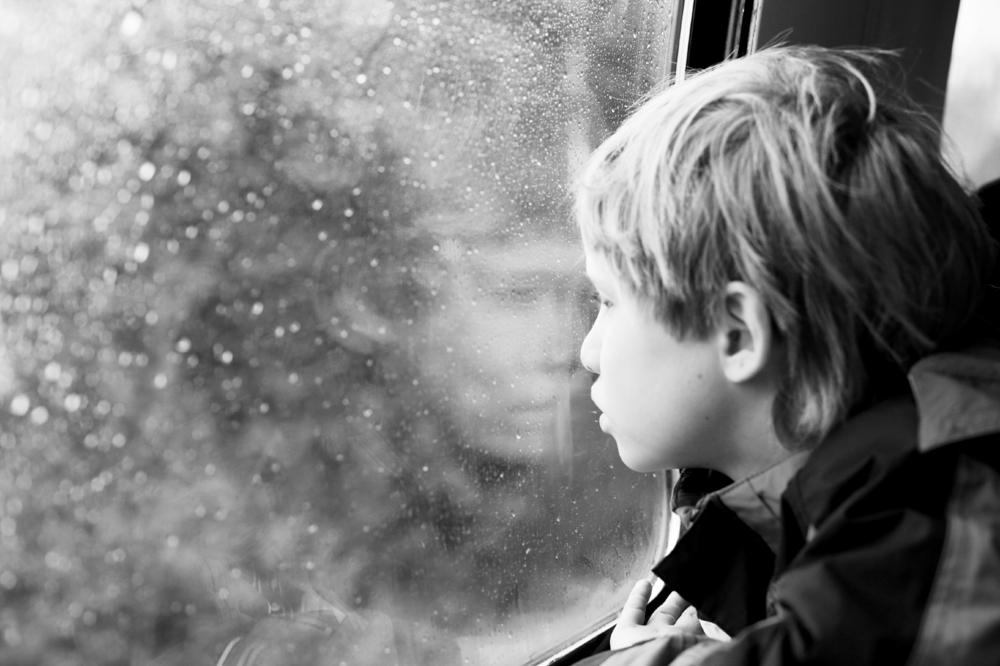
When thinking about posing, also consider the direction in which your subject is gazing. Are they looking away from the reflection, as in the first image above? Or are they looking through the reflection, like the boy in the second image above? You might even have your subject look at the camera through their reflection, as was done in the image below.
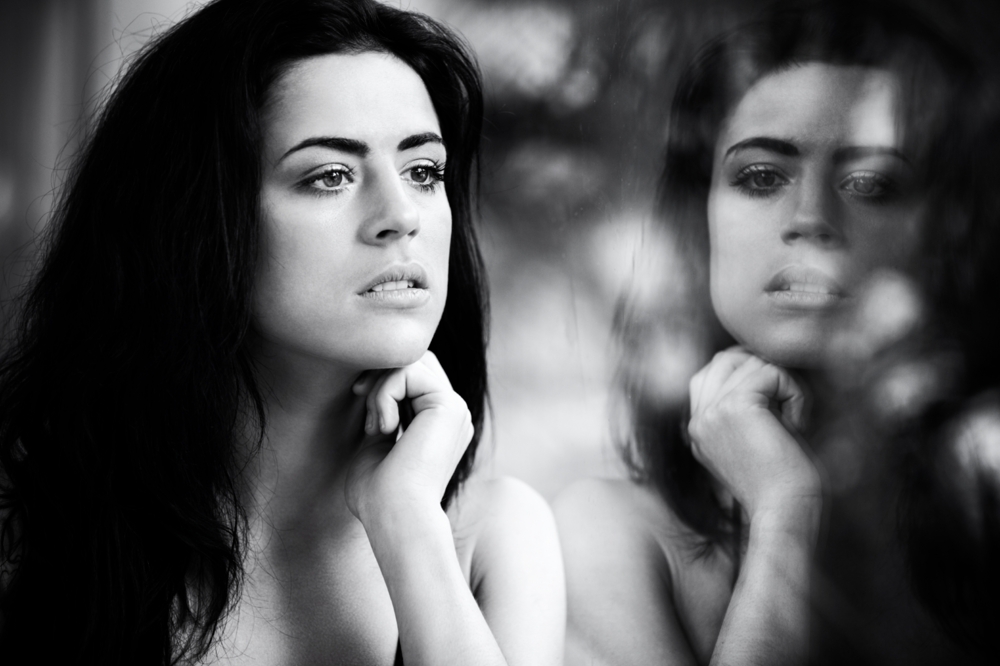
Note that how you pose your subject and the manner in which they gaze will give your photos a distinctly different feeling and emotion. The first image feels a little more formal, while the second image evokes a sense of thoughtfulness and being unaware. The final image above goes a totally different direction and has a feeling of sensuality and romance.
Play With Composition
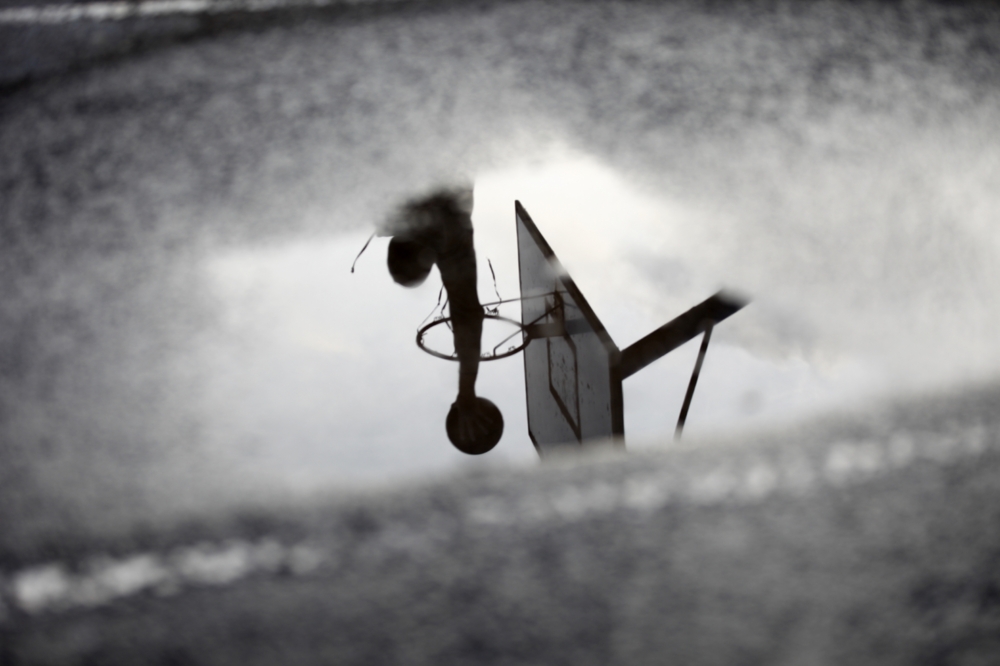
Reflections give you the opportunity to be a little more creative with your composition than you might normally be because of the ease with which you can play visual games. You can crop the image tightly, as seen above, and focus solely on the reflection. You can flip the reflection on its side, or even compose the image upside down. You can even play with depth of field to mask the fact that the image is a reflection and not the real subject.
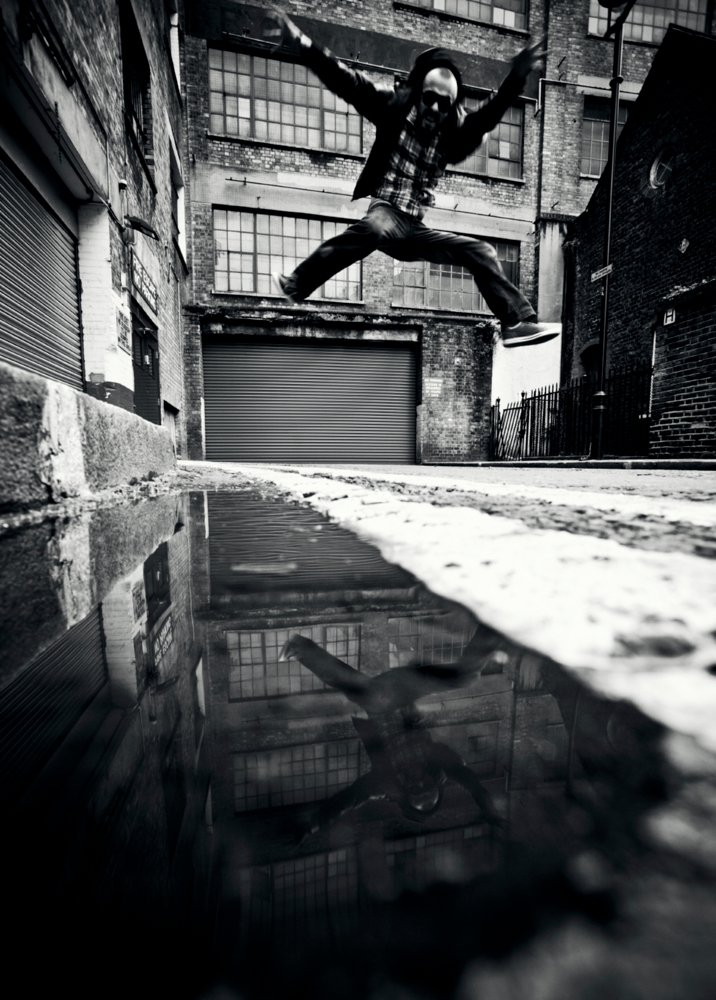
Another easy way to boost interest in your reflection shots is to minimize the presence of the reflection in the frame, as was done in the image above. Rather than taking center stage, the reflection in this image serves only as a small area of interest in the photograph.
Look for Reflections in Unusual Places
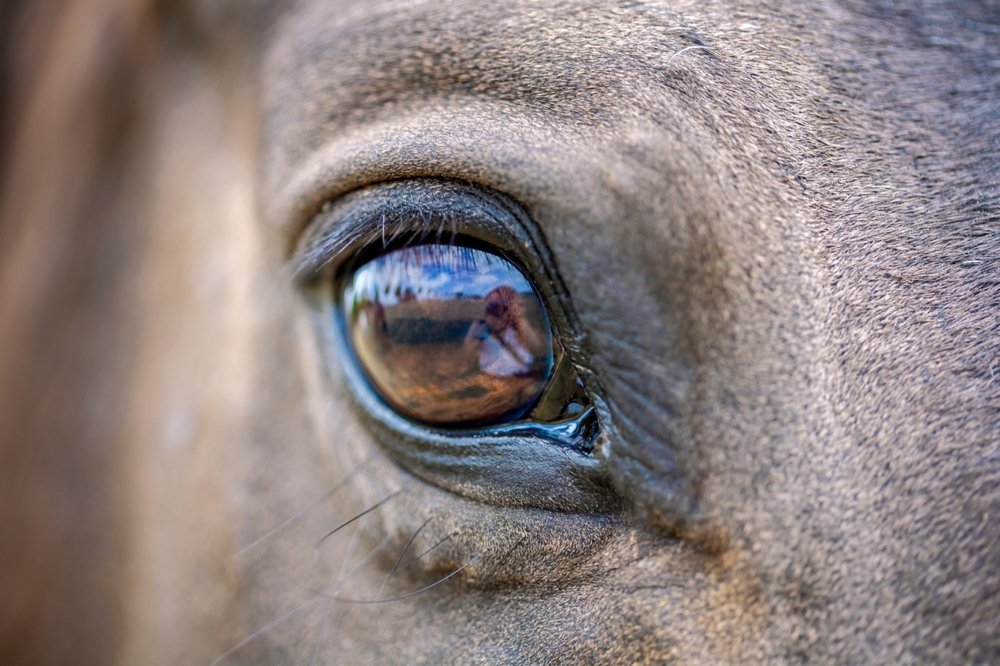
We all tend to think of reflection photos as involving a water source, but this doesn’t have to be the case. Mirrors, windows, or highly polished surfaces like marble can provide creative opportunities for capturing a reflection. Even an eyeball can be a great reflective surface! The key is to be aware of your surroundings and take note of surfaces that might have some reflective value.
Practice and Participate!
Today’s challenge is all about photographing reflections of people and doing so in a highly creative manner. Avoid the temptation to use water and see what unusual surfaces you can use to snap a reflection of someone. Also try different ways to crop your images and manipulate the available light source to see how a change in intensity or direction changes the appearance of the reflection.
Spend a little bit of time incorporating the tips outlined above and experimenting with posing and composition. Use the images we’ve included here as inspiration for what you can contribute to the forum thread on this topic, and show us just how creative you can be!