


Fuji cameras often earn their reputation slowly. The X-T5 is one of those cameras that feels better the longer you use it. In 2026, it faces newer bodies with faster sensors, smarter subject detection, and bigger marketing claims. But the FujiFilm X-T5 keeps winning people over by doing the basics with patience and clarity.
This is a camera built for hybrid shooters who want a small body without losing resolution or video depth. It still delivers a tactile shooting experience. The dials, the colors, the EVF, and the reliability feel intentional. If you want a camera that stays predictable under pressure, the FujiFilm X-T5 is still worth the conversation.
Let’s dive in and explore this camera in more detail!
Table of Contents
- Image Quality & Sensor Performance
- Autofocus & Subject Tracking
- IBIS & Real-World Stability
- Video Capabilities & Hybrid Power
- Film Simulation Modes
- Body Design, Controls & Usability
- Battery Life & Durability
- Performance & Speed for Action
- Buying Used: FujiFilm X-T5 & Why MPB Makes Sense in 2026
- What the FujiFilm X-T5 Still Does Well in 2026
- FAQ
Image Quality & Sensor Performance

The 40.2MP BSI APS-C X-Trans 5 HR sensor remains a central draw. In 2026, these files still show rich detail without feeling sharpened into submission. The native ISO range continues to produce clean images when exposure is correct.
Dynamic range feels most natural near base ISO. Highlights compress smoothly instead of clipping with harsh edges. Shadows lift cleanly, giving you room to adjust color and contrast without the image breaking apart.
Meanwhile, JPEG and HEIF options keep workflows fast. HEIF holds gentler gradients than JPEG, which helps with skies and night color scenes. The FujiFilm X-T5 still fits easily into mixed file workflows without friction.
Pixel Shift Multi-Shot remains specialized, but effective. The 20-frame capture builds a 160MP composite with sharp micro-texture. The catch is that movement between frames can soften the result.
In 2026, software combining feels more dependable than at launch. The workflow is quicker, and alignment errors are less common. Storage remains the real trade-off, as composite files are large.
Static scenes benefit most from Pixel Shift. Product photography, archiving, and landscapes show the biggest gains. Most hybrid shooters will skip this mode for anything that moves.
Furthermore, the X-Trans filter array still suppresses moiré better than Bayer sensors. Repeating architectural detail, fabrics, and distant foliage stay clean. Colors avoid shimmer, even in fine patterns. Skin tones remain a quiet strength, though. They require minimal correction when exposed well. Portrait work looks close to finished straight from camera.
Autofocus & Subject Tracking

The 425-point hybrid AF system has matured well through firmware updates. In 2026, tracking feels steadier than it did in earlier years. The camera locks faster and holds subjects more confidently in uneven motion.
Low-light sensitivity to −7EV still feels legitimate. It focuses in near darkness if the subject has even a faint edge. For night street work, the FujiFilm X-T5 rarely hunts as long as exposure is set well.
AI subject tracking has improved with updates as well. It now detects animals, athletes, birds, cars, and motorcycles with fewer false grabs. In crowded scenes, it still prefers the subject you select first.
Eye AF works reliably for still subjects. For walking or turning faces, it holds pupils with a high hit rate. It’s not jumpy or indecisive. For fast sports, stacked sensors can beat it. But for most moving subjects, it stays composed. The FujiFilm X-T5 focuses like a camera that doesn’t panic.
Buffer behavior impacts AF tracking depth. At 15 fps mechanical, the camera focuses between frames without strain. At 20 fps electronic, AF still works, but it narrows your timing window.
Autofocus accuracy remains high for mid-speed subjects. It prioritizes contrast and edge shape over guessing motion. This helps with consistency in low light. For birds, detection has improved but still favors slower tracking speeds. Fast birds in cluttered backgrounds can confuse it briefly. Lock improves if you use zone AF instead of wide tracking.
AF-C stays stable for unpredictable subjects. It doesn’t snap in and out of focus when a subject passes behind objects. This gives you smoother focus transitions. For night street photography, AF is dependable if you give it contrast. Neon signs, rim lights, and silhouettes track better than flat dark surfaces. FujiFilm X-T5 likes edges.
IBIS & Real-World Stability

Photo by Claudio Schwarz on Unsplash (license)
The 5-axis IBIS system still earns respect in 2026. The 7-stop rating feels realistic for handheld stills. With non-stabilized primes, it expands your usable shutter speed range without hesitation.
It pairs especially well with compact primes. Slower shutter speeds feel safer than on most APS-C bodies. This helps when light drops or when you want motion blur on purpose.
Video IBIS is also practical for handheld clips. It won’t replace a gimbal, but it keeps walking footage watchable. The camera avoids warping corners aggressively. Digital IS adds extra smoothing if you need it, too. It crops slightly, but reduces bounce in walking shots. This is most useful for casual handheld video.
IBIS holds up better than expected for a 40MP sensor. High resolution usually amplifies shake, but the system compensates calmly. You feel the benefit more than you see the math. It works with most X Series lenses. Even older glass feels more usable handheld. This keeps lens upgrades feeling optional, not mandatory.
For static night street shots, IBIS gives you breathing room. You can drag the shutter without losing crisp edges. It expands your handheld window by full stops. Meanwhile, for video pans, IBIS is steady but not robotic. It moves like a human hand, not a locked rail. That keeps footage feeling natural.
The system also helps when framing slowly. The EVF stays stable even before the shot. That reduces fatigue during long handheld sessions. Cold weather doesn’t reduce IBIS reliability, either. In freezing conditions, stabilization still responds instantly. FujiFilm X-T5 feels built for real hands.
Video Capabilities & Hybrid Power
As Benjah Lee discusses in the video above, the FujiFilm X-T5 remains a serious hybrid body in 2026. It records 6.2K 30p internally in 4:2:2 10-bit. The files grade cleanly and avoid the crunchy compression look of older 8-bit cameras.
4K HQ mode oversamples 6.2K to deliver sharper 4K. This avoids mushy fine detail when downscaling. The result is tighter lines and cleaner textures.
High resolution unlocks 2x digital zoom in 6.2K. This gives you more framing options without swapping lenses. The zoom feels optical enough for most uses.
F-Log2 still gives 13+ stops of dynamic range. It compresses highlights gently and keeps midtones clean. For color work, it holds its shape under pressure. F-Log is also available if you want simpler grading. F-Log2 gives more range, but F-Log is faster to finish. Both grade well in modern editors.
External RAW via HDMI is still a big perk. It outputs 12-bit ProRes RAW or Blackmagic RAW to supported devices. This expands your post workflow without internal recording limits. No recording limit keeps interviews and long clips safe. Heat management has stayed predictable after firmware updates. It records until your card fills or battery taps out.
Micro-HDMI is stable but requires cable care. A locking clamp helps if you move a lot. USB-C charging during recording keeps power flexible.
Slow motion is still limited to 1080p. But the 240 fps mode remains usable if the light is strong. For detail slow motion, newer bodies do better. But the FujiFilm X-T5 video suite still avoids overselling. It doesn’t promise cinematic miracles. It just records clean color with minimal drama.
Film Simulation Modes
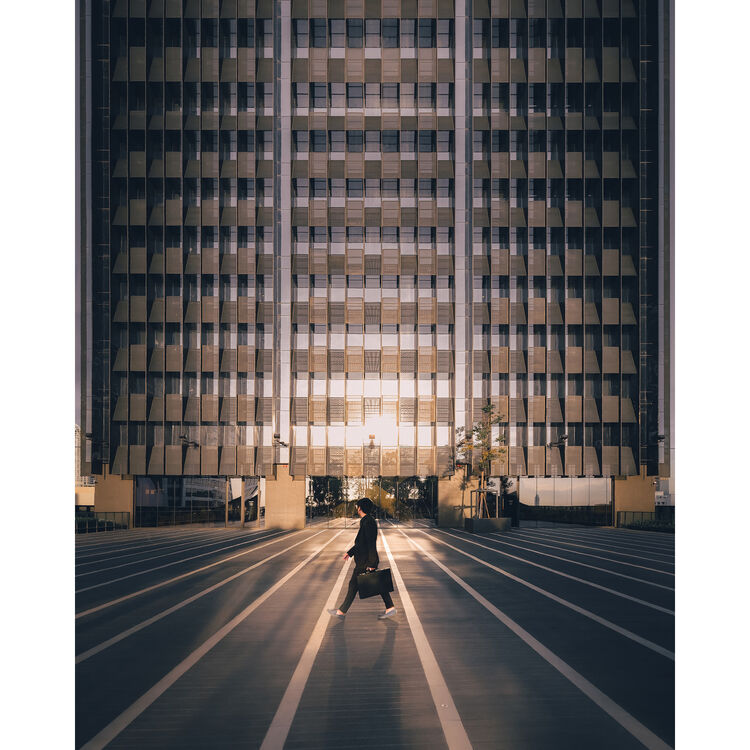
Film simulations remain a cultural perk, not a gimmick. The FujiFilm X-T5 includes Provia, Velvia, Astia, Classic Neg., Classic Chrome, Nostalgic Neg., Eterna, Acros, and more. They give creators finished color profiles without extra steps.
In 2026, film recipes are still popular for SOOC shooters. Custom JPEG looks travel fast across social feeds. That keeps editing optional for many projects.
- Provia remains the reliable default. Velvia still pushes saturation for landscapes. Classic Chrome holds muted tones without going flat.
- Classic Neg. and Nostalgic Neg. are still favorites for street color. They shift contrast and hues without looking forced. They hold reds and blues with restraint.
- Acros remains excellent for monochrome. The yellow, red, and green filter options still work well for shaping contrast. That avoids muddy midtones in B&W.
- Eterna Bleach Bypass keeps desaturated cinematic tones clean. It reduces color volume without turning footage lifeless. That helps moody editorial looks.
Portrait shooters love how simulations treat skin tones. They avoid over-pink or waxy smoothing. The result feels close to finished if the exposure is correct. Landscape shooters still appreciate Velvia and Astia. Velvia stays punchy without clipping color channels too early. Astia keeps gentler saturation for softer scenes. Hybrid shooters can set sims per mode. Stills can be punchy while video stays flat for grading. That flexibility remains useful in 2026.
FujiFilm X-T5 simulations still reward creators who want fast delivery. They don’t replace RAW editing. But they keep JPEG color culture alive.
Body Design, Controls & Usability
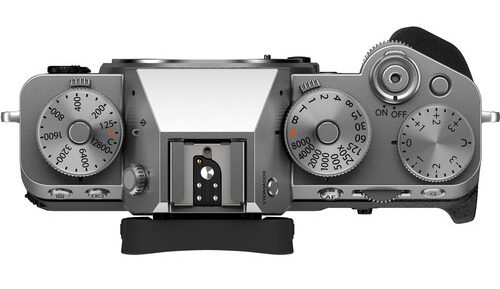
The magnesium-alloy body still feels solid without feeling dense. It’s lighter than the X-T4 and closer in size to the original X-T1. That keeps it portable for long shooting days.
Weather sealing across 56 points keeps dust and moisture out. It operates down to 14°F without complaint. In 2026, this still feels like a body built for unpredictable days.
Of course, the dial-based layout remains a Fuji identity point. ISO, shutter speed, and exposure compensation live on physical dials. That avoids menu surfing when conditions change.
The 3.69M-dot OLED EVF still gives 0.8x magnification. At 100 fps refresh, motion looks smooth without flicker. Lag is low enough to forget it exists. The 3.0″ 1.84M-dot LCD tilts for high and low angles. The tilt feels more useful than a fully articulating screen for quick street framing. Touch remains responsive for playback and AF point selection.
Port layout still feels photographer-first. Micro-HDMI sits beside USB-C for clean video routing. The 3.5mm mic port keeps audio easy for hybrid work. 2.5mm remote and PC sync ports remain helpful for flash and studio work. Dual SD UHS-II slots support up to 2TB cards. That keeps long projects safe.
Bluetooth 4.2 and Wi-Fi 5 still handle wireless transfer without chaos. Pairing stays simple through XApp. Tethering via USB-C works smoothly for studio capture.
Grip comfort remains balanced. It’s deep enough for stability, but not bulky. That helps travel shooters avoid shoulder fatigue. In other words, the FujiFilm X-T5 design still avoids trend chasing. It doesn’t mimic full-frame bodies. It just stays portable and dial-driven.
Battery Life & Durability

Photo by Denis Volkov on Unsplash (license)
The NP-W235 battery still hits roughly 580 shots per charge. In 2026, that rating feels close if power management is reasonable. You can shoot a full day without a second battery if you pace bursts.
USB-C charging supports in-camera top-ups. You can record while pulling power from a small PD battery. That helps long hybrid days stay uninterrupted.
The 500,000-actuation mechanical shutter remains a quiet durability flex. Most users will never reach it. But it signals long-term reliability.
Batteries last longer if you turn off boost mode. EVF refresh at 100 fps pulls more power than 60 fps. Switching when you don’t need it helps. Cold weather impacts battery chemistry, not camera logic. Keep spares warm in a pocket. The camera itself still boots instantly in freezing air.
Dual SD recording reduces anxiety on long shoots. You can mirror cards for safety. That keeps weddings, trips, and client days safer. Battery doors and card doors still feel solid. They seal tightly without wiggle. Buttons stay clicky even after years of use.
The camera doesn’t overheat easily in normal 4K modes. 6.2K can warm it, but doesn’t stop it. Heat throttling feels predictable, not alarming, either.
FujiFilm X-T5 batteries are easy to source used or new. That keeps long-term ownership affordable. Power flexibility remains a perk. So, the camera’s durability feels proven in 2026. It doesn’t feel fragile. It just keeps shooting!
Performance & Speed for Action

Photo by Denis Volkov on Unsplash (license)
Shutter speed hits 1/180,000 sec electronic and 1/8000 mechanical. In 2026, those speeds still freeze motion cleanly in strong light. The 35ms lag keeps the shutter feeling instant.
Mechanical burst hits 15 fps for up to 19 RAW frames. Electronic burst hits 20 fps with a deeper JPEG buffer. Either way, timing windows stay tight for action.
Stacked sensors read faster than this camera. But the FujiFilm X-T5 doesn’t crumble for mid-speed action. For most motion, it stays composed. The RAW buffer is smaller than the JPEG buffer. That means burst discipline still matters. Short bursts keep your hit rate high and storage lean.
Mechanical shutter keeps distortion low for fast pans. The electronic shutter can show mild skew if you pan too quickly. It’s manageable if you know it’s coming.
Autofocus keeps up better at 15 fps than 20 fps. Higher burst speeds shorten AF windows. Choose burst speed based on subject, not specs.
SD card cost is part of the 40MP conversation. Bigger files demand bigger cards. In 2026, 256GB and 512GB cards are still the sweet spot for many.
FujiFilm X-T5 speed still works for hybrid creators who value timing. It doesn’t oversell. It just shoots fast without fuss. For casual action, it’s more than enough. For extreme speed, stacked bodies win. That’s the real trade.
Buying Used: FujiFilm X-T5 & Why MPB Makes Sense in 2026

Buying used makes even more sense in 2026. Firmware has matured. Prices have softened. Reliability has been proven by thousands of working cameras. The FujiFilm X-T5 holds features that still feel modern. That slows its urgency to buy new. Used pricing now delivers stronger value per dollar.
MPB remains one of the safest places to buy used gear. Their grading system sets clear expectations for wear. Their warranty adds peace of mind that most classifieds can’t match.
MPB stocks a steady rotation of Fujifilm bodies and lenses. Selection is broad. Ratings are transparent. Returns are structured, not awkward. Sustainability is also part of the appeal. Gear cycling keeps cameras in the field longer. That matters more now than at launch.
Check shutter count before buying used. Look for dial stiffness, EVF clarity, and sensor condition. MPB lists these details clearly. Pairing used lenses with a used body keeps kits affordable. Compact primes and stabilized zooms show up often. That keeps upgrades flexible.
Buying used doesn’t reduce creative options. It expands them by reducing cost stress. The FujiFilm X-T5 used route still feels smart. MPB packaging and ratings reduce guesswork. You know what you’re getting. That’s the difference. It feels safer.
The FujiFilm X-T5 used path is a strong 2026 strategy. It keeps value high. It keeps stress low. It keeps the camera in your bag longer.
What the FujiFilm X-T5 Still Does Well in 2026
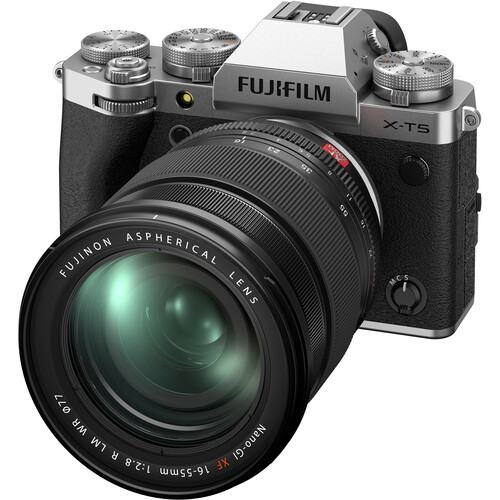
In 2026, the FujiFilm X-T5 still rewards people who want predictability. The files are dense, clean, and flexible. The colors feel intentional, not exaggerated. The dials keep shooting fast. The IBIS keeps shots stable. The EVF stays smooth. The camera avoids drama when conditions shift.
It’s not stacked-sensor fast. But it doesn’t feel slow for most real work. For hybrid creators, it still fits the brief. Rolling shutter exists but stays manageable. Buffer limits require discipline, but don’t cripple you. Battery life feels realistic if managed well.
The camera still likes edges for AF. It likes good light for slow motion. It likes locked-down scenes for Pixel Shift. That personality remains consistent.
For travel, street, portraits, and editorial color, it still feels right-sized. It doesn’t demand a gimbal to work handheld. It doesn’t demand new glass to stay useful.
The FujiFilm X-T5 remains a camera you can trust in a small bag. It still avoids trend mimicry. It still feels photographer-first. For upgrades, storage matters more than speed for most. SD cards are the real investment. The camera body itself still feels long-term. It’s a camera that stays honest. It doesn’t try to shock you. It just shoots clean, grades clean, and travels light.
In 2026, the FujiFilm X-T5 still earns its keep. It doesn’t try to be perfect. It just stays reliable and real.
FAQ
Is the FujiFilm X-T5 good for low light?
Yes. AF works to −7EV if you give it contrast. Noise is controlled at native ISO when exposed correctly. It handles night street work well.
Should I use Pixel Shift for moving subjects?
No. Pixel Shift needs static scenes. Movement between frames softens results. Use single-frame 40MP for anything that moves.
What SD cards are best for 6.2K and 4K HQ?
V90 UHS-II cards are recommended for high bitrate modes. 256GB and 512GB sizes balance cost and recording time. Dual cards help safety.
Does it overheat?
Not easily in 4K. 6.2K can warm it, but rarely stops it. Heat behavior feels predictable and manageable.
Is it worth upgrading from the X-T4 in 2026?
Yes, if you want higher resolution, stronger tracking, and better IBIS. X-T4 remains good, but 40MP files add flexibility. IBIS improves keeper rates.
Is MPB a safe place to buy a used FujiFilm X-T5?
Yes. MPB grades wear clearly and includes a warranty. Selection is broad and ratings are transparent. It reduces guesswork.
Does it need stabilized lenses?
No. IBIS works with most X lenses, including non-stabilized primes. Stabilized zooms help video but are optional for stills.
Is the FujiFilm X-T5 good for hybrid shooters in 2026?
Yes. Internal 6.2K 10-bit 4:2:2, F-Log2, HDMI RAW, and dial UX keep it useful. It balances stills and video without feeling bulky.
Just so you know, some of the cool stuff we mention comes with affiliate links, meaning we earn a commission if you buy (no extra charge to you!). Plus, we occasionally feature sponsored content, but rest assured, we only shout out products we genuinely stand behind.

