


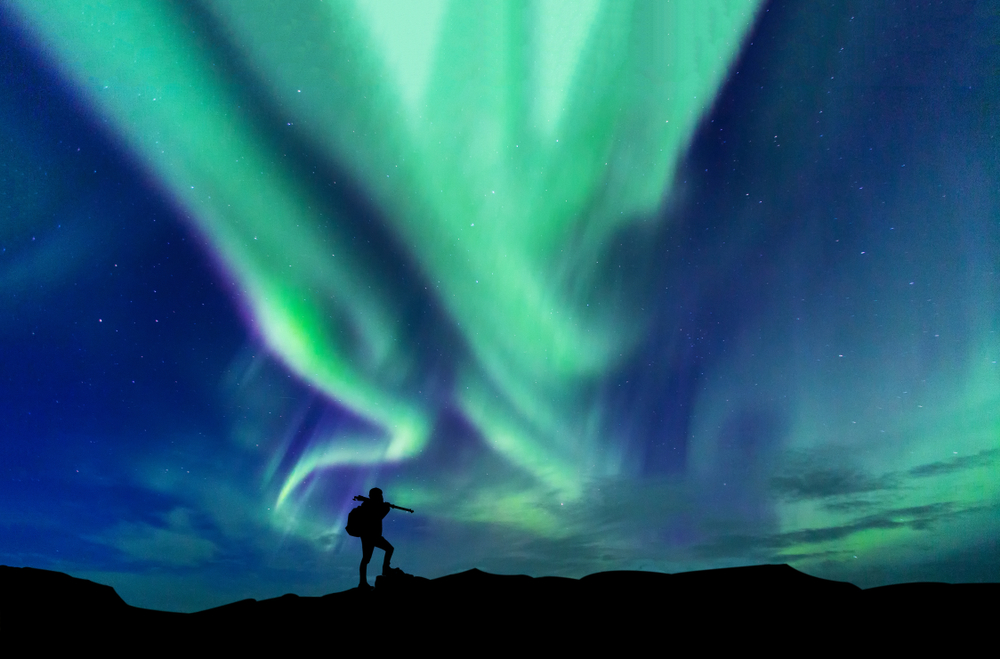
Winter photography is rarely as simple as snow falling gently on a calm day. More often, winter brings unpredictable conditions that change by the hour. Snow turns into sleet, sleet turns into rain, and temperatures fluctuate enough to create condensation in places you cannot see. These are the moments when photographers are most likely to damage their gear, often without realizing it until much later.
Many photographers assume that winter damage only happens during extreme storms. In reality, the biggest threats often come from mixed conditions: wet snow sticking to your camera body, melting ice dripping into buttons, or a quick move from freezing air into a warm vehicle. Knowing how to protect your camera during these transitions can make the difference between confidently shooting all day and cutting a session short.
This guide focuses on practical, field-tested strategies to protect your camera in variable winter conditions. Rather than relying on theory, it looks at how photographers actually work outdoors and how tools like Camera Canopy fit into a realistic winter shooting setup.
Table of Contents
- Why Variable Winter Conditions Are Especially Hard on Cameras
- Common Ways Cameras Get Damaged in Winter
- Planning Ahead for Changing Winter Weather
- Layered Protection: A Smarter Approach to Winter Camera Safety
- Using Camera Canopy in Snow, Rain, and Mixed Conditions
- How Camera Canopy Protects Without Limiting Control
- Shooting Comfort and Efficiency in Cold, Wet Environments
- Integrating Camera Canopy Into a Winter Photography Kit
- Care and Maintenance After Shooting in Variable Winter Conditions
- Is Camera Canopy Worth It for Winter Photography?
- FAQ
Why Variable Winter Conditions Are Especially Hard on Cameras
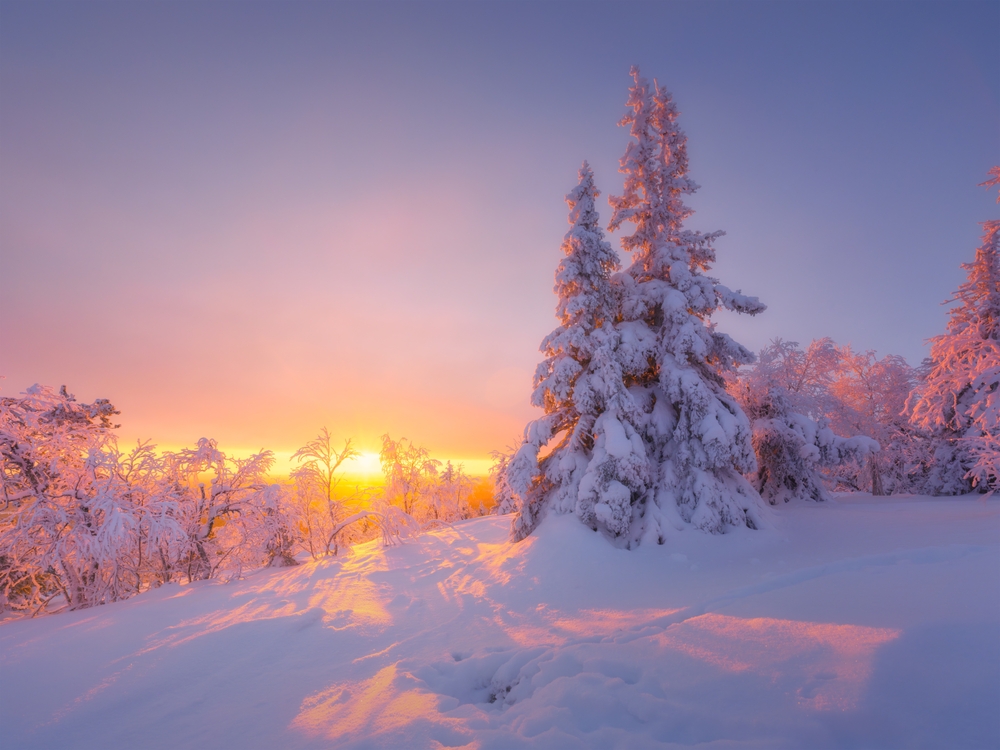
Photo by biletskiyevgeniy.com via Shutterstock
Variable winter conditions combine multiple risks into a single shoot. Snow alone can be manageable, but when it melts on contact with your camera body, moisture becomes the primary concern. This constant cycle of freezing and thawing creates ideal conditions for water to seep into seams, buttons, and lens mounts.
Temperature swings also increase the likelihood of condensation forming inside your camera. Moving from cold outdoor air into a warm environment causes moisture in the air to condense on and inside your gear. Over time, this can lead to corrosion, fogged sensors, and electrical issues.
To protect your camera in these conditions, you need to account for more than just precipitation. Wind, humidity, and temperature changes all play a role, making winter photography a discipline that rewards preparation and awareness.
Common Ways Cameras Get Damaged in Winter
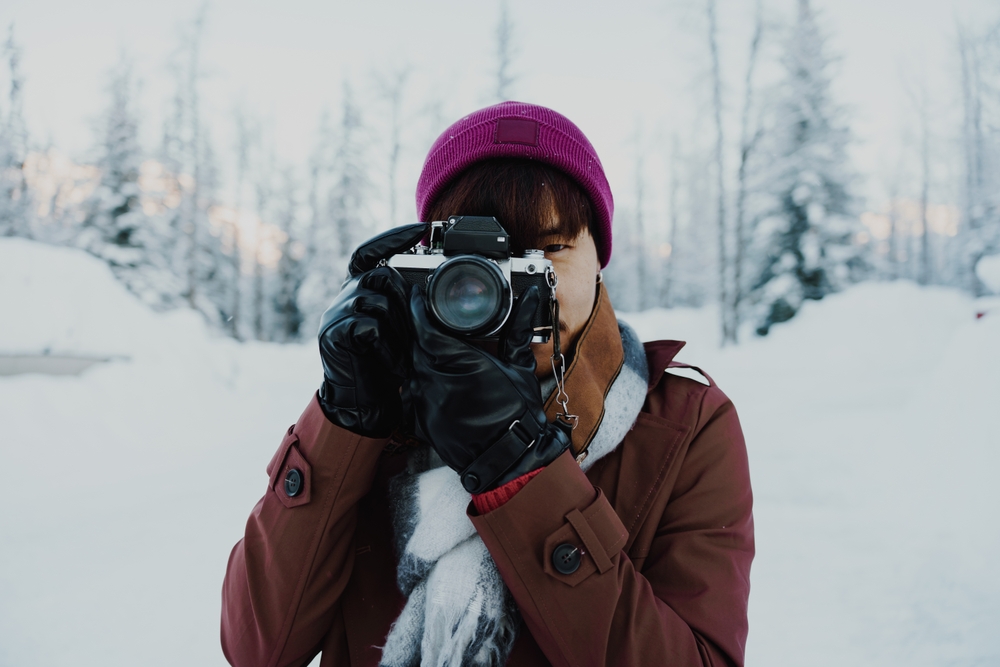
Photo by Nukul Chanada via Shutterstock
One of the most common issues is moisture intrusion. Snow melting on a warm camera body often runs toward dials and seams, where it can linger unnoticed. Even weather-sealed cameras are not immune, especially after repeated exposure.
Lens changes are another weak point. Swapping lenses in falling snow or freezing rain exposes the sensor and lens mount to moisture. Even brief exposure can introduce water that later condenses internally.
Long-term damage is often subtle. Cameras may continue working normally while corrosion slowly develops. Taking steps to protect your camera early helps prevent issues that might not appear until months later.
Planning Ahead for Changing Winter Weather
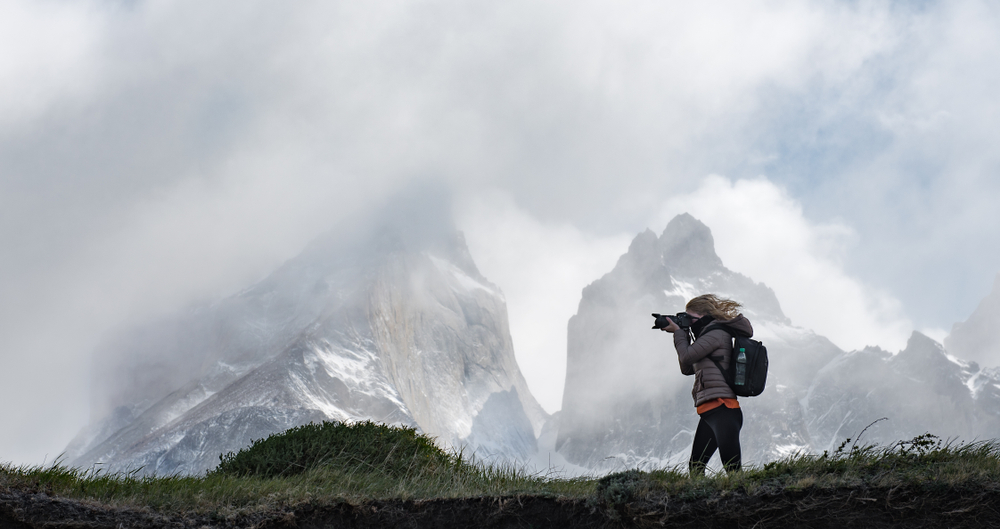
Photo by Nick Photoworld via Shutterstock
Effective winter protection starts before you leave home. Checking forecasts beyond temperature is essential. Pay attention to wind speed, precipitation type, and expected temperature changes throughout the day.
Planning also means selecting gear based on conditions rather than convenience. If snow is expected to turn into rain, lightweight rain sleeves may not be enough. Choosing protective tools that handle mixed conditions gives you more flexibility in the field.
To protect your camera consistently, plan for the worst conditions you might encounter rather than the best-case scenario. This mindset reduces the need to improvise when weather shifts unexpectedly.
Layered Protection: A Smarter Approach to Winter Camera Safety
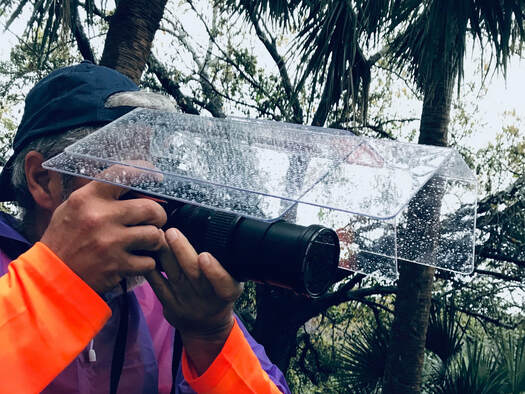
Layered protection is one of the most effective ways to protect your camera in winter. Rather than relying on a single solution, multiple layers address different risks. A weather-resistant camera body is only the first layer.
External protection adds another level of security. Traditional rain covers can help, but they often restrict access to controls or make handheld shooting awkward. This is where purpose-built tools can improve both safety and usability.
Camera Canopy fits naturally into a layered approach by shielding the camera and lens from above while leaving controls accessible. It reduces direct exposure to snow and rain without requiring constant adjustments.
Using Camera Canopy in Snow, Rain, and Mixed Conditions
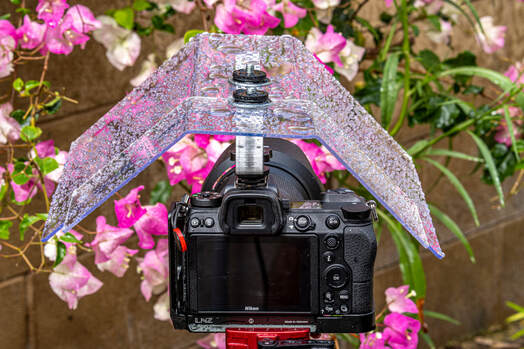
Camera Canopy mounts directly to the camera’s hot shoe and extends over the lens, creating a physical barrier against falling precipitation. This design is especially useful in snowstorms or freezing rain, where moisture falls from above rather than splashing from below.
One advantage of Camera Canopy is adaptability. The adjustable shield accommodates different lens lengths, allowing photographers to protect your camera whether using a standard lens or a longer telephoto.
In mixed conditions where snow turns to rain, Camera Canopy provides consistent protection without requiring you to stop shooting. This reliability helps photographers stay focused on timing and composition.
How Camera Canopy Protects Without Limiting Control
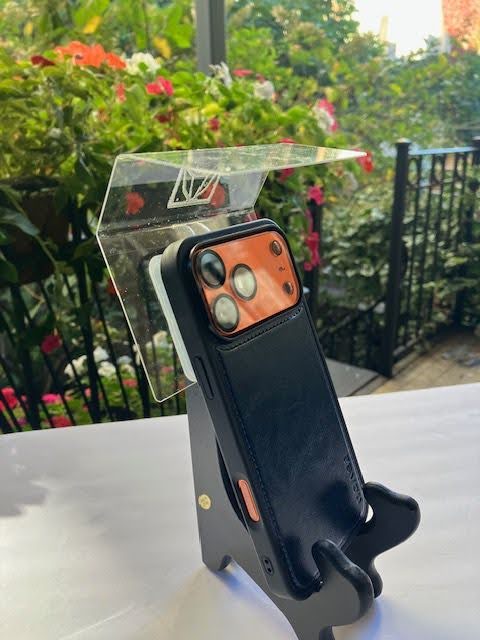
A common complaint with rain covers is the loss of visibility and tactile feedback. Camera Canopy uses a clear shield that keeps camera settings visible at all times. This makes it easier to adjust exposure or focus quickly.
Hands-free operation is another benefit. Without plastic sleeves clinging to your hands, you maintain natural movement and grip. This is particularly important in cold conditions where dexterity is already reduced.
To protect your camera effectively, you should never feel like protection is getting in the way of shooting. Camera Canopy balances coverage with usability in a way many other solutions do not.
Shooting Comfort and Efficiency in Cold, Wet Environments
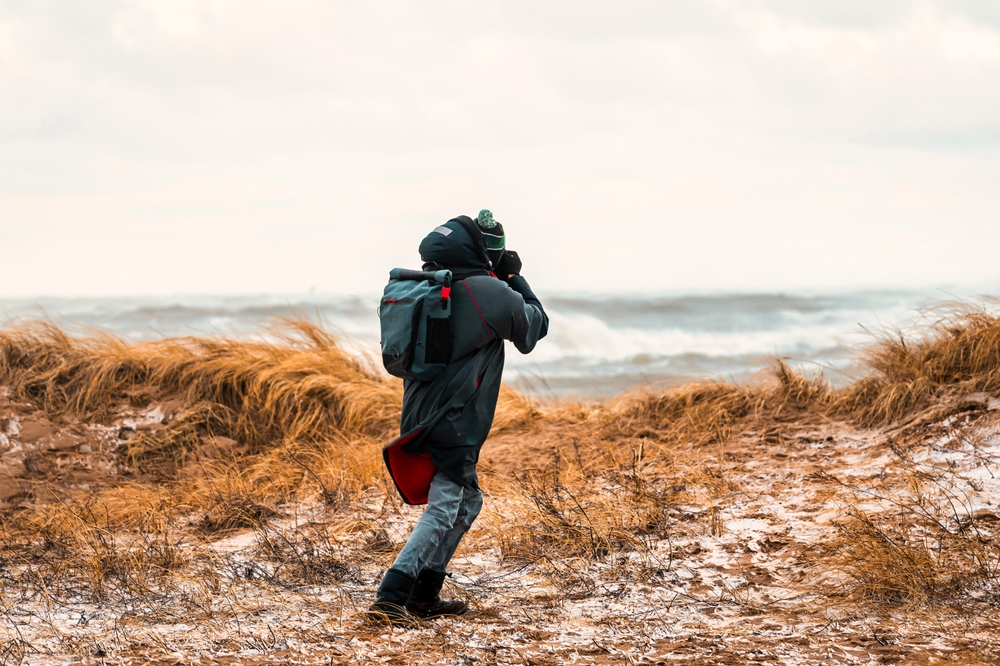
Photo by True Pixel Art via Shutterstock
Comfort directly affects performance. When photographers are cold or struggling with gear, they rush decisions or stop shooting altogether. Protective solutions that allow fluid movement help maintain focus.
By keeping your camera dry without restricting access, Camera Canopy reduces mental load. You spend less time worrying about gear and more time evaluating light, composition, and timing.
In my own winter shoots, the ability to protect your camera while staying mobile has often meant the difference between capturing a fleeting moment and missing it entirely.
Integrating Camera Canopy Into a Winter Photography Kit
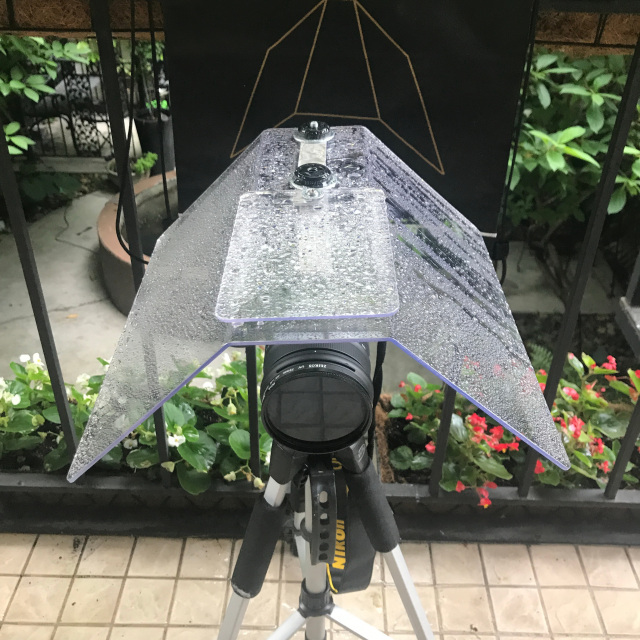
A well-rounded winter kit includes more than just a camera and lens. Gloves, microfiber cloths, and dry storage all play important roles. Camera Canopy complements these items rather than replacing them.
Compared to traditional rain covers, Camera Canopy is faster to deploy and easier to pack. This makes it ideal for photographers who hike, travel, or shoot wildlife in unpredictable weather.
If your goal is to protect your camera without overloading your bag, Camera Canopy offers a practical balance of coverage and portability.
Care and Maintenance After Shooting in Variable Winter Conditions
Photo by Happy Films via Shutterstock
Protection does not end when the shoot is over. Allowing your camera to acclimate gradually when moving indoors helps prevent condensation. Keeping gear in a sealed bag during warm-up can be effective.
Drying Camera Canopy and your camera thoroughly before storage is essential. Even small amounts of moisture can cause problems if trapped for extended periods.
Regular inspection and cleaning extend the life of your equipment and ensure that efforts to protect your camera continue paying off over time.
Is Camera Canopy Worth It for Winter Photography?
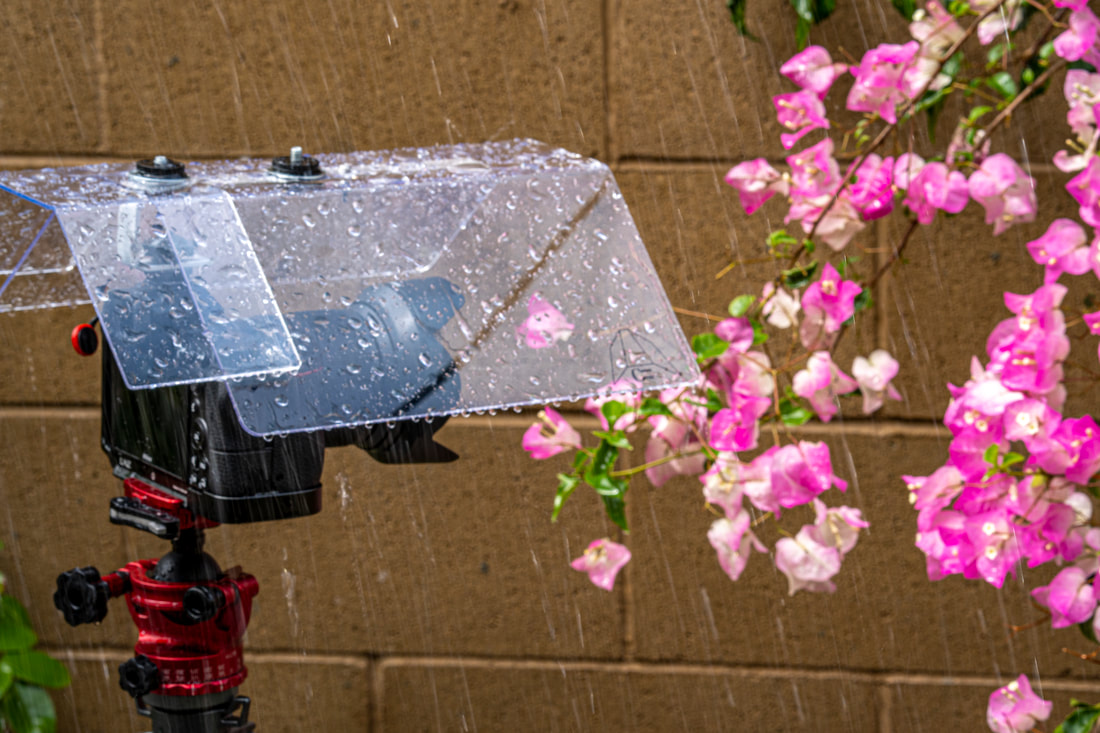
Camera Canopy is especially useful for photographers who regularly shoot in snow, rain, or mixed winter conditions. It provides protection without compromising speed or control.
While no solution is perfect for every scenario, Camera Canopy fills a gap between bulky rain covers and no protection at all. For many winter shooters, that balance is exactly what they need.
If your photography depends on being outdoors regardless of weather, tools that help protect your camera while keeping you shooting are often worth the investment.
FAQ
Does Camera Canopy work in heavy snow and freezing rain?
Yes, it is designed to shield the camera and lens from falling precipitation, making it effective in snow and freezing rain.
Can Camera Canopy be used with large lenses or tripods?
It accommodates a range of lenses, and additional shields are available for longer lenses. It also works well for tripod shooting.
Will Camera Canopy interfere with camera controls?
No, the clear design keeps controls visible and accessible at all times.
Is Camera Canopy better than traditional rain covers?
It offers easier access to controls and hands-free shooting, which many photographers prefer in winter conditions.
How durable is Camera Canopy in cold temperatures?
It is designed for outdoor use and performs reliably in cold, wet environments when properly maintained.
A quick heads-up: If you snag something through our affiliate links or check out our sponsored content, we might earn a commission at no extra cost to you. But fear not, we’re all about recommending stuff we’re truly stoked about!
Learn More:
- How to Protect Your Phone Camera in Every Shooting Environment
- Beginner’s Guide to Shooting Landscapes in Winter Weather
Hero photo by basiczto via Shutterstock

