

Mobile travel photography has changed the way many of us document our adventures. Instead of hauling a heavy camera bag through airports, city streets, and mountain trails, we now rely on the smartphone already in our pocket. It’s fast, intuitive, and always ready when a moment unfolds. The challenge, of course, is that travel rarely happens in perfect conditions.
Rainstorms roll in without warning. Ocean spray finds its way onto your phone during coastal walks. Snow, dust, and humidity all pose real risks to a device that isn’t designed to live outdoors for long stretches of time. For anyone serious about mobile travel photography, protecting your phone without slowing yourself down becomes just as important as composition and light.
This is where compact solutions like the Camera Canopy for Mobile make a real difference. Designed specifically for phones, it offers practical weather protection while keeping your setup lightweight and travel-friendly. In this article, we’ll look at how mobile travel photography benefits from thoughtful protection, how to build a streamlined kit, and why the Camera Canopy for Mobile fits naturally into a photographer’s travel workflow.
Table of Contents
Why Mobile Travel Photography Continues to Grow
Photo by Elena_Alex_Ferns via Shutterstock
Mobile travel photography has become more than a convenience; for many travelers, it’s the primary way they tell visual stories. Smartphone cameras now offer impressive dynamic range, computational night modes, and video features that rival dedicated cameras from just a few years ago. That capability makes it easier to focus on the experience rather than the gear.
Another reason mobile travel photography continues to grow is flexibility. Phones are allowed almost everywhere, require no setup time, and blend into environments where a large camera might feel intrusive. In busy markets, crowded streets, or cultural sites, a phone lets you work quickly and respectfully.
From a practical standpoint, traveling light reduces fatigue and friction. When your entire photography setup fits in your pocket or a small sling, you’re more likely to keep shooting throughout the day. The key is making sure that convenience doesn’t come at the expense of protection.
Common Challenges for Mobile Travel Photography
Photo by Javier Gogna via Shutterstock
Travel introduces variables that home shooting rarely does. Weather changes quickly, and you often don’t have the option to wait it out. Rain, snow, wind, and dust are common companions when you’re exploring new places.
Another challenge is pace. Travel photography often happens between trains, tours, meals, and hikes. You may only have seconds to capture a scene before moving on. Fumbling with bulky rain covers or packing your phone away every time conditions change can cost you those moments.
Finally, there’s the issue of long days. Extended use means more exposure to moisture from sweat, condensation when moving between temperatures, and accidental drops. Mobile travel photography demands gear that can handle repeated, real-world use without adding complexity.
Why Protection Matters When You Travel with a Phone
Photo by Gigi Delgado via Shutterstock
Smartphones are resilient, but they’re not invincible. Even water-resistant models can fail when exposed to sustained rain or salt spray. Buttons, ports, microphones, and lenses are all vulnerable points.
For mobile travel photography, protection isn’t about babying your device. It’s about confidence. When you know your phone is shielded, you’re more likely to keep shooting in marginal conditions instead of retreating indoors.
Protection also helps maintain image quality. Raindrops on lenses, fogged glass, and water on screens make composition difficult. A simple canopy-style cover can dramatically improve usability while traveling.
Camera Canopy for Mobile: Designed for Travel
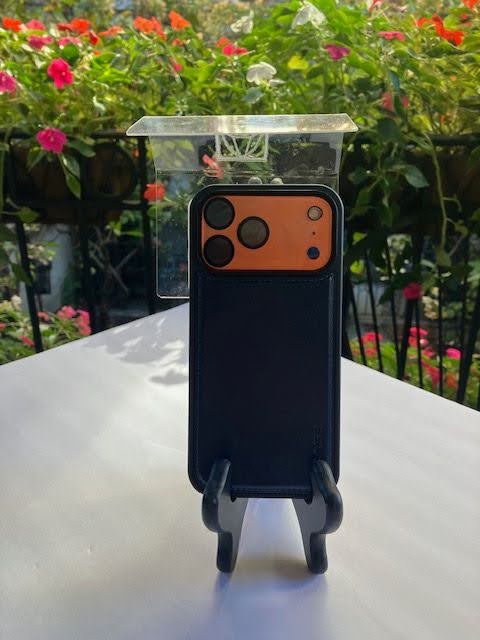
The Camera Canopy for Mobile is built with the realities of mobile travel photography in mind. Unlike generic waterproof bags or bulky housings, it’s designed to be used while shooting, not just for storage.
Its compact size makes it easy to carry in a pocket or small pouch. When conditions change, it can be deployed quickly without disrupting your shooting rhythm. This matters when you’re navigating busy streets or unpredictable weather.
Another advantage is accessibility. The Camera Canopy for Mobile allows you to maintain control of your screen and camera functions, which is critical for framing, exposure adjustments, and video recording on the move.
Using the Camera Canopy for Mobile on the Go
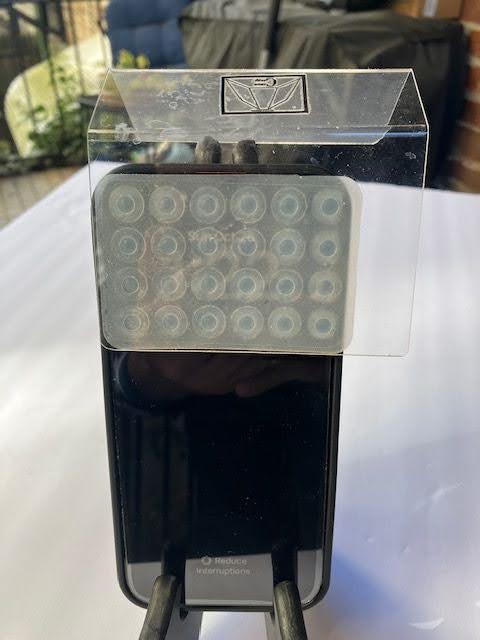
One of the strengths of the Camera Canopy for Mobile is how naturally it integrates into a travel workflow. You don’t need to stop, unpack, or reconfigure your setup. That simplicity aligns perfectly with mobile travel photography.
In light rain or snow, the canopy helps keep water off the lens and screen while still allowing touch input. This makes it easier to fine-tune compositions instead of relying on guesswork.
From personal experience, having a dedicated mobile canopy reduces hesitation. When the weather turns, you can keep your phone out instead of putting it away, which often leads to more authentic travel images.
Real-World Travel Scenarios Where It Shines
Photo by Vitalii Bashkatov via Shutterstock
Urban travel is a perfect example. Cities don’t stop for rain, and some of the most compelling mobile travel photography happens during storms. Reflections, umbrellas, and dramatic skies all benefit from staying out longer.
Coastal environments are another challenge. Salt spray and wind-driven moisture can quickly coat your phone. A compact canopy helps shield sensitive areas while you capture waves, cliffs, and shorelines.
Cold-weather travel presents its own issues, including snow and condensation. The Camera Canopy for Mobile provides a layer of protection that helps manage these conditions without bulky gloves or housings.
Building a Lightweight Mobile Travel Photography Kit
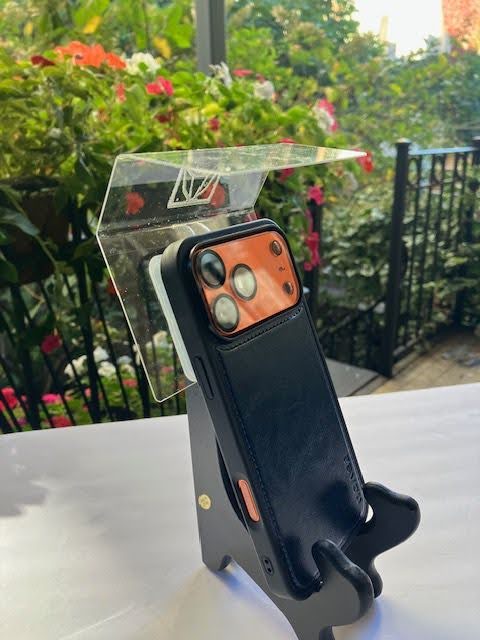
A strong mobile travel photography kit starts with restraint. The goal is to carry only what you’ll actually use. Your phone is the core, supported by a few thoughtful accessories.
Alongside the Camera Canopy for Mobile, consider a compact power bank, a small microfiber cloth, and a minimalist grip or tripod. Each item should earn its place by improving reliability or comfort.
The advantage of this approach is freedom. A lightweight kit encourages exploration and reduces fatigue, which ultimately leads to better images and a more enjoyable travel experience.
Workflow Tips for Shooting While Traveling
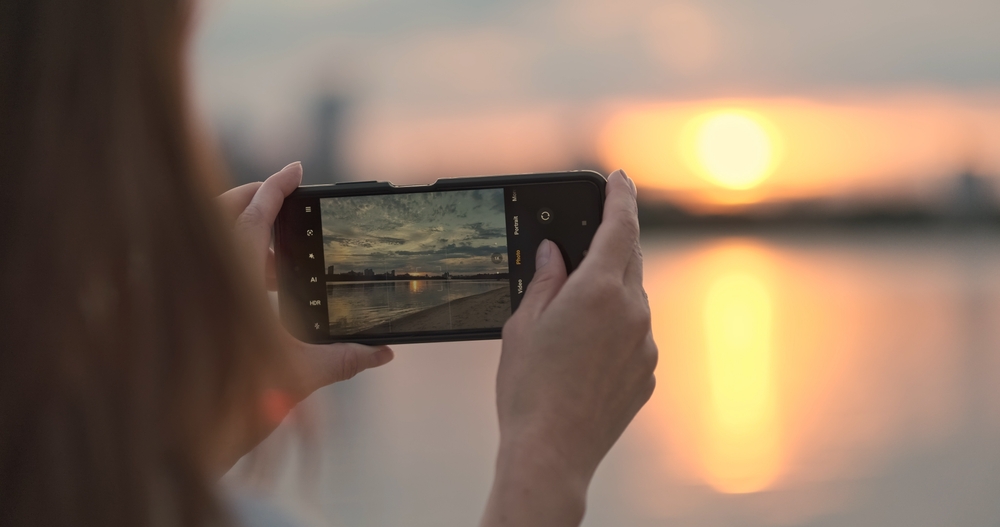
Photo by BAprod via Shutterstock
Preparation is key for mobile travel photography. Before heading out, check weather forecasts and keep your canopy accessible. Knowing it’s within reach helps you react quickly.
Develop habits that protect your phone between shots. Wipe moisture regularly, avoid sudden temperature changes when possible, and use the canopy proactively rather than reactively.
Finally, embrace the spontaneity of travel. With reliable protection in place, you can focus less on what might happen to your gear and more on telling the story of where you are!
FAQ
Is the Camera Canopy for Mobile bulky to carry while traveling?
No. It is designed to be compact and lightweight, making it easy to slip into a pocket or small pouch without adding noticeable bulk.
Can I still use my touchscreen with the Camera Canopy for Mobile?
Yes. The design allows continued access to the screen and controls, which is essential for mobile travel photography.
Does it work in snow as well as rain?
Yes. The canopy helps protect against snow, light rain, and wind-driven moisture commonly encountered during travel.
Is this better than a waterproof phone pouch?
For active shooting, yes. A canopy allows you to use your phone normally, whereas sealed pouches often limit access and responsiveness.
Who benefits most from using a Camera Canopy for Mobile?
Anyone serious about mobile travel photography who wants weather protection without sacrificing speed, flexibility, or portability.
Our articles might have affiliate links and the occasional sponsored content, but don’t sweat it – if you buy something, we get a little kickback at no extra cost to you, and we only hype products we truly believe in!

