


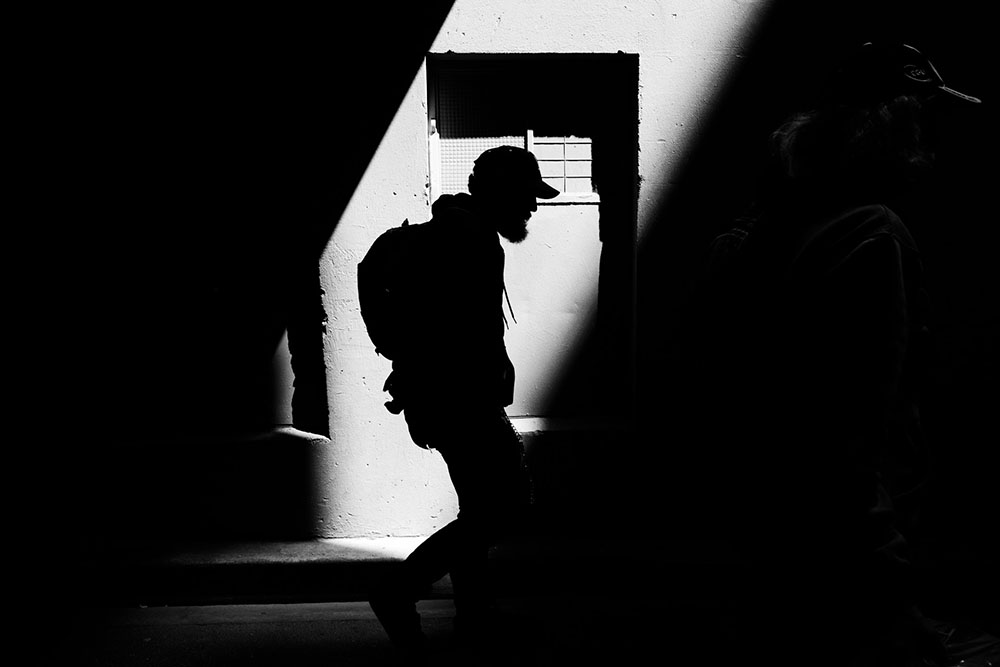
What separates a photo that feels flat from one that pulls you in and holds your attention? Often, it’s not the subject itself; it’s how you present it.
One of the most reliable composition tools for creating depth and visual direction is internal framing. The idea is simple: use elements in your scene to create a frame within the frame. You’re not adding props or staging anything artificial. You’re stepping back, observing the layers already available, and using them intentionally.
Table of Contents
Why Frame Within a Frame Works So Well
Humans like borders. We like containment. Our brains interpret structure as meaning. When you place a subject inside a secondary frame within the frame, you’re giving the viewer a visual instruction: start here. In landscape photography, darker tree branches can cradle a bright peak, letting the viewer read the mountain faster. In street portraits, shooting through a glowing bus stop shelter creates a cinematic frame within the frame that feels intentional without being forced.
From a technical standpoint, a frame within the frame also creates depth by exaggerating foreground-to-background separation. The eye reads the front layer first, then travels inward. This layered read gives the illusion of three dimensions inside a two-dimensional medium. I love using this method during sunrise shoots because the contrast between the dark frame and bright interior naturally balances exposure and makes editing easier. When the edges are darker than the highlights inside the frame within the frame, you maintain mood without losing detail.
There’s also an emotional benefit. Internal framing builds atmosphere without distracting from the main subject. When done right, the frame within the frame elevates the moment instead of competing with it. My favorite images often include something slightly out of focus in the foreground: a blurry sign edge, a silhouette of railings, or leaves catching early light. The viewer doesn’t remember the foreground object, but they remember how the photo felt. That’s the power of internal framing.
Applying Frame Within a Frame in the Real World

Let’s start with landscapes. Imagine you’re shooting a mountain at sunrise. Instead of zooming in on the peak, you step back and let low branches cradle the summit, creating a natural frame within the frame. The sky glows behind it, the mountain sits in the brightest part of the composition, and the trees fall into shadow. This creates a frame within the frame that gives scale, context, and clarity. It’s especially useful when your subject doesn’t have a clean outline on its own—like a pale peak against a light sky.

Another example: city street portraits at night. If you put your subject against a blank wall, the result can feel like a driver’s license photo with better lighting. Instead, shoot through something—like a bus stop shelter glowing with ads or street reflections. The structure around the glass becomes your frame within the frame, the city lights reflect just enough to add mood, and your subject sits cleanly inside the internal border. The edges fall softly out of focus, reinforcing separation between the frame within the frame and the subject.
Aperture choice plays a big role in making this work. For landscapes, I tend to shoot between f/8 and f/16 depending on how crisp I want the frame within the frame to feel. If the foreground frame is too sharp, it starts competing. If it’s too blurry, the frame within the frame loses structure. For portraits, I open up wide—f/1.8 to f/2.8—to let the internal frame melt into bokeh while keeping the subject sharp. This is where the magic lives: the frame within the frame is visible, but it doesn’t demand attention.
Internal framing is also a great problem-solver. I once shot a coastal cliff at sunrise where the horizon was blown out no matter what I tried. By repositioning and using the dark shape of an overlook fence as a frame within the frame, I contained the brightest part of the sky and solved the exposure imbalance instantly. Framing isn’t just creative—it can save your image.
Common Frame Within a Frame Mistakes to Avoid
Beginners usually make one of two mistakes: the internal frame is either too loud or too accidental. A frame within the frame should feel intentional, but not distracting. If the frame steals contrast, brightness, or color dominance from the subject, you’ve flipped the hierarchy. The viewer should remember what’s inside the frame within the frame, not the frame itself.
The second mistake is compositional tangents where the internal frame cuts awkwardly through the subject. If a tree limb slices across your mountain peak or a street sign edge crosses someone’s face, the frame within the frame becomes a distraction instead of a guide. Adjust your angle until the subject sits cleanly inside the internal frame.
The third common mistake is forgetting that internal framing is a tool, not a rule. Every scene doesn’t need a frame within the frame. Sometimes the world hands you a perfect subject on a clean stage. Use internal framing when it strengthens clarity, depth, or mood, not out of obligation. The best photographers aren’t the ones who use every trick; they’re the ones who know when to use which trick.
How Frame Within a Frame Adds Story and Mood

Photo by Tim Winkler on Unsplash (license)
Training Your Eye to See a Frame Within a Frame

Photo by Samuele Errico Piccarini on Unsplash (license)
Where to Go From Here

Photo by Warren on Unsplash (license)
FAQ
What exactly is a frame within a frame?
It’s a composition technique where foreground or environmental elements create a secondary internal border around your subject, guiding the viewer’s eye and adding depth.
Do silhouettes work well with frame within a frame?
Yes. A silhouette framed by darker foreground shapes increases clarity, keeps mood intact, and gives the viewer a clean subject hierarchy.
What aperture should I use for a frame within a frame?
For landscapes, f/8 to f/16 depending on sharpness balance. For portraits, f/1.8 to f/2.8 to soften the frame while keeping the subject sharp.
Should every photo include a frame within a frame?
No. Use it when it adds clarity, depth, or mood. Skip it when the scene already presents your subject cleanly without needing support.
Can editing add a frame within a frame later?
You can enhance edges, but true internal framing works best when created in-camera by repositioning your angle and using real foreground elements.
How do I practice spotting a frame within a frame?
Repeat the same subject in multiple compositions, analyze hierarchy, and reposition your camera until the internal frame supports rather than competes.
Heads up: Clicking on our affiliate links and exploring our sponsored content helps us at no extra cost to you, and we only recommend gear we’re absolutely crazy about!
Learn More:
- Fill the Frame vs. Negative Space: Finding Balance in Composition
- Why Photography Composition Matters More Than Your Camera
Photo by Bulkan Evcimen on Unsplash (license)

