


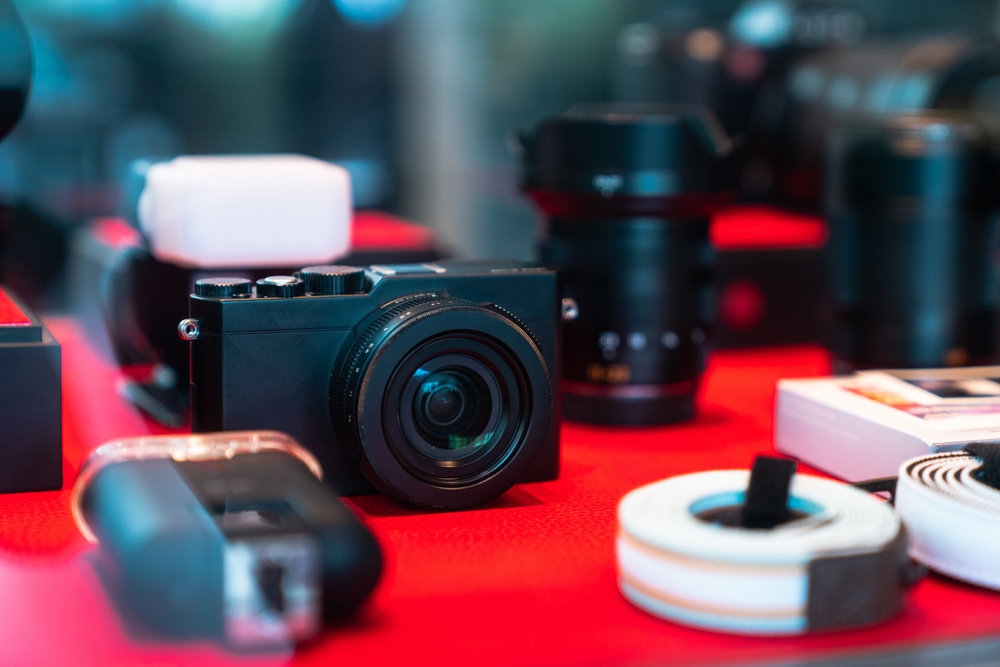
Buying a camera should feel exciting. It’s the moment where interest turns into action, where you finally put a tool in your hands and start making images instead of just thinking about them. But for a surprising number of photographers, that excitement fades quickly and is replaced by uncertainty.
Weeks after buying a camera, many people start asking uncomfortable questions. Is this camera too complicated? Did I overspend? Is this why my photos don’t look the way I expected? These doubts aren’t a reflection of talent or effort. They’re usually a sign that the buying process focused on the wrong things.
So, let’s explore why buying a camera goes wrong, especially for beginners, and how to approach the decision in a way that supports learning instead of frustration. If you’ve ever second-guessed a camera purchase or want to avoid that feeling altogether, you’re in the right place!
Table of Contents
- Why Buying a Camera Starts With the Wrong Question
- The Spec Trap That Derails Buying a Camera
- Why Future-Proofing Buying a Camera Backfires
- How Buying a Camera Used Changes Everything
- What Actually Matters When Buying a Camera
- Moving Forward With Confidence
- Frequently Asked Questions
Why Buying a Camera Starts With the Wrong Question
Most people begin buying a camera by asking, “What’s the best camera?” That question sounds reasonable, but it’s the root of many bad decisions. There is no universal best camera, only cameras that are better or worse fits for specific photographers.
When buying a camera becomes about rankings and reviews, personal needs take a back seat. A wildlife shooter, a street photographer, and someone documenting family life all benefit from different features. Yet beginners often buy based on someone else’s priorities.
In my own experience, the cameras I connected with most weren’t the ones with the longest spec sheets. They were the ones that felt intuitive and encouraged me to shoot more often. Comfort and familiarity matter far more than most people realize.
Buying a camera should start with how you want to use it, not how it compares on paper to everything else on the market.
The Spec Trap That Derails Buying a Camera
Specs are seductive. Megapixels, frame rates, autofocus points, and video formats all sound important, and they can be in the right context. The problem is that specs often dominate buying a camera long before they become relevant.
Many beginners never push their cameras anywhere near their technical limits. Instead, they struggle with exposure, composition, and consistency. In those moments, additional features don’t help; they distract.
I’ve watched photographers grow faster with simpler cameras because there was less to manage. Fewer options forced them to understand fundamentals instead of relying on automation or advanced modes they didn’t yet understand.
When buying a camera, specs should support your shooting, not overshadow it.
Why Future-Proofing Buying a Camera Backfires
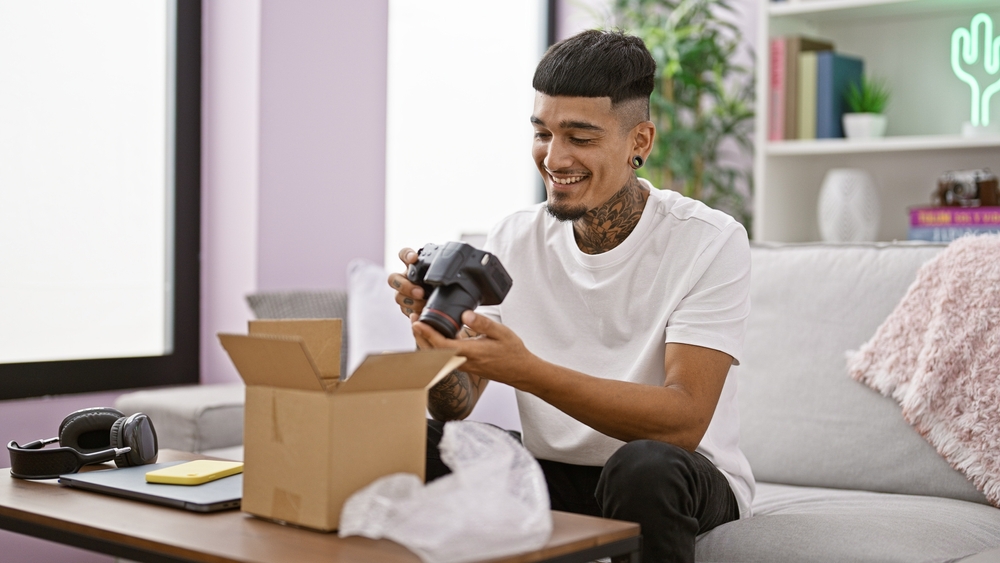
Photo by Krakenimages.com via Shutterstock
Future-proofing sounds smart. People convince themselves that buying a camera with advanced features will save money later. In practice, this approach often slows learning and increases frustration.
Complex cameras assume a level of experience that beginners don’t yet have. Menus get deeper, buttons multiply, and the camera becomes something to manage rather than a tool to use.
There’s also an emotional cost. When you overspend while buying a camera, every missed shot feels heavier. Mistakes feel expensive, which discourages experimentation, which is the very thing beginners need most.
Buying a camera for who you are today usually leads to better results than buying for a hypothetical future version of yourself.
How Buying a Camera Used Changes Everything
Buying a camera used removes much of the pressure from the decision. Depreciation happens quickly with camera bodies, which means used prices reflect real-world value rather than launch-day hype.
Buying a camera this way gives you flexibility. If your needs change, you can sell or trade with online platforms like MPB with minimal loss. That freedom encourages exploration and growth without the fear of getting locked into the wrong system.
Used gear also opens doors to better build quality and ergonomics at lower prices. Instead of settling for an entry-level body, you can often afford a more refined camera that simply happens to be a few years old.
From personal experience, buying a camera used made me more confident, not less. Knowing I could change direction without major regret made photography feel more sustainable.
What Actually Matters When Buying a Camera
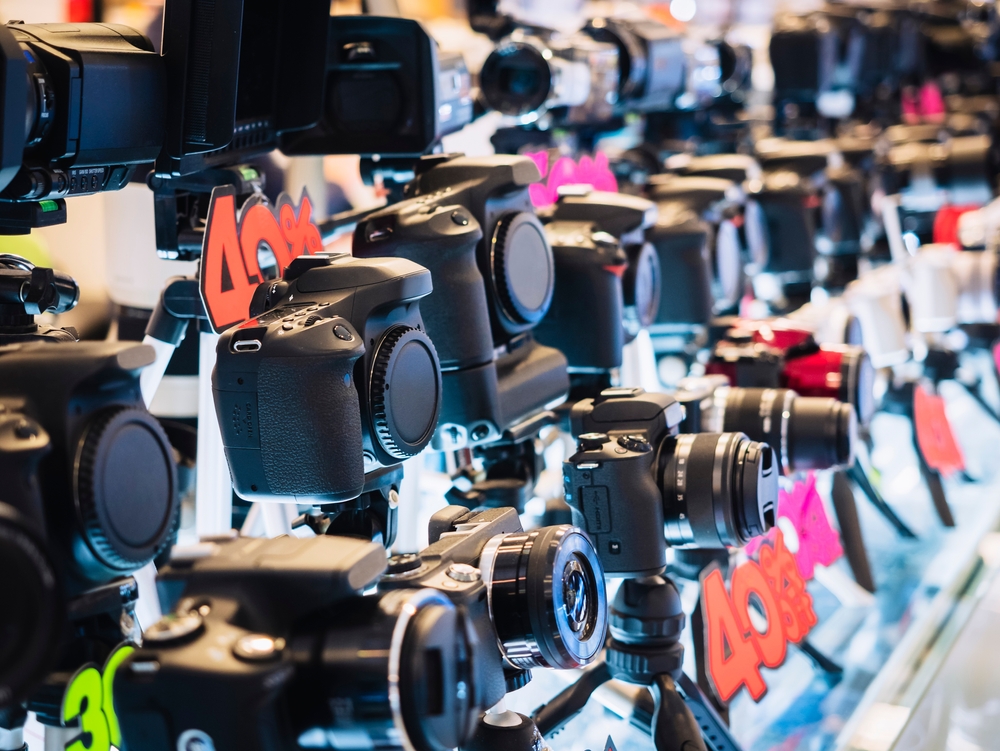
Photo by VTT Studio via Shutterstock
Ergonomics matter. If a camera feels awkward or unintuitive, you won’t reach for it as often. Buying a camera that fits your hands and makes sense to you encourages regular use.
Reliability matters just as much. A camera you trust becomes part of your routine. You stop worrying about it and start focusing on what’s in front of you.
Lens availability and cost are also crucial. Buying a camera means buying into an ecosystem, not just a body. Affordable, well-supported lenses matter more long-term than marginal sensor differences.
When buying a camera, the goal should be consistency and comfort, not technical perfection. And for that, MPB is a great partner. Their experts can help you determine the right camera for your specific needs and the accessories to go with it so you have a well-built kit for learning, exploring, and improving your image-making.
Moving Forward With Confidence
The frustration many photographers feel after buying a camera usually isn’t about the camera itself. It’s about expectations that were never realistic to begin with.
When buying a camera becomes an intentional process that’s focused on real needs, honest skill levels, and flexibility, the experience changes. Confidence replaces doubt, and photography becomes more enjoyable.
Instead of chasing the perfect camera, focus on choosing one that supports learning and invites regular use. Growth follows naturally when the tool stops getting in the way! Remember, too, that online platforms like MPB are a great resource where you can do your due diligence, explore real-world information about cameras and lenses, and get practical advice to ensure you have the best gear for your current needs.
Frequently Asked Questions
Photo by Pung via Shutterstock
How do I know if I bought the wrong camera?
If the camera feels confusing, discourages you from shooting, or doesn’t match what you enjoy photographing, it may not be the right fit. That doesn’t mean it’s a bad camera.
Should beginners always buy entry-level cameras?
Not necessarily. Beginners should focus on usability and comfort. Some mid-range or older used cameras can be better choices than brand-new entry-level models.
Is buying a camera used risky?
Buying a camera used is generally safe when purchasing from reputable dealers that inspect and grade their gear and offer return options or warranties.
How long should I keep my first camera?
There’s no set timeline. Keep your camera as long as it supports your learning and enjoyment. Upgrade only when limitations clearly affect your work.
What’s the biggest mistake people make when buying a camera?
The most common mistake is prioritizing specs and hype over personal needs, comfort, and real-world use.
Heads up: Clicking on our affiliate links and exploring our sponsored content helps us at no extra cost to you, and we only recommend gear we’re absolutely crazy about!
Learn More:
- The Advantages of Buying MPB Photography Gear Over Retail
- MPB Camera vs. Marketplace: Avoiding Scams & Hidden Fees When Buying Used Gear
Hero photo by Kwan Kajornsiri via Shutterstock

