


You don’t need to feel guilty for using auto mode. Nearly every photographer starts there, and for good reason; it makes photography approachable and removes early frustration.
But at some point, many photographers notice their images look fine, yet not quite how they imagined them. That quiet disconnect is often the moment when auto mode starts to feel less helpful.
That being the case, let’s dive deeper into why auto mode works so well early on, why it eventually slows your progress, and how stepping beyond it can reshape the way you see and create photographs. The goal here isn’t to shame beginners; it’s to help you move forward with confidence and clarity.
Table of Contents
What Auto Mode Really Does
At its core, auto mode is your camera acting as both technician and decision-maker. It evaluates the scene in front of the lens and automatically selects shutter speed, aperture, ISO, and often white balance. In some cases, it may also decide whether or not to fire a flash. The goal is simple: produce a usable exposure as quickly as possible.
This approach works because modern cameras are remarkably smart. Metering systems analyze light across the frame, face detection prioritizes people, and algorithms aim to prevent blur or blown highlights. For everyday snapshots, auto mode usually does exactly what it promises: it gets the shot.
The problem is that auto mode has no emotional context. It doesn’t know what you want the photo to feel like or which part of the scene matters most. It only sees averages, which means the image you get is often safe rather than intentional.
Why Auto Mode Helps Beginners

Hero photo by PeopleImages.com – Yuri A via Shutterstock
In the early days of photography, auto mode removed barriers. Instead of worrying about settings, new photographers can focus on framing, timing, and basic light. That freedom matters. It builds confidence and encourages experimentation without technical paralysis.
Another benefit is consistency. When everything is handled automatically, the camera delivers predictable results across many shooting situations. That consistency helps beginners understand what a “normal” exposure looks like before they start bending the rules.
I’ve seen many new photographers quit too early because they jumped into manual controls before understanding what they were trying to achieve. Used intentionally, auto mode serves as a training ground, a place to observe how the camera reacts to light and movement.
The Creative Limits of Auto Mode

Hero photo by PeopleImages.com – Yuri A via Shutterstock
As skills grow, the biggest weakness of auto mode becomes obvious: it doesn’t prioritize creative intent. If you want a blurred background for a portrait or motion blur in a moving subject, the camera may fight those choices in favor of technical sharpness.
Another issue is that auto mode changes settings invisibly. You might shoot two similar scenes and get different results without understanding why. That makes it harder to diagnose problems and slows the learning process.
Over time, reliance on auto mode can lead to frustration. Photos may look acceptable, but lack personality. This is often the point when photographers feel stuck, even though their eye and taste have improved.
Moving Beyond Auto Mode Without Getting Overwhelmed

Photo by Klochkov SCS via Shutterstock
Leaving auto mode doesn’t mean diving straight into full manual control. Semi-automatic modes like Aperture Priority and Shutter Priority offer a gradual transition. You choose what matters most, and the camera handles the rest.
This step introduces cause and effect. When you change the aperture, you see how the depth of field shifts. When you adjust the shutter speed, motion behaves differently. These connections build real understanding faster than memorizing settings ever could.
From personal experience, this is where photography becomes enjoyable again. The camera stops feeling like a mystery box and starts acting like a responsive tool.
What Happens When You Take Control
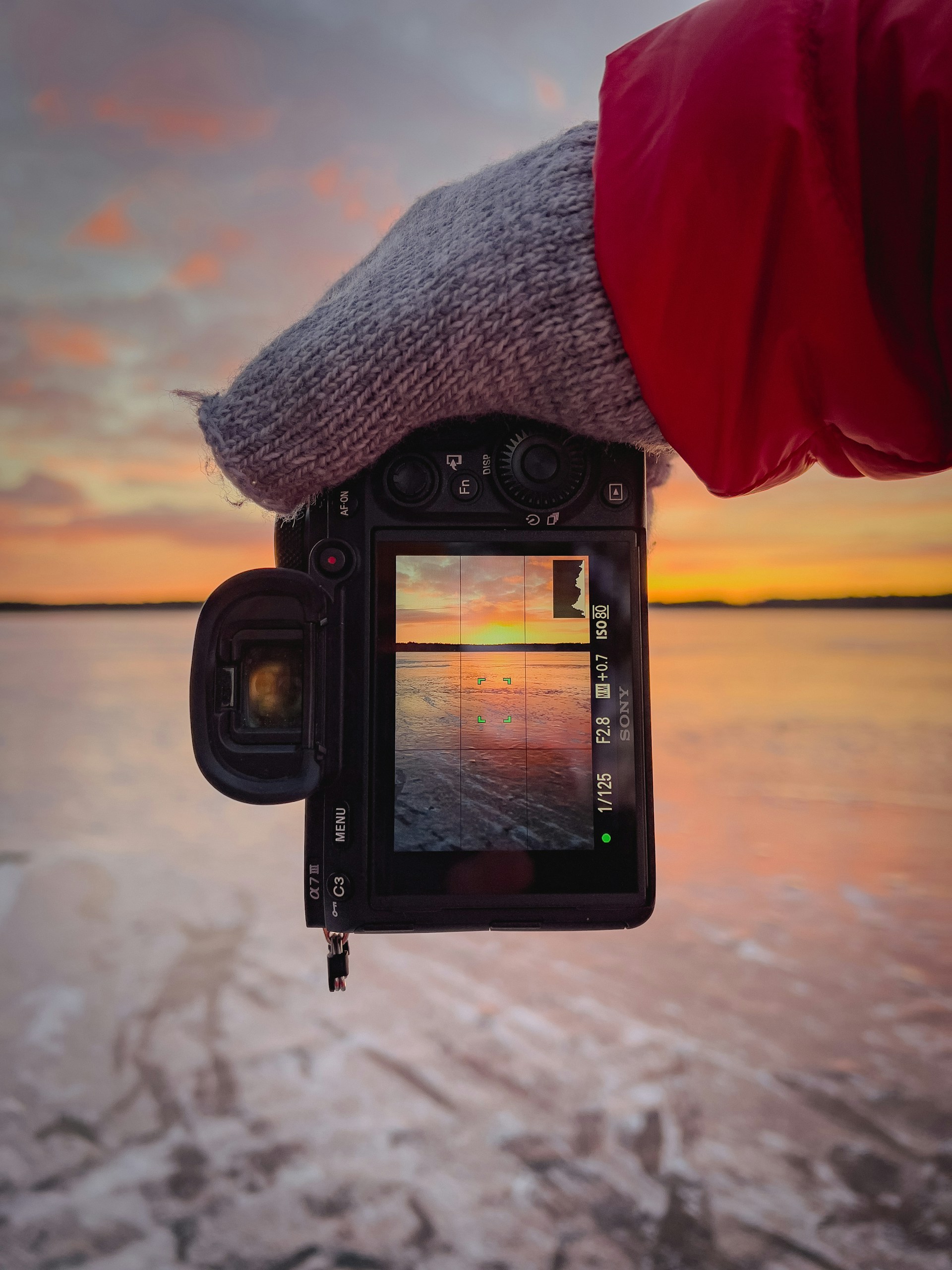
Photo by Veikko Venemies on Unsplash (license)
Moving away from auto mode changes how you approach scenes. You begin to anticipate light instead of reacting to it. Decisions feel deliberate rather than accidental.
Photos also become more consistent in style. When you control depth, motion, and exposure, your images start to reflect your preferences instead of your camera’s defaults.
Perhaps most importantly, taking control builds trust in your own judgment. Even mistakes become useful, because you understand why they happened and how to adjust next time.
Frequently Asked Questions
Is auto mode bad for photography?
No. Auto mode is a valuable tool, especially early on. It becomes limiting only when it replaces intentional decision-making.
When should I stop using auto mode?
There’s no fixed timeline. If you want more creative control or feel confused by inconsistent results, it’s a good time to move on.
Do professional photographers ever use auto mode?
Occasionally, yes—usually in fast-changing situations. Most rely on manual or semi-automatic modes for consistency and control.
What mode should I try after auto mode?
Aperture Priority is often the easiest next step because it directly affects background blur and overall image feel.
Will leaving auto mode improve my photos immediately?
Not instantly, but it accelerates improvement. Understanding your settings leads to better results over time.
Just so you know, some of the cool stuff we mention comes with affiliate links, meaning we earn a commission if you buy (no extra charge to you!). Plus, we occasionally feature sponsored content, but rest assured, we only shout out products we genuinely stand behind.
Hero photo by DesignRage via Shutterstock

