

Starting a real estate photography business can feel deceptively simple at first. You already own a camera, you understand exposure, and you know how to compose a clean image. But real estate photography is less about creating art and more about solving problems for agents who are under constant pressure to market listings quickly and effectively.
In 2026, the expectations placed on property photos are higher than ever. Buyers scroll fast, listings compete fiercely, and agents rely on visual content not just for MLS, but for social media, email marketing, and video platforms. A real estate photography business has to operate efficiently, consistently, and professionally to succeed in that environment.
This guide breaks down what actually matters when launching a real estate photography business today. These tips focus on business realities, client expectations, and long-term sustainability, not just camera settings. If you approach this niche with the right mindset from the start, you’ll avoid many of the mistakes that stall new photographers early on.
Table of Contents
- Understand the Real Estate Industry Before You Shoot
- Invest in the Right Gear for a Real Estate Photography Business
- Master Interior Lighting and Exposure
- Build a Portfolio That Appeals to Agents
- Create a Fast, Repeatable Workflow
- Price Your Real Estate Photography Business for Longevity
- Market Yourself as a Trusted Partner
- Frequently Asked Questions
Understand the Real Estate Industry Before You Shoot

Photo by Alliance Images via Shutterstock
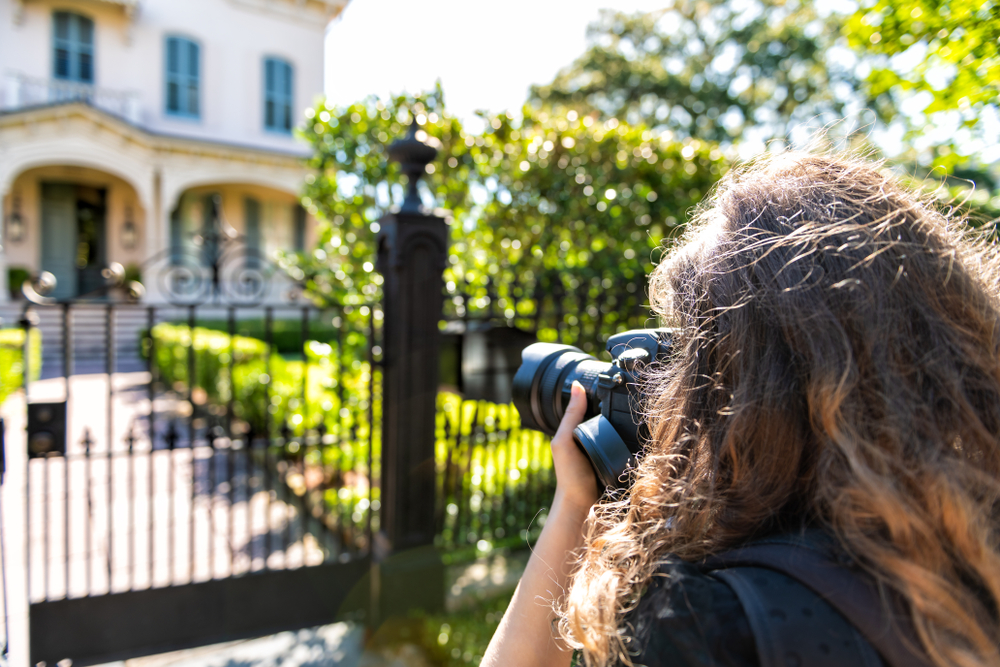
A real estate photography business exists to support agents, not to showcase personal creativity. Agents care about speed, consistency, and accuracy because their reputation depends on it. Understanding how listings are marketed will immediately make you more valuable than a photographer who only thinks in artistic terms.
MLS rules vary by region, but most limit the number of photos and prohibit watermarks, logos, or misleading edits. If you don’t understand these rules, you can accidentally create problems for your clients. A strong real estate photography business knows how images will be used and delivered before the shutter is ever pressed.
It’s also important to understand timing. Homes are often photographed quickly after being listed, sometimes with very little notice. Being flexible and responsive builds trust. Agents remember photographers who make their job easier during stressful listing launches.
Finally, recognize that real estate involves people from every background, budget, and goal. Treat every property with the same level of professionalism, whether it’s a modest starter home or a luxury estate. Consistency is the foundation of a reliable real estate photography business.
Invest in the Right Gear for a Real Estate Photography Business

Photo by gonzstudio via Shutterstock
You do not need the most expensive camera to start a real estate photography business, but you do need the right tools. A reliable full-frame or APS-C camera with good dynamic range is far more important than megapixel count. Agents care about clean, accurate images, not technical bragging rights.
Lenses matter more than bodies in this niche. A wide-angle lens in the 14–24mm or 16–35mm equivalent range is essential, but restraint is critical. Going too wide introduces distortion that can misrepresent spaces, something agents and MLS boards strongly dislike.
A sturdy tripod is non-negotiable. Interior photography often involves blending exposures or using slower shutter speeds, and a tripod ensures consistency across every room. This is one of the simplest ways to immediately raise the quality of a real estate photography business.
Lighting gear depends on your approach. Many photographers use off-camera flash combined with ambient light, while others rely on natural light and HDR blending. Whatever method you choose, commit to mastering it. Inconsistent lighting is one of the fastest ways to lose client confidence.
Master Interior Lighting and Exposure
Interior spaces present challenges that outdoor photography rarely does. Mixed light temperatures, bright windows, and dark corners all compete in a single frame. As a real estate photographer, you must control these elements to create images that feel natural and inviting. Learn how in the video above by Taylor Brown.
Window management is especially important. Blown-out windows are a common beginner mistake, but overly dark interiors can feel unwelcoming. Learning how to balance interior light with exterior views separates amateurs from professionals.
HDR, flash blending, and natural light techniques all work when used correctly. The key is subtlety. Buyers should not feel like an image has been heavily manipulated. Rooms should look clean, bright, and accurate to life.
Consistency across a full shoot matters more than perfection in a single frame. Agents want a cohesive set of images that represent the property honestly. A polished lighting workflow strengthens your real estate photography business and reduces revision requests.
Build a Portfolio That Appeals to Agents
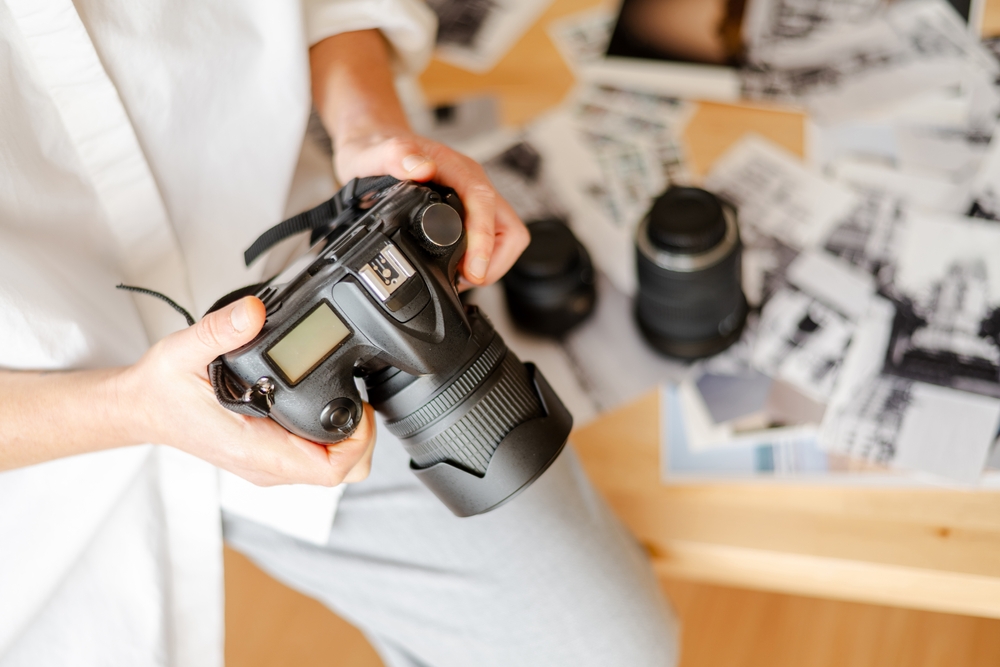
Photo by Nanci Santos Iglesias via Shutterstock
Your portfolio is not meant to impress other photographers. It exists to reassure agents that you can deliver reliable, market-ready images every time. A real estate photography business portfolio should prioritize clarity, composition, and consistency.
If you’re just starting out, you can build a portfolio by photographing your own home, a friend’s property, or staged spaces with permission. The goal is to demonstrate competence, not luxury. Agents want to know you can handle real-world homes, not just magazine-worthy spaces.
Show a variety of rooms and property types, but keep the presentation tight. A smaller set of strong, consistent images is far more effective than dozens of uneven ones. This signals professionalism and confidence.
As your business grows, regularly update your portfolio to reflect your current skill level. A real estate photography business should evolve visually as experience increases.
Create a Fast, Repeatable Workflow
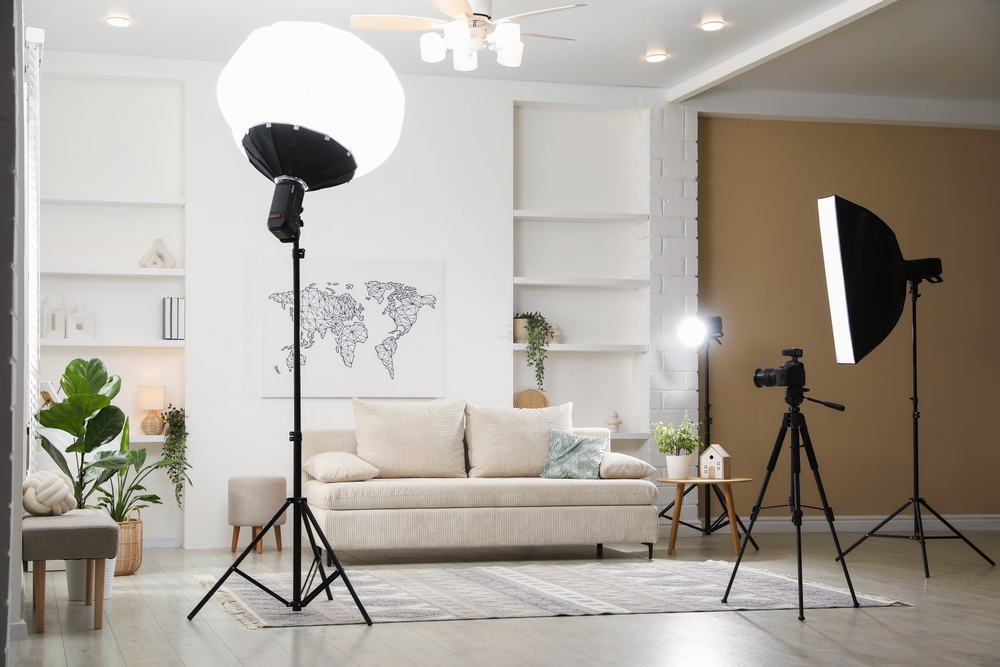
Photo by New Africa via Shutterstock
Speed is one of the most valuable assets in a real estate photography business. Agents often expect next-day delivery, and sometimes same-day service. Building an efficient workflow protects your time and prevents burnout.
Preparation starts before you arrive. Clear communication about access, staging expectations, and timelines reduces friction on-site. Many issues can be avoided with a simple pre-shoot checklist.
On location, work methodically. Shoot rooms in a consistent order and use repeatable camera settings. This minimizes mistakes and speeds up editing later.
Editing should be streamlined, not experimental. Presets, batch processing, and standardized file naming save hours each week. A smooth delivery system reinforces the professionalism of your real estate photography business.
Price Your Real Estate Photography Business for Longevity

Photo by karamysh via Shutterstock
Pricing is one of the hardest decisions for new photographers. Underpricing may attract early bookings, but it often leads to exhaustion and resentment. A sustainable real estate photography business must account for time, expenses, and skill.
Research your local market, but don’t race to the bottom. Competing solely on price attracts clients who are quick to leave. Instead, focus on value, reliability, and service.
Many photographers offer tiered packages that include add-ons like drone work, video, or twilight photos. Bundling services increases revenue while providing convenience for agents.
As demand grows, raise your rates gradually and confidently. A healthy real estate photography business evolves alongside your experience and reputation.
Market Yourself as a Trusted Partner

Photo by SaiArLawKa2 via Shutterstock
Successful photographers don’t market themselves as vendors. They position themselves as partners in an agent’s marketing strategy. This mindset shift changes how clients perceive your real estate photography business.
Consistency builds trust. Show up on time, deliver when promised, and communicate clearly. These habits matter more than flashy branding.
Testimonials, referrals, and repeat clients are powerful growth drivers. Agents talk to each other, and word spreads quickly about photographers who are dependable.
Rather than chasing every new lead, focus on building long-term relationships. A stable client base is the backbone of a resilient real estate photography business.
Building a Business That Lasts
Photo by shine.graphics via Shutterstock
A real estate photography business is not built overnight. It grows through consistency, professionalism, and a deep understanding of client needs. Technical skills matter, but reliability matters more.
By focusing on workflow, communication, and long-term relationships, you create a business that supports both your clients and your own goals. The photographers who last are the ones who treat this niche as a service, not a side hustle.
Approach each shoot as an opportunity to strengthen trust, and your business will continue to grow with the market!
Frequently Asked Questions
How much can I make with a real estate photography business?
Income varies by market, but many full-time photographers earn a solid living by working with repeat clients and offering bundled services.
Do I need a drone to start?
No, but drones can add value once you understand licensing requirements and local demand.
How fast should I deliver photos?
Most agents expect delivery within 24 hours. Faster turnaround can be a competitive advantage.
Is real estate photography seasonal?
Yes, many markets slow in winter and peak in spring and summer. Planning for this helps stabilize income.
Can I run a real estate photography business part-time?
Yes, many photographers start part-time, but scheduling flexibility becomes more important as demand increases.
Friendly disclaimer: Our articles may contain affiliate links that support us without costing you more, and sometimes we spice things up with sponsored content—but only for products we truly stand behind!
Learn More:
Hero photo by Andriy Blokhin via Shutterstock

