


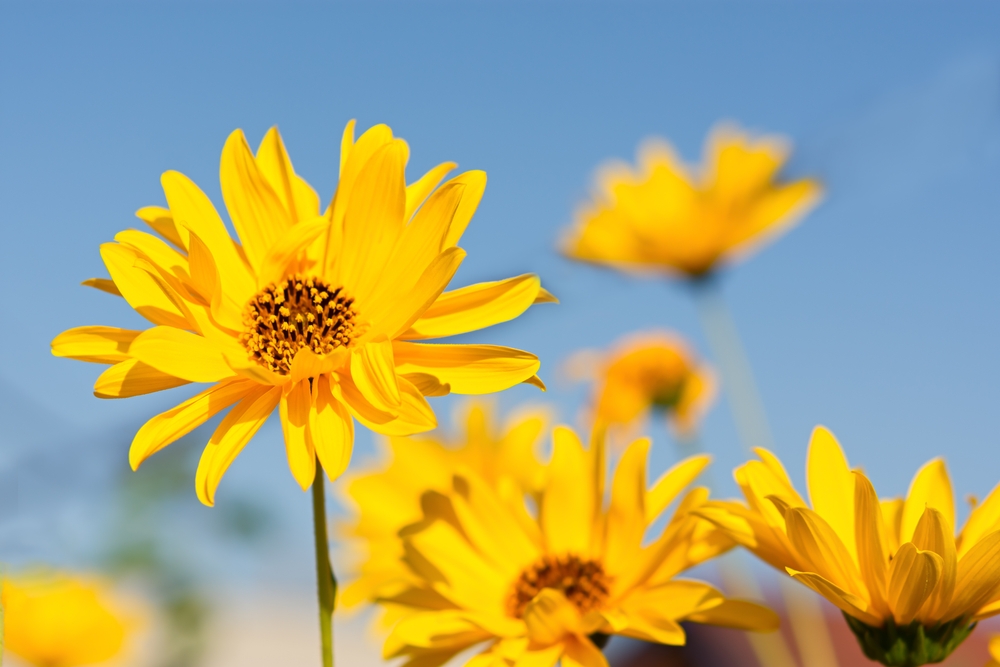
Flower photography can be immensely rewarding, but capturing images that feel dynamic and engaging requires more than just pointing your camera at a bloom. The arrangement, perspective, and background all contribute to the story your photo tells. By mastering flower photography composition, you can create images that draw viewers in and highlight the beauty and texture of each flower.
Many photographers focus heavily on lighting and lens choice while overlooking composition. Yet, thoughtful composition often makes the difference between a technically correct image and a visually captivating photograph. Composition is about guiding the viewer’s eye, emphasizing the flower’s unique features, and creating a sense of balance and harmony in your frame.
Let’s explore practical, creative approaches to flower photography composition. We’ll cover framing, perspective, depth, color, backgrounds, and arranging multiple elements within your scene. These tips are designed to elevate your floral photography and encourage a more intentional, artistic approach.
Table of Contents
- Framing Techniques to Enhance Flower Photography Composition
- Using Perspective to Improve Flower Photography Composition
- Creating Depth and Layers in Flower Photography Composition
- Color and Contrast Strategies for Flower Photography Composition
- Managing Backgrounds for Effective Flower Photography Composition
- Arranging Elements for Stronger Flower Photography Composition
- Frequently Asked Questions
Framing Techniques to Enhance Flower Photography Composition

Photo by PeopleImages via Shutterstock
Framing is a foundational aspect of flower photography composition. Using natural elements such as branches, leaves, or garden structures to frame your flower can create a visual pathway that draws the viewer’s eye toward the subject. A frame within a frame adds context and depth while focusing attention on the bloom.
One effective approach is to shoot through other flowers or foliage in the foreground. This not only adds layers to your image but also gives a sense of intimacy, as if the viewer is peeking into a secret corner of a garden. Pay attention to the edges of your frame to avoid distractions that might pull focus away from your main subject.
Consider the rule of thirds when positioning your flower within the frame. Placing the subject off-center often leads to a more dynamic composition, but don’t be afraid to experiment with centered framing when symmetry or minimalism suits the flower’s shape and structure. Ultimately, framing in flower photography composition is about guiding attention and creating a cohesive image.
I often spend several minutes adjusting my position and the angle of nearby leaves or branches to create the perfect natural frame. It might seem slow, but this attention to detail can transform a standard flower shot into something visually compelling.
Using Perspective to Improve Flower Photography Composition
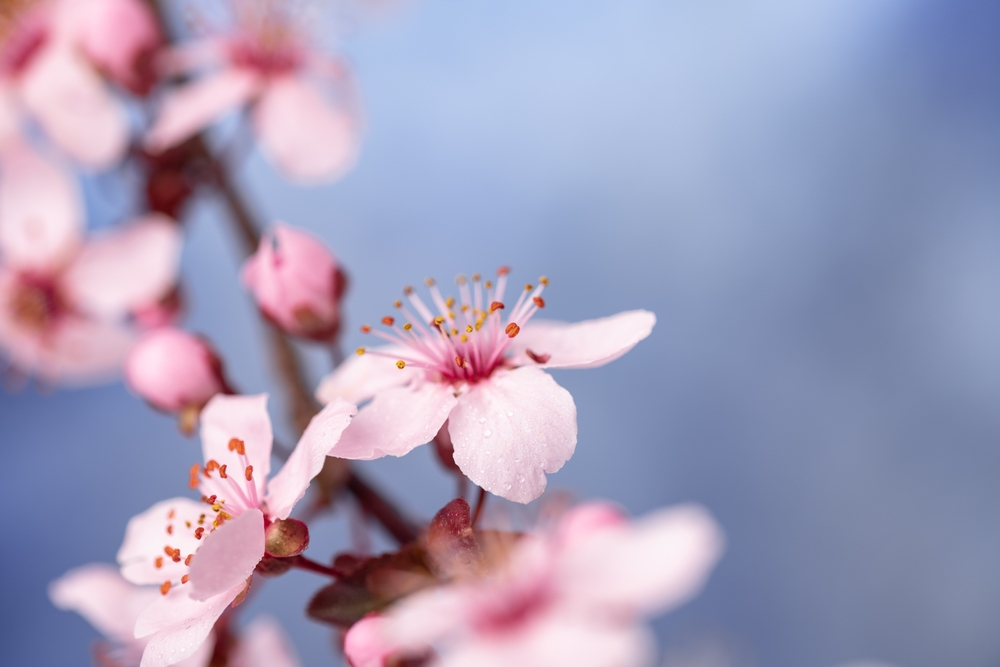
Photo by Kosoff via Shutterstock
Changing your perspective can dramatically alter the impact of your images. In flower photography composition, shooting from a low angle can make a small flower appear monumental or highlight the underside of petals, revealing patterns that are otherwise overlooked. Conversely, top-down views are useful for arrangements or fields of flowers, emphasizing shapes and patterns from above.
Close-up perspectives allow you to focus on intricate details like stamen texture or petal veins, while wider perspectives can incorporate environmental elements to tell a broader story. Experiment with tilting your camera, kneeling, or even lying down to find a unique angle that highlights the flower’s characteristics.
Be mindful of scale. Including elements like dew drops, insects, or garden tools in the frame can give context and enhance depth. Using perspective thoughtfully is one of the most versatile tools for improving flower photography composition.
Sometimes the most striking compositions come from the perspective that feels physically awkward, like leaning under a flower or crouching low. The slight discomfort often leads to surprising results that are impossible from eye level.
Creating Depth and Layers in Flower Photography Composition
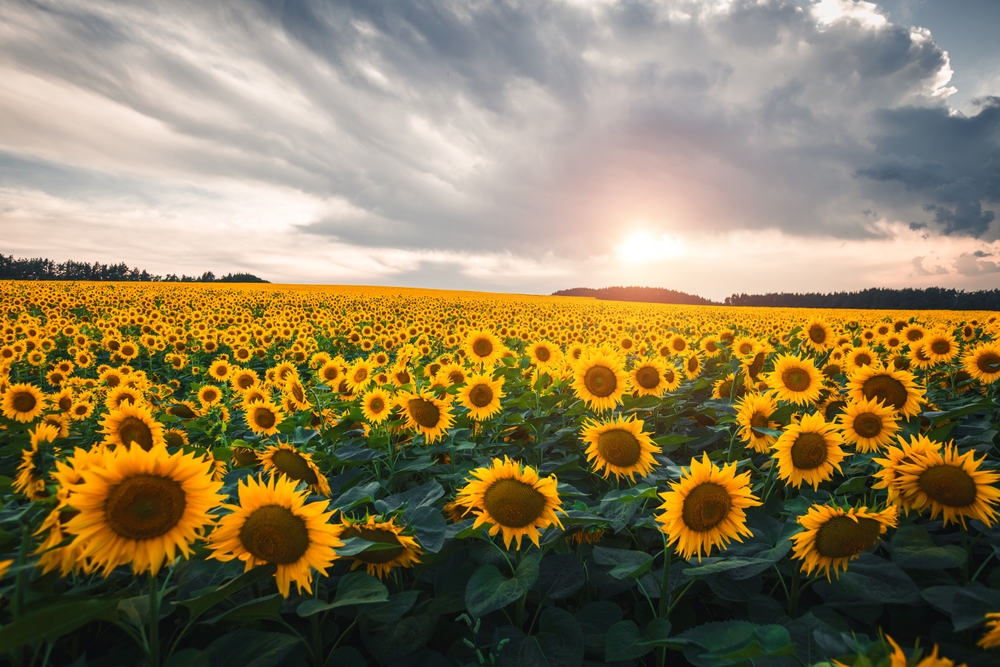
Photo by Creative Travel Projects via Shutterstock
Depth in flower photography composition adds dimension and engages viewers more effectively than flat, two-dimensional images. Overlapping flowers, incorporating foreground elements, and using blurred backgrounds (bokeh) can produce a sense of three-dimensionality in your photographs.
One technique is selective focus, which isolates your subject while keeping hints of the surrounding flora visible. This approach creates layers that give context without detracting from the main flower. Leading lines, such as pathways, stems, or rows of flowers, can also guide the eye through the scene and enhance the perception of depth.
Combining depth with thoughtful perspective and framing often results in a richer, more immersive image. Balancing sharp focus and soft blur in different parts of the frame can produce a natural, flowing effect that enhances overall composition.
When photographing flower beds, I often pause to rearrange small elements like fallen leaves or stray petals. These minor adjustments can accentuate depth and lead the eye to the central bloom, significantly improving flower photography composition.
Color and Contrast Strategies for Flower Photography Composition

Photo by sabikunnaher123 via Shutterstock
Color plays a central role in flower photography composition. Vibrant hues can draw attention, while complementary and contrasting colors create visual tension and balance. Understanding how to manipulate color in your composition can make images more appealing and harmonious.
Background color matters as much as the subject. A bright flower against a similarly bright background can lose definition, whereas contrasting backgrounds make petals pop. Using muted or dark backgrounds can enhance vibrancy without oversaturation.
Consider color harmony principles like complementary and analogous colors when arranging multiple flowers. Warm colors can create a sense of energy, while cooler tones often convey tranquility. Subtle color shifts in petals, leaves, and background elements contribute to overall cohesion and can elevate flower photography composition.
I often scout locations at different times of day to observe how natural light affects color. Early morning and late afternoon light often softens contrasts, allowing for richer, more nuanced color relationships in my compositions.
Managing Backgrounds for Effective Flower Photography Composition

Photo by Anton Nikitinskiy via Shutterstock
Background control is essential for a clear flower photography composition. Busy or distracting backgrounds can pull attention away from your subject, making even a technically perfect photograph feel cluttered. Simplifying the background allows the flower to take center stage.
One method is to increase your aperture to blur the background, creating pleasing bokeh that separates the flower from its surroundings. Alternatively, physically adjusting your position or angle to remove distracting elements often produces a cleaner result. A portable backdrop or even a simple piece of cardboard can sometimes be used creatively in garden setups.
Consider the relationship between your subject and the negative space in your frame. Negative space can provide breathing room, highlight form, and create a sense of balance, enhancing flower photography composition. Evaluate how background color, texture, and brightness interact with your subject.
When photographing in botanical gardens, I often move around patiently until I find a background that complements the flower naturally. Even slight shifts can transform a photograph from ordinary to elegant.
Arranging Elements for Stronger Flower Photography Composition
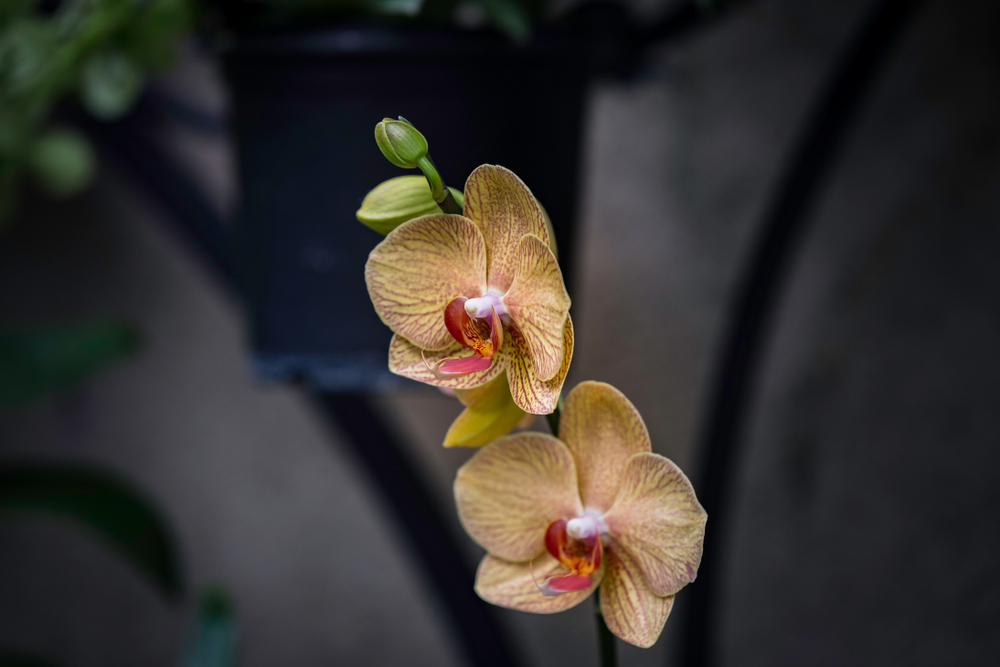
Photo by Tiago Matos via Shutterstock
How you arrange flowers and other elements in your frame is a final, crucial aspect of flower photography composition. Intentional placement creates a rhythm and flow that keeps the viewer engaged. For example, grouping flowers in a triangular pattern often feels stable and balanced, while diagonal arrangements can convey motion and energy.
Consider adding props or natural elements like stones, twigs, or water droplets to reinforce texture and context. Be mindful not to overcrowd the frame; simplicity often enhances impact. Look for natural alignments or repeating patterns in petals, stems, or foliage to create cohesion.
Experimentation is key. Move, rotate, or tilt flowers slightly to discover compositions that feel organic rather than forced. Thoughtful arrangement often distinguishes a well-composed photograph from a casual snapshot.
I frequently take multiple shots of the same flower from slightly different angles and arrangements. Comparing these images later often reveals a composition I hadn’t initially considered, reinforcing the value of experimentation in flower photography composition.
Frequently Asked Questions
What is flower photography composition?
Flower photography composition refers to how elements like framing, perspective, color, and depth are arranged in a photograph to create a visually appealing image of flowers.
How can I make my flower photos more dynamic?
Use techniques such as changing your perspective, creating depth with foreground and background layers, and employing framing or leading lines to guide the viewer’s eye.
Should I focus on one flower or multiple flowers in a composition?
Both approaches can work. Focusing on one flower highlights details, while multiple flowers can create patterns and context. Consider balance and visual flow when including multiple elements.
How does background affect flower photography composition?
A busy background can distract from the subject, while a simple, blurred, or complementary background enhances the focus on the flower and contributes to the overall composition.
Can I use props to improve composition?
Yes, natural props like leaves, water droplets, or stones can enhance texture and context, but they should be arranged thoughtfully to avoid clutter and maintain focus on the flower.
Just so you know, some of the cool stuff we mention comes with affiliate links, meaning we earn a commission if you buy (no extra charge to you!). Plus, we occasionally feature sponsored content, but rest assured, we only shout out products we genuinely stand behind.
Learn More:
Hero photo by Anna_Zaitzeva via Shutterstock

