


There’s a persistent belief in photography that better results require brand-new gear, straight from the box and straight onto a credit card. It’s an easy myth to buy into, especially when new camera releases dominate headlines and social feeds. But in practice, professional-quality images rarely hinge on whether your gear is new or used.
What truly matters is whether your equipment is reliable, capable, and well-matched to the type of work you shoot. That’s why so many working photographers quietly build their photography kit with used gear. They understand how quickly camera equipment depreciates and how little that depreciation affects real-world performance.
Buying used isn’t about settling for less. It’s about making smarter choices that allow you to invest in higher-quality tools, expand your photography kit further, and focus your budget where it actually makes a difference. This guide walks through how to build a pro-level photography kit on a budget, step by step, using MPB as a prime example, which allows you to build your kit without taking unnecessary risks.
Table of Contents
- Why Buying Used Makes Sense for a Photography Kit
- Define Your Photography Needs Before You Buy
- Choosing the Right Used Camera Body
- Building a Lens-Based Photography Kit That Delivers Results
- Don’t Overlook Used Accessories
- Where to Buy Used Photography Gear With Confidence
- How to Prioritize Purchases When Building a Photography Kit
- Final Thoughts
- FAQ
Why Buying Used Makes Sense for a Photography Kit
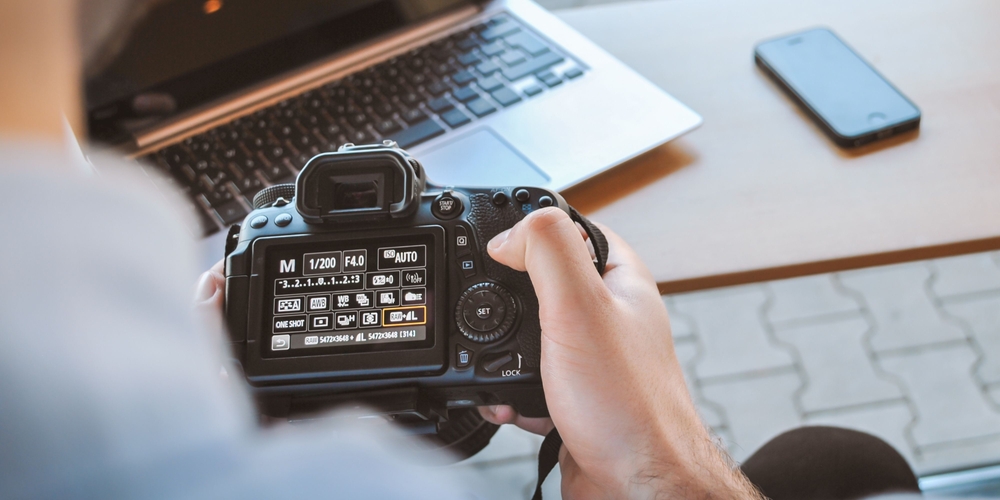
Photo by Unfav via Shutterstock
Camera gear depreciates faster than almost any other creative tool. A camera body can lose a significant portion of its value within a year of release, even though its image quality and performance remain virtually unchanged. When you buy used, you’re letting someone else absorb that depreciation while you benefit from the same capabilities.
This matters even more when you’re trying to assemble a complete photography kit. Buying everything new often forces compromises, such as choosing slower lenses, entry-level bodies, or skipping essential accessories. Used gear allows you to redirect your budget toward higher-quality components that elevate your work.
There’s also a professional reality that’s rarely discussed: many working photographers regularly buy and sell used equipment. They upgrade, downsize, or switch systems as their needs change. A used photography kit is often built from gear that has already proven itself in real-world conditions.
Define Your Photography Needs Before You Buy
Photo by PeopleImages via Shutterstock
Before shopping for any photography kit, it’s critical to understand what you actually shoot. Landscape, portrait, wildlife, event, and commercial photography all place very different demands on gear. Without that clarity, it’s easy to spend money on features you’ll rarely use.
Pro-level doesn’t mean the same thing for everyone. For some photographers, it means rugged build quality and weather sealing. For others, it’s autofocus reliability, dynamic range, or lens sharpness. Defining these priorities helps narrow your options quickly.
Setting a realistic budget is just as important. Think about the photography kit as a system, not a single purchase. Allocate funds across the camera body, lenses, and accessories, and leave room for future upgrades as your skills and needs evolve.
Choosing the Right Used Camera Body
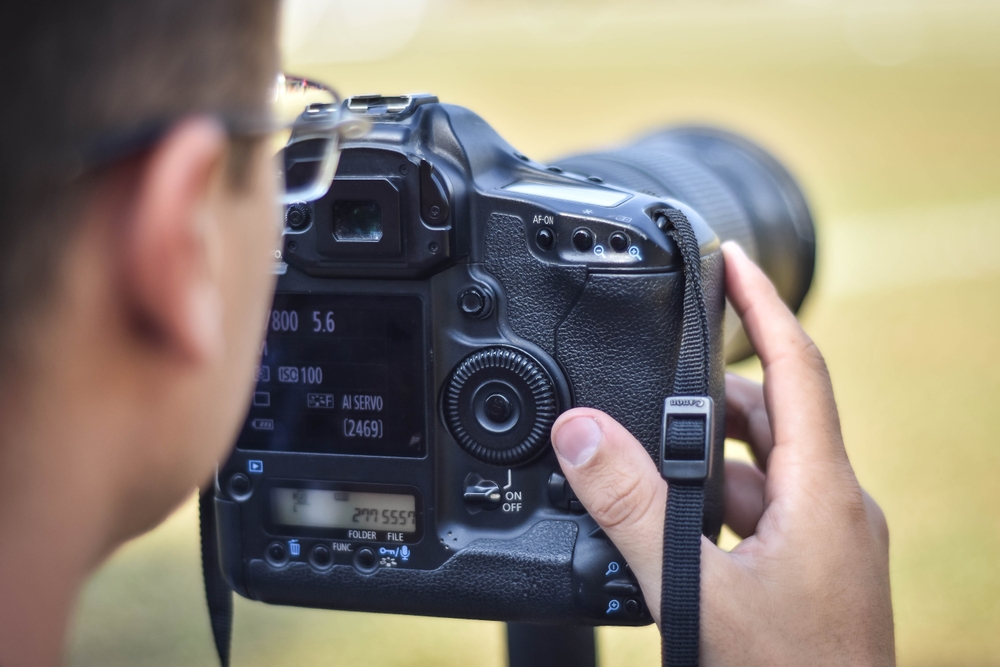
Photo by Miguel Pessoa via Shutterstock
A camera body forms the foundation of your photography kit, but it doesn’t need to be the newest model to perform professionally. Sensors, autofocus systems, and processors from just a few generations ago are still capable of producing excellent results.
When buying used, focus on reliability and ergonomics. Shutter count, battery health, button responsiveness, and port functionality matter more than minor cosmetic wear. These factors directly affect how dependable your photography kit will be in the field.
This is where buying a graded, inspected body becomes important. Knowing the exact condition of a used camera reduces uncertainty and helps you match expectations to reality. A clearly graded camera body lets you build a photography kit with confidence rather than guesswork.
Building a Lens-Based Photography Kit That Delivers Results
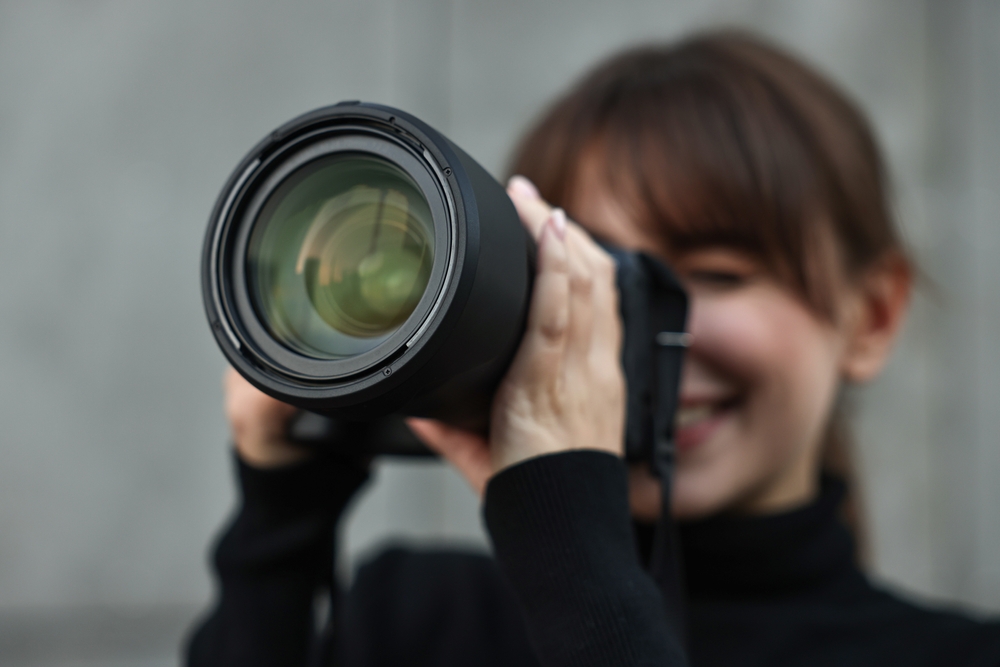
Photo by New Africa via Shutterstock
Lenses have a greater impact on image quality than camera bodies, which is why they should be the priority in any photography kit. A great lens can outlast multiple camera upgrades and retain its value far longer than a body.
A strong photography kit typically starts with a versatile standard lens, such as a fast prime or a high-quality zoom. From there, add a telephoto or specialty lens that supports your main shooting style. Buying used often makes higher-end glass attainable.
When evaluating used lenses, inspect more than just the glass. Smooth focus rings, responsive autofocus, clean mounts, and intact electronic contacts all contribute to long-term reliability. Minor cosmetic wear is usually a fair trade for professional optical performance in a budget-conscious photography kit.
Don’t Overlook Used Accessories
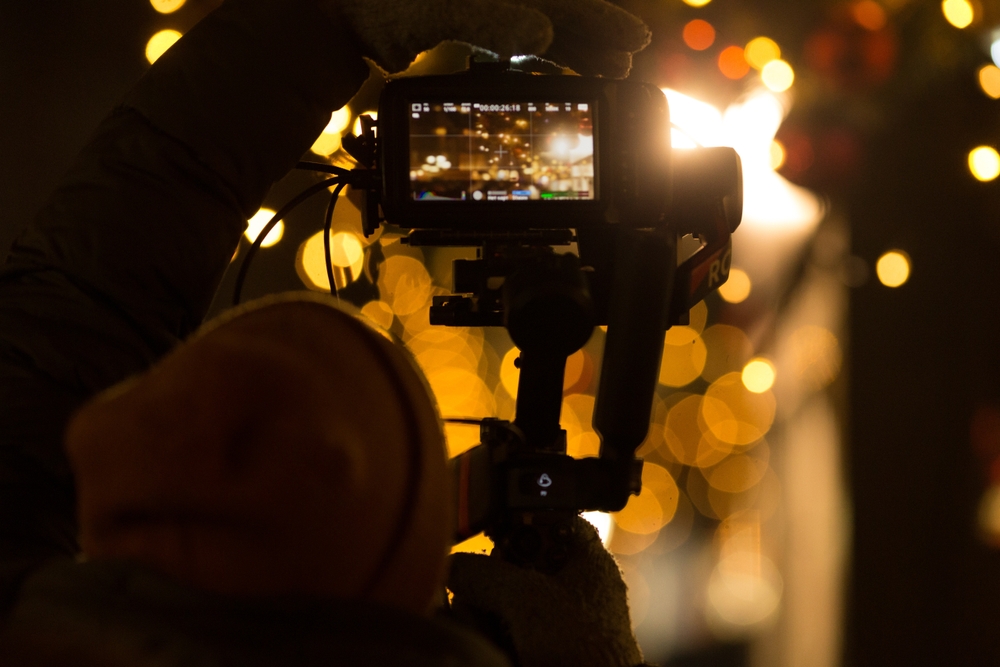
Photo by Alena Lom via Shutterstock
Accessories are an essential part of a complete photography kit, and many of them are excellent candidates for buying used. Tripods, flashes, and lighting modifiers are often built to withstand years of use with minimal degradation.
Support gear like camera bags, straps, and plates can also be purchased used with little downside. These items don’t affect image quality directly, yet they play a significant role in comfort and workflow.
Some accessories are better bought new, such as memory cards and certain batteries. Understanding where used makes sense and where it doesn’t helps keep your photography kit reliable without unnecessary spending.
Where to Buy Used Photography Gear With Confidence
Not all used marketplaces are created equal. Peer-to-peer platforms can offer low prices, but they often come with vague descriptions, no return policies, and no protection if something goes wrong.
Specialized used retailers add value through inspection, testing, and transparent grading. This removes much of the uncertainty that keeps photographers hesitant about buying used gear.
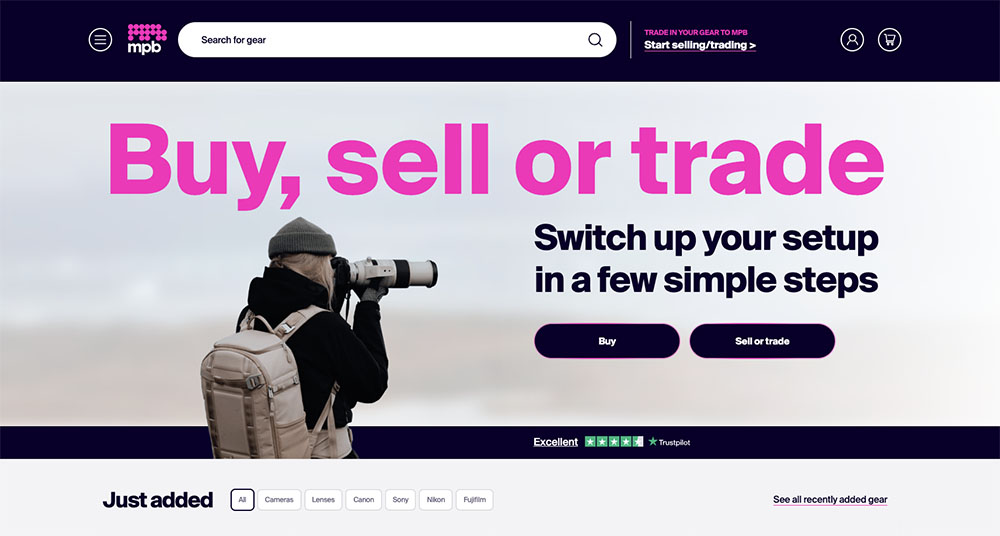
MPB is a trusted option for building a photography kit on a budget. MPB offers a huge selection of used cameras, lenses, and accessories that are thoroughly inspected and clearly graded. Most items come with a six-month warranty and a seven-day return window, making it easier to buy used with confidence and assemble a dependable photography kit.
How to Prioritize Purchases When Building a Photography Kit
Photo by djavan rodriguez via Shutterstock
Building a photography kit doesn’t need to happen all at once. Many photographers start with a solid camera body and one versatile lens, then expand as their needs become clearer.
Prioritizing lenses over bodies often yields better long-term results. A high-quality lens can elevate your images immediately and remain useful across multiple camera upgrades.
Used gear also makes experimentation more affordable. If you want to try a new focal length or shooting style, adding to your photography kit with used equipment reduces financial risk.
Final Thoughts
Photo by JCarlos VBrito via Shutterstock
A pro-level photography kit isn’t defined by price tags or release dates. It’s defined by reliability, capability, and how well it supports your creative goals.
Buying used gear allows photographers to make smarter investments, stretch their budgets, and focus on the tools that actually improve their work. When purchased from reputable sources, used equipment can be just as dependable as new.
With careful planning and trusted retailers like MPB, building a photography kit on a budget becomes less about compromise and more about making informed, confident choices.
FAQ
Is buying used photography gear safe?
Buying used gear is safe when you purchase from reputable sellers that inspect, grade, and back their equipment with warranties and return policies.
How much money can I save building a photography kit with used gear?
Savings vary, but many photographers save 30 to 50 percent compared to buying new, allowing them to afford higher-quality equipment.
What should I avoid buying used?
Memory cards and heavily worn batteries are often better purchased new due to reliability and lifespan concerns.
Is MPB good for beginners and professionals?
MPB works well for both, offering clear condition grading, a wide selection, and buyer protections that benefit photographers at any level.
A quick heads-up: If you snag something through our affiliate links or check out our sponsored content, we might earn a commission at no extra cost to you. But fear not, we’re all about recommending stuff we’re truly stoked about!

