


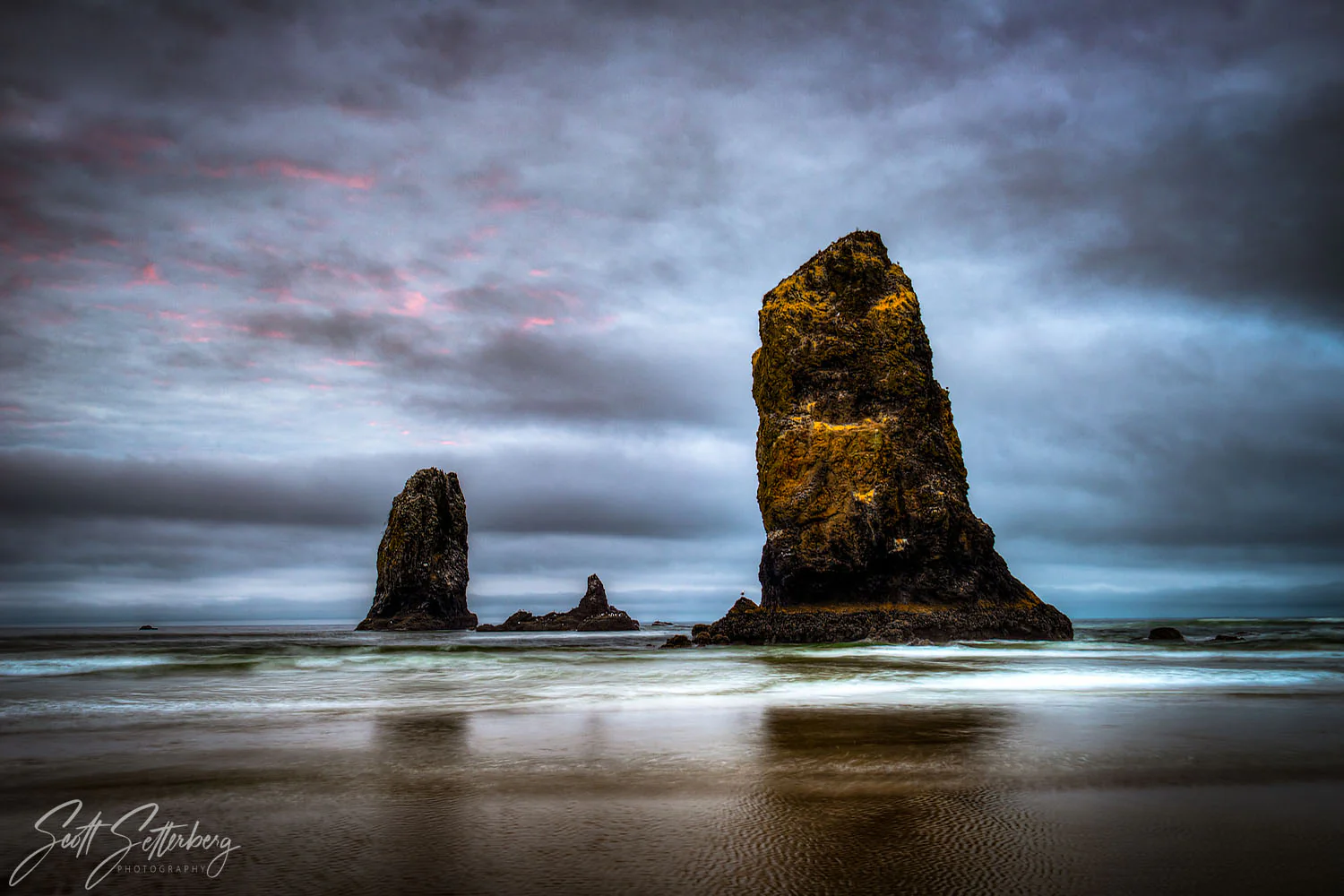
The meeting point of land and sea is one of nature’s greatest performances. The Oregon Coast—rugged, moody, and endlessly photogenic—offers you a front-row seat to that show. From golden light spilling across sea stacks to waves crashing beneath misty cliffs, each moment feels fleeting yet full of creative potential. Capturing that magic is the art of coastal photography; a pursuit that demands both technical finesse and a deep connection to place.
Whether you’re a seasoned photographer looking to refine your seascape techniques or a passionate traveler wanting to translate emotion into imagery, Oregon’s shoreline offers an ideal classroom.
Better still, ColorTexturePhotoTours’ Oregon Coast Photography Workshop takes full advantage of this landscape, providing immersive, hands-on instruction that helps you understand not only how to take the shot, but why. Along the way, you’ll learn to work with natural light, composition, and motion across some of the most inspiring scenery on the Pacific Coast. It’s not a bad way to learn coastal photography, right?
Let’s dive in and learn more about this unique and exciting genre of landscape photography.
Table of Contents
- Understanding Coastal Light and Atmosphere
- Composing Dynamic Coastal Scenes
- Capturing Motion—Mastering Waves, Waterfalls, and Tides
- Working With Coastal Icons and Landmarks
- Exploring Hidden Coastal Gems
- Beyond the Beach: Adding Variety to Your Portfolio
- The Value of Hands-On Learning in the Field
- Bringing the Coast Home
- FAQ
Understanding Coastal Light and Atmosphere
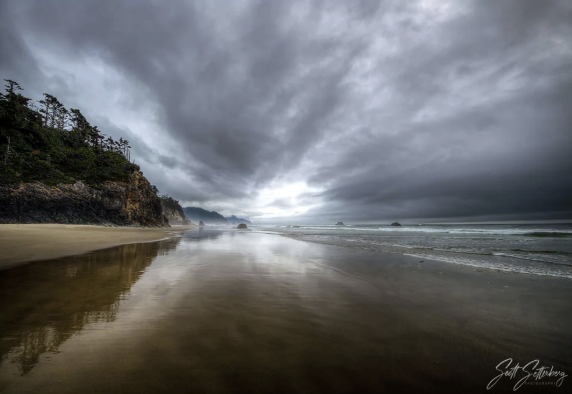
Coastal photography is as much about chasing light as it is about capturing scenery. Along the Oregon Coast, the quality of light changes dramatically from hour to hour. Early morning fog softens details, while evening sun paints everything in warm hues. Learning to recognize and adapt to these changes separates good photos from truly evocative ones. A polarizing filter can help tame reflections, while shooting in RAW ensures you have maximum flexibility when adjusting highlights and shadows later.
Timing is everything, too. Golden hour often offers spectacular conditions, but coastal clouds can diffuse light beautifully throughout the day. Many photographers underestimate the blue hour—the period just after sunset—when the sky’s subtle tones create a tranquil mood perfect for long exposures. Understanding these nuances makes coastal photography feel less like chance and more like artful anticipation.
On ColorTexturePhotoTours’ Oregon Coast Photography Workshop, you’ll spend time in places like Ecola State Park and Cannon Beach, where you’ll learn to read the light in real time. With expert guidance from ColorTexturePhotoTours’ founder Scott Setterberg, you’ll practice managing exposure and color balance as fog rolls in or the sun dips toward the horizon. It’s an invaluable opportunity to learn through experience, standing where the elements truly shape your shot.
Composing Dynamic Coastal Scenes
Composition is the foundation of powerful coastal photography. The seascape’s vastness can be overwhelming, but simple techniques help you create balance and visual interest. Look for leading lines—tide patterns, driftwood, or shoreline curves—to guide the viewer’s eye. Combine those with strong focal points such as sea stacks or cliffs to anchor the scene. Framing your shot to include foreground details brings depth and dimension to otherwise flat landscapes.
Experimentation is key as well. Shooting from low angles can highlight reflective wet sand or tidal pools, while elevated viewpoints reveal grand vistas. Also pay attention to negative space. The open sky or expanse of water that lets the main subject breathe. The goal is to capture not just a location, but the emotion of being there: calm, awe, or raw power.
Hug Point and Cannon Beach provide perfect backdrops for learning composition in the field. ColorTexturePhotoTours’ workshop encourages participants to move around at locations like these, try different lenses, and compare results. With professional feedback, you quickly begin to see how small compositional choices like tilting a horizon line or adjusting subject placement completely change a photograph’s story.
Capturing Motion—Mastering Waves, Waterfalls, and Tides
Few things challenge a photographer’s timing like moving water. Coastal photography thrives on motion—the surge of a wave, the pull of the tide, the tumble of a nearby waterfall. The trick is understanding shutter speed and how it translates motion into emotion. A fast shutter speed freezes energy mid-crash, revealing power and texture. Slow it down, and the water transforms into graceful lines that evoke serenity.
Using a tripod and neutral density filters allows longer exposures even in daylight, turning waves into silky, dreamlike streaks. Learning to anticipate movement is equally important. You must learn how to watch wave patterns, time the swells, and press the shutter just as the ocean breathes in or out.
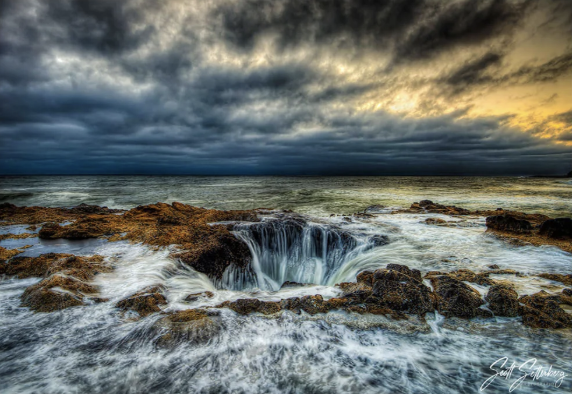
At Thor’s Well, one of the Oregon Coast’s most dramatic natural features, this technique becomes essential. It’s an ideal location for a photography workshop where you can be guided through capturing the perfect moment safely. Instructors like Scott who have decades of experience photographing areas like this, will help you master composition and exposure in a constantly changing environment. It’s the kind of lesson that sticks with you long after the trip ends!
Working With Coastal Icons and Landmarks
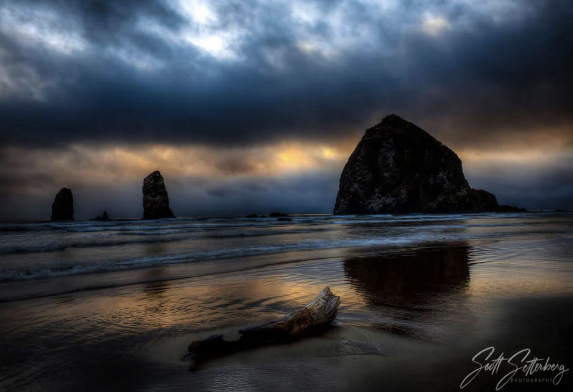
Coastal landmarks—especially lighthouses—offer photographers timeless subjects rich in character and history. The challenge is avoiding cliché shots by finding unique angles or lighting conditions. Try photographing these subjects during different times of day or under varying weather conditions. Incorporating human elements, like a distant figure on a cliff or the sweep of a light beam, can add scale and narrative.
For coastal photography, strong vertical compositions often work well with lighthouses, emphasizing height and connection to the sea. Play with reflections in tide pools or contrast against stormy skies to add mood. The key is patience—waiting for that perfect combination of light and texture that tells the full story of place.
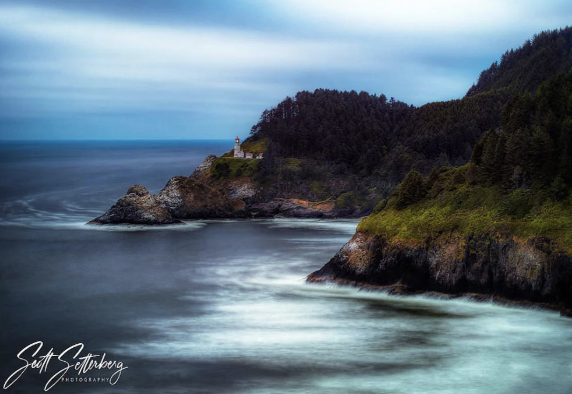
At Heceta Head Lighthouse, participants in the Oregon Coast Photography Workshop explore multiple vantage points to create a range of moods and perspectives. Whether bathed in soft morning haze or illuminated at sunset, this location demonstrates how variety and persistence produce exceptional results.
Exploring Hidden Coastal Gems
Beyond the iconic landmarks lie quiet corners of the coast where creativity thrives. Coastal photography rewards curiosity—wandering away from the crowds and discovering small details like driftwood patterns or tide pool reflections. These hidden gems offer intimate compositions that tell a more personal story of the shore.
Planning helps. Research tide charts to ensure access and safety, and scout potential compositions during low light when shadows are soft. Don’t rush the process; sometimes the best images come from simply observing how the landscape changes minute by minute.
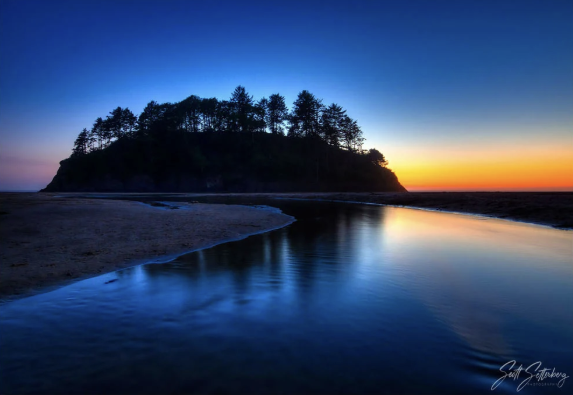
ColorTexturePhotoTours models this mantra and highlights lesser-known locations such as Neskowin and Proposal Rock, where you can focus on mood and subtle detail. These beaches, with their reflective sands and isolated sea stacks, provide ideal settings to slow down and explore a more contemplative side of coastal photography.
Beyond the Beach: Adding Variety to Your Portfolio
The beauty of the Oregon Coast extends inland, where waterfalls, rivers, and forests create new opportunities for imagery. Coastal photography isn’t limited to the ocean; it’s about capturing the environments that shape the coast itself. Shifting from seascapes to waterfalls challenges photographers to adapt exposure settings, particularly when dealing with dappled light or mist.
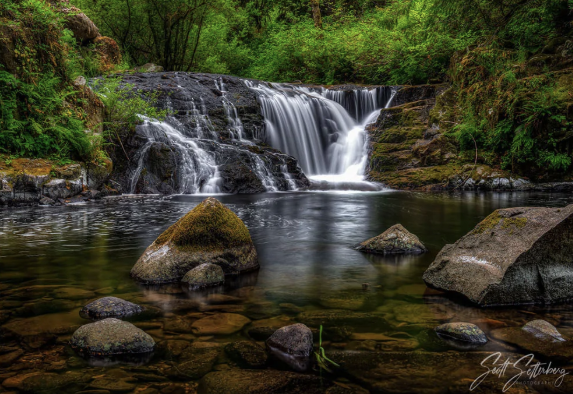
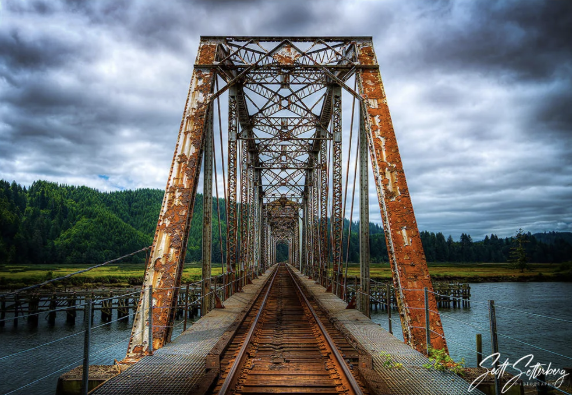
Sweet Creek Falls, for example, offers a series of cascades ideal for experimenting with long exposure techniques. Adjusting white balance helps maintain natural color as you move between environments. Including nearby bridges, like the rustic train bridge over the Siuslaw River, adds a storytelling element to your collection.
By expanding beyond the beach, participants in ColorTexturePhotoTours’ workshop learn to build diverse, cohesive portfolios that showcase the full spectrum of Oregon’s coastal beauty. This variety not only enhances technical skill but also deepens creative vision.
The Value of Hands-On Learning in the Field
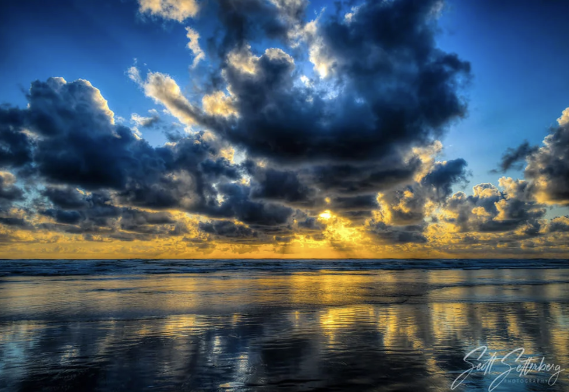
Books and tutorials can teach concepts, but real mastery comes from experience. Coastal photography is unpredictable—the weather shifts, waves surprise, light fades quickly. Learning to adapt in those moments builds confidence that no classroom can replicate. That’s why field instruction remains one of the best ways to grow as a photographer.
Working in a small group allows for personalized guidance. You can ask questions in real time, get immediate feedback, and watch how others approach similar scenes differently. It’s an environment that encourages experimentation and collaboration, both vital for creative growth.
ColorTexturePhotoTours emphasizes exactly that. By providing private transportation, comfortable accommodations, and professional mentorship, the Oregon Coast Photography Workshop allows participants to focus solely on their craft. The result is not just better photographs—but a deeper connection to the art itself.
Bringing the Coast Home
Every coastal photography adventure leaves you with more than images—it leaves you with a new way of seeing. The Oregon Coast teaches patience, observation, and respect for nature’s rhythm. Whether you’re capturing sunlight breaking through fog or waves swirling around sea stacks, the process reminds you that every frame is fleeting and irreplaceable.
If you’re ready to immerse yourself in this experience, ColorTexturePhotoTours offers an opportunity to learn, explore, and create along one of the world’s most dramatic shorelines. It’s not just about improving your technical skills—it’s about deepening your artistic intuition while surrounded by Oregon’s wild beauty.
Coastal photography is a lifelong pursuit, one that challenges you to balance precision and spontaneity. Along the Oregon Coast, every photograph tells the story of a moment that will never come again—and that’s what makes it so rewarding to capture.
FAQ
What is the best time of year for coastal photography on the Oregon Coast?
Spring and fall offer the best balance of weather, dramatic skies, and fewer crowds. However, winter storms can produce moody, powerful imagery if you’re prepared for rain and wind.
Do I need special equipment for coastal photography?
A sturdy tripod, circular polarizer, and neutral density filters are essential. Protecting your gear with rain covers and microfiber cloths is equally important near saltwater spray.
How do I prevent lens fog or moisture buildup when shooting at the coast?
Acclimate your camera slowly when moving from warm to cool environments. Keep silica gel packets in your bag and wipe lenses frequently to prevent condensation.
What skill level is required for the ColorTexturePhotoTours Oregon Coast Photography Workshop?
The workshop welcomes all levels. Beginners receive hands-on instruction to build confidence, while experienced photographers refine advanced techniques under professional guidance.
Can I photograph wildlife during the workshop?
Yes, while the focus is on landscapes, coastal photography often includes birds, seals, and other marine life. Participants are encouraged to bring telephoto lenses for those opportunities.
A quick heads-up: If you snag something through our affiliate links or check out our sponsored content, we might earn a commission at no extra cost to you. But fear not, we’re all about recommending stuff we’re truly stoked about!

