


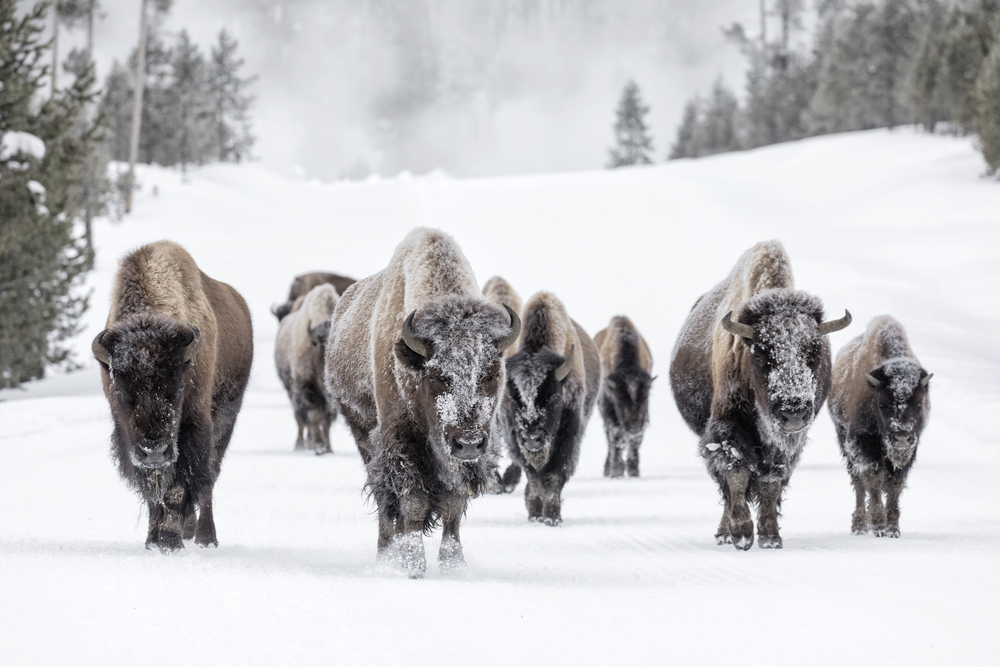
Capturing wildlife in winter landscapes offers a unique and rewarding challenge for photographers. Snow-covered forests, frozen lakes, and icy fields provide striking backdrops, while the behavior of animals changes dramatically with the season. Winter wildlife photography requires patience, skill, and the right equipment to succeed in cold and often unpredictable conditions.
Photographers face a range of obstacles, from harsh temperatures that can drain batteries to wet snow that threatens delicate camera gear. The fleeting moments when animals appear against a snowy backdrop demand quick thinking, precise settings, and reliable protection for your equipment. Preparation and knowledge are crucial to make the most of these opportunities.
Table of Contents
- Understanding Wildlife Behavior in Winter
- Essential Camera Gear for Winter Wildlife Photography
- Protective Gear for Your Camera and Lenses
- How the Camera Canopy and Camera Canopy Mini Can Help
- Winter Clothing and Personal Comfort
- Tripod, Stabilization, and Remote Shooting Tips
- Camera Settings for Capturing Wildlife in Snow
- Lighting Considerations in Winter Wildlife Photography
- Staying Safe and Respecting Wildlife
- Embracing the Challenges of Winter Wildlife Photography
- FAQ
Understanding Wildlife Behavior in Winter
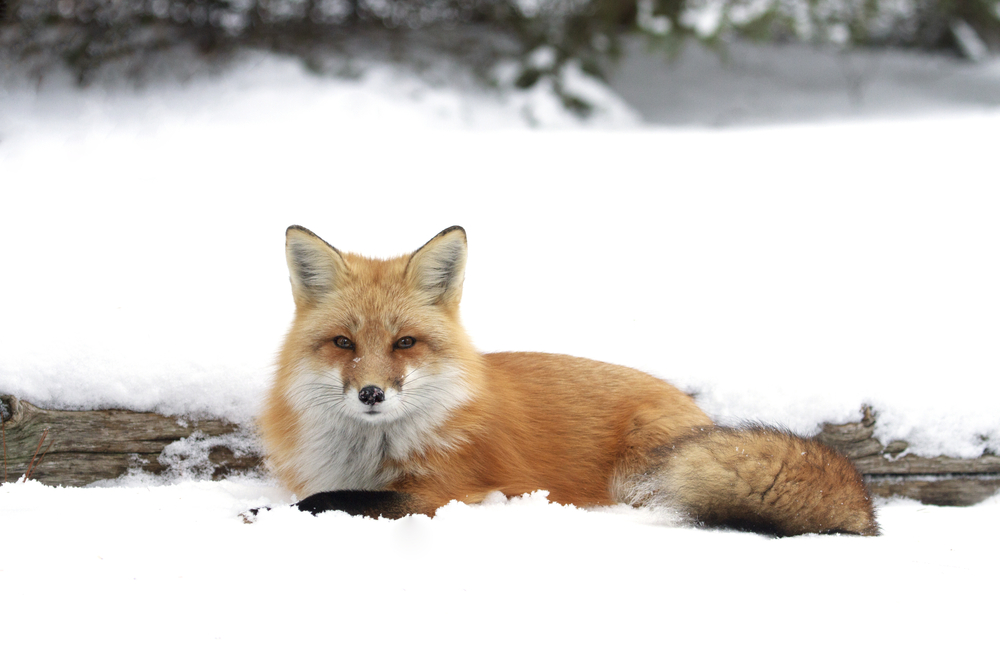
Photo by Christopher MacDonald via Shutterstock
Animals behave differently during winter, adapting to colder temperatures and reduced food availability. Deer, elk, birds, and smaller mammals often adjust their activity patterns, which affects the best times and locations for photography. Observing these patterns helps anticipate where and when animals may appear.
Winter wildlife photography often requires patience and stealth. Animals are more cautious during cold weather, and unexpected movement or noise can easily spook them. Spending time quietly observing your surroundings before taking a shot increases your chances of capturing natural behavior.
Weather conditions also play a role. Snow, wind, and temperature fluctuations influence both animal behavior and your ability to shoot. By understanding these environmental factors, photographers can position themselves strategically and plan for successful winter wildlife shoots.
Essential Camera Gear for Winter Wildlife Photography
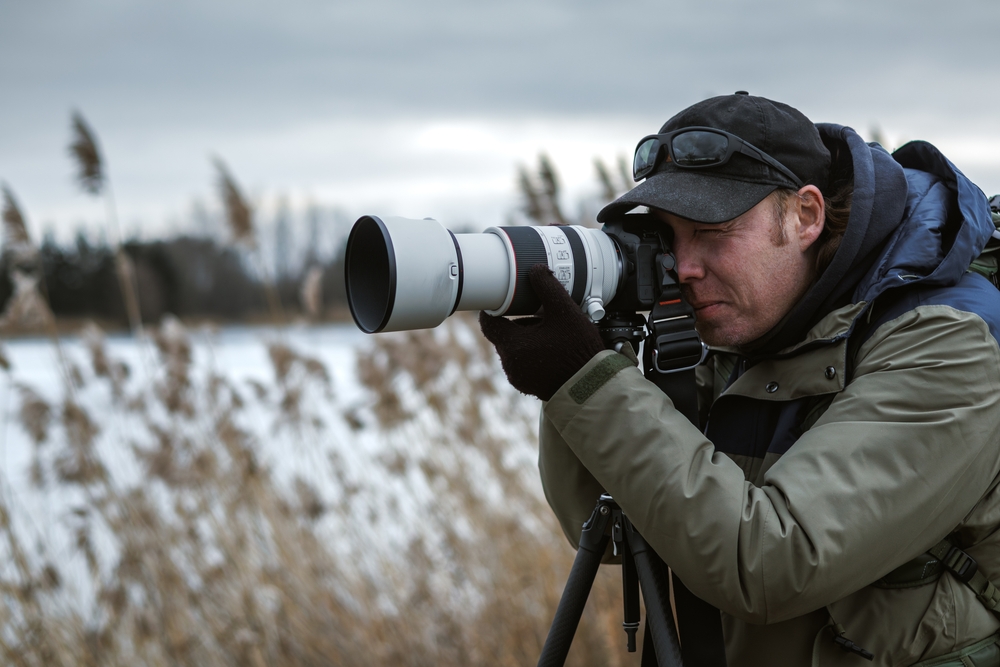
Photo by encierro via Shutterstock
Telephoto lenses between 200mm and 600mm are ideal for winter wildlife photography, allowing you to capture distant animals without disturbing them. Fast lenses with wide apertures help manage low-light conditions often found in snowy landscapes.
Extra batteries and memory cards are essential since cold temperatures drain battery life quickly. Carrying backups ensures you don’t miss critical moments due to power loss or full memory cards.
Accessories like lens hoods, weather-resistant camera bags, and protective covers help safeguard your equipment from snow and ice. Choosing gear designed for winter conditions minimizes interruptions and allows more focus on composition and timing.
Protective Gear for Your Camera and Lenses
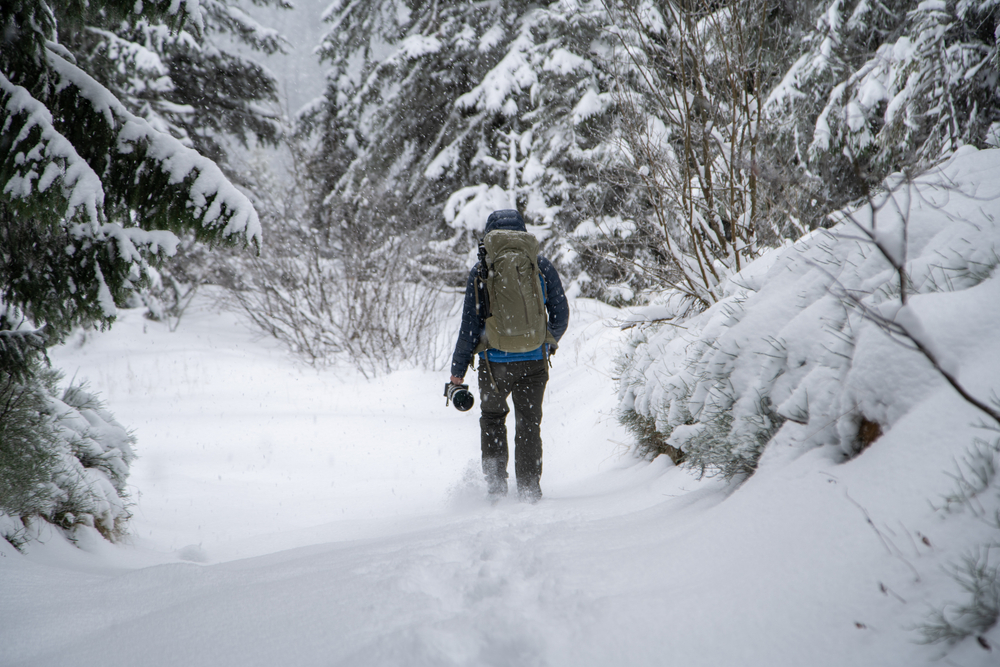
Photo by AndreiL via Shutterstock
Snow, condensation, and freezing temperatures pose risks to camera gear. Moisture can seep into lenses and camera bodies, potentially causing long-term damage, while condensation from moving between cold and warm environments can fog lenses and viewfinders.
General weatherproofing strategies include insulated bags and microfiber cloths for lens cleaning. Carrying a dry bag or protective case ensures that cameras remain safe during treks or while waiting for wildlife to appear.
Proper gear protection allows photographers to remain focused on the subject without worrying about equipment failure. Being proactive in protecting cameras and lenses is especially critical during snowstorms or wet conditions, where risks are higher.
How the Camera Canopy and Camera Canopy Mini Can Help
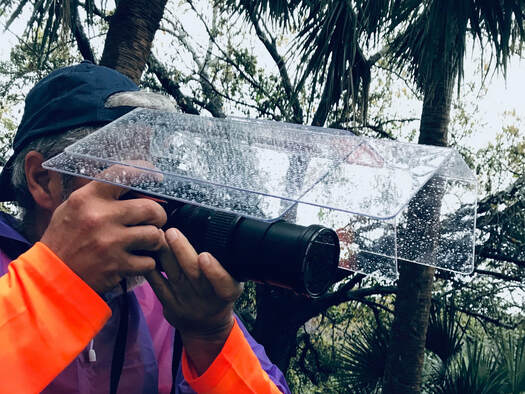
The Camera Canopy provides comprehensive protection for DSLR and large-lens setups in winter wildlife photography. Mounting to the hot shoe, it shields cameras from falling snow and rain while allowing full access to camera controls. Its retractable design accommodates telephoto lenses, and the optional rear shield adds tripod protection.
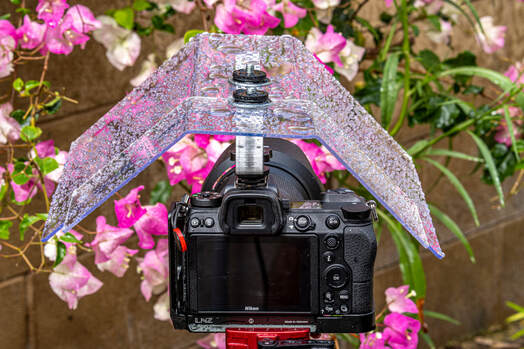
The Camera Canopy Mini offers the same functionality in a smaller, lighter package, ideal for mirrorless cameras or smaller-lensed setups. Weighing only 14.2 ounces and including a rear tripod shield, the Mini allows photographers to move freely without compromising weather protection.
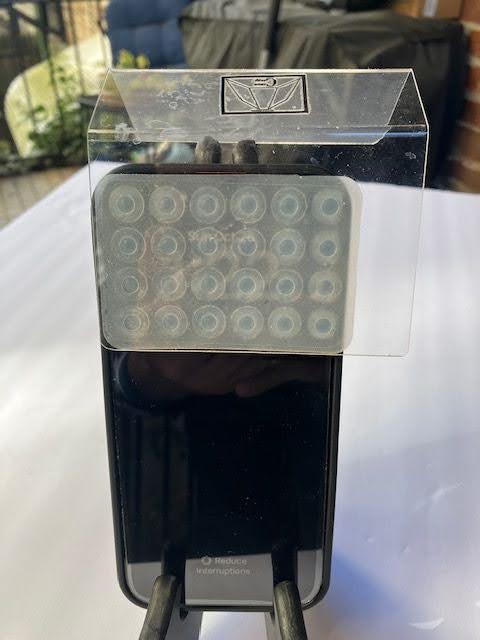
For smartphone users, the Camera Canopy for Mobile provides compact, one-piece protection. It extends over the lens using suction cups, ensuring the phone camera remains dry during winter wildlife shoots. All three models give photographers confidence to continue shooting in adverse conditions, keeping hands free and equipment safe.
Winter Clothing and Personal Comfort
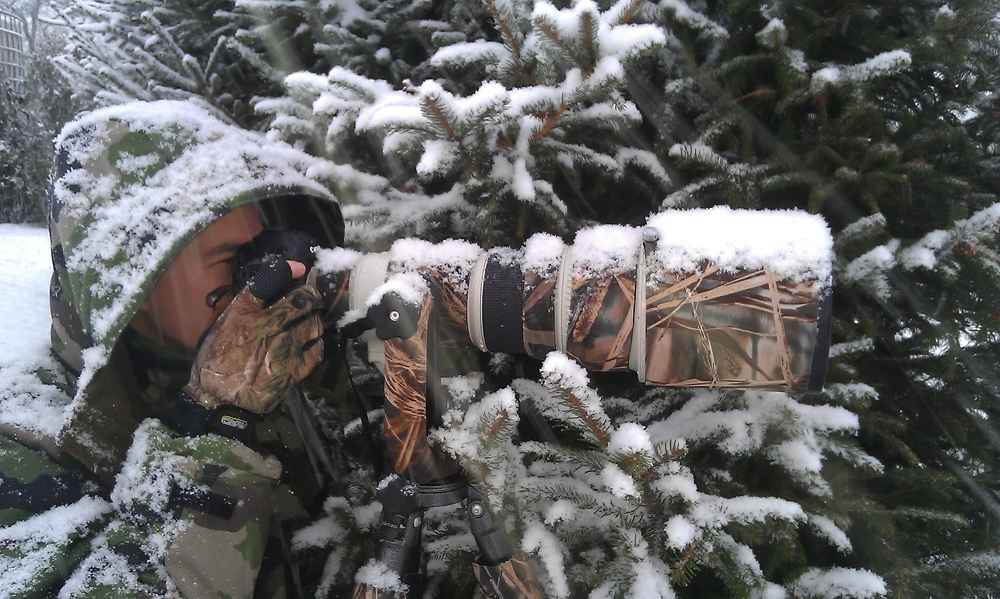
Photo by Wild Carpathians via Shutterstock
Maintaining personal comfort is essential for prolonged winter wildlife photography. Layered clothing helps trap heat, while waterproof boots and insulated gloves protect extremities. Breathable materials prevent overheating during active movement.
Keeping hands warm while retaining dexterity is critical for camera operation. Specialized gloves with removable fingertips or thin inner liners allow photographers to adjust settings and handle equipment comfortably.
Proper clothing and comfort strategies allow photographers to focus on composition and timing rather than battling the cold, making it possible to capture compelling images even during extended sessions outdoors.
Tripod, Stabilization, and Remote Shooting Tips
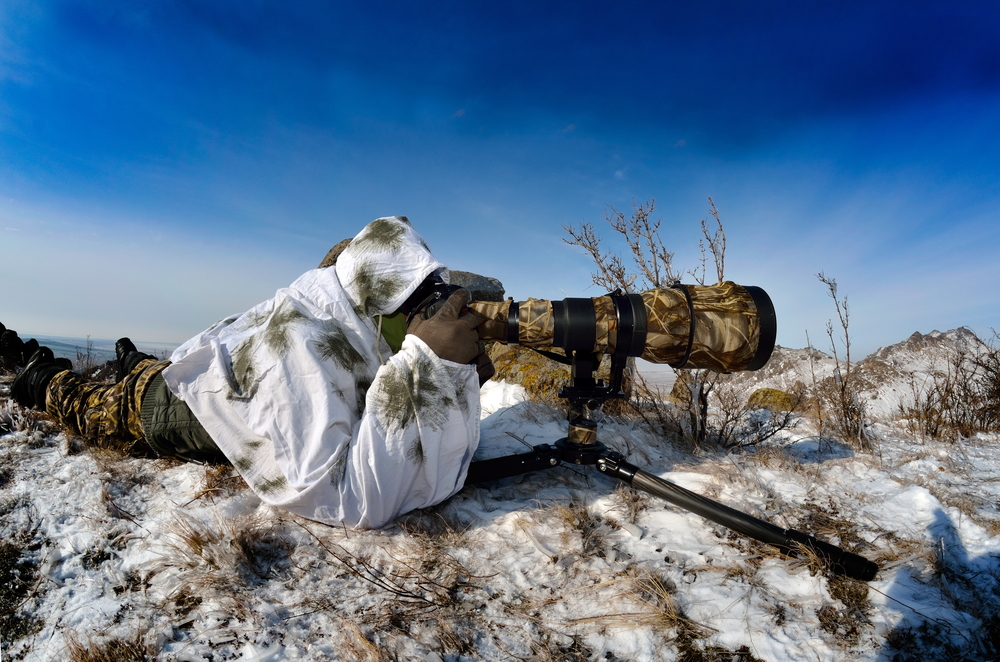
Photo by aaltair via Shutterstock
Tripods are essential for winter wildlife photography, particularly when using long lenses or slow shutter speeds. A sturdy tripod ensures stability on snowy or icy terrain, reducing camera shake.
Remote shutter releases allow photographers to trigger shots without touching the camera, minimizing vibration. Wireless or cable releases work well, especially when combined with tripod use in challenging winter environments.
Monopods or gimbals can provide alternative stabilization for more mobile shooting. Choosing the right tool depends on the scene, distance to subjects, and level of mobility required.
Camera Settings for Capturing Wildlife in Snow
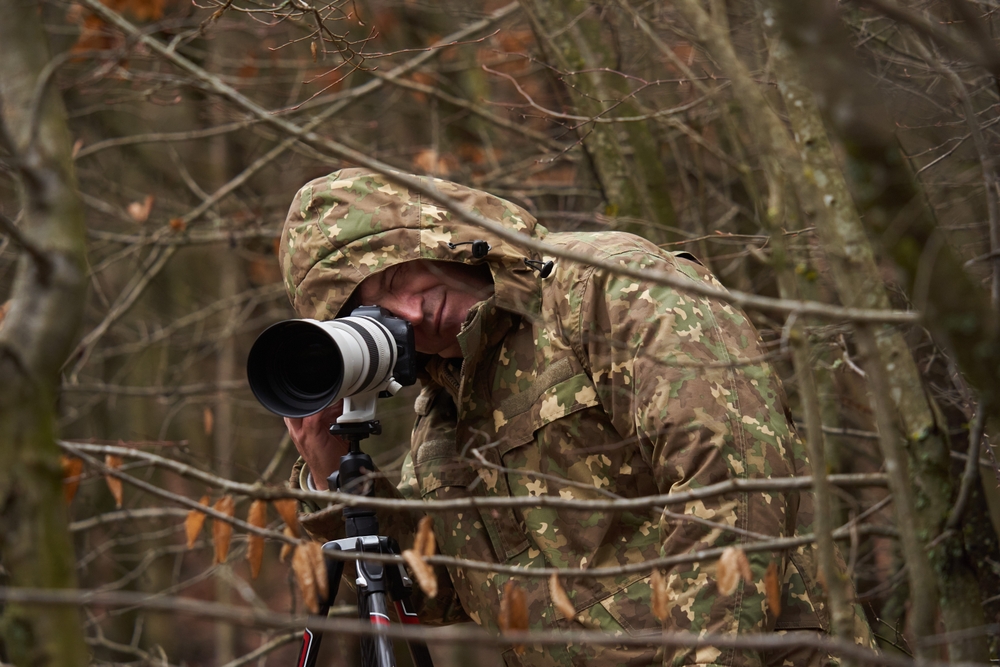
Photo by Slatan via Shutterstock
Proper camera settings are crucial for photographing winter wildlife. Snow-covered backgrounds can trick exposure meters, often causing underexposed shots. Adjusting exposure compensation helps maintain accurate brightness.
Fast shutter speeds freeze animal movement, capturing sharp details even when subjects are active. Continuous autofocus or tracking modes keep moving wildlife in focus, while back-button focus can help maintain control over precise focus points.
ISO adjustments are often necessary in low-light winter conditions. Balancing ISO for minimal noise while maintaining adequate exposure is key to preserving fine detail in wildlife subjects.
Lighting Considerations in Winter Wildlife Photography
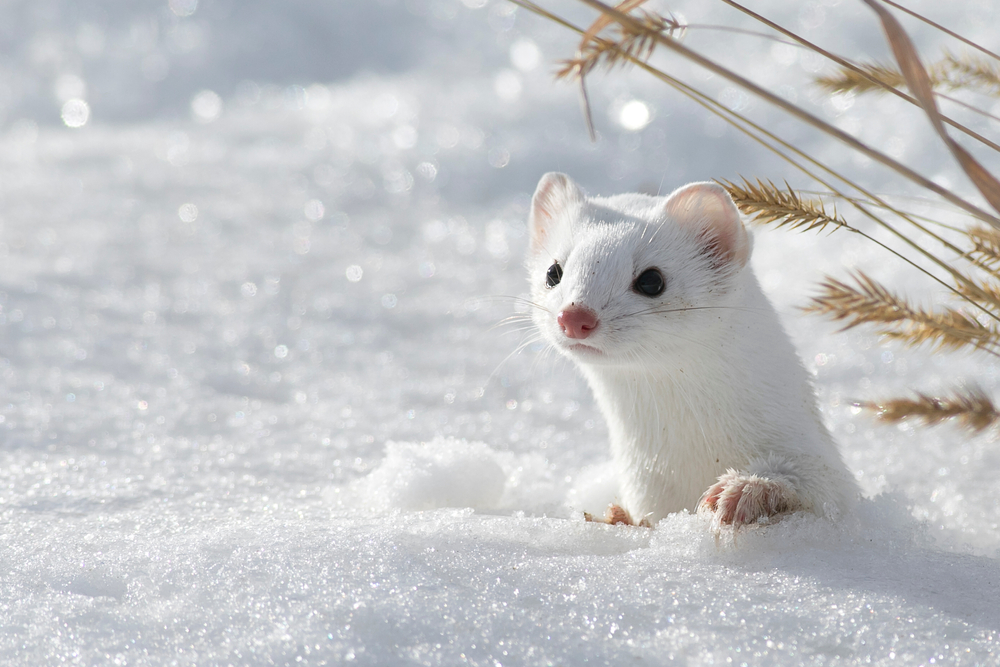
Photo by Nicholas Taffs via Shutterstock
Lighting can be challenging when shooting wildlife in snow. Bright snow can create harsh reflections and blow out highlights if not managed properly. Early morning and late afternoon light provide softer, warmer tones.
Using natural light strategically enhances texture and detail in animal fur or feathers. Positioning yourself with the sun behind or to the side can create pleasing shadows that add depth to your images.
Artificial lighting should be used sparingly. LED panels or diffused flash can provide additional illumination in low-light scenarios without startling wildlife or melting snow, preserving the natural look of the scene.
Staying Safe and Respecting Wildlife
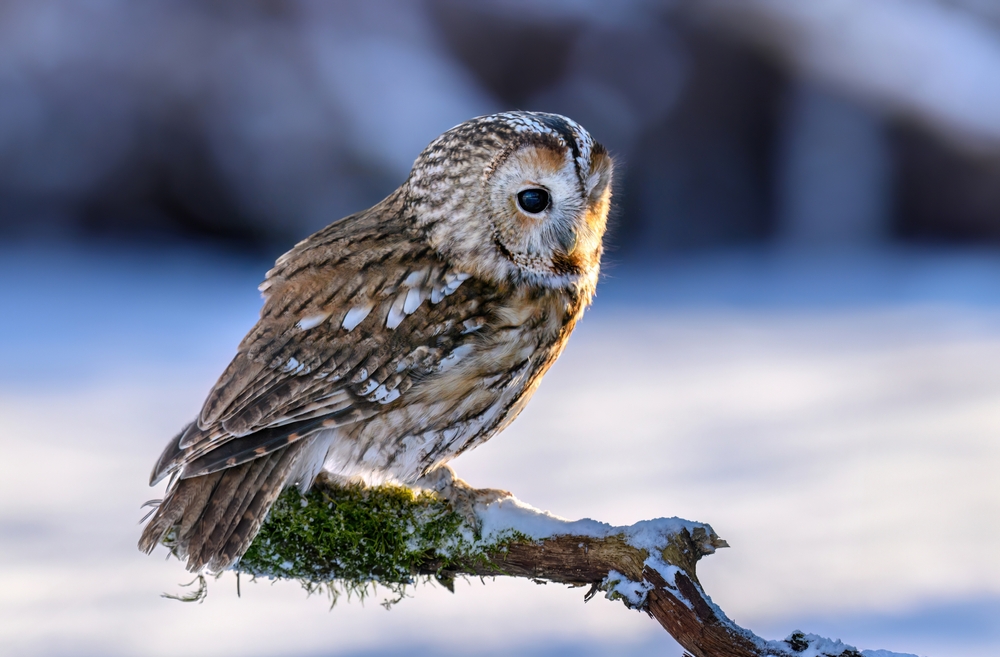
Photo by Piotr Krzeslak via Shutterstock
Photographers must maintain safe distances from animals to avoid disrupting natural behavior. Using long lenses helps capture intimate moments without intrusion.
Awareness of surroundings is critical for safety. Slippery ice, hidden snow-covered obstacles, and extreme temperatures require careful movement and preparation.
Respecting wildlife ensures ethical photography practices. Minimizing stress to animals preserves both their well-being and the integrity of your images, allowing for more authentic shots.
Embracing the Challenges of Winter Wildlife Photography
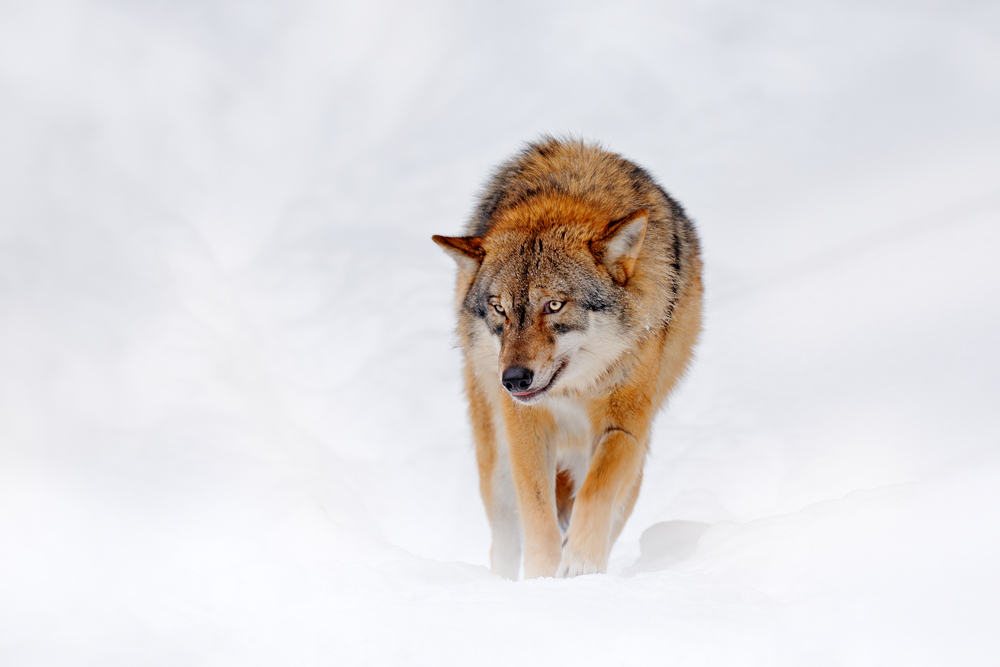
Photo by Ondrej Prosicky via Shutterstock
Winter wildlife photography requires adaptability, patience, and preparation. Weather, terrain, and animal behavior are unpredictable, but with the right gear and strategies, photographers can capture remarkable images.
Using protective gear like the Camera Canopy, Mini, or Mobile models allows photographers to focus on composition and timing rather than equipment safety. Embracing the challenges of snow, cold, and moisture enhances creativity and problem-solving.
With persistence and attention to detail, photographers can achieve stunning winter wildlife images that capture the season’s beauty and the essence of animal behavior in harsh conditions.
FAQ
What lenses are best for winter wildlife photography?
Telephoto lenses between 200mm–600mm are ideal, allowing you to capture distant subjects without disturbing them.
How can I keep my camera batteries from dying quickly in the cold?
Keep spare batteries in an inner pocket close to your body, swap them regularly, and avoid leaving them exposed to cold air.
Can I use the Camera Canopy on a tripod setup?
Yes, both the Camera Canopy and Camera Canopy Mini include rear shields specifically designed for tripod use.
How do I avoid disturbing wildlife while shooting in winter?
Maintain distance, move slowly, use natural cover or camouflage, and avoid sudden movements or loud noises.
Is handheld shooting possible in snowy conditions?
Yes, but using tripods, monopods, or stabilization tools along with protective gear ensures sharper images and safer equipment handling.
Our articles might have affiliate links and the occasional sponsored content, but don’t sweat it – if you buy something, we get a little kickback at no extra cost to you, and we only hype products we truly believe in!
Learn More:
- How to Shoot in Snowstorms: Practical Tips for Beginners
- How to Photograph Your Winter Adventures Without Ruining Your Gear
Hero photo by David Osborn via Shutterstock

