

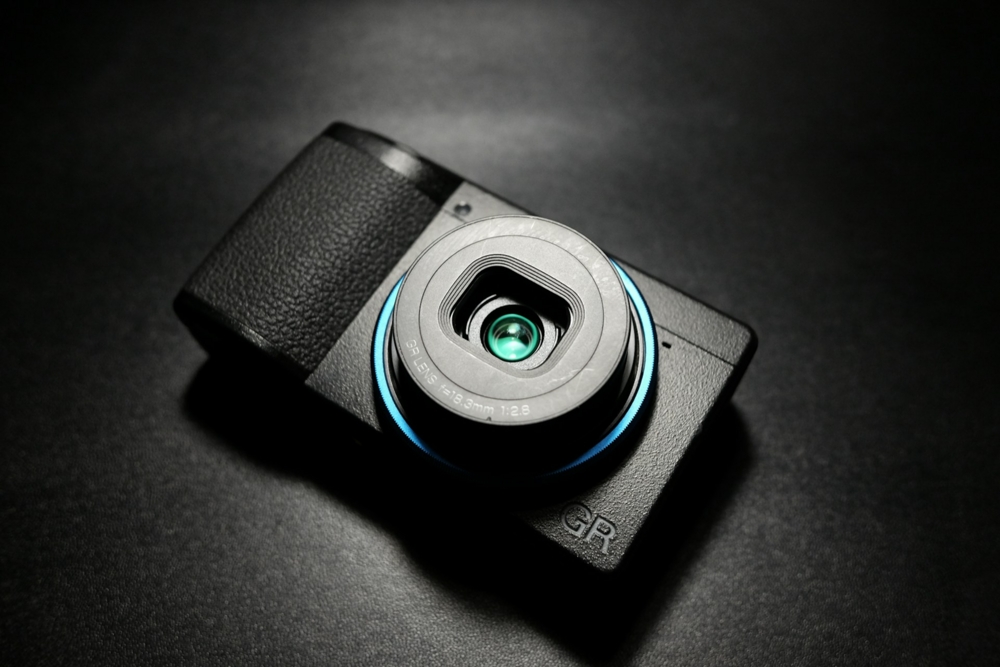
The Ricoh GR III is a compact camera designed for photographers who value precision, portability, and image quality in equal measure. Even as smartphone cameras have improved, the GR III offers an experience that goes beyond mere snapshots. With its responsive controls and advanced imaging technology, it turns fleeting moments into expressive photography opportunities.
More than just a point-and-shoot, the Ricoh GR III invites users to engage creatively. From street photography to travel and close-up shots, the camera’s 28mm f/1.9 lens, high-sensitivity sensor, and fast autofocus system provide the tools needed to capture images exactly as envisioned. Each shot feels intentional, with options that allow photographers to manipulate exposure, focus, and color with precision.
In this updated 2026 review, we’ll cover every major aspect of the Ricoh GR III, from its design and lens performance to advanced shooting features and long-term usability. Whether you are considering buying new or used, this review will help you understand how the GR III can elevate your photography and why it remains a compelling choice for enthusiasts.
Table of Contents
- Design and Portability
- Lens and Optical Performance
- Image Processing and Sensor
- Autofocus and Shooting Performance
- Exposure, Bracketing, and Creative Control
- Display, Viewfinding, and Usability
- Durability and Build Quality
- Accessories and Expandability
- Value and Buying Used
- Function-Enhancing Firmware and Long-Term Use
- Who Benefits from the Ricoh GR III
- FAQ
Design and Portability
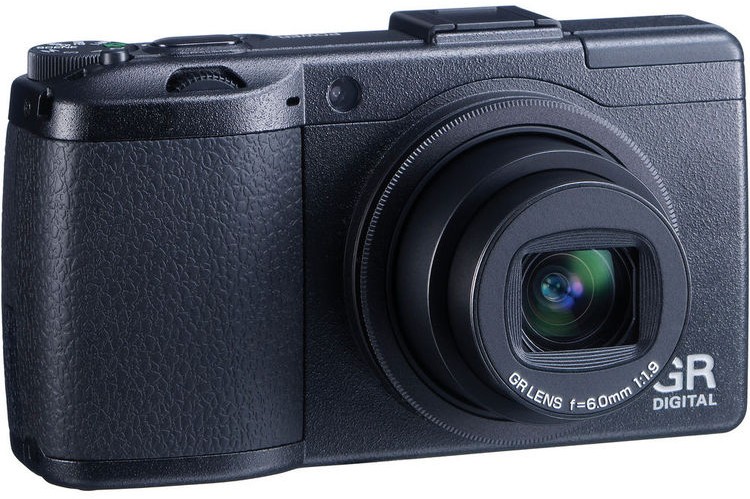
The Ricoh GR III is compact, pocketable, and designed for photographers who want to move freely without sacrificing control. Its lightweight magnesium alloy body gives it both durability and portability, making it suitable for street photography, travel, or spontaneous shoots. Despite its small size, the grip is comfortable and secure, allowing for steady shooting even when handheld for extended periods.
The design philosophy of the GR series is evident in the GR III. Minimalist and intuitive, the camera’s layout focuses on quick access to essential controls. The mode dial, customizable function buttons, and ADJ lever ensure that photographers can make adjustments efficiently, keeping attention on the composition rather than menu navigation.
Portability does not come at the expense of usability. Every aspect of the design is intended to keep the camera always ready. With this combination of compact size, ergonomic grip, and thoughtful control placement, the Ricoh GR III embodies the “ready for action” approach that the GR series is known for.
Lens and Optical Performance
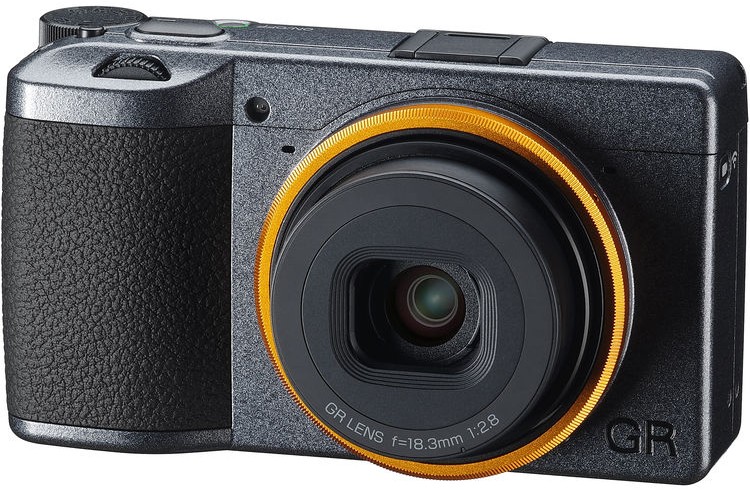
At the heart of the Ricoh GR III is the 28mm f/1.9 GR lens, designed to maximize creative flexibility. The fast aperture allows for low-light shooting and shallow depth of field, giving photographers more expressive control over subject isolation and background blur. The lens is precise, with high-quality aspherical and low-dispersion elements that minimize distortion and color aberrations, delivering sharp, contrast-rich images across the frame.
Ghosting and flare are common issues in compact cameras, but the GR III addresses these with multi-coated lens elements and simulated lens curvature optimization. Backlit scenes remain clean, and off-screen light sources, such as the sun, have minimal effect on image quality. Macro shooting is enhanced with a corrected field curvature system, allowing close-up images with excellent edge-to-edge sharpness.
The camera also includes a 1:1 square format mode, expanding creative options. This framing style provides a fresh perspective for composition and emphasizes subject presence, making it useful for both artistic projects and social media content. Overall, the lens system on the Ricoh GR III is engineered to provide precise, high-quality imaging in a small, portable package.
Image Processing and Sensor
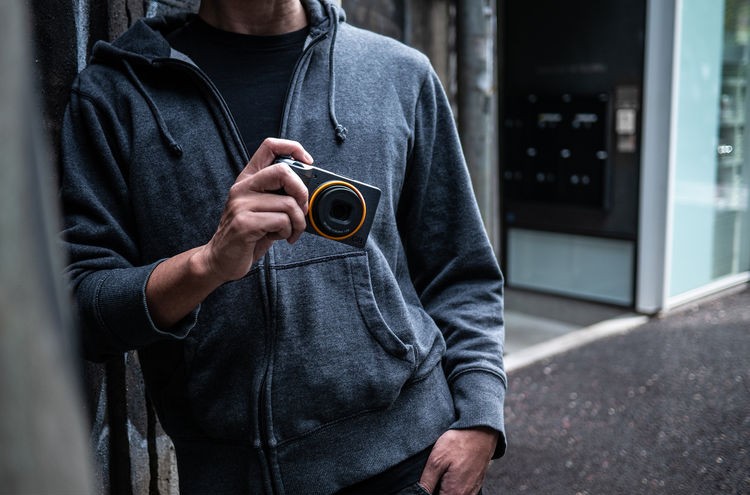
The Ricoh GR III features a 10-megapixel high-sensitivity CCD sensor, which doubles the ISO sensitivity compared to its predecessor. This improvement allows photographers to capture clean, detailed images even in low-light conditions. The sensor’s combination with the GR Engine III ensures low-noise processing while preserving color fidelity and fine tonal gradation.
Ricoh’s pixel output interpolation algorithm expands dynamic range by +1 EV equivalent, reducing whiteout in high-contrast scenes. The camera’s multi-pattern auto white balance system optimizes color reproduction in complex lighting environments, such as a mix of natural and artificial light. For high-contrast scenes, the Dynamic Range Double Shot function combines two exposures, creating a balanced image with detail in both shadows and highlights.
These features make the Ricoh GR III a reliable tool for photographers who demand high-quality results straight out of the camera, without relying heavily on post-processing. It balances the needs of speed, accuracy, and realism in a way that supports spontaneous and creative shooting.
Autofocus and Shooting Performance
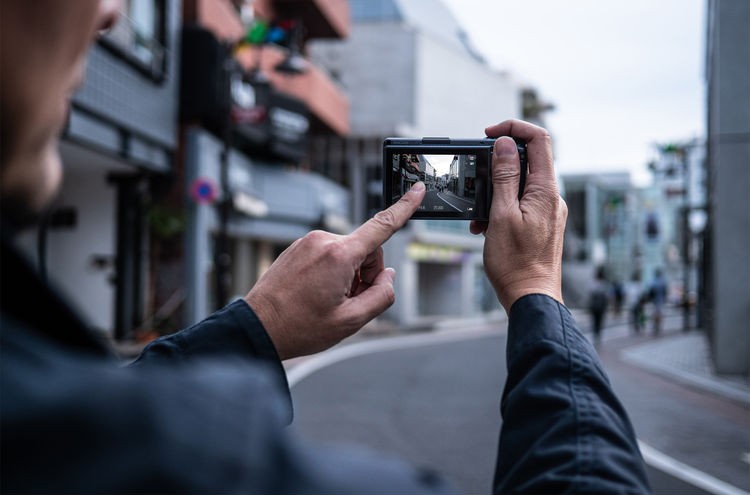
The Ricoh GR III offers fast autofocus performance, even in low-light conditions where contrast detection can be slow. Pre-AF ensures that the camera is ready to capture moving subjects instantly, while the Full Press Snap function allows one-touch shooting at a pre-set focal distance. Together, these features reduce missed opportunities and improve confidence when capturing decisive moments.
Continuous shooting is enhanced with an expanded buffer that allows up to five RAW shots, even for high-speed bracketing. RAW writing speed has been optimized to under three seconds per image, minimizing downtime between shots. AE/AF target shift lets photographers independently adjust focus and exposure points, ideal for precise macro or tripod work.
With these systems in place, the Ricoh GR III delivers responsive shooting performance that keeps pace with dynamic scenes. Whether capturing street action or subtle lighting shifts, the camera’s combination of speed, accuracy, and flexibility ensures reliable results.
Exposure, Bracketing, and Creative Control
The Ricoh GR III offers extensive exposure modes, including program, aperture priority, shutter priority, and manual, giving photographers full control over motion and depth of field. Shutter speed priority is especially useful for panning or freezing action, while the three types of bracketing—exposure, white balance, and color—allow experimentation without missing a shot.
Image quality parameters include individual color adjustment and a vivid mode for high-saturation images. Flash control is equally flexible, with 12-step manual adjustments, first and second curtain sync, and the ability to balance subject and background lighting. These options provide creative freedom to experiment with light and color directly in-camera.
The Ricoh GR III’s approach to exposure and creative control allows photographers to manipulate the final image while keeping the shooting process intuitive and efficient, ensuring that every shot reflects their artistic intent.
Display, Viewfinding, and Usability
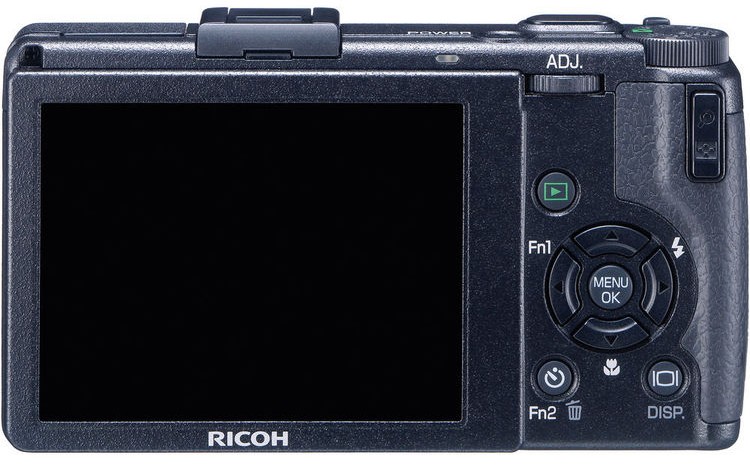
The 3.0-inch high-VGA LCD provides clear visibility and accurate color reproduction with 100% sRGB coverage. Photographers can frame shots, review images, and adjust settings with confidence. An electronic level helps maintain accurate horizons, and multiple grid guides—3×3, 4×4 with diagonals, and 2×2—assist in precise composition.
Customization is a key feature, with My Settings allowing up to six sets to be stored and three instantly selectable via the mode dial. Two dedicated function buttons and customizable dials reduce the need to navigate menus, keeping operations intuitive. One-push playback zoom ensures efficient image review without interrupting workflow.
These usability enhancements make the Ricoh GR III a camera that can be tailored to individual shooting styles, increasing efficiency and ensuring that creative ideas can be captured without technical distractions.
Durability and Build Quality

The GR III features a magnesium alloy body that combines lightweight construction with durability. It resists shocks, handles heat efficiently, and provides magnetic shielding, making it suitable for varied shooting conditions. Photographers can rely on its robust build for street photography, travel, or intense daily use.
The attention to quality extends to buttons, dials, and the overall fit and finish. Each control feels precise, providing confidence that the camera will respond consistently in demanding situations. The Ricoh GR III balances portability with a solid, professional feel that complements its high-performance imaging capabilities.
For photographers seeking reliability without added bulk, the GR III demonstrates that a compact camera can also meet the standards of professional-grade durability.
Accessories and Expandability
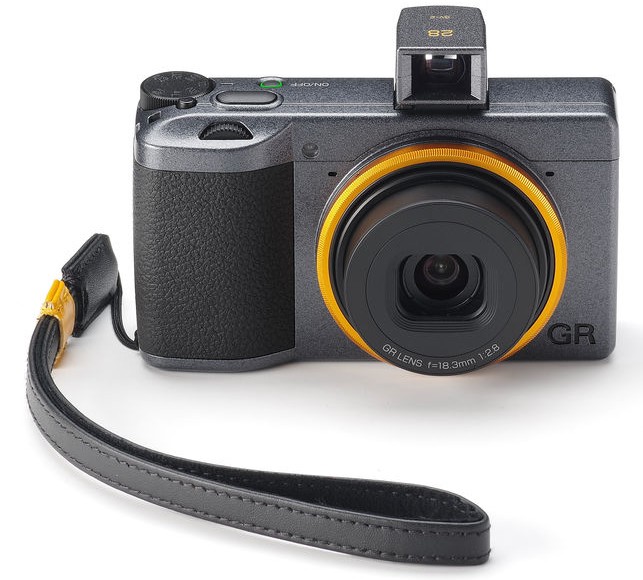
The Ricoh GR III supports a range of system accessories to extend its capabilities. Optional lenses include a 21mm wide conversion lens, while lens hoods and adapters protect optics and enhance performance. External viewfinders and the GF-1 flash expand creative possibilities, offering TTL flash compatibility with pre-flash control.
Soft cases such as the GC-3 and GC-4 provide protection while maintaining quick access to the camera. These accessories, combined with the camera’s compact design, allow photographers to adapt the GR III for specialized shooting scenarios, from low-light environments to architectural and street photography.
System expandability ensures that the Ricoh GR III continues to meet the evolving needs of photographers, extending its relevance and usefulness over time.
Value and Buying Used

The Ricoh GR III offers excellent value for its price, especially when considering its build quality, lens performance, and advanced shooting features. For many photographers, buying a used GR III is a practical choice. Trusted online platforms like MPB provide access to well-maintained cameras with a 6-month warranty and a 7-day return window, giving peace of mind alongside cost savings.
Purchasing used can make this high-performing camera accessible to more photographers without sacrificing reliability. MPB and similar platforms inspect each unit to ensure it meets quality standards, so users receive a camera ready for immediate use, backed by customer protection policies.
For those considering a first GR III or upgrading from an older model, buying used represents an opportunity to access professional-level photography tools without paying full retail price, all while benefiting from warranties and return options.
Function-Enhancing Firmware and Long-Term Use
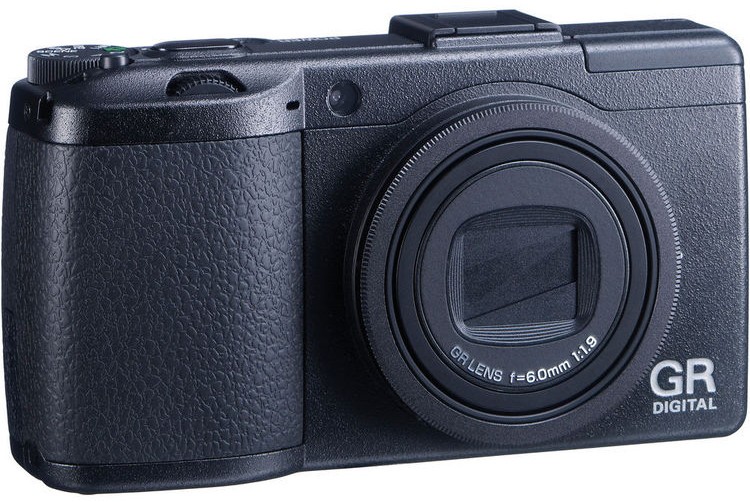
Ricoh continues to support the GR III with firmware updates that enhance functionality and address user feedback. These updates add features and improve performance over time, ensuring that the camera remains relevant years after purchase.
This commitment to continuous improvement allows photographers to invest in the GR III with confidence, knowing it will evolve with their needs. Combined with its durable construction and modular accessory support, the camera is designed for long-term use, rewarding both new and experienced photographers.
By keeping the system current, Ricoh maximizes the value and utility of the GR III, reinforcing its role as a compact yet capable creative tool.
Who Benefits from the Ricoh GR III
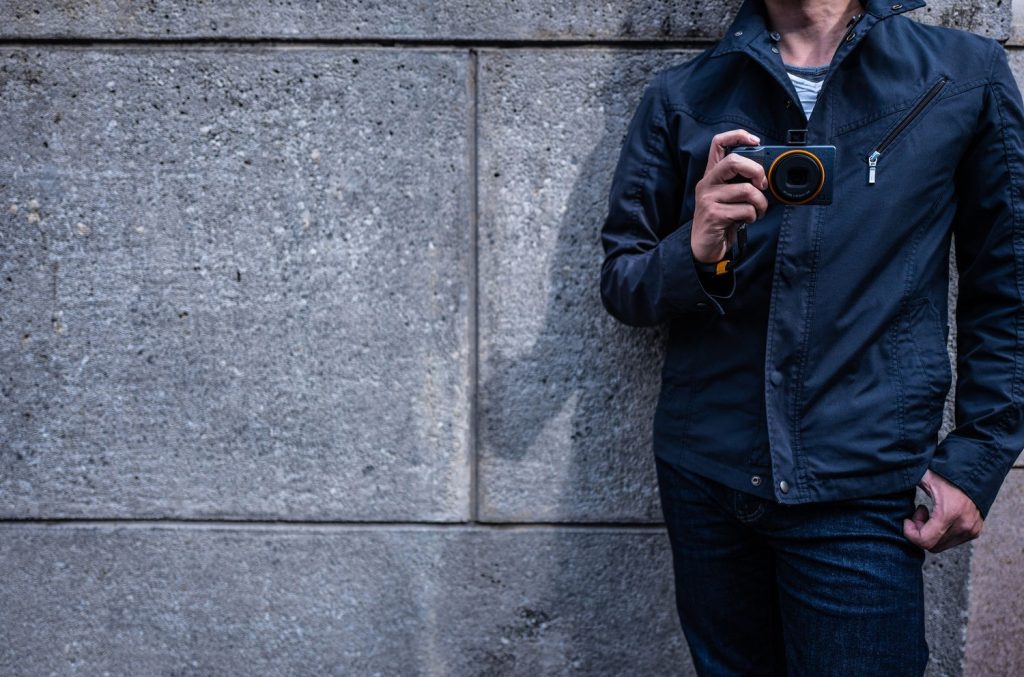
The Ricoh GR III is ideal for photographers who prioritize portability without compromising on image quality. Street photographers, travelers, and creative hobbyists will appreciate its compact form, responsive controls, and high-performance lens. Those who value intuitive exposure and focus control, alongside robust image processing capabilities, will find the GR III highly satisfying.
Its combination of advanced features, durable design, and optional system accessories makes it suitable for both spontaneous shooting and more deliberate, creative projects. The GR III is a camera for those who want a compact tool that encourages experimentation while producing professional-quality results.
FAQ
What is the main advantage of the Ricoh GR III over smartphones?
The GR III offers a larger sensor, superior lens quality, advanced exposure control, and customizable settings that allow for professional-quality images in compact form, outperforming typical smartphone cameras.
Can the Ricoh GR III handle low-light photography?
Yes, the 10MP high-sensitivity CCD and f/1.9 lens, combined with GR Engine III noise reduction, allow for clear, detailed low-light images without significant noise.
Is it worth buying a used Ricoh GR III?
Absolutely. Platforms like MPB offer used GR III cameras with a 6-month warranty and a seven-day return window, providing reliable options at a reduced cost.
Does the Ricoh GR III support RAW shooting?
Yes, the camera supports RAW image capture, with fast continuous shooting and accelerated RAW write speeds, making it ideal for post-processing flexibility.
What types of photography is the Ricoh GR III best suited for?
It excels in street, travel, macro, and creative photography where portability, speed, and precise control over exposure and focus are important.
Can the Ricoh GR III be expanded with accessories?
Yes, optional wide conversion lenses, external viewfinders, flashes, and soft cases are available, expanding the camera’s versatility for various shooting situations.
Heads up: Clicking on our affiliate links and exploring our sponsored content helps us at no extra cost to you, and we only recommend gear we’re absolutely crazy about!

