


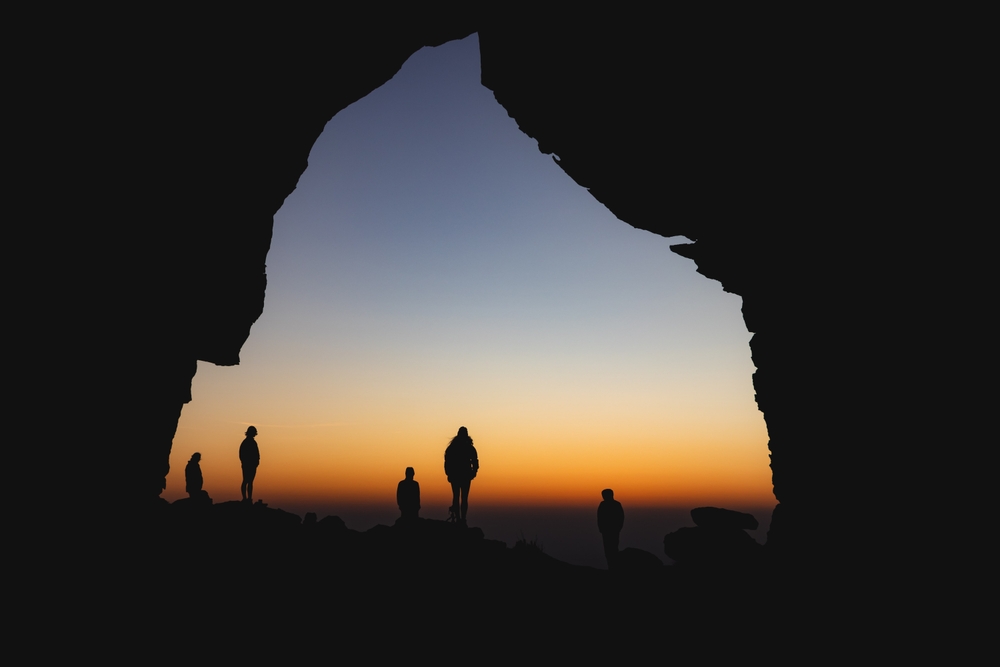
Have you ever taken a photo where the subject turned into a dark shape against a glowing sky and thought, “Why does this look so good?”
That reaction is exactly why silhouette photography has been used for decades by photographers who want to create mood, drama, and visual impact with minimal elements!
Silhouette photography is one of those techniques that feels advanced, but it’s actually very approachable once you understand how light behaves. For beginner photographers, it’s a fantastic way to build confidence with exposure while training your eye to see shape, gesture, and storytelling instead of relying on color or fine detail.
Table of Contents
- What Is Silhouette Photography?
- Why Silhouette Images Work So Well
- The Role of Light in Silhouette Photography
- Camera Settings for a Clean Silhouette
- Real-World Silhouette Photography Examples
- Making Silhouette Photography a Creative Habit
- Silhouette Photography FAQ
What Is Silhouette Photography?
At its core, silhouette photography is about photographing a subject so that it appears mostly or completely black against a brighter background. Instead of showing details like facial features or textures, the image relies on shape, outline, and posture to communicate the subject.
A strong silhouette works because the human brain is excellent at recognizing shapes. Even without detail, we instantly know whether we’re looking at a person, a tree, a mountain, or an animal. That simplicity is what makes silhouette photography so visually striking.
When I first started shooting silhouettes, I was surprised by how forgiving the technique can be. You don’t need perfect focus on facial features or flawless lighting on the subject. As long as the background is bright and the subject is clearly defined, the silhouette does the heavy lifting.
Why Silhouette Images Work So Well
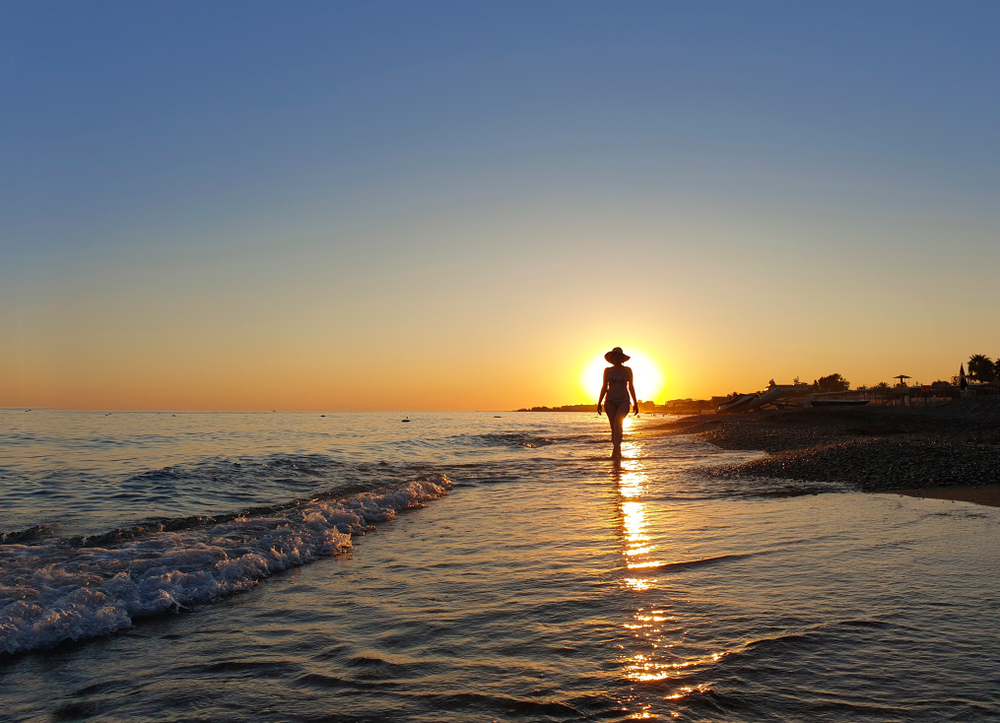
Photo by Mila Demidova via Shutterstock
Silhouette photography removes distractions. By stripping away color and detail, the viewer is forced to focus on composition, gesture, and emotion. This often leads to images that feel timeless and intentional.
Another reason a silhouette is so effective is that it invites interpretation. Without clear details, viewers project their own ideas and emotions into the image. That sense of mystery is incredibly powerful, especially in landscape and lifestyle photography.
From a practical standpoint, silhouette photography is also a great solution for difficult lighting. Instead of fighting harsh backlight, you can embrace it and turn a challenging scene into something truly creative.
The Role of Light in Silhouette Photography
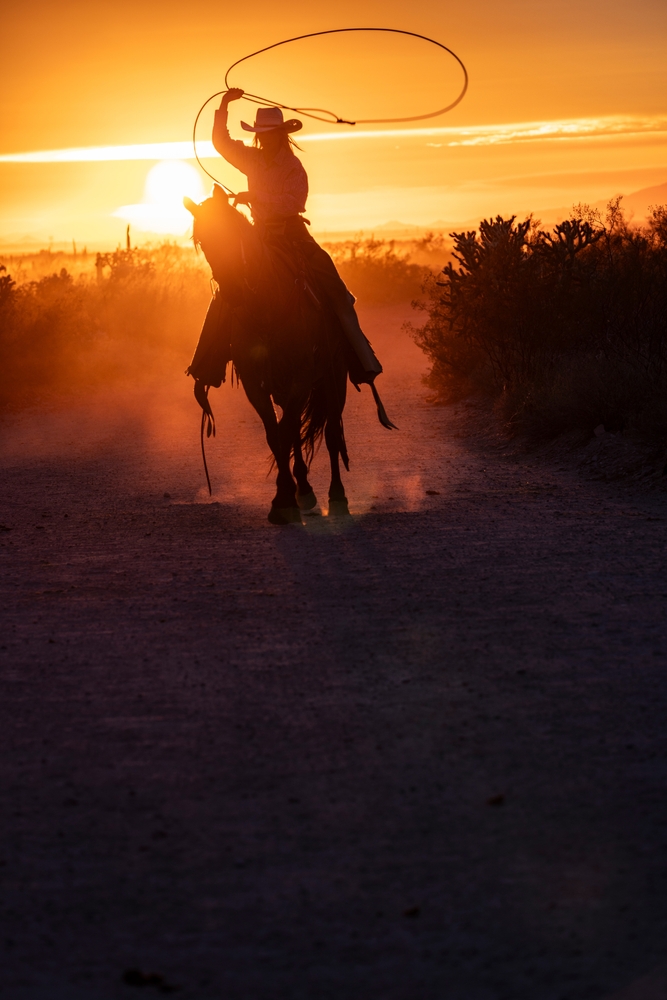
Photo by Emily Marie Wilson via Shutterstock
Light is everything in silhouette photography. You need a strong light source behind your subject, such as the setting sun, a bright sky, or even a window. The brighter the background, the easier it is to create a clean silhouette.
Golden hour is a classic choice because the sky provides both brightness and color. Shooting directly toward the sun allows the subject to fall into shadow while the background stays properly exposed.
I often remind beginners that silhouette photography is less about lighting the subject and more about exposing for the background. Once that mindset clicks, silhouettes become much easier to create consistently.
Camera Settings for a Clean Silhouette

Photo by Klochkov SCS via Shutterstock
To create a strong silhouette, you want to expose for the brightest part of the scene, not the subject. Using aperture priority or manual mode gives you more control over this process.
Start by pointing your camera at the bright sky and locking in that exposure. When you recompose to include your subject, the subject will appear dark or fully black. This is exactly what you want for silhouette photography.
If your camera keeps brightening the subject, try using exposure compensation and dialing it down. A little underexposure goes a long way when shaping a clean silhouette.
Real-World Silhouette Photography Examples
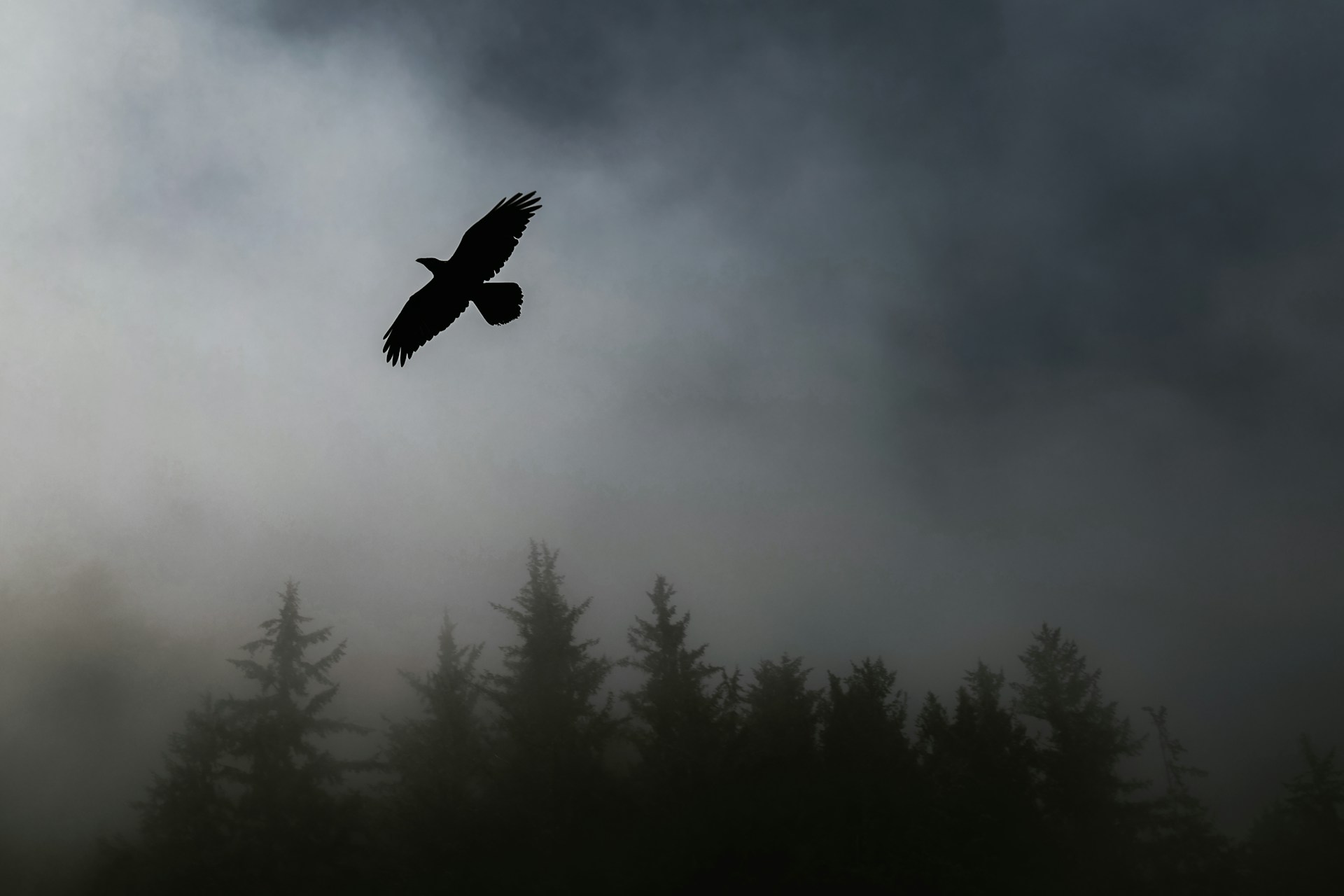
Photo by Tim Mossholder on Unsplash (license)
One of the most common silhouette photography examples is a person standing against a sunset. The sky provides the light, while the person becomes a recognizable shape. Simple poses work best here, especially ones with clear separation between limbs.
Another great example is wildlife or nature silhouettes. A lone tree on a hill, birds flying across the sky, or a mountain ridge at dusk all make excellent subjects because their shapes are already distinct.
Even urban environments offer silhouette opportunities. Street photographers often use backlit doorways, headlights, or illuminated signs to create dramatic silhouette moments without waiting for sunset.
Making Silhouette Photography a Creative Habit
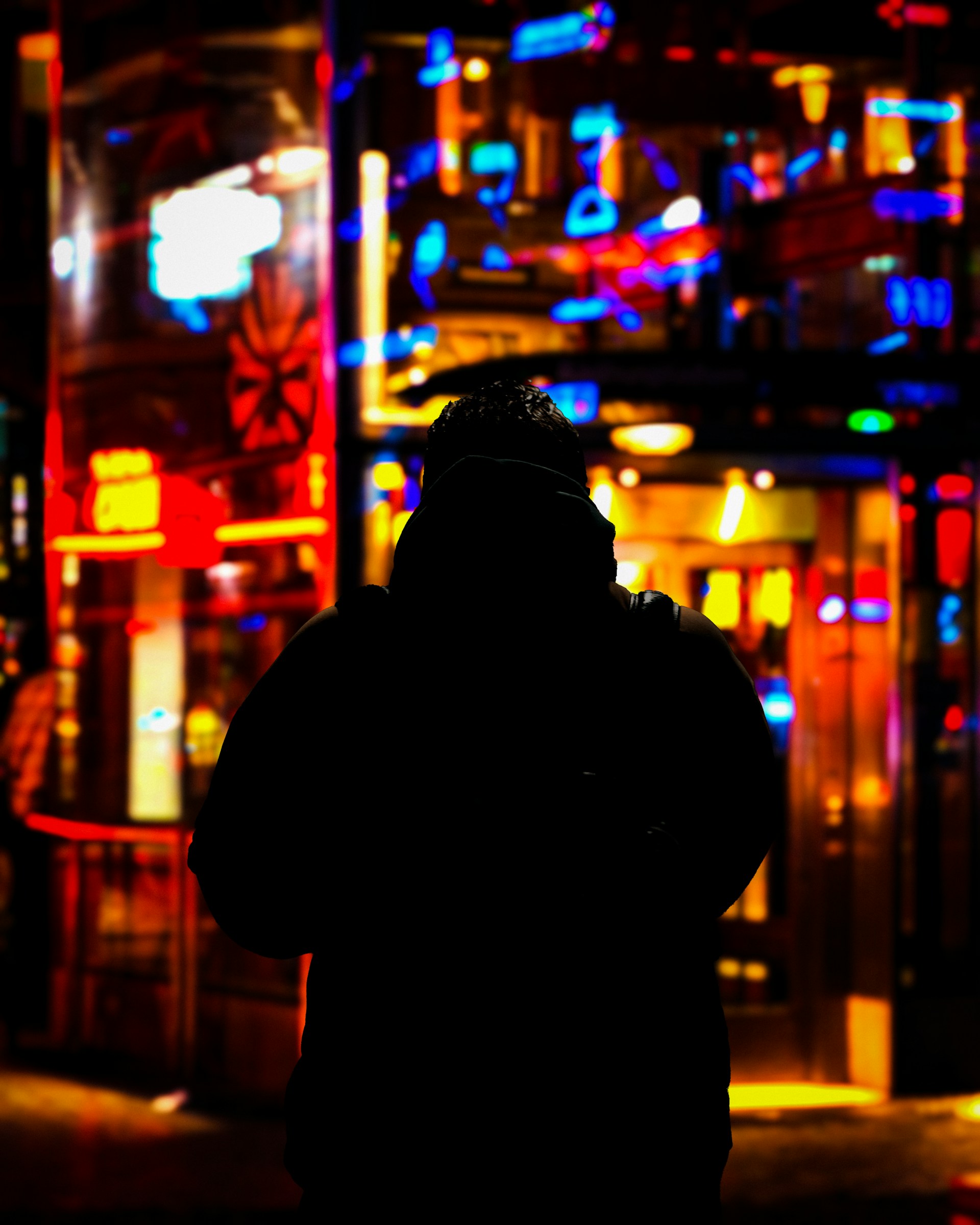
Photo by Jahanzeb Ahsan on Unsplash (license)
Silhouette photography is a fantastic exercise for training your eye. Once you start looking for it, you’ll notice backlit scenes everywhere, from windows in your home to parking lots at dusk.
I encourage beginners to intentionally practice silhouettes for a week or two. Limiting yourself to shape and light builds stronger composition skills that carry over into every other style of photography.
Over time, you’ll find that silhouette photography becomes less of a trick and more of a creative choice. It’s a reliable way to tell a story when color and detail aren’t necessary.
Silhouette Photography FAQ
What is the easiest way to create a silhouette?
The easiest method is to place your subject between the camera and a bright background, then expose for the background so the subject falls into shadow.
Do silhouettes only work at sunset?
No. While sunsets are popular, silhouettes can be created with window light, artificial lights, fog, or any strong backlight.
Should silhouettes be completely black?
Not always. Some silhouette images allow a small amount of detail, especially around edges, as long as the subject remains mostly dark.
What camera mode is best for silhouette photography?
Aperture priority and manual mode both work well, as long as you control exposure and prioritize the brightness of the background.
Can silhouettes work in black and white?
Yes. Black and white silhouette photography emphasizes shape and contrast even more, making it a strong creative option.
Hero photo by Brittany Raine via Shutterstock

