


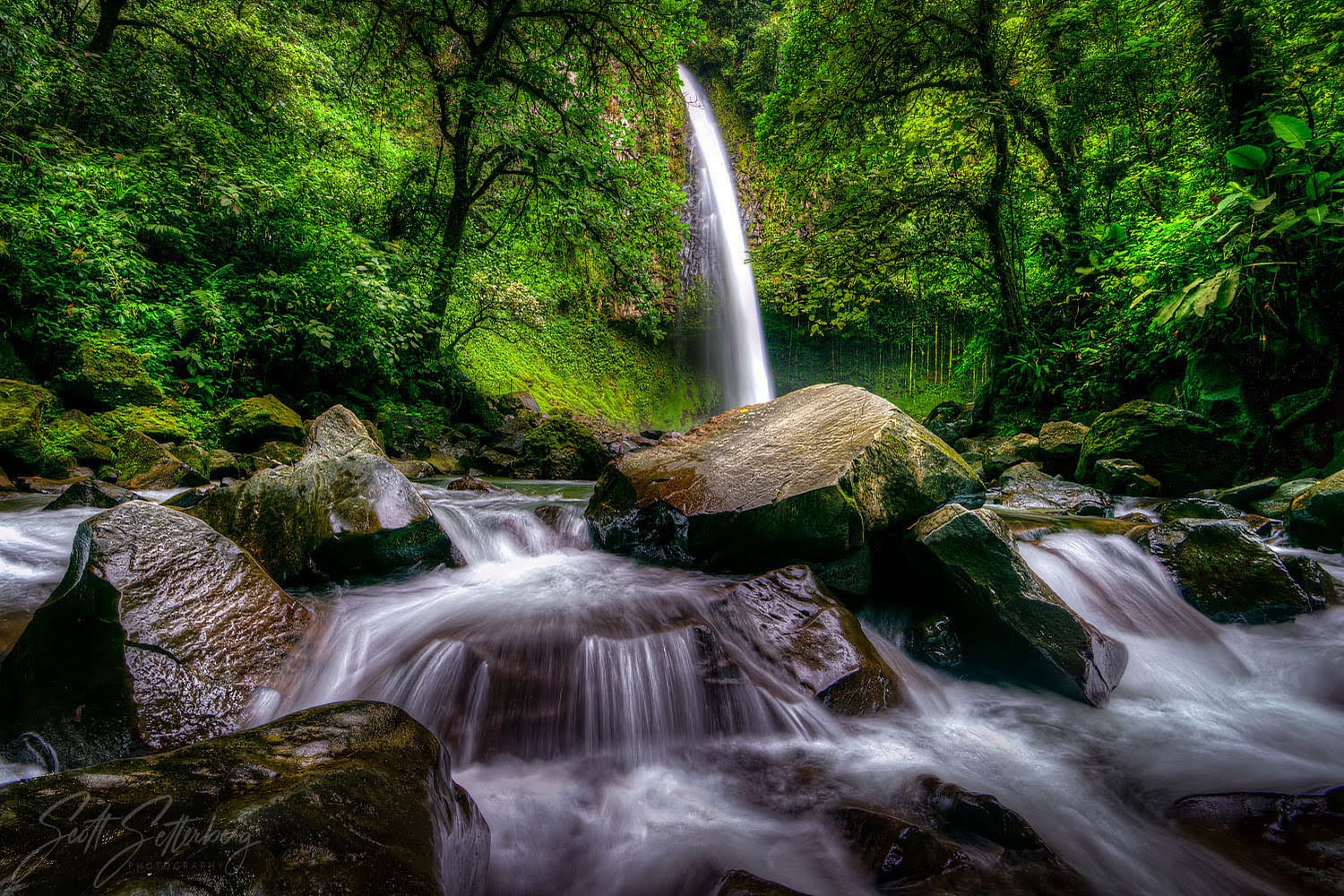
Standing in front of a waterfall is a full-body experience. There’s the cool mist on your skin, deep echoes in the canyon walls, and the rhythmic rush of water shaping the land below. Yet when many photographers press the shutter button, that sense of awe somehow dissolves, replaced by something visually accurate but emotionally flat. The disconnect often has nothing to do with camera settings and everything to do with storytelling intention.
Every waterfall has a personality. Some are playful, others are thunderous, a few are mysterious, and some are elegant or ancient. Waterfalls also behave differently depending on the season, the light, the surrounding forest, and your vantage point. When you start approaching waterfalls as characters rather than subjects, your photography immediately shifts. The result becomes something deeper than documentation: a visual story that connects viewers to a place they may never visit in person.
Let’s explore waterfall photography, learn a little bit about how to tell a better story with your images, and discuss why a waterfall photo tour with ColorTexturePhotoTours is the ideal way to learn waterfall photography skills!
Table of Contents
- Understanding a Waterfall’s Visual Personality
- Letting Composition Support the Story of Waterfalls
- Harnessing Weather, Seasons & Timing to Shape Emotion
- Using Human Elements to Strengthen Waterfall Stories
- Color, Texture & Sensory Detail: The Story Beyond the Waterfalls
- Growing as a Storytelling Waterfall Photographer
- A Creative Learning Opportunity: Washington Waterfalls Photo Workshop
- The Reward of Connecting With Waterfalls Through Story
- FAQ
Understanding a Waterfall’s Visual Personality
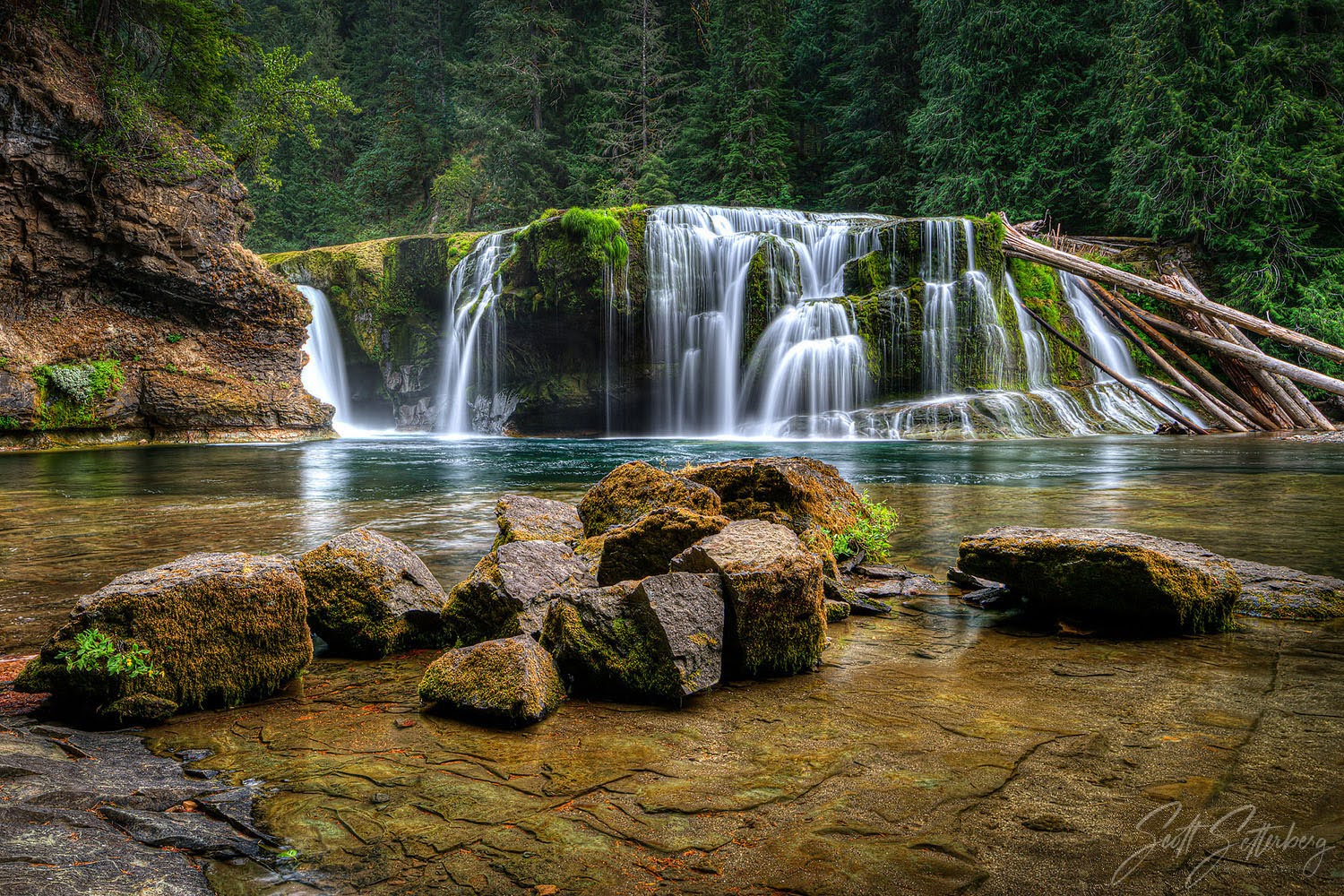
Storytelling starts long before you look through the viewfinder. It begins with observation. Before unpacking gear, listen to the volume of the cascade, watch how water interacts with rocks, study its motion, and feel the energy of the scene. Some waterfalls crawl gently over polished stone, while others explode off jagged cliffs. That difference alone can guide your creative interpretation.
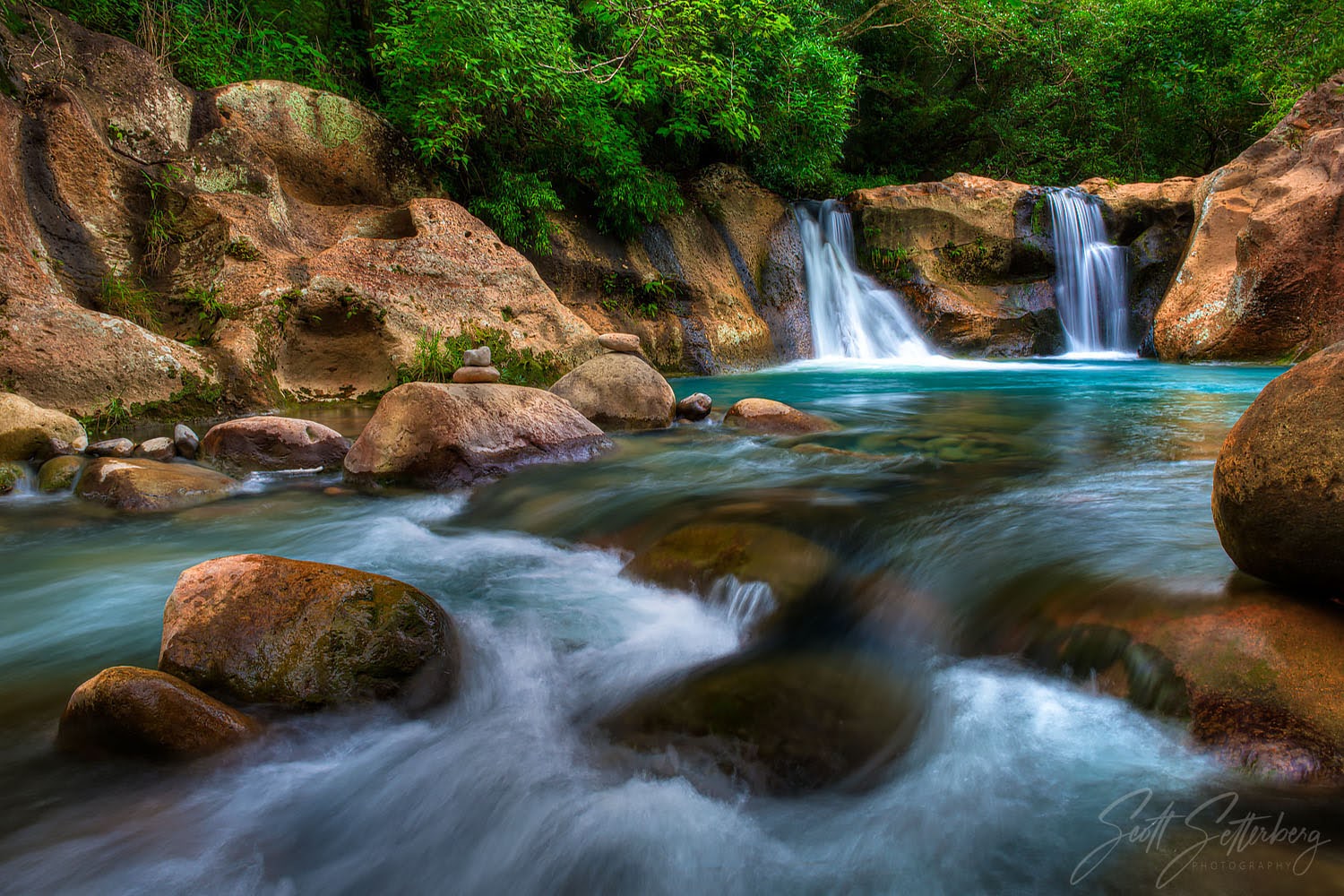
Waterfall shape and geology strongly influence emotional tone, too. A wide, curtain-like cascade may feel peaceful and balanced, especially when framed within a lush, green amphitheater. A tall, narrow chute tearing through volcanic basalt can communicate intensity and drama.
In Washington, Lower Lewis Falls stretches more than 200 feet across and immediately commands attention. It feels powerful and inviting. Meanwhile, Panther Creek Falls is whimsical, layered, and ethereal, almost like a fantasy painting brought to life. Falls Creek Falls, towering and multi-tiered, conveys scale and grandeur.
When you learn to read visual personality, you stop chasing the same photograph everyone else takes and begin responding to place. Think beyond the postcard shot. Ask yourself: what makes this waterfall unique, and how can I translate that emotionally into an image?
Letting Composition Support the Story of Waterfalls
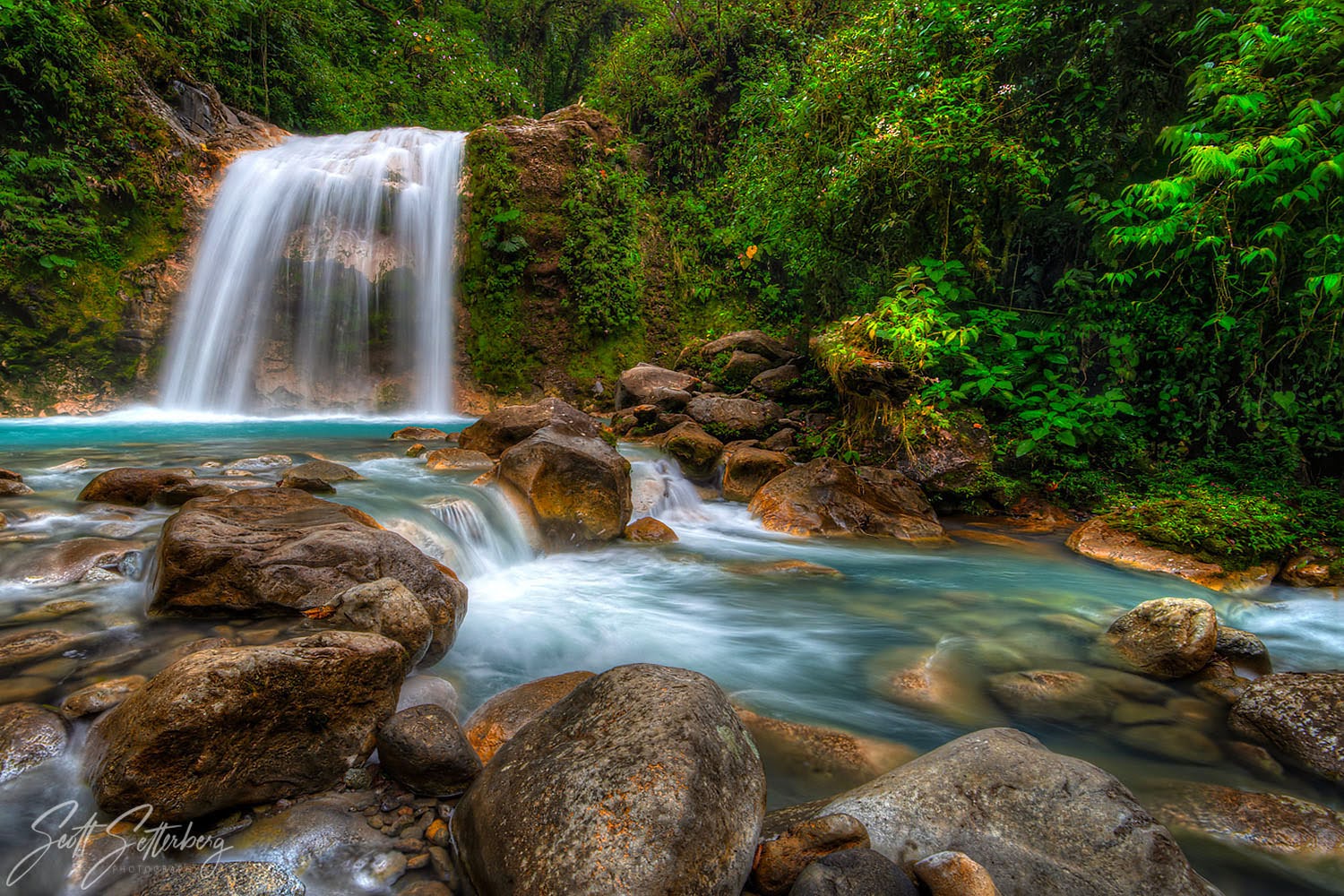
Composition is often treated as a rulebook, but with waterfalls, it becomes a storytelling tool. Instead of automatically centering the cascade, consider what emotion you want to convey. A symmetrical composition feels calm and resolved, while an off-center placement may feel more adventurous or spontaneous.
Surrounding elements can also help communicate character. In the Pacific Northwest, waterfalls rarely exist in isolation. Mossy boulders, cedar trunks, canyon walls, golden maple leaves, and reflective pools all reveal context. Including them intentionally—rather than simply because they’re there—creates a richer story. For example, a fallen log leading toward the falls can guide the viewer into the scene, suggesting a journey and exploration.
Lens choice dramatically affects personality as well. A wide-angle lens emphasizes the environment and showcases how waterfalls relate to the landscape. Telephoto compression, however, can isolate patterns, textures, or power, transforming a chaotic scene into something lyrical. When photographing waterfalls, don’t assume the wide shot is always best; sometimes a tight frame reveals the true story.
Harnessing Weather, Seasons & Timing to Shape Emotion
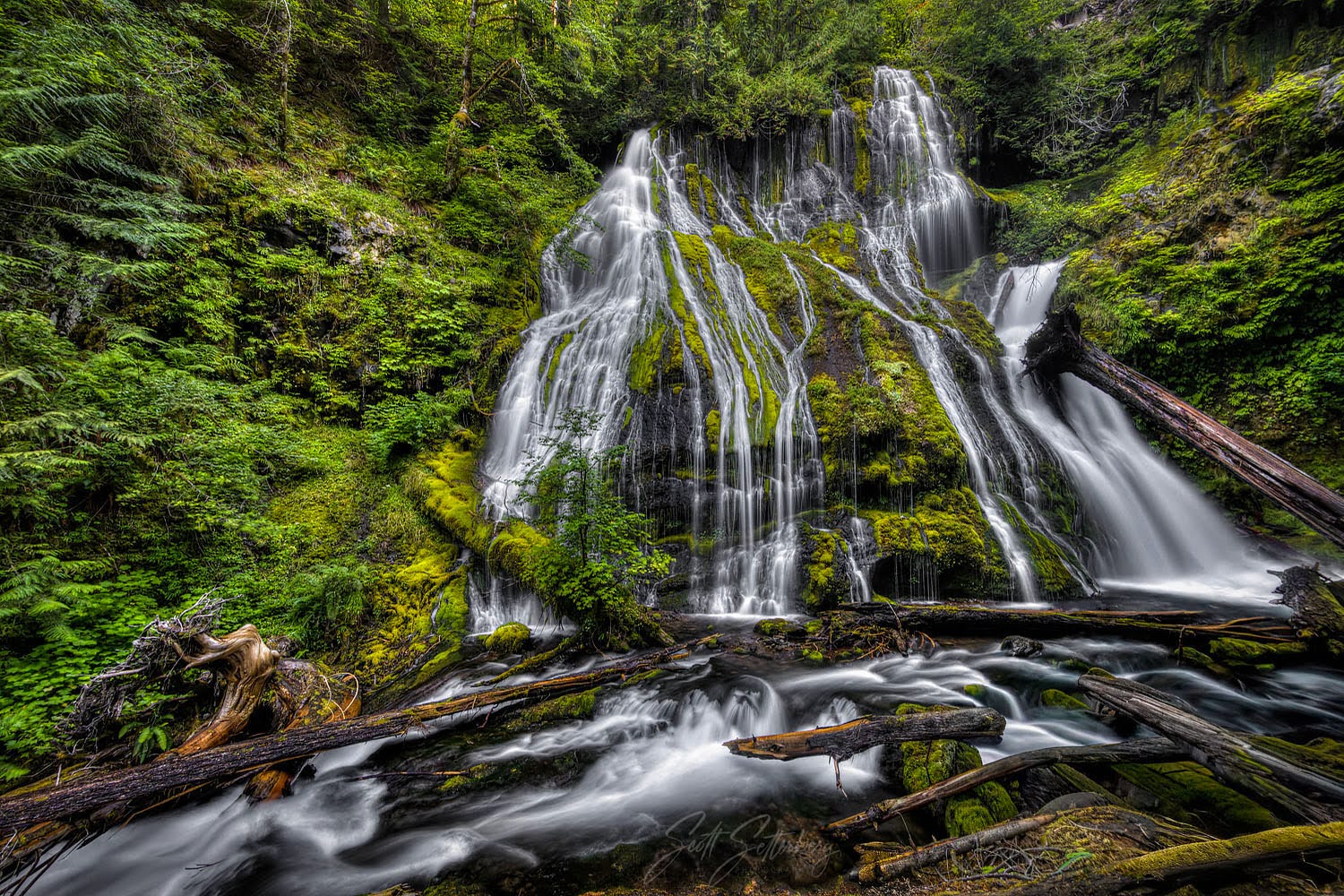
Weather plays an enormous role in shaping the emotional identity of waterfalls. Soft overcast skies are common in Washington and act like a giant diffuser, reducing contrast and saturation, making images feel peaceful and contemplative. Fog adds mystery and depth. Rain enhances color saturation, darkening tree trunks and deepening mossy greens. Harsh sunlight, on the other hand, can create blown-out highlights and distracting shadows, but it may also produce dramatic backlit spray when conditions align.
Seasonal changes shift personality, too. Spring brings roaring runoff and an energetic, fresh vibe that’s full of movement. Summer flows may thin into delicate ribbons, emphasizing grace over force. Autumn introduces warm color palettes and quiet reflection. Winter sometimes freezes waterfalls into sculptures, creating stories of fragility, endurance, and silence. The same location photographed over four seasons becomes an evolving narrative rather than a single moment.
Timing also matters. Early morning provides solitude and calm, especially at popular Washington locations. Blue hour offers cooler, cinematic tones, while sunset at a nearby alpine lake may help reinforce a visual theme of serenity or wonder. Returning repeatedly allows you to build a relationship with waterfalls rather than treating them as checklist destinations.
Using Human Elements to Strengthen Waterfall Stories
Including people in landscape images can feel controversial, but when used intentionally, human presence adds storytelling power. A lone figure standing near the base of a towering cascade emphasizes scale and vulnerability. A hiker crossing a bridge or trail suggests journey, exploration, or connection to nature. A brightly colored jacket can become a focal point, helping guide the viewer into the scene.
There’s also a universal emotional response. People help viewers imagine themselves in the environment. That small narrative invitation often turns a beautiful image into a memorable one. When photographing waterfalls, consider whether the story benefits from a human element or whether solitude better communicates the scene’s personality.
Safety and ethics must come first, though. Wet rocks, fast currents, and slick basalt ledges can be dangerous. You should never step into restricted areas, disturb fragile riverbanks, or encourage risky behavior for the sake of a compelling composition. The best waterfall storytelling honors both subject and environment.
Color, Texture & Sensory Detail: The Story Beyond the Waterfalls
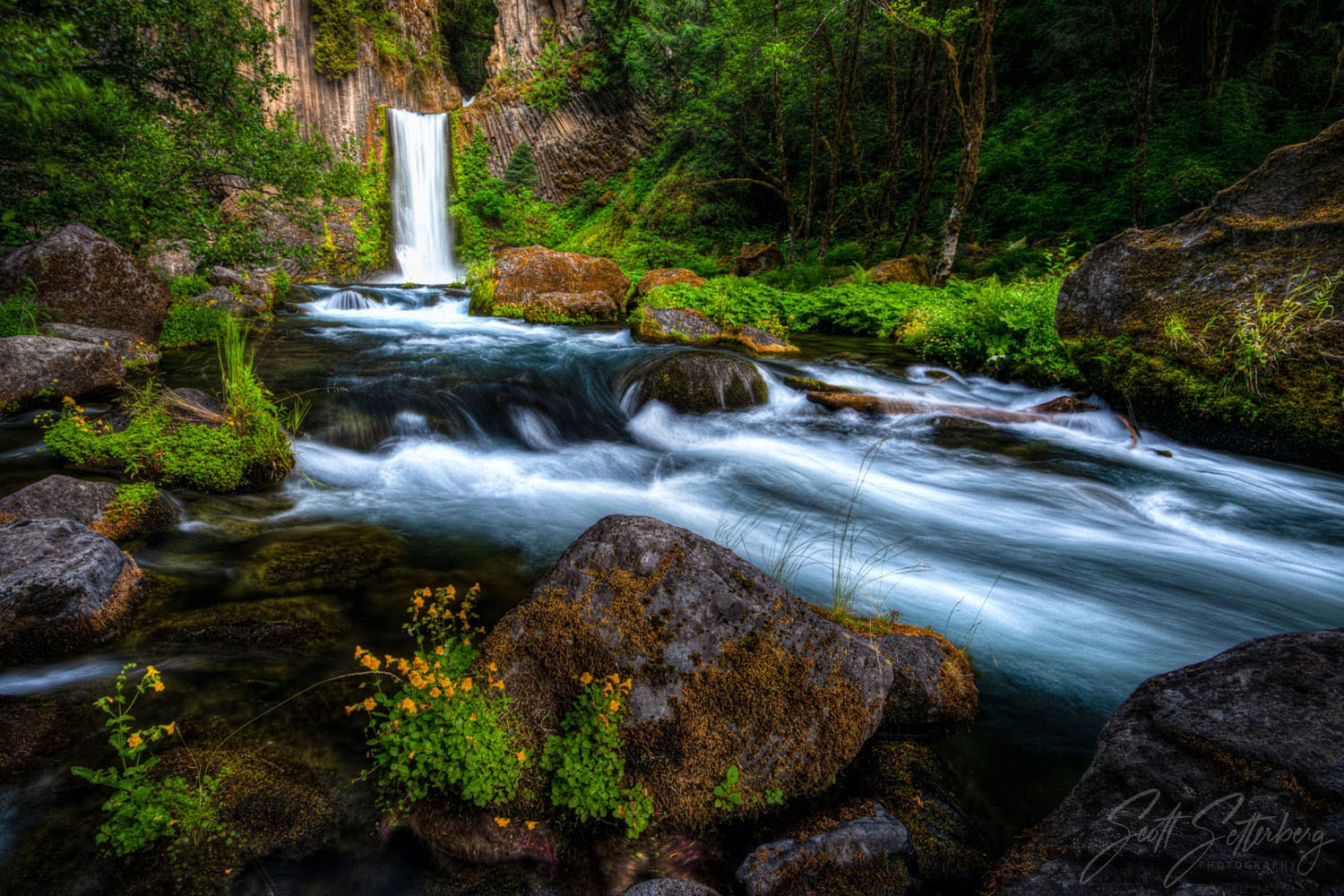
Motion is only part of the story when photographing waterfalls. Some of the most meaningful waterfall photographs emphasize everything surrounding the cascade. Think of the velvet texture of moss, the swirling patterns in a plunge pool, rain beading on fern fronds, or ancient basalt columns that hint at the region’s volcanic history. These supporting elements provide sensory depth, inviting viewers to feel, not just see.
Color theory can strengthen storytelling as well. Cool blues and greens communicate calm, while deep shadows add mystery. Warm autumn foliage softens rugged terrain and emphasizes seasonal transition. Rather than adjusting saturation blindly in post-processing, consider what emotion you want the image to convey and edit with intention.
Small scenes also deserve attention. Details like maple leaves caught on a rock or bubbles drifting down a stream extend the story, making your waterfall gallery feel cohesive and fully realized. When photographing waterfalls, look for these quieter moments. They often carry as much emotional weight as the main composition.
Growing as a Storytelling Waterfall Photographer
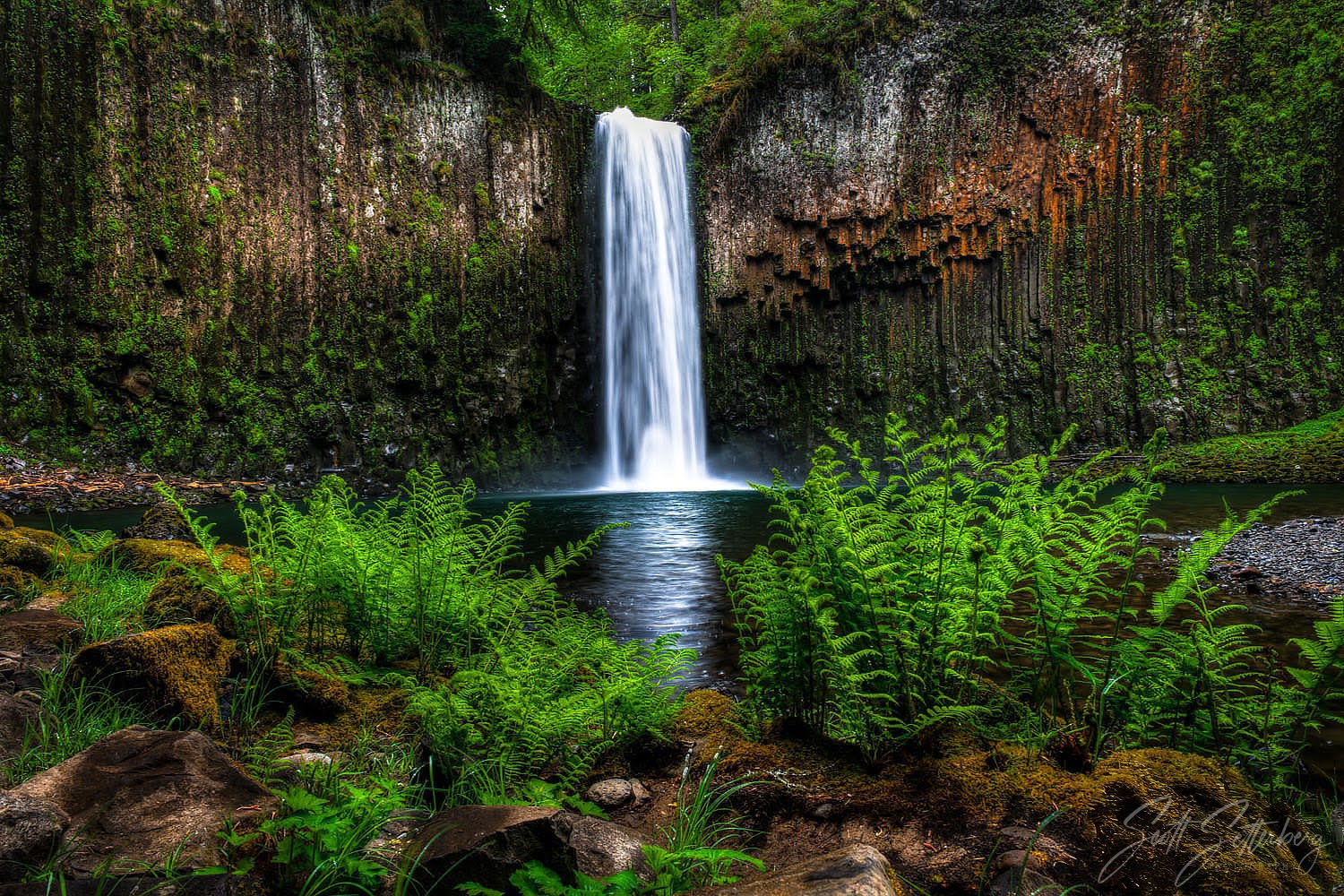
Storytelling requires presence. Instead of rushing to set up a tripod and fire off exposures, spend a few minutes observing, scouting, and visualizing. Notice how waterfalls react to wind gusts, how light hits surrounding trees, and how the river rearranges foreground rocks. Those subtle details often become creative entry points.
Keeping a field journal can help refine your storytelling instincts. Write down impressions: sounds, feelings, temperature, movement. You may later weave those observations into your editing approach or image captions. Over time, you’ll develop a more intuitive sense of what makes an image emotionally engaging.
Most importantly, return. Waterfall photography is not about capturing a perfect frame; it’s about building relationships with places. The more time you spend with waterfalls, the more confidently you can translate their personalities into visual narratives.
A Creative Learning Opportunity: Washington Waterfalls Photo Workshop
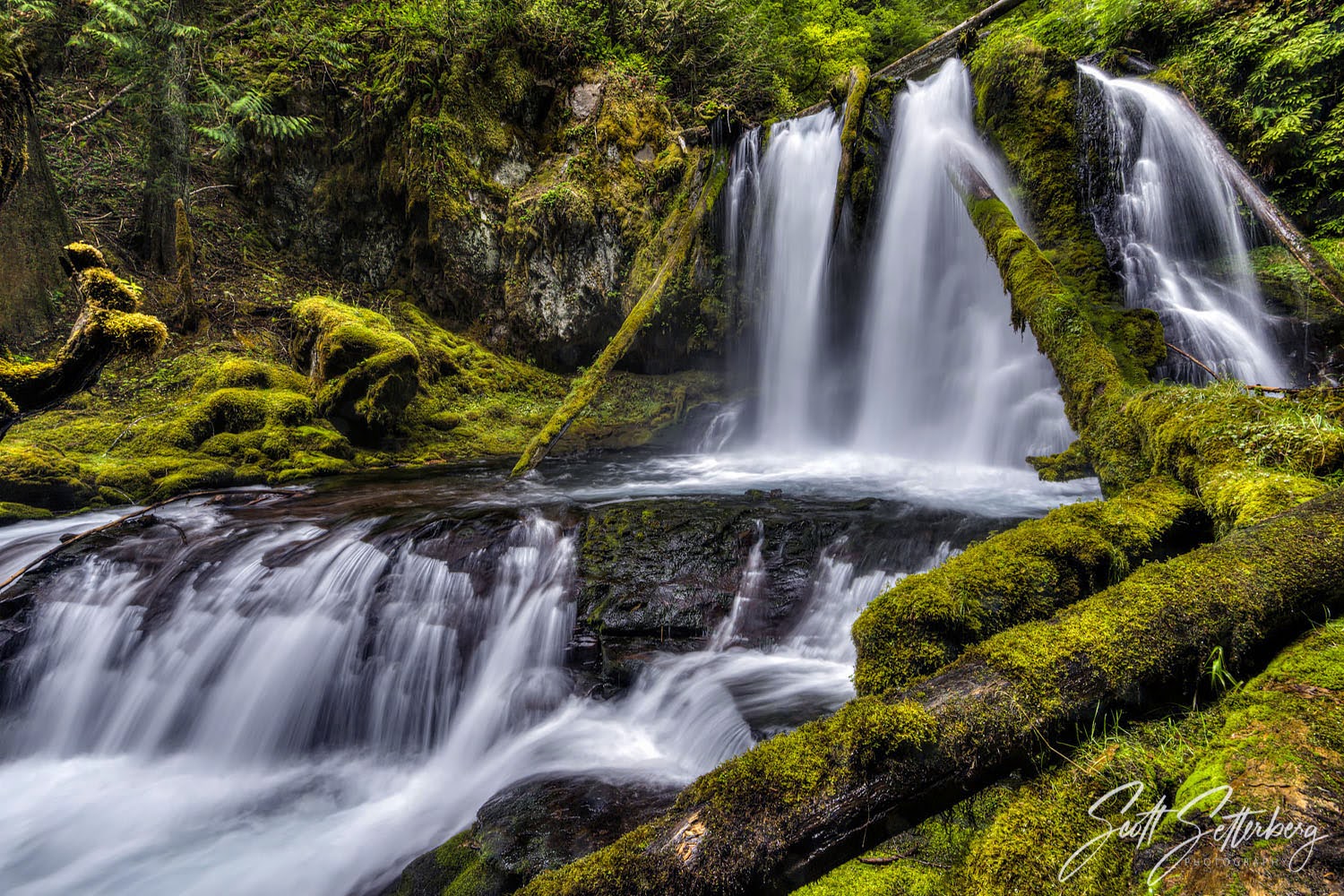
One of the best ways to deepen your storytelling approach is through guided hands-on learning. The Washington Waterfalls Photo Workshop offered by ColorTexturePhotoTours brings photographers directly into some of the state’s most breathtaking scenes: Lower Lewis Falls, Falls Creek Falls, Panther Creek Falls, and several surrounding landscapes of towering snowcapped mountains and reflective alpine lakes.
This four-day, all-inclusive experience offers private transportation, award-winning accommodations, gourmet meals, and small-group instruction led by professional photographer and Pacific Northwest native Scott Setterberg. With 35 years of landscape photography experience and lifelong familiarity with these locations, Scott provides valuable insight into creative composition, exposure decisions, filter mastery, and post-processing approaches that enhance storytelling.
What makes this workshop especially meaningful is the personalized guidance. Participants receive one-on-one instruction, image reviews, editing support, and real-time creative feedback. Whether you’re just beginning or have years of experience photographing waterfalls, the environment encourages growth, curiosity, and artistic exploration. You leave not only with unforgettable images, but with a deeper connection to Washington’s landscape and the stories you want your photography to tell.
The Reward of Connecting With Waterfalls Through Story
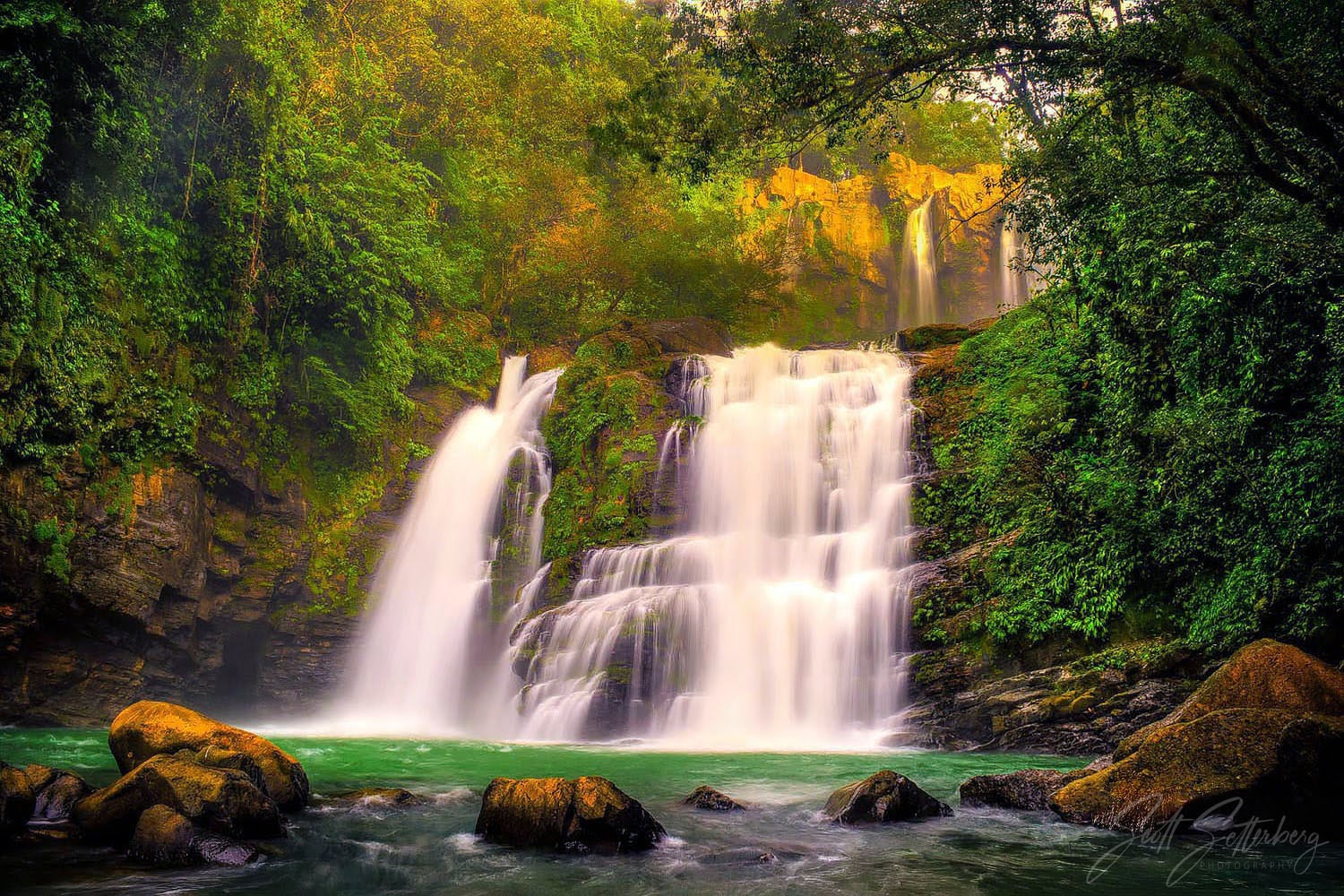
The beauty of weaving a story into your waterfall photography or outdoor exploration is that it transforms the experience from passive observation into a meaningful connection. A waterfall becomes more than a scenic stop on a hike; it becomes a character with depth, origin, emotion, and power. When you approach it with curiosity and intention, you begin to appreciate not just the water and rock, but the forces, histories, and relationships that shaped them. That curiosity turns your time outdoors into something richer and more personal.
Story also invites others into the experience, even if they’ve never stood where you stood. A photograph paired with context, like why this waterfall matters to you, what happened in the moment, what makes this cascade different from the one down the road, gives viewers an entry point to care. It encourages them to slow down, look closer, and feel something rather than simply scrolling past. In a world overwhelmed with imagery, story is what makes your work linger in someone’s mind.
And perhaps the greatest reward is how storytelling deepens your own presence. When you’re crafting a narrative, you’re more attentive. You notice how mist drifts through sunlight, how the roar softens the farther you walk downstream, and how the surrounding forest responds to the water’s rhythm. You begin to see the waterfall not as a single subject, but as an ecosystem, a geological process, a moment in time. That shift naturally cultivates gratitude, patience, and awe, which are qualities that make outdoor exploration more fulfilling.
Over time, these stories become personal landmarks. They’re reminders of seasons, turning points, and adventures. You may not remember the exact shutter speed you used, but you’ll remember who you were with, what the air smelled like, and what the moment meant. When waterfalls become part of your story, they stay with you long after you’ve left the trail, offering inspiration, grounding, and a sense of belonging to something wild, ancient, and beautifully alive.
FAQ
How do I find the personality of waterfalls before photographing them?
Spend time observing before shooting. Listen to the sound, watch the flow speed, study the surrounding geology, and notice how the environment makes you feel. Those sensory impressions guide your storytelling decisions.
Should I include people in my waterfall photos?
Yes, when it supports the narrative. People can show scale, emotion, or adventure. Just be mindful of safety, environmental impact, and visual balance within the frame.
What season is best for photographing waterfalls in Washington?
Spring offers the most powerful flows, but autumn color, winter ice, and summer accessibility each tell different stories. Visiting throughout the year creates a more complete photographic portfolio.
Is a workshop helpful for improving waterfall photography?
Absolutely. A guided workshop, like the Washington Waterfalls Photo Tour from ColorTexturePhotoTours, provides expert instruction, local knowledge, personalized feedback, and access to exceptional locations, which accelerates both creative and technical growth.
Can storytelling still matter if the waterfall is small or less dramatic?
Yes. Personality exists in subtlety, such as textures, reflections, forest details, and gentle motion. Even small cascades can produce compelling, emotional images when approached thoughtfully.
Friendly disclaimer: Our articles may contain affiliate links that support us without costing you more, and sometimes we spice things up with sponsored content—but only for products we truly stand behind!

