

Morning Routine Cold Plunge: A Photographer’s Protocol for Sharper Creative Focus
Quick Takeaway
A structured morning routine built around cold water immersion at 37-41F produces measurable improvements in creative focus, editing speed, and compositional sharpness for photographers. The protocol combines breathwork, a 5-minute cold plunge, and 20 minutes of creative priming before any administrative work. Norepinephrine increases up to 530% and dopamine increases up to 250% during cold immersion, creating a 2-3 hour window of elevated cognitive performance. The key is sequence: cold exposure first, creative work second, administrative tasks third.
Last updated: March 2026 | 10 min read
Medical Disclaimer: Cold water immersion carries health risks, especially for individuals with heart conditions, high blood pressure, or other medical concerns. Consult your physician before starting any cold exposure protocol. The information in this article is based on published research and personal experience, not medical advice. Always prioritize your safety and listen to your body.
In This Article
- Why Your Morning Routine Cold Plunge Determines Your Best Work
- The Science: How a Cold Plunge Primes Your Brain for Creative Work
- The Full Cold Plunge Protocol: A Photographer’s Morning Routine Power Hour
- Adapting Your Morning Routine Cold Plunge Protocol to Your Schedule
- Morning Routine Cold Plunge Equipment: Why Temperature Control Matters
- Common Mistakes Photographers Make with a Cold Plunge Morning Routine
- Your Morning Routine Cold Plunge in Practice: What to Expect
- Frequently Asked Questions
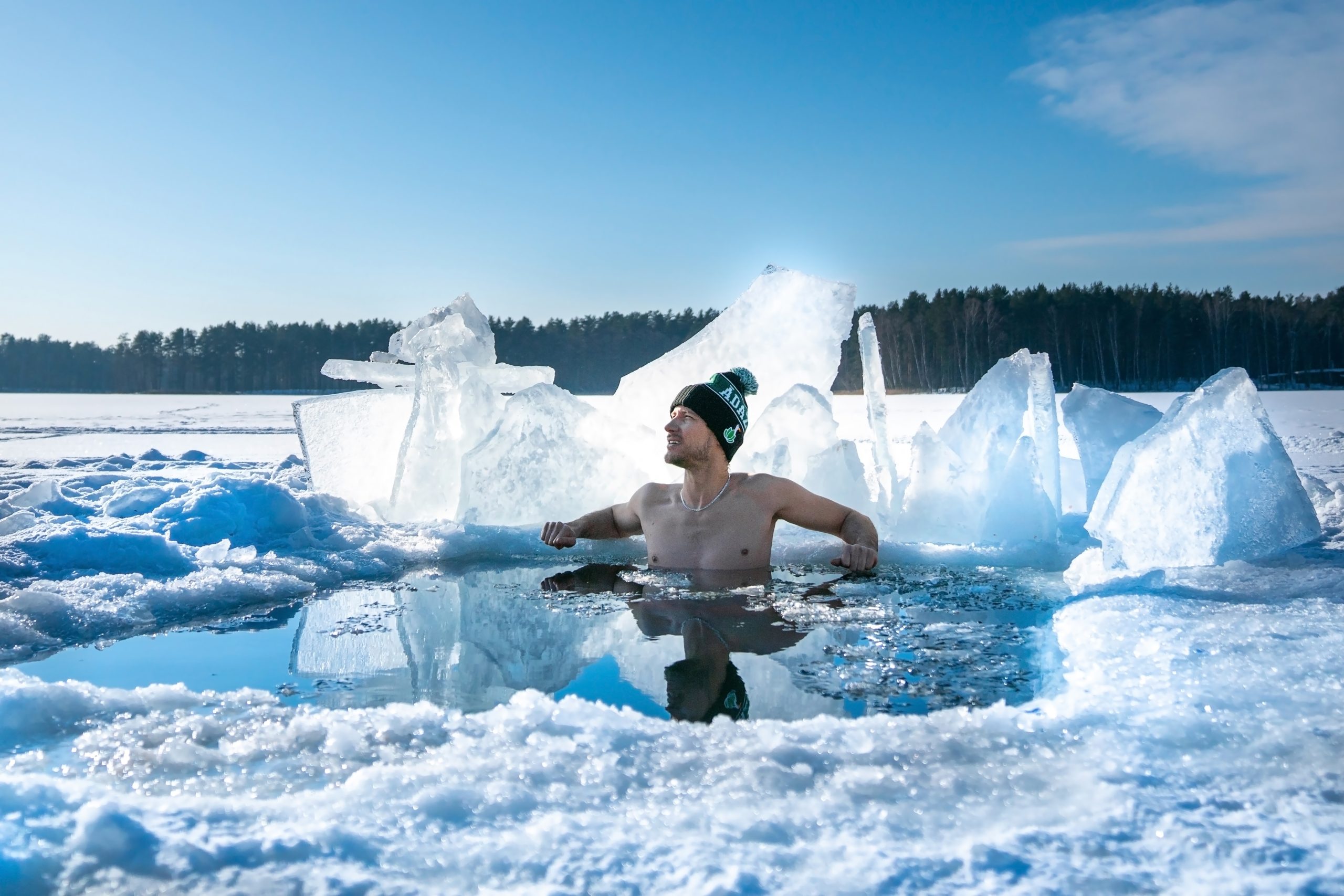
A morning routine cold plunge at 37-41F changes how photographers work for the rest of the day.
The alarm goes off. The phone comes out. Email, Instagram, texts. By the time you sit down to edit or head out to shoot, your brain has already spent its best energy reacting to other people’s priorities. A 2023 study found 89% of smartphone users check their phones within the first 10 minutes of waking. For creative professionals who depend on focused attention and original thinking, this habit costs real output.
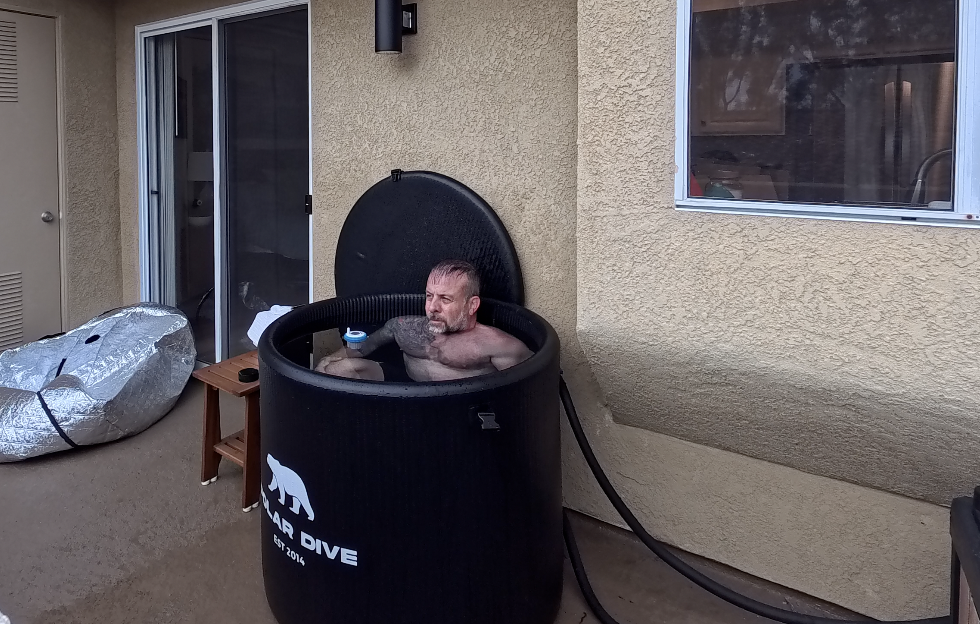
I changed my morning four months ago. I built a structured morning routine around a single anchor: 5 minutes in my PolarDive cold plunge at 37-41F, starting at 6:30 AM. Everything else in the routine supports or extends the neurochemical benefits of cold water immersion.
The results showed up in my photography within two weeks. Sharper compositions. Faster editing. More willingness to try unconventional approaches. This article breaks down the full protocol, the science behind each step, and how to adapt it to your own schedule.
Why Your Morning Routine Cold Plunge Determines Your Best Work
Photographer Annie Leibovitz has talked about defining her morning around the first creative act of the day: looking through images and sketching composition ideas before anything else enters her attention. The principle is direct. Create before you consume. Use your first hours for the work demanding the most from your brain.
The neuroscience supports this approach. Your prefrontal cortex, the brain region responsible for decision-making, creative problem-solving, and cognitive control, operates at peak capacity in the first 2-3 hours after waking. We covered the neuroscience behind this in our guide to how morning cold plunges prime your brain for focus. Cortisol, which drives alertness and readiness, peaks naturally during this window. Your brain is primed for complex, high-quality work.
The problem is straightforward: most people spend this window on low-value tasks. Scrolling feeds. Responding to messages. Reacting to someone else’s agenda. By the time creative work begins, the peak has passed.
A structured photographer morning routine built around a cold plunge protects this window. Cold water immersion at the start of the routine does something specific: it accelerates and intensifies the neurochemical state your brain needs for high-quality creative output. For photographers, this means stepping behind the camera or opening your editing software with your perceptual and decision-making systems running at full capacity.
The Science: How a Cold Plunge Primes Your Brain for Creative Work
Cold water immersion between 37-50F triggers three neurochemical responses directly relevant to photography performance.
Norepinephrine: The Attention Amplifier
A study by Sramek et al. (2000) in the European Journal of Applied Physiology documented a 530% increase in norepinephrine during cold water immersion at 57F. At colder temperatures like the 37-41F I use in my PolarDive every morning, the response is even more pronounced. Norepinephrine controls attention, alertness, and the ability to detect fine detail. For photographers, this translates to seeing compositions, light patterns, and subtle expressions you would miss in a less alert state.
Dopamine: Sustained Motivation and Faster Decisions
The same study showed a 250% increase in dopamine during cold immersion. Neuroscientist Andrew Huberman has noted cold exposure creates a sustained dopamine elevation lasting several hours, unlike caffeine, which produces a spike-and-crash pattern. Dopamine drives motivation, goal-directed behavior, and the cognitive flexibility needed to approach a scene from multiple angles. It also reduces the mental cost of making rapid decisions, which matters when you’re culling hundreds of images or making split-second choices during a live shoot.
Prefrontal Cortex Activation: Better Executive Function
Research from 2023 using fMRI imaging showed cold water immersion increases neural interaction between large-scale brain circuits, including the prefrontal cortex and anterior insula. These regions handle executive function, emotional regulation, and attention. When they’re more active and better connected, you process visual information faster, maintain focus longer, and recover from distractions more quickly.
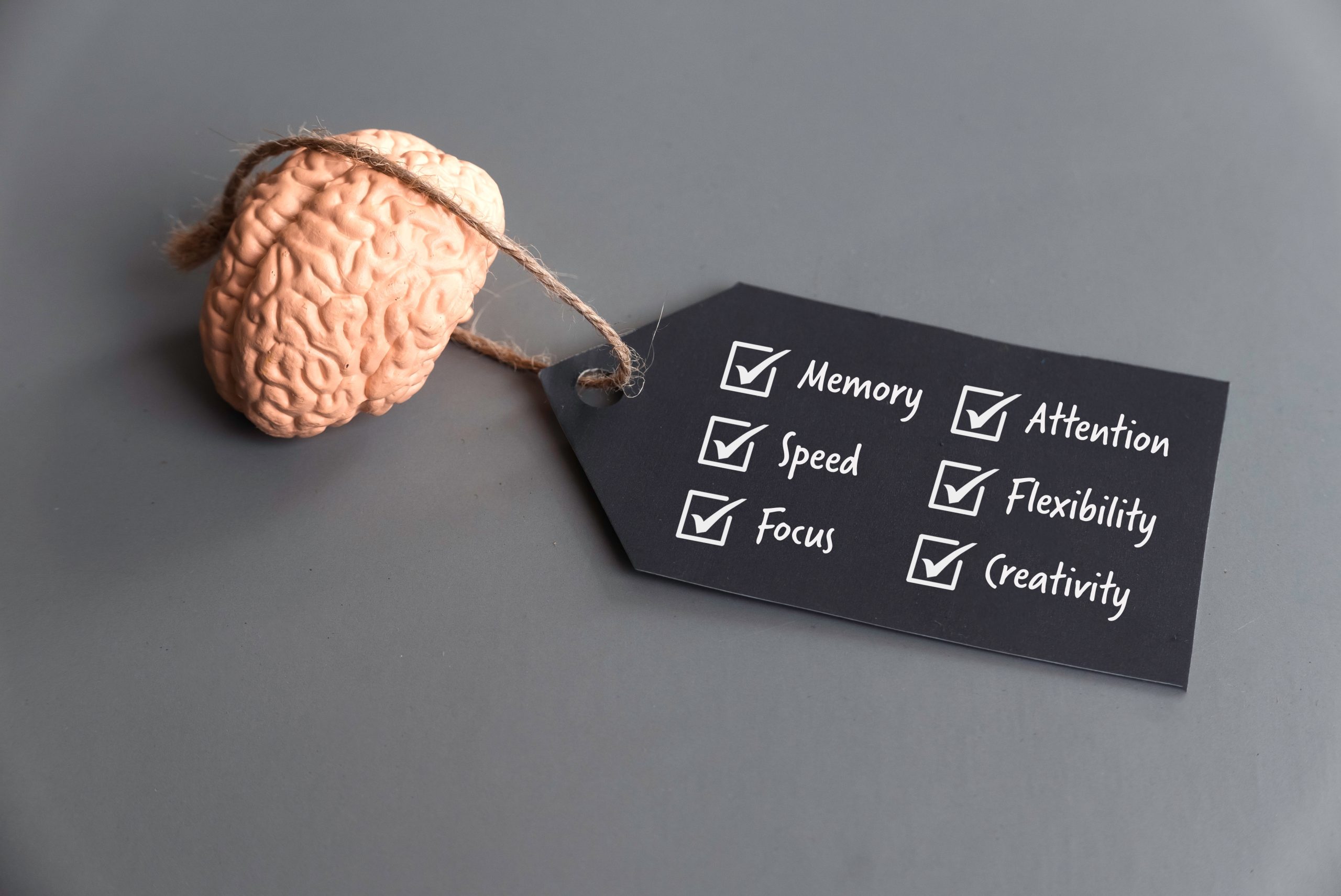
The combination of elevated norepinephrine, sustained dopamine, and enhanced prefrontal connectivity creates a neurochemical environment optimized for creative work. You don’t feel wired or jittery. You feel clear, alert, and engaged. Applied to photography, this state changes the quality of what you produce.
Recommended Cold Plunge
Polar Dive PRO | Starting at $699
The Polar Dive PRO includes a 0.3 HP chiller holding water at your set temperature 24/7 with 20-micron filtration. The tub fits users up to 6’9″ and 320 lbs. Set your plunge temperature from your phone and schedule morning sessions the night before. Free shipping across the continental US with a 1-year warranty and satisfaction guarantee.
The Full Cold Plunge Protocol: A Photographer’s Morning Routine Power Hour
Here is the exact photographer morning routine cold plunge protocol I’ve followed for nearly four months. It runs from 6:15 AM to roughly 7:15 AM. Every step has a specific purpose tied to the science above.
Phase 1: Wake and Prep (6:15-6:30 AM)
Wake at 6:15 AM. No phone. This is the most important rule in the entire routine. The moment you open email or social media, your brain shifts from proactive mode to reactive mode. You start processing other people’s information instead of generating your own. Put the phone in another room if you need to.
Drink 16 oz of water immediately. You’ve been dehydrated for 7-8 hours. Dehydration impairs cognitive function, and starting with water addresses it before anything else.
Spend 5-10 minutes on breathwork. I use box breathing: 4 seconds inhale, 4 seconds hold, 4 seconds exhale, 4 seconds hold. This activates your parasympathetic nervous system, calming your baseline state. It also prepares you for the cold plunge, because controlled breathing is the single most important skill for staying in cold water without triggering a panic response.
Phase 2: Cold Immersion (6:30-6:35 AM)
Step into the cold plunge. My PolarDive is set to 38F. Full immersion up to the neck. Hands in the water, not gripping the sides. Keeping hands submerged increases the cold stimulus and strengthens the neurochemical response.
Focus on slow, controlled exhales. The first 30 seconds are intense. Your breathing wants to accelerate. Your instinct says get out. Override it with long exhales, 5-7 seconds each. By the 60-second mark, your body starts adapting. The discomfort doesn’t vanish, but it becomes manageable.
Stay for 5 minutes. During this time, I focus entirely on my breathing and the physical sensation of the cold. I do not plan my day or run through a mental to-do list. This is deliberate single-point focus training, the same type of attention you need when composing a shot or waiting for a precise moment during a portrait session.
At 5 minutes, step out. Towel off. Do not take a hot shower. The Huberman Lab protocols emphasize letting your body rewarm naturally to extend the dopamine and norepinephrine elevation. Walk around. Move gently. The shivering is part of the process; it means your metabolism is actively generating heat while maintaining the elevated neurochemical state.
Phase 3: Creative Priming (6:40-7:00 AM)
This is where the cold plunge investment pays off. Norepinephrine is elevated. Dopamine is climbing. Your prefrontal cortex is activated. Now you direct this state toward your photography.
If you have a shoot today: Review your shot list. Look at reference images for the session. Visualize specific compositions you want to attempt. Think through your lighting plan. Use a printed list or notebook rather than your phone. The physical act of writing and sketching engages spatial thinking, which directly supports compositional planning.
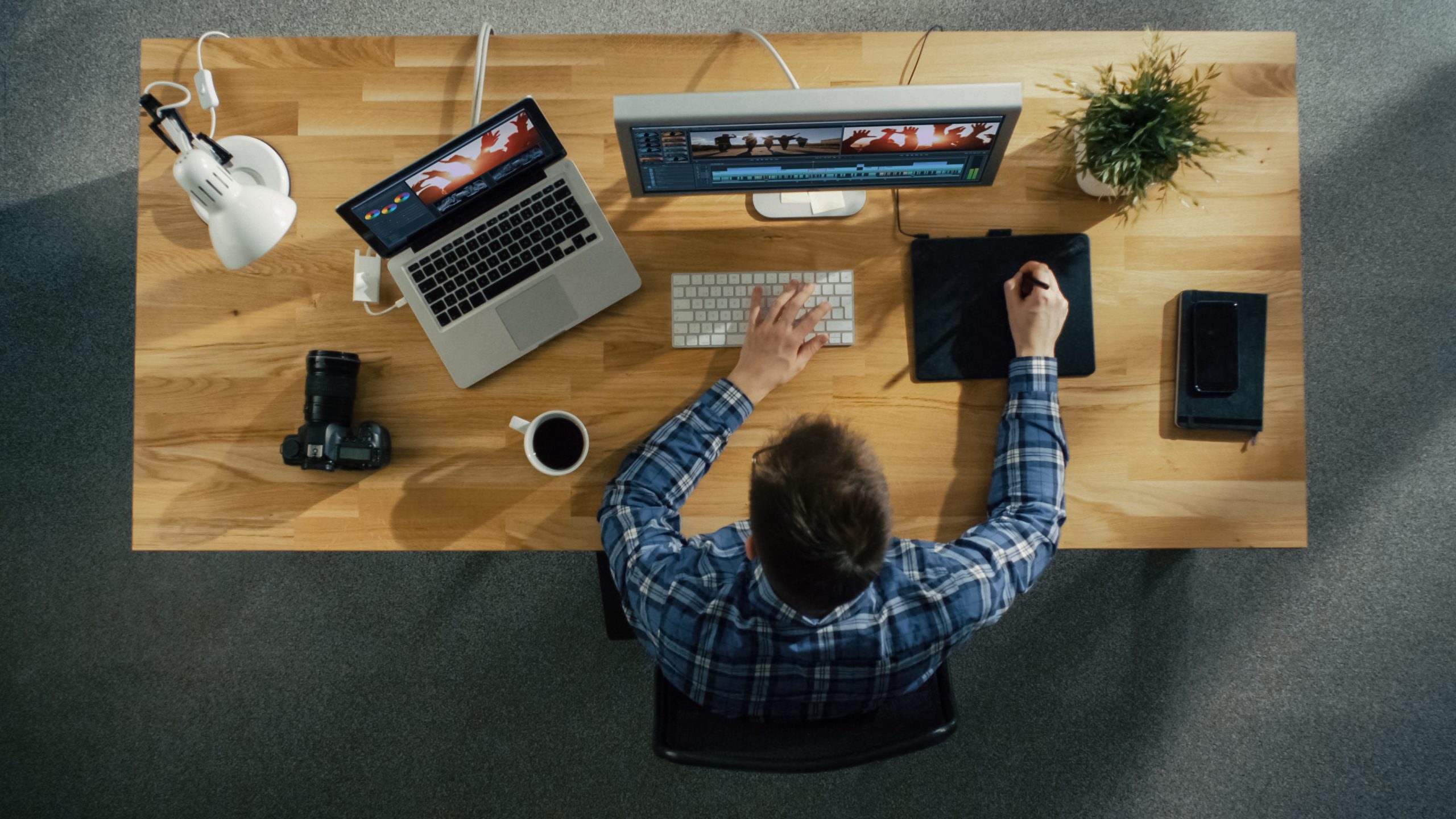
If you’re editing today: Open your editing software and start culling from yesterday’s session. The elevated dopamine makes yes/no decisions faster and more confident during this window. My best editing work happens in the first 90 minutes after stepping out of the PolarDive, before the elevation gradually returns to baseline.
If you have no scheduled work: Use this time for creative study. Analyze one photographer’s portfolio for 10 minutes. Identify what makes their compositions effective. Write down three techniques you want to try. Enhanced cognitive flexibility from cold exposure makes pattern recognition and creative analysis sharper during this window. For ideas on what to study, check out our guide on photo editing techniques to sharpen during this high-focus window.
Do not check email or social media during Phase 3. Protect the neurochemical state for creative output.
Phase 4: Transition to Full Day (7:00-7:15 AM)
Coffee or tea now, if you drink it. Caffeine stacks well on top of the cold-induced dopamine elevation, extending focus into the late morning without the typical crash.
Eat a protein-focused breakfast. Carb-heavy breakfasts spike blood sugar and produce the mid-morning energy dip killing creative momentum. Eggs, yogurt, or a protein shake keeps blood sugar stable through your productive hours.
Review your calendar and task list. Administrative and reactive work belongs here, after your creative priming is complete. Email responses, scheduling, invoicing: these tasks don’t need your best cognitive state.
Adapting Your Morning Routine Cold Plunge Protocol to Your Schedule
Not every photographer’s morning routine cold plunge starts at 6:15 AM. Timing is flexible. The sequence is not.
The key principle: cold exposure first, creative work second, administrative work third. This sequence uses your neurochemistry in the right order. Cold plunging during your natural cortisol peak (first 1-2 hours after waking) produces the strongest response. Creative work during the subsequent dopamine and norepinephrine elevation captures your sharpest cognitive state. Administrative work fills the remainder.
If you’re a night shooter: Shift the entire protocol to match your waking time. A photographer waking at 10 AM and shooting events at night follows the same structure. Cold plunge at 10:30, creative planning at 10:45, administrative work at 11:15. The neurochemistry responds to the sequence, not the clock.
If you shoot on location in the morning: Compress Phase 3. Step out of the plunge at 6:35, spend 10 minutes reviewing your shot list while your body rewarms, and head to your location. You’ll arrive with your focus already locked in.
If you travel frequently: Cold showers work as a substitute when your PolarDive isn’t available. Set the hotel shower to its coldest setting. The temperature won’t match 37-41F in most hotels, but 2-3 minutes of cold shower still produces a meaningful norepinephrine response. Better than skipping entirely.
Morning Routine Cold Plunge Equipment: Why Temperature Control Matters
Consistency is the foundation of an effective protocol. If your water temperature varies by 10-15 degrees from day to day, you lose the ability to track your adaptation and maintain a reliable stimulus.
I use a PolarDive because it holds temperature precisely between 37-41F and requires minimal daily maintenance. The filtration system keeps the water clean between sessions, so I’m not draining and refilling every few days. Set it, step in every morning, and the variable of water temperature is eliminated.
If you’re starting on a budget, a chest freezer conversion or cold showers work as entry points. The trade-off is temperature consistency. A chest freezer fluctuates with ambient conditions and usage patterns. Cold showers depend on municipal water temperature, which varies seasonally. These options still produce benefits, but they make standardizing your routine more difficult.
Whatever you use, track your water temperature daily for the first month. Write it down alongside a simple 1-10 focus rating for your morning creative session. You’ll start seeing a clear correlation between consistent cold stimulus and consistent cognitive performance.
Common Mistakes Photographers Make with a Cold Plunge Morning Routine
Going too cold, too fast. Start at 55-60F and work down over 2-4 weeks. Jumping to 37F on day one often leads to quitting by day three. Your body adapts when given time.
Checking the phone before the plunge. This defeats the purpose of the entire routine. Your brain shifts into reactive mode the moment you open an app. If you check email first and then cold plunge, you’ve already lost the proactive creative window. Phone stays off until Phase 4.
Hot shower immediately after. Warm water feels great after 5 minutes at 38F. It also terminates the dopamine and norepinephrine elevation prematurely. Let your body shiver and rewarm for 15-20 minutes before any hot water.
Skipping the creative priming phase. The cold plunge is not the goal. It’s the preparation. If you step out of the water and immediately start answering emails, you’ve used a premium neurochemical state on low-value work. Direct the elevated focus toward your photography. The return on investment lives in Phase 3.
Inconsistency. Three plunges per week produce some benefit. Daily plunges produce compounding benefits. The stress resilience, the faster morning alertness, the reduced decision fatigue during editing: these effects build over weeks of consistent practice. Miss a week, and you’ll notice the difference.
Your Morning Routine Cold Plunge in Practice: What to Expect
Week 1. The cold plunge dominates your attention. Staying in for 5 minutes feels difficult. Your creative priming phase might feel scattered because you’re still processing the intensity of the cold. This is normal. Focus on building the habit, not optimizing the output.
Weeks 2-3. Your body adapts to the temperature. The first 30 seconds remain intense, but the remaining 4.5 minutes become manageable. You’ll start noticing the focus benefit during your creative priming phase. Editing decisions come faster. You spot compositions more quickly when reviewing reference images.
Month 2. The routine feels automatic. You stop thinking about the cold and start thinking about the work. The morning Power Hour becomes the most productive stretch of your day. Clients and collaborators comment on the consistency of your output.
Months 3-4. Compounding effects appear. Stress resilience during high-pressure shoots improves noticeably. You sustain focus longer during all-day events. The time from capture to final delivery gets shorter. The cold plunge stops being a novelty and becomes infrastructure for how you work.
Build the Routine, Then Protect It
This photographer morning routine cold plunge protocol works because it aligns your neurochemistry with your creative demands. Cold exposure elevates norepinephrine (attention and detail detection) and dopamine (motivation and decision speed). A structured morning sequence directs those elevated states toward photography before anything else consumes them.
The trade-off is real: you need to wake earlier, invest in reliable equipment, and commit to daily consistency. Those first two weeks are uncomfortable. There’s no shortcut past the adaptation period.
The payoff is also real. After nearly four months, my morning output is consistently stronger than it was before I started. Editing sessions are shorter. My first frames of the day match my best work from later sessions. I take more creative risks. High-pressure shoots feel more manageable.
Start with one week. Wake up. Skip the phone. Breathe. Get in the cold water. Step out and do your most important creative work while your brain is primed for it. Track your results. Compare your morning output to what you produced before. Pay attention to editing speed, compositional choices during shoots, and your willingness to try techniques outside your comfort zone.
This photographer morning routine with a cold plunge takes 60 minutes. The effects last all day.
Ready to Start Your Morning Protocol?
Polar Dive PRO | Chiller + Tub Under $1,000
Set your target temperature the night before and wake up to a cold plunge ready at 39F every morning. The 0.3 HP chiller runs 24/7, the 20-micron filter keeps water clean for months, and the tub fits in your garage, patio, or studio. Free shipping, 1-year warranty, 100% satisfaction guarantee.
Frequently Asked Questions
How long does the dopamine elevation last after a cold plunge?
Research from the Huberman Lab indicates cold exposure at 37-50F produces a dopamine elevation lasting 2-3 hours after immersion ends. The peak benefit for creative work occurs in the first 90 minutes post-plunge. Allowing your body to rewarm naturally (no hot shower) extends the duration.
Do I need a dedicated cold plunge unit or will cold showers work?
Cold showers produce a meaningful norepinephrine response but typically reach 55-65F, not the 37-41F range of a dedicated unit like the PolarDive. A dedicated cold plunge provides more consistent temperature control and a stronger stimulus. Start with cold showers if budget is a concern, and upgrade when you’re committed to the daily routine.
What if I shoot at night and wake up late?
Shift the protocol to match your waking time. The neurochemical benefits respond to the sequence (cold first, creative work second), not the time on the clock. A photographer waking at noon follows the same structure with the same results.
Is 5 minutes in the cold plunge necessary or will shorter sessions work?
Studies show even 1-2 minutes triggers a norepinephrine response. Longer immersion (3-5 minutes) at 37-41F produces a stronger and more sustained dopamine elevation. Start at 1-2 minutes and build to 5 minutes over your first 2-3 weeks. Consistency matters more than duration.
Is cold plunging safe for everyone?
For healthy adults, cold plunging at 37-60F for 1-5 minutes is generally considered safe. People with cardiovascular conditions, Raynaud’s syndrome, or circulatory issues should consult a doctor before starting. Cold immersion causes a temporary spike in heart rate and blood pressure during the first 30-60 seconds. The Cleveland Clinic and Mayo Clinic both recommend medical clearance for anyone with heart-related conditions.
Sources cited: Sramek et al. (2000), European Journal of Applied Physiology; Huberman Lab cold exposure protocols; PMC fMRI study on cold water immersion and brain connectivity (2023); Cleveland Clinic cold plunge safety guidelines; Mayo Clinic Health System.
TAGS breathwork | cold plunge | cold plunge benefits | cold therapy | cold water immersion | creative focus | dopamine | morning routine | norepinephrine | photographer productivity | photographer wellness | Polar Dive USA | prefrontal cortex | Wim Hof Method

