


Shock Your System Awake: How a Morning Cold Plunge Primes Your Brain for Focus
Quick Takeaway: A 2-5 minute morning cold plunge between 37-41°F increases dopamine levels by 250% and norepinephrine by 530%, according to research published in the European Journal of Applied Physiology. These neurochemical shifts produce sustained focus, elevated mood, and sharper mental clarity for 2-3 hours post-immersion. For photographers who need to perform at peak mental output during early morning shoots, client sessions, and long editing days, a cold plunge routine is one of the most efficient performance tools available.
Last updated: January 2026 | 9 min read
Medical Disclaimer: Cold water immersion carries health risks, especially for individuals with heart conditions, high blood pressure, or other medical concerns. Consult your physician before starting any cold exposure protocol. The information in this article is based on published research and personal experience, not medical advice. Always prioritize your safety and listen to your body.
In This Article
- What Happens to Your Brain in Cold Water
- The Neurochemistry: Dopamine, Norepinephrine, and Sustained Focus
- Why Photographers Need This Edge
- The Morning Protocol: Breathwork + Cold Plunge
- Brown Fat, Metabolism, and All-Day Energy
- The Vagus Nerve Connection: Stress Resilience on Set
- Getting Started: The Polar Dive USA Setup
- Building Your Morning Cold Plunge Routine
- Frequently Asked Questions
What Happens to Your Brain in Cold Water
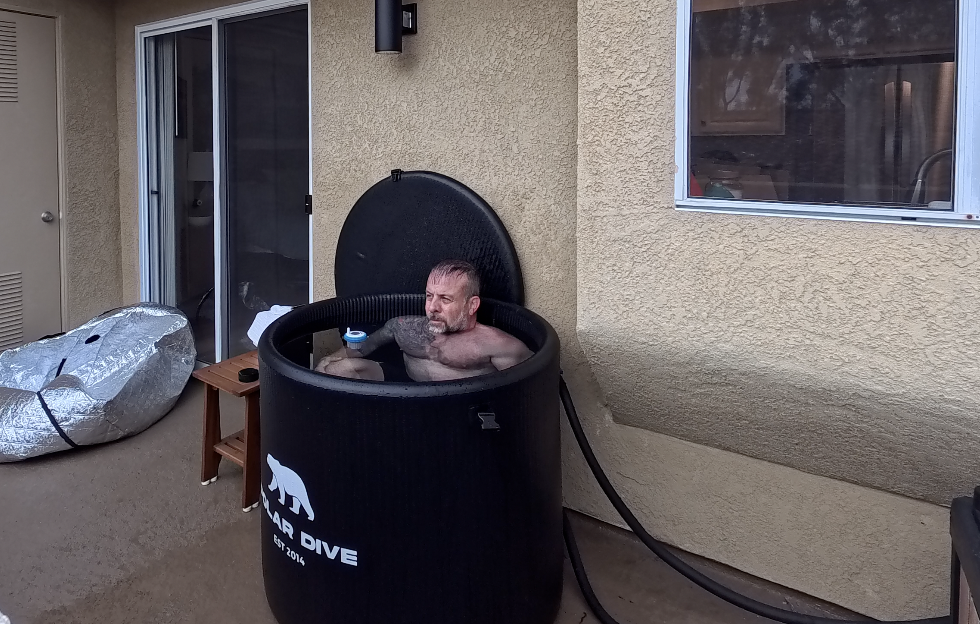
My alarm goes off at 6:00 AM every morning. Instead of reaching for my phone or checking email, I sit down and begin 21 minutes of Wim Hof breathing. At 6:30 AM, the real work starts: I step into my cold plunge. The water sits between 37 and 41°F, and I stay in for 5 minutes. By the time I step out at 6:35 AM, my brain is flooded with the same neurochemicals prescription stimulants target. Everything sharpens. Reaction time improves. Focus locks onto whatever task comes next. This is my daily startup sequence, and the science behind it explains why it works so well for photographers.
These results are not speculation. A landmark study by Šrámek et al. at Charles University in Prague measured plasma neurotransmitter levels during cold water immersion at 14°C (57°F). Their findings were striking: norepinephrine increased by 530% and dopamine increased by 250% compared to baseline levels. Together, these are the two primary neurochemicals responsible for attention, alertness, and motivation.
To put this in perspective, norepinephrine is the same neurotransmitter targeted by SNRI antidepressants and ADHD medications. However, cold water triggers a massive, natural release of it within seconds of immersion. More importantly, the effect persists for up to 2-3 hours after you step out of the water, giving you a sustained window of heightened cognitive performance.
The Neurochemistry: Dopamine, Norepinephrine, and Sustained Focus
Dopamine drives goal-directed behavior, motivation, and the feeling of reward. With a 250% increase, you wake up with the neurochemical equivalent of accomplishing something meaningful before your day has even started. On top of this, research from the Huberman Lab at Stanford confirms deliberate cold exposure produces a long, sustained rise in dopamine, unlike caffeine or other stimulants with their spike-and-crash pattern.
Meanwhile, norepinephrine increases energy, alertness, and the ability to filter distractions. A 530% boost in norepinephrine sharpens your attentional control. In practice, this matters when you are shooting a wedding at golden hour and need to track the bride, the light, the background, and your exposure settings simultaneously. As a result, your brain’s signal-to-noise ratio improves measurably.
What Brain Imaging Reveals About Cold Water and Focus

Beyond neurochemistry, structural changes happen in real time. A 2023 fMRI study published in Biology showed cold-water immersion increased neural connectivity between large-scale brain networks, including the prefrontal cortex and anterior cingulate cortex. Participants reported feeling more alert, active, and attentive after immersion. Importantly, the brain scans confirmed it: cold water does not simply wake you up. Instead, it reorganizes how your brain networks communicate, favoring the circuits responsible for executive function and focused attention.
Similarly, a 2024 paper in The Journal of Neuropsychiatry and Clinical Neurosciences described this process as “neurohormesis,” where the controlled stress of cold exposure triggers the release of dopamine, serotonin, norepinephrine, and beta-endorphins. Over time, these neurotransmitters modulate the brain’s stress-response circuits, building resilience rather than depleting it.
Why Photographers Need This Edge
Photography demands sustained visual attention, rapid decision-making, and creative problem-solving, often under pressure. During a portrait session, you need to read your subject’s micro-expressions, adjust lighting ratios, direct posing, and monitor your histogram within seconds. Landscape photography at sunrise gives you a 15-20 minute window of optimal light. On top of this, event photography requires 6-10 hours of continuous alertness.
The cognitive demands of post-production are different but equally intense. For example, color grading a 500-image wedding gallery requires sustained attention to subtle tonal shifts across hours of editing. Retouching demands fine motor control and visual precision. Because these tasks are dopamine-dependent, low dopamine levels slow your editing, make your creative decisions conservative, and reduce your output quality.
A morning cold plunge front-loads your neurochemistry for the day. I noticed the difference within my first week: morning editing sessions became sharper, decision-making on set became faster, and the 2 PM energy dip I used to fight through disappeared entirely. As a result, you get your highest dopamine and norepinephrine levels during the hours when most photographers need peak performance: the morning shoot window and the first editing session of the day.
The Morning Protocol: Breathwork + Cold Plunge
I have tested dozens of morning routines over the years. Nothing comes close to what breathwork plus cold water does for my focus and creative output. Here is the exact protocol I follow every single day, built from published research and hundreds of personal sessions:
6:00 AM – Wake Up
Get out of bed immediately. Leave the phone on the nightstand, skip the inbox, and avoid all screens. The first 30 minutes of your day belong to your body and brain, not to notifications.
6:00-6:21 AM – Wim Hof Breathwork (21 minutes)
Each morning, I sit down and run through the Wim Hof Method: cyclic hyperventilation with breath retention. A 2022 randomized trial published in BMC Complementary Medicine and Therapies showed combining breathing techniques with cold exposure produced a medium-to-large effect on perceived stress reduction. Notably, neither breathing nor cold exposure alone produced the same result. The combination creates a synergistic effect.
During the session, the breathwork pre-loads your system with oxygen, temporarily shifts your blood pH toward alkalinity, and activates the sympathetic nervous system in a controlled way. After 21 minutes, a calm alertness settles in. Your body is primed for what comes next.
6:30-6:35 AM – Cold Plunge (5 minutes at 37-41°F)
Then I walk outside and step into my Polar Dive PRO. The water temperature sits between 37-41°F (3-5°C). For the first 30 seconds, the cold is intense. Your breathing accelerates, your muscles tense, and the urge to exit is strong. However, by the 60-second mark, your body begins adapting. Gradually, your breathing slows and a sense of calm clarity replaces the initial shock. By 3-4 minutes, you feel focused and alert without the jittery edge of a caffeine spike. I stay for the full 5 minutes.
Dr. Mark Harper’s research indicates optimal physiological response occurs between 50-59°F (10-15°C) for general benefits. Going colder, into the 37-41°F range, intensifies the dopamine and norepinephrine response but requires gradual adaptation. Start at 55°F and work down over several weeks.
A 2024 randomized controlled trial published in ScienceDirect showed women using the full Wim Hof Method (breathwork + cold exposure + meditation) showed significant reductions in depressive symptoms and anxiety compared to control groups. This emotional baseline shift matters for creative professionals. You approach client interactions, creative decisions, and business challenges from a position of neurochemical stability rather than reactivity.
Brown Fat, Metabolism, and All-Day Energy
Beyond brain chemistry, cold exposure also activates brown adipose tissue (BAT), a metabolically active fat generating heat by burning calories. A meta-analysis published in the International Journal of Environmental Research and Public Health confirmed acute cold exposure significantly increases BAT activity as measured by PET-CT imaging. Additionally, a study published in PNAS showed cold exposure activated BAT in every single volunteer tested, while pharmaceutical stimulants failed to produce the same effect.
According to the Šrámek study, the metabolic rate increase during cold immersion at 14°C reaches 350%. While this extreme metabolic spike is temporary, the downstream effects on energy regulation persist throughout the day. Specifically, BAT activation improves insulin sensitivity, supports healthy glucose metabolism, and contributes to a steady energy supply rather than the blood sugar rollercoaster triggered by high-carb breakfasts or energy drinks.
For photographers who shoot on location for hours, this translates to more stable energy levels. As a result, the mid-morning crash disappears. The 2 PM slump during culling sessions fades. Your metabolic foundation supports sustained output all day.
The Vagus Nerve Connection: Stress Resilience on Set
In addition to metabolic benefits, cold water immersion stimulates the vagus nerve, the longest cranial nerve in your body and the primary communication line between your brain and your gut, heart, and lungs. When activated, the vagus nerve triggers your parasympathetic nervous system, shifting your body from “fight or flight” into “rest and digest” mode.
Research published in Temperature (a peer-reviewed journal) confirmed the relationship between cold water exposure and vagal tone improvement. Consequently, higher vagal tone correlates with better emotional regulation, lower resting heart rate, improved recovery from stress, and greater cognitive flexibility.
For photographers, improved vagal tone shows up in practical ways. You stay calm when a lighting setup fails 10 minutes before a session, maintain composure when a client changes the shot list mid-shoot, and recover faster from the mental fatigue of a 12-hour wedding day. Stress resilience is not a personality trait. Rather, it is a physiological capacity, and cold plunging trains it directly.
Over time, regular cold exposure builds your stress tolerance baseline. In fact, a 2025 semi-randomized control trial published in Nature Scientific Reports confirmed repeated cold immersion and breathwork sessions produced lasting improvements in psychophysiological markers, not temporary relief.
Recommended Cold Plunge
Polar Dive PRO – Starting at $699
The Polar Dive PRO includes a 0.3 HP chiller holding water at your set temperature 24/7 with 20-micron filtration. The tub fits users up to 6’9″ and 320 lbs. Set your plunge temperature from your phone and schedule morning sessions the night before. Free shipping across the continental US with a 1-year warranty and satisfaction guarantee.
Getting Started: The Polar Dive USA Setup
The biggest barrier to a consistent cold plunge routine is equipment. Obviously, filling a bathtub with ice every morning is not sustainable. Instead, you need a dedicated cold plunge with a chiller maintaining your target temperature 24/7 without daily maintenance.
The Polar Dive PRO from Polar Dive USA solves this problem at a price point under $1,000. The system includes an inflatable tub made from durable sailcloth material and a 0.3 HP chiller unit cooling water down to 39°F (3°C). Because the chiller measures only 12x12x13 inches and weighs 40 lbs, it is portable enough to move between a garage, patio, or home studio.
Meanwhile, the 20-micron filtration system keeps water clean for weeks to months without draining and refilling. Simply set your desired temperature through the digital controller, and the chiller maintains it around the clock. When you walk out to your cold plunge at 6:30 AM, the water is ready at your target temperature every single day. No ice runs, no temperature guessing, no excuses.
The tub accommodates users up to 6’9″ and 320 lbs, and the included insulated lid retains temperature between sessions. Polar Dive USA ships free to the continental US with a 1-year manufacturer warranty and a 100% satisfaction guarantee.
GearJunkie reviewed the Polar Dive PRO as the best affordable cold plunge setup tested, noting the chiller is one of the quietest on the market with only mild buzzing during operation. For photographers working from a home office or studio, the low noise profile means the chiller runs overnight without disrupting sleep.
Building Your Morning Cold Plunge Routine
Start conservative and build gradually. Here is a 4-week progression plan:
Week 1: 1 minute at 55°F. Focus on controlled breathing. In through the nose, out through the mouth. Do not fight the cold. Accept it.
Week 2: 2 minutes at 50°F. Begin adding 10 minutes of Wim Hof breathwork before the plunge. Notice how the breathwork changes your tolerance.
Week 3: 3 minutes at 45°F. Extend breathwork to 15-20 minutes. You will start noticing the post-plunge focus window during your morning editing sessions.
Week 4: 4-5 minutes at 40-41°F. Full protocol: 20+ minutes breathwork followed by 5 minutes in the plunge. Track your productivity on plunge days versus non-plunge days. The difference will confirm the habit.
Safety notes: Do not cold plunge alone if you are new to the practice. Avoid cold plunging if you have unmanaged cardiovascular conditions. Consult your physician before starting any cold exposure protocol. Never submerge your head. Exit immediately if you feel dizzy, confused, or experience chest pain.
After the plunge, resist the urge to take a warm shower immediately. Instead, let your body rewarm naturally because this extends the norepinephrine and dopamine elevation. Personally, I go straight to my editing station or pack my camera bag for the day’s shoot. The key is to channel the neurochemical peak directly into your first productive task. Without question, the 2-3 hour focus window after a cold plunge is the most productive part of my entire day.
Frequently Asked Questions
How long should a morning cold plunge last for mental focus benefits?
Research shows benefits starting at 1-2 minutes in water between 50-59°F. For maximum dopamine and norepinephrine release, 2-5 minutes at 37-45°F is the target range used in clinical studies. The Šrámek study measured peak neurochemical changes during sustained immersion at 57°F. Start at 1 minute and build up over 3-4 weeks.
Is a cold plunge better than coffee for focus?
Coffee increases adenosine receptor blocking, delaying fatigue but not increasing dopamine production at the same magnitude. Cold water immersion raises dopamine by 250% with a sustained elevation lasting 2-3 hours. Coffee typically produces a sharper spike followed by a crash. Many cold plunge practitioners report they reduced or eliminated morning caffeine after establishing a consistent cold plunge routine.
Does the Wim Hof Method work without cold exposure?
A 2022 BMC study showed breathwork alone did not produce the same stress reduction as breathwork combined with cold exposure. The combination created a synergistic effect with a medium-to-large positive effect on perceived stress. The breathing primes your nervous system; the cold delivers the neurochemical payload.
How cold does the water need to be for brain benefits?
Dr. Mark Harper’s research shows the maximum physiological response occurs between 50-59°F (10-15°C). Colder temperatures (37-45°F) produce more intense dopamine and norepinephrine responses but require gradual adaptation. The Polar Dive PRO chiller reaches 39°F, giving you full control over your temperature progression.
Is cold plunging safe for everyone?
Cold water immersion carries risks for individuals with unmanaged heart conditions, uncontrolled hypertension, Raynaud’s disease, or cold urticaria. Pregnant individuals should avoid cold plunging. Always consult a physician before starting. Healthy adults with no contraindications tolerate cold plunging well when following a gradual progression protocol.
How does cold plunging help photographers specifically?
Photography requires sustained visual attention, rapid decision-making under pressure, fine motor control during editing, and emotional regulation during client interactions. Cold plunging increases dopamine (motivation, reward), norepinephrine (focus, alertness), and vagal tone (stress resilience). These three neurochemical shifts directly address the cognitive demands of professional photography work.
Ready to Start Your Morning Protocol?
Polar Dive PRO – Chiller + Tub Under $1,000
Set your target temperature the night before and wake up to a cold plunge ready at 39°F every morning. The 0.3 HP chiller runs 24/7, the 20-micron filter keeps water clean for months, and the tub fits in your garage, patio, or studio. Free shipping, 1-year warranty, 100% satisfaction guarantee.

