


There’s something magical about a landscape photograph that immediately draws you in. You can feel the breeze, hear the rustle of leaves, and almost smell the fresh mountain air. That immersive feeling doesn’t come from the distant peaks alone or a striking sunset; it often starts right at your feet with a compelling foreground.
Foreground elements are more than just visual fillers. They create context, establish scale, and lead the viewer’s eye deeper into the frame. Photographers who pay attention to foreground interest often capture images that feel three-dimensional and inviting, instead of flat and distant.
In this article, we’ll break down how to use foreground interest effectively in landscape photography. From choosing the right elements to shooting techniques and post-processing tips, you’ll see how foreground can transform your images. We’ll also cover how to showcase your photos in stunning prints, making your landscapes truly tangible and long-lasting.
Table of Contents
- Why Foreground Matters in Landscape Photography
- Choosing the Right Foreground Elements
- Using Foreground to Create Depth
- Leading Lines and Textures in the Foreground
- Foreground in Different Types of Landscapes
- Practical Tips for Shooting Compelling Foregrounds
- Post-Processing Tips for Emphasizing Foreground Interest
- Printing Your Landscapes: Foreground Interest with Artbeat Studios HD Acrylic Prints
- Bringing Your Images to Life
- FAQ
Why Foreground Matters in Landscape Photography
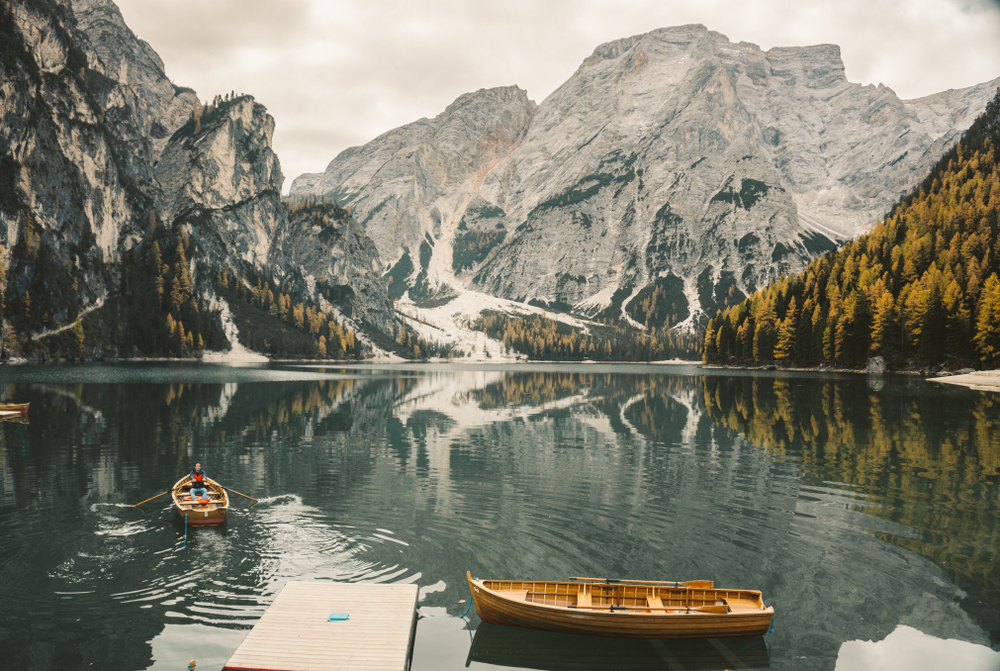
Photo by kasakphoto via Shutterstock
Foreground interest is crucial for creating images that feel alive. Without a thoughtful foreground, even the most dramatic mountains or skies can appear flat and disconnected. The foreground provides context, showing the viewer where they are in the landscape and helping them relate to the scene.
It also establishes scale. A lone tree, a patch of flowers, or a rock formation in the foreground allows the viewer to comprehend the size of distant mountains or valleys. When scaled elements are absent, landscapes can lose their sense of grandeur.
Another key role of foreground interest is guiding the viewer’s eye. The eye naturally moves from one element to another, and placing interesting textures, shapes, or lines in the foreground can direct attention toward the main subject without feeling forced.
Choosing the Right Foreground Elements
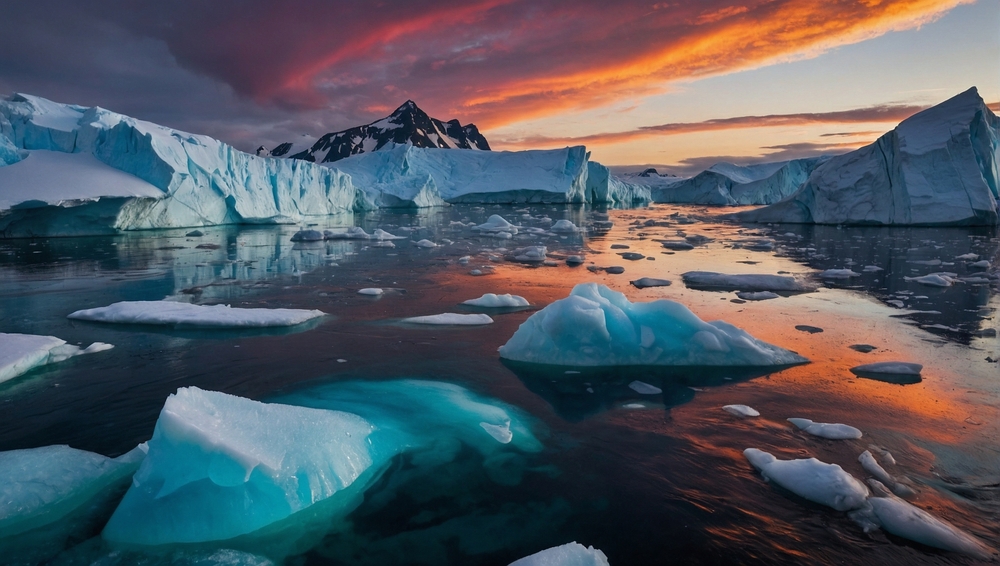
Photo by Wirestock Creators via Shutterstock
Selecting foreground elements requires an eye for balance. Ideally, these elements should complement the main subject, not compete with it. Think about color, texture, and scale; elements that feel natural and harmonious with the scene.
Foreground interest can be anything from wildflowers to rocks, sand patterns, puddles, or tree roots. In coastal landscapes, driftwood and shell clusters can serve the purpose. In mountain landscapes, a stream or boulder field can anchor the scene. The key is to ensure the elements help tell the story of the environment.
Sometimes less is more. Crowding the foreground with too many elements can confuse the viewer or dilute the impact of the scene. Choosing a single, strong focal point in the foreground often produces more compelling and visually satisfying results.
Using Foreground to Create Depth
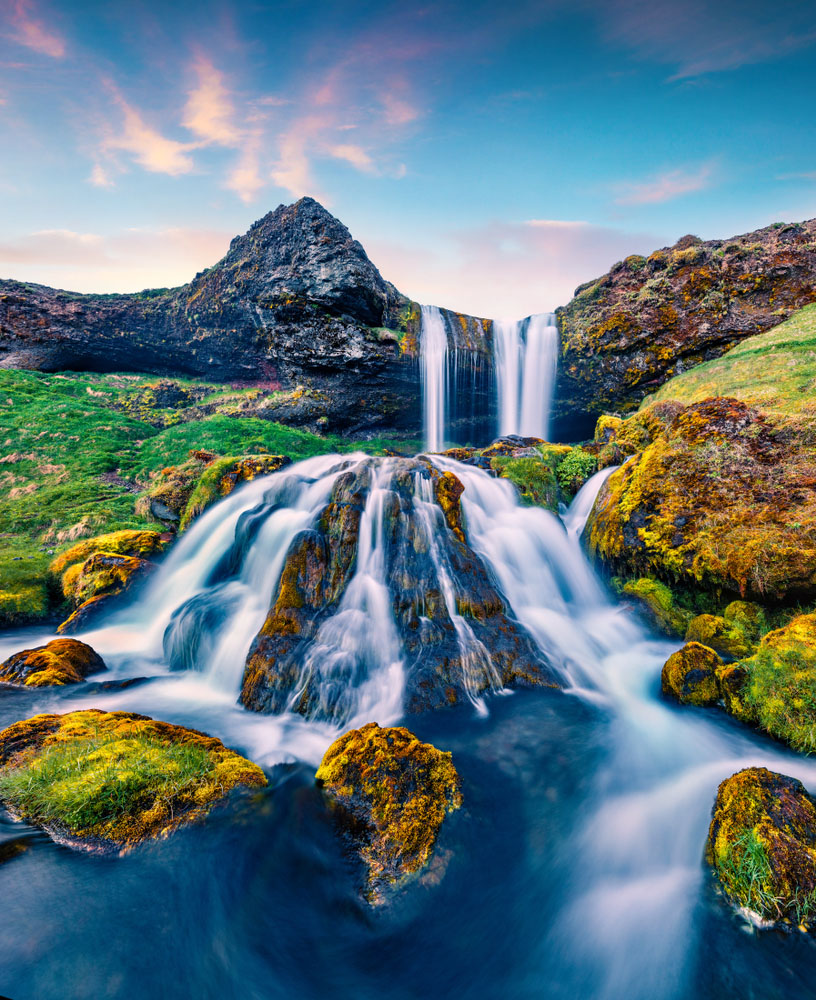
Photo by Andrew Mayovskyy via Shutterstock
Foreground interest naturally creates a sense of depth in images. By layering foreground, midground, and background elements, photographers can guide the viewer from the front of the frame to the back, creating a three-dimensional feel.
Perspective plays a huge role here. Placing elements close to the camera and using wide-angle lenses exaggerates depth, making the scene more immersive. Even simple objects like rocks or grass can become powerful depth anchors when positioned effectively.
Experimenting with scale can also enhance depth. Combining small foreground objects with vast backgrounds helps convey the size of the landscape. This is particularly effective in mountainous or coastal settings, where the contrast between near and far elements emphasizes grandeur.
Leading Lines and Textures in the Foreground
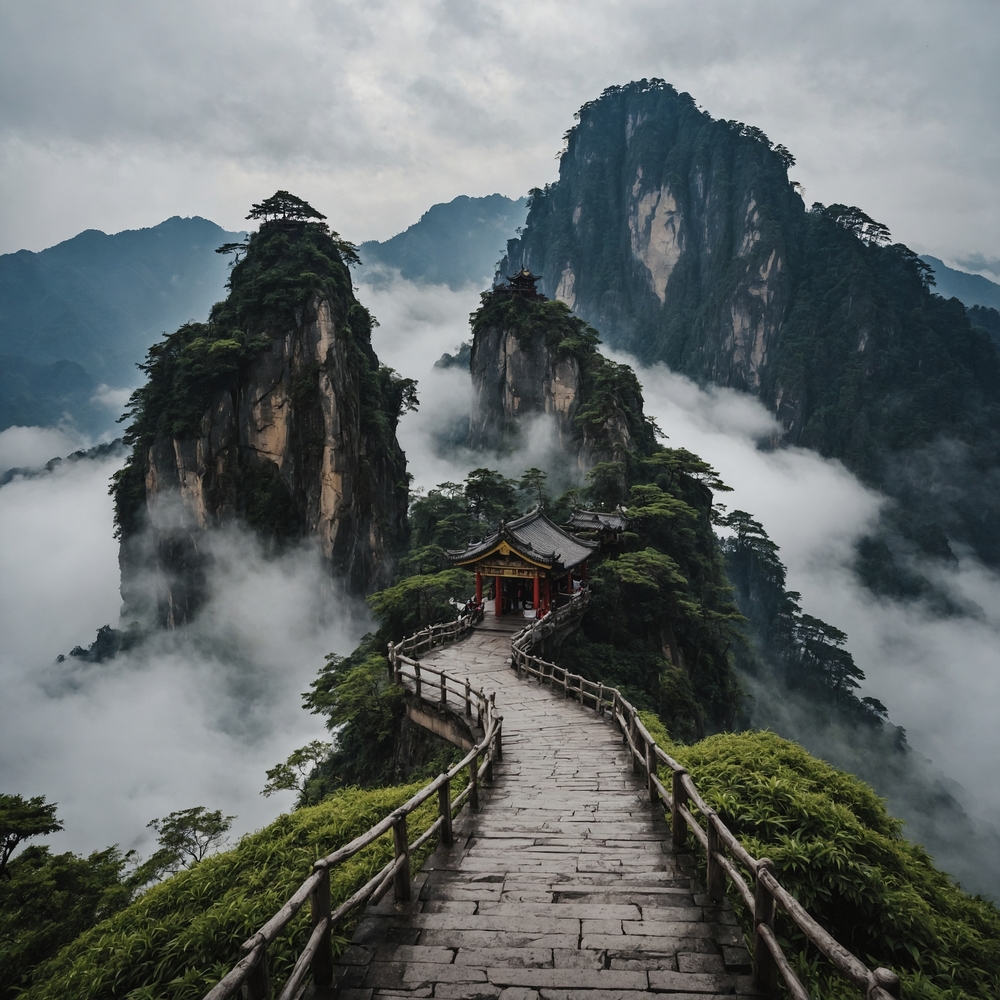
Photo by stock top via Shutterstock
Leading lines are one of the most effective ways to incorporate foreground interest. Natural lines, like rivers, trails, sand ridges, or fallen logs, can guide the viewer’s gaze from the foreground toward the main subject in the midground or background.
Texture adds another dimension to foreground interest. Rough rocks, rippling water, or leaf patterns provide tactile cues that invite the viewer to imagine feeling the surface. Combining texture with leading lines often produces a sense of movement and flow that strengthens the composition.
Even subtle textures can enhance a scene. A frost-covered grass patch in the morning or wind patterns in sand can create an understated yet powerful foreground element that draws attention without dominating the frame.
Foreground in Different Types of Landscapes
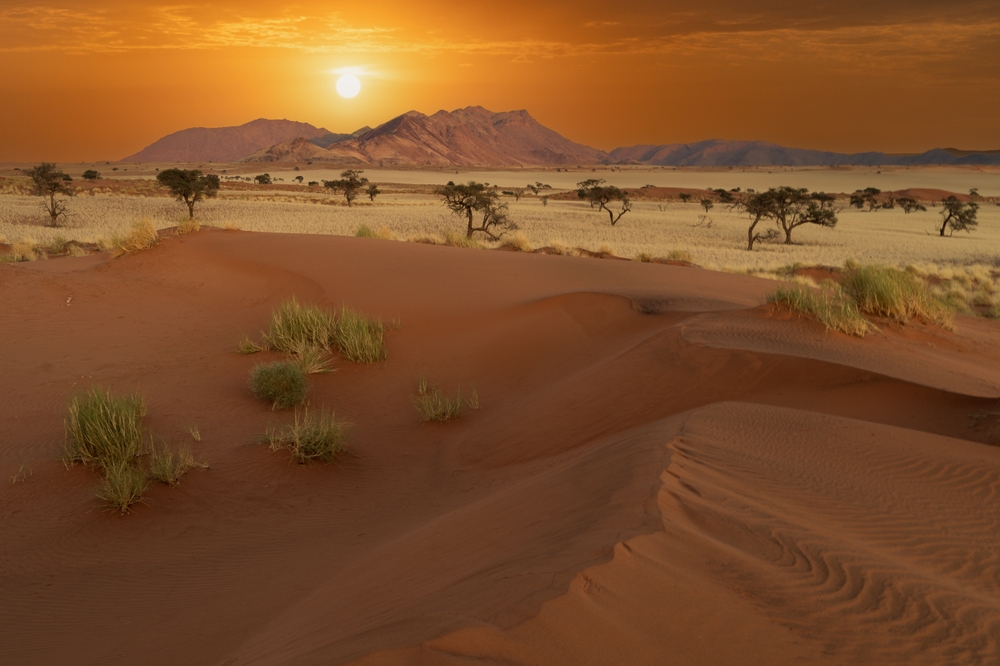
Photo by Vaclav Sebek via Shutterstock
Different landscapes offer unique opportunities for foreground interest. In forests, roots, fallen leaves, and moss-covered rocks provide natural texture and framing. In mountains, streams, snow patches, and boulder clusters work well. Coastal landscapes benefit from driftwood, sand patterns, and tidal pools.
Urban or hybrid landscapes also allow for creative foreground elements. Benches, sculptures, and architectural lines can lead the eye through the scene while grounding the viewer in a familiar context. Each landscape type requires a tailored approach to foreground composition to maintain balance and depth.
Observing your surroundings closely is key. Foreground interest isn’t always obvious at first glance. Taking the time to scan the immediate area for textures, shapes, and natural lines often results in more engaging compositions.
Practical Tips for Shooting Compelling Foregrounds
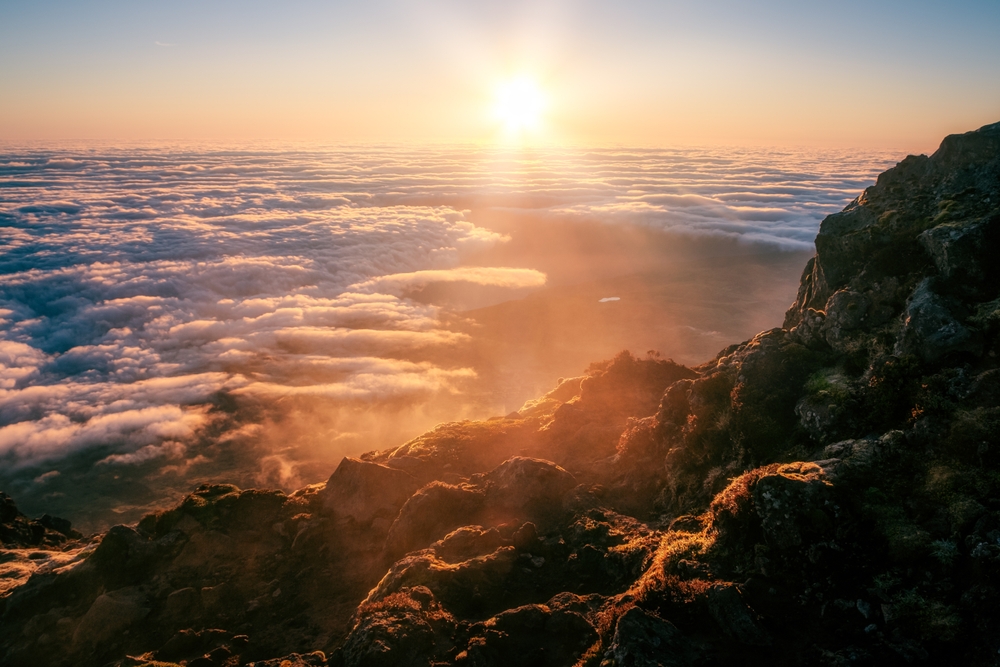
Photo by Martin M303 via Shutterstock
Shooting foreground interest effectively often requires adjustments to your shooting approach. Getting low to the ground emphasizes foreground elements and creates a sense of scale. Wide-angle lenses exaggerate the prominence of foreground objects, making the scene feel expansive.
Lighting is another critical factor. Early morning or late afternoon light casts shadows that enhance texture and depth. Directional light can highlight intricate details, making the foreground pop without overwhelming the midground or background.
Depth of field should also be considered carefully. Smaller apertures keep both foreground and background in focus, ideal for landscapes where you want every detail sharp. In some cases, selectively focusing on a foreground element can create a striking contrast with a soft background, emphasizing the chosen focal point.
Post-Processing Tips for Emphasizing Foreground Interest
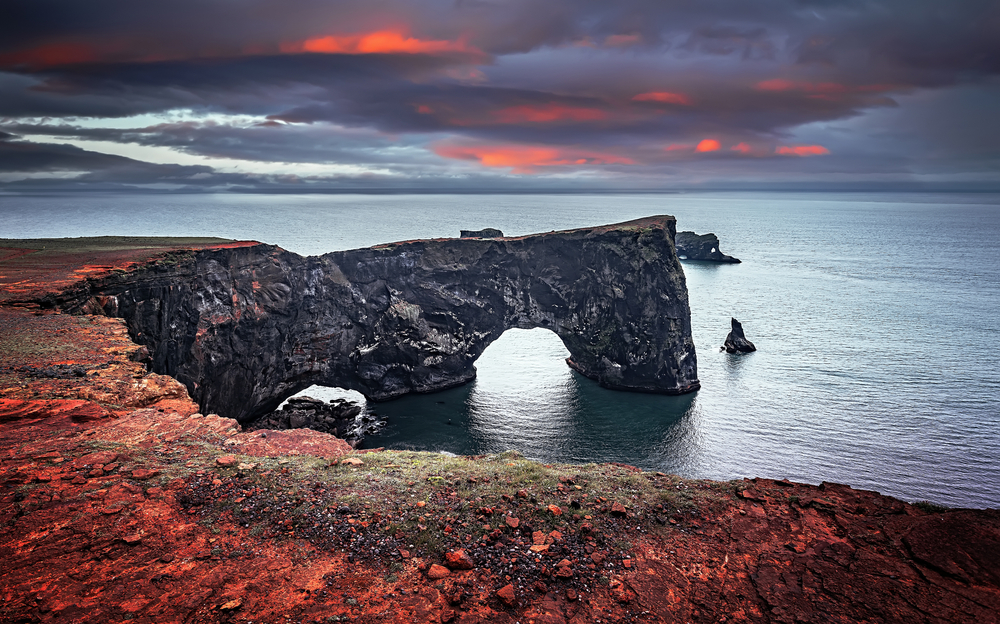
Photo by Yevhenii Chulovskyi via Shutterstock
Post-processing can enhance foreground interest without making it feel artificial. Adjusting contrast and sharpness selectively allows textures and lines to stand out. Subtle dodging and burning can draw attention to key elements, guiding the eye naturally through the scene.
Color adjustments should be applied with care. Enhancing the natural tones in the foreground helps maintain realism while adding vibrancy. Avoid oversaturating, which can distract from the harmony between foreground and background.
Vignettes, when used subtly, can help focus attention on the foreground and main subject. Balancing tones between foreground and background ensures that both areas complement each other and contribute to the overall depth of the image.
Printing Your Landscapes: Foreground Interest with Artbeat Studios HD Acrylic Prints

Capturing compelling foreground interest is only part of the story. Presenting your images in high-quality prints elevates their impact and allows viewers to fully appreciate the depth and textures you worked to capture.
Artbeat Studios HD Acrylic Prints are designed to showcase every detail with sharpness and clarity. The face-mounted prints use metallic or white photo paper, creating a luminous appearance that highlights textures, patterns, and lines. Custom sizes range from 8×8″ to 48×96″, perfect for panoramic shots that include rich foreground interest.

The three styles—HD Acrylic, HD Acrylic Slims, and HD Acrylic 360—offer variations in thickness and backers to suit your display preferences. Wall mounts in silver or black aluminum add a floating effect, while box and float frames provide classic or modern finishes. Each print is made to archival standards, giving your landscapes longevity and a gallery-quality appearance.
By using HD Acrylic Prints, foreground textures and leading lines become immersive, inviting the viewer to feel as if they are stepping into the scene. The prints preserve every detail, from a frost-covered leaf to rippling water, making your landscape photography tangible and impactful.
Bringing Your Images to Life
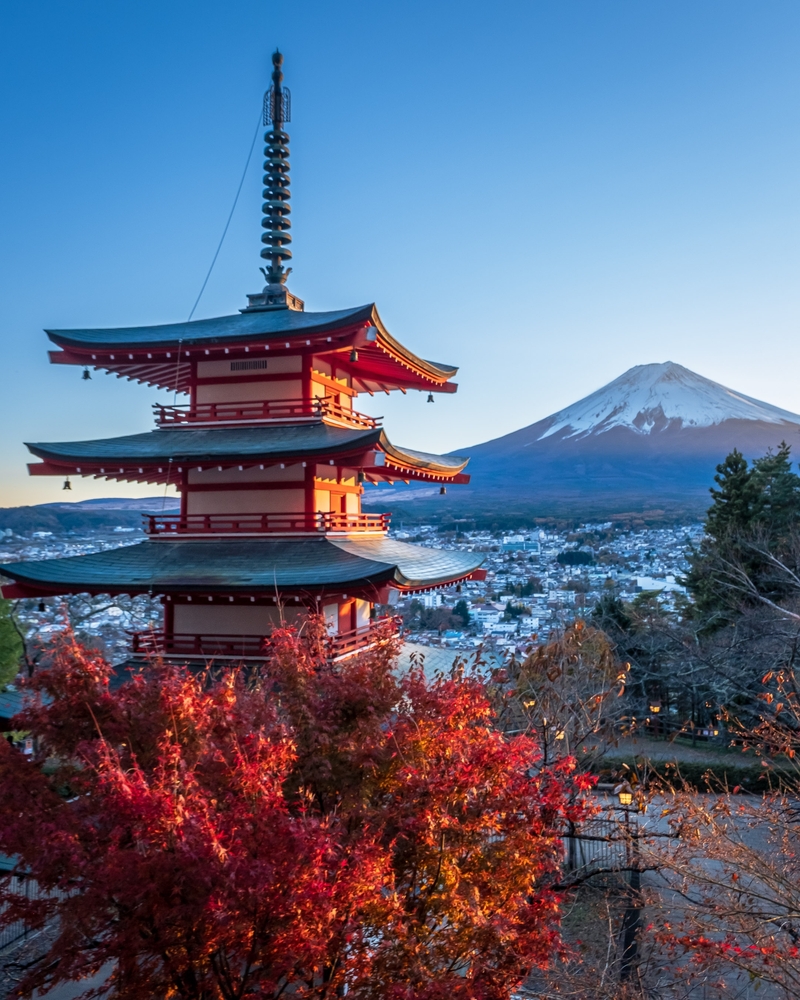
Photo by Charles Barbe via Shutterstock
Foreground interest transforms ordinary landscapes into engaging, dynamic compositions. By carefully choosing elements, using perspective, and applying thoughtful lighting, photographers can create images that guide the eye and convey scale and depth.
Post-processing and high-quality printing further amplify the effect. Artbeat Studios HD Acrylic Prints allow your audience to experience your landscapes as you saw them, with vibrant textures, luminous surfaces, and precise detail. Incorporating foreground interest thoughtfully ensures that your images feel complete, immersive, and memorable.
FAQ
What is foreground interest in landscape photography?
Foreground interest refers to elements in the front of the frame that add depth, scale, and visual engagement. Rocks, flowers, or pathways are common examples.
Why is foreground important in landscape images?
Foreground elements anchor the composition, create a sense of depth, and guide the viewer’s eye through the scene, making images more immersive.
How do I choose the right foreground elements?
Look for objects that complement the main subject in color, texture, and scale. Avoid clutter or elements that distract from the overall composition.
Can foreground interest be used in urban landscapes?
Yes, urban elements like benches, sculptures, and architectural lines can serve as effective foreground interest while providing context and scale.
What makes Artbeat Studios HD Acrylic Prints ideal for landscapes?
They provide sharpness, depth, and a luminous appearance. Face-mounted prints on metallic or white photo paper highlight textures and lines, preserving every detail in your images.
Can I print panoramic landscapes with foreground elements?
Yes, Artbeat Studios offers custom sizes from 8×8″ up to 48×96″, making it perfect for panoramic images that include rich foreground interest.
Heads up: Clicking on our affiliate links and exploring our sponsored content helps us at no extra cost to you, and we only recommend gear we’re absolutely crazy about!
Learn More:
- Metal vs Acrylic Prints: Which is Right for You?
- From Digital to Print: How to Preserve Your Best Photographs
Hero photo by LI SEN via Shutterstock

