


In the age of smartphones and social media, it’s easy to forget the power of printed photos. Digital images are convenient, but they often sit unseen in cloud storage or on devices, losing the emotional weight they carry. For weddings and portrait photography, physical prints offer a tangible connection to moments that matter most.
Printed photos create a lasting impression that digital files cannot replicate. Holding a beautifully framed portrait of a loved one or flipping through a wedding album engages the senses and preserves memories for years to come. Photographers who embrace printing elevate their craft and give clients something truly special.
Table of Contents
- The Emotional Power of Printed Photos in Wedding and Portrait Photography
- Why Printing Elevates Your Photography as a Professional
- Choosing the Right Paper and Finish for Your Printed Photos
- Spotlight: Artbeat Studios – Fine Art Printed Photos for Weddings and Portraits
- Creating Lasting Memories Through Printed Photos
- Tips for Photographers: Making the Most of Printed Photos
- How Printed Photos Enhance Storytelling in Weddings and Portraits
- Embracing Printed Photos as a Core Part of Your Photography
- FAQ
The Emotional Power of Printed Photos in Wedding and Portrait Photography
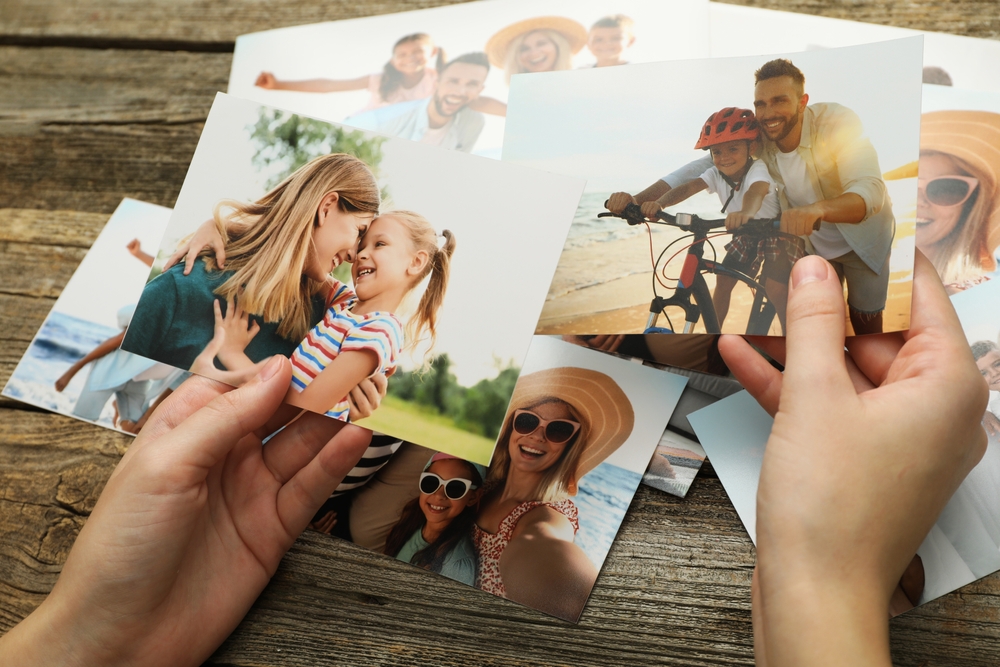
Photo by New Africa via Shutterstock
Printed photos carry an emotional resonance that digital screens often fail to convey. Holding a physical image allows clients to connect with their memories in a tangible way. The texture of the paper, the depth of color, and the size of a printed photo can all amplify the emotional impact of a cherished moment.
Weddings are filled with fleeting emotions: joy, anticipation, and love. When couples see their wedding day captured on paper, the experience becomes more intimate and lasting. Portrait photography works similarly, offering families and individuals a physical reminder of who they are at a specific moment in time.
Moreover, printed photos encourage interaction. They invite touch, reflection, and sharing with others. Whether displayed on a wall or handed from one family member to another, printed photos make memories accessible in a way that digital images often cannot.
Why Printing Elevates Your Photography as a Professional
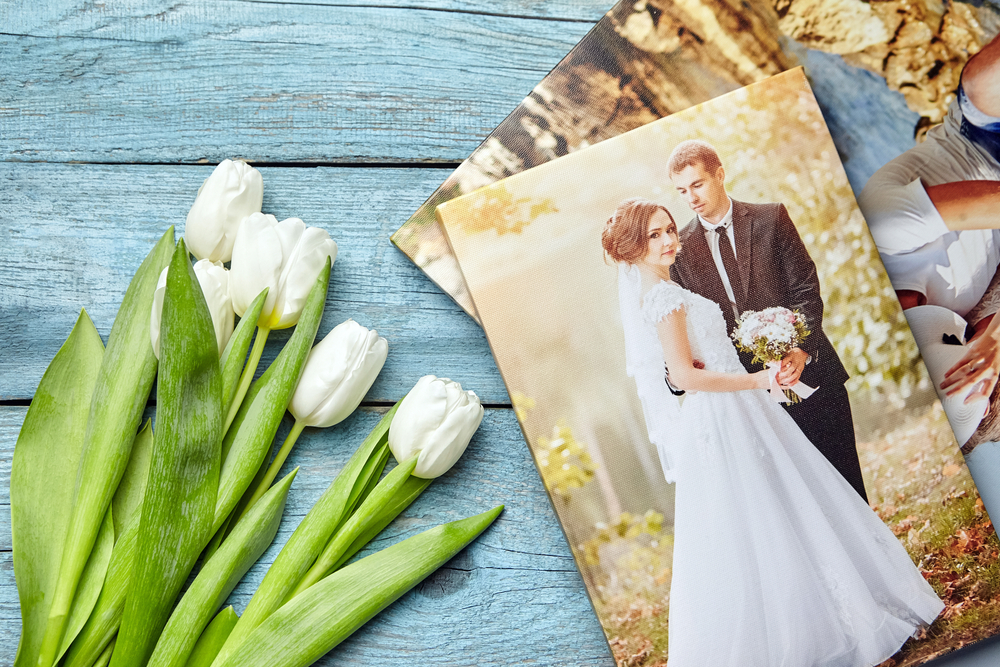
Photo by Mike_O via Shutterstock
For photographers, offering printed photos adds a layer of professionalism and value. Clients perceive physical prints as a premium product, signaling that the photographer cares about quality and presentation. A well-printed portfolio or framed wedding portrait can distinguish a photographer in a competitive market.
Printing also encourages photographers to focus on technical excellence. Details like composition, lighting, and color grading become more important because flaws are more apparent in printed photos than on screens. This attention to detail can elevate the overall quality of work.
Additionally, printed photos can serve as a marketing tool. Displaying framed portraits in a studio, gallery, or at client consultations demonstrates expertise and attention to detail. Clients are more likely to invest in photography services when they see the tangible results firsthand.
Choosing the Right Paper and Finish for Your Printed Photos
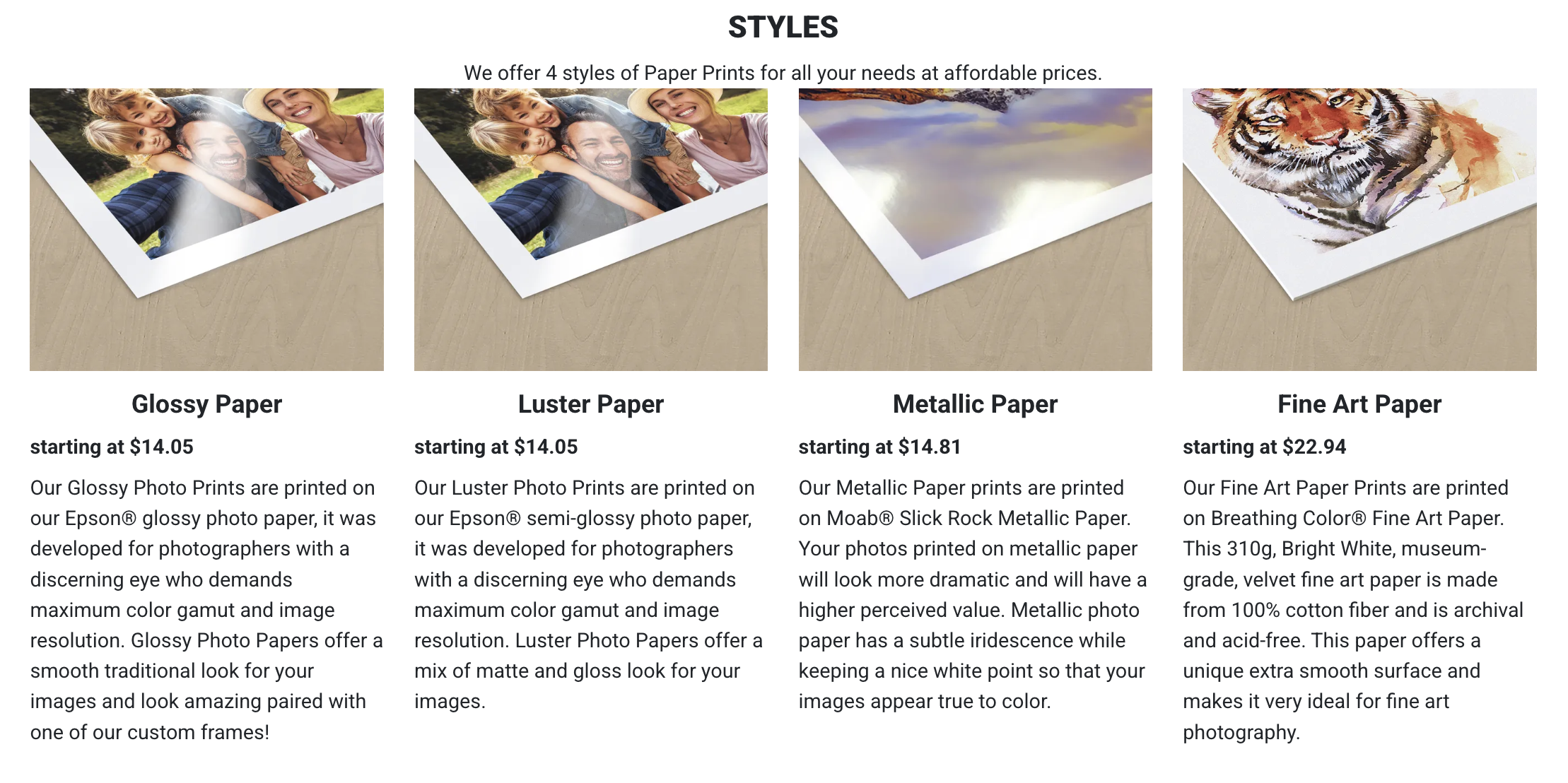
The type of paper and finish used for printed photos plays a critical role in how the image is perceived. Glossy papers enhance color vibrancy and give a traditional polished look, while luster papers provide a subtle balance between shine and matte texture, making them versatile for various styles of photography.
Metallic paper adds drama and perceived value, ideal for portraits or wedding images with rich tones and highlights. Fine art paper, often museum-grade and archival, offers a unique smooth surface and longevity, making it perfect for gallery-quality prints that last generations.
Understanding the nuances of each paper type allows photographers to select the best option for each image. By matching the finish with the emotion and style of the photograph, printed photos can achieve maximum impact for clients.
Spotlight: Artbeat Studios – Fine Art Printed Photos for Weddings and Portraits
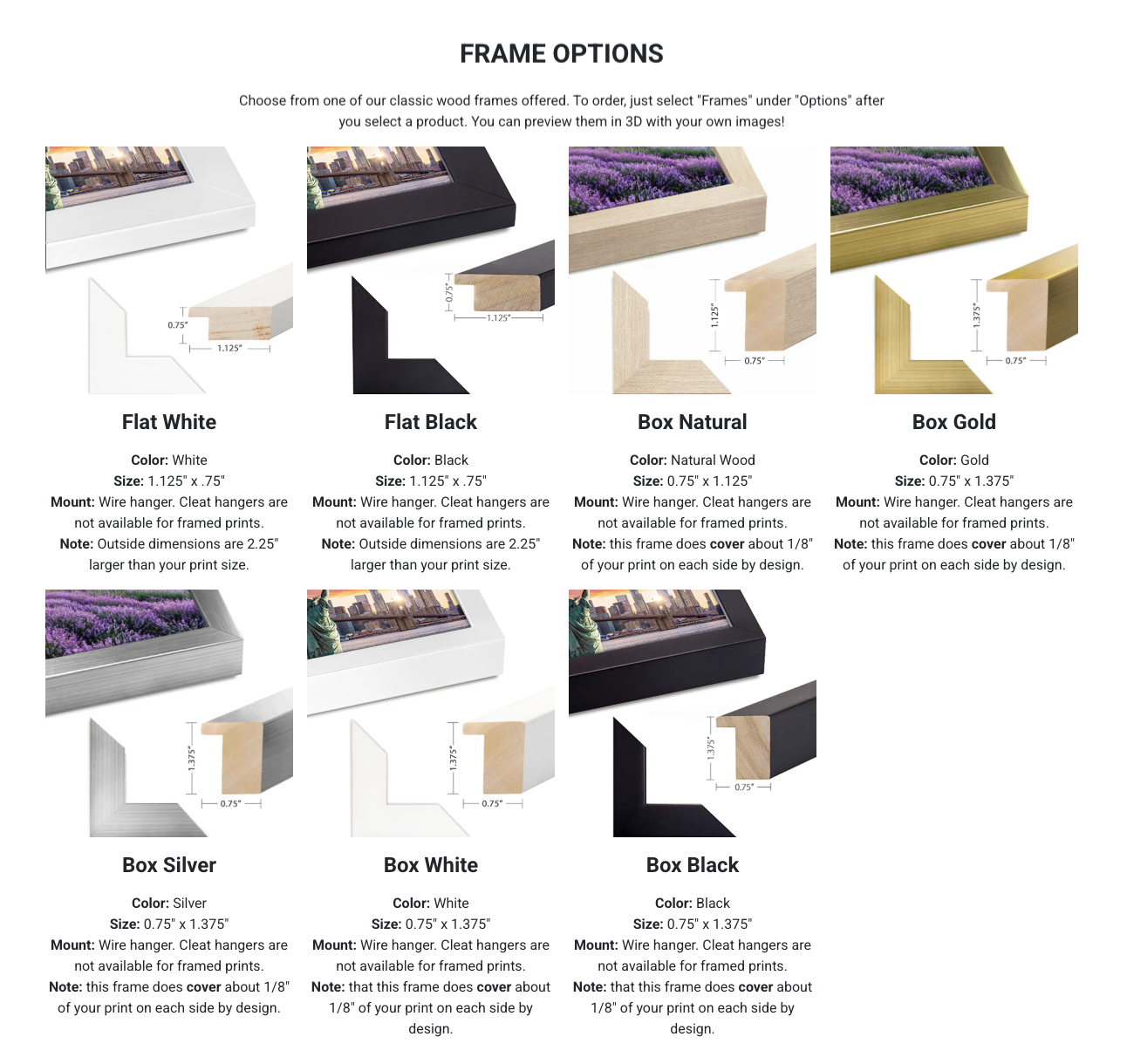
Artbeat Studios provides photographers and clients with a range of high-quality options for printed photos. Their four distinct paper styles cater to different needs and aesthetics:
- Glossy Paper: Epson® glossy photo paper with smooth traditional look and maximum color gamut.
- Luster Paper: Semi-glossy Epson® paper offering a balance between matte and shine.
- Metallic Paper: Moab® Slick Rock Metallic Paper for dramatic, iridescent prints.
- Fine Art Paper: Breathing Color® museum-grade, archival cotton paper for a velvet finish and long-term durability.
Artbeat Studios also offers customizable frames in multiple styles and colors, including Flat White, Flat Black, Box Gold, Box Silver, and Box Black. Each frame complements the printed photos, enhancing their presentation while offering options for personalization.
Matting options further enhance printed photos, with 2–4 inch black or white mats available. Matting draws focus to the image and provides a gallery-style aesthetic, making printed photos ideal for display in homes or studios. Photographers and clients alike benefit from Artbeat Studios’ combination of quality, versatility, and affordability.
Creating Lasting Memories Through Printed Photos
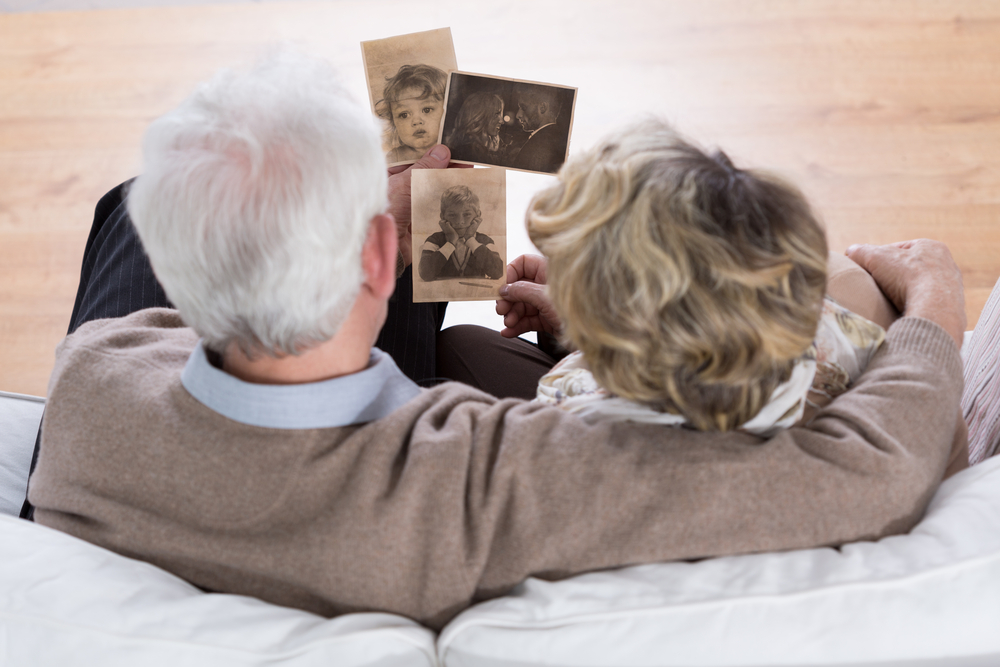
Photo by Ground Picture via Shutterstock
Printed photos transform fleeting moments into lasting memories. Wedding albums, framed portraits, and wall art allow clients to engage with their images daily, creating a sense of connection and continuity. These tangible items become family heirlooms, cherished across generations.
Physical prints encourage reflection and storytelling. When families gather, they can flip through albums or admire framed images, sharing memories and anecdotes that digital images alone cannot inspire. The presence of printed photos in a home provides ongoing emotional value.
Unlike digital files that may be lost, corrupted, or forgotten, printed photos are permanent. They preserve the artistry and emotion of photography in a reliable, accessible form, offering a sense of security and legacy for both photographers and clients.
Tips for Photographers: Making the Most of Printed Photos
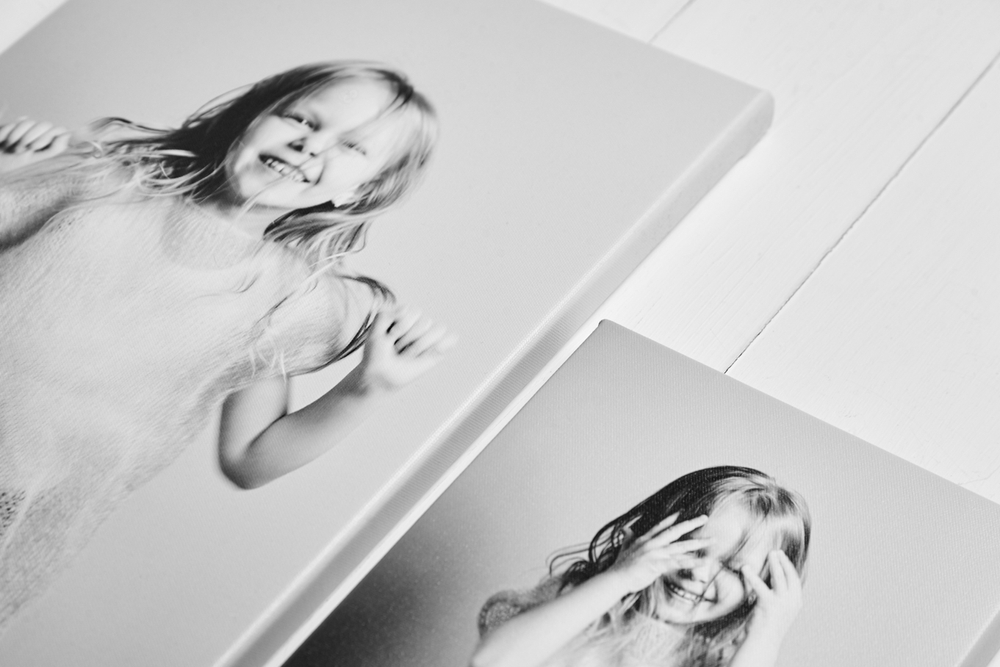
Photo by Mike_O via Shutterstock
Photographers should integrate printed photos into their service offerings to add value and professionalism. Discussing print options with clients early ensures that images are prepared and presented in their best form. Consider paper type, finish, frame, and matting when planning each project.
Maintaining quality control is essential. Calibrated monitors, high-resolution images, and proofing before printing ensure that printed photos meet client expectations. Attention to these details reflects a photographer’s commitment to excellence.
Offering printed photos also opens opportunities for additional revenue. Album packages, framed prints, and gallery-style presentations provide clients with premium options while allowing photographers to showcase their work in a tangible format.
How Printed Photos Enhance Storytelling in Weddings and Portraits
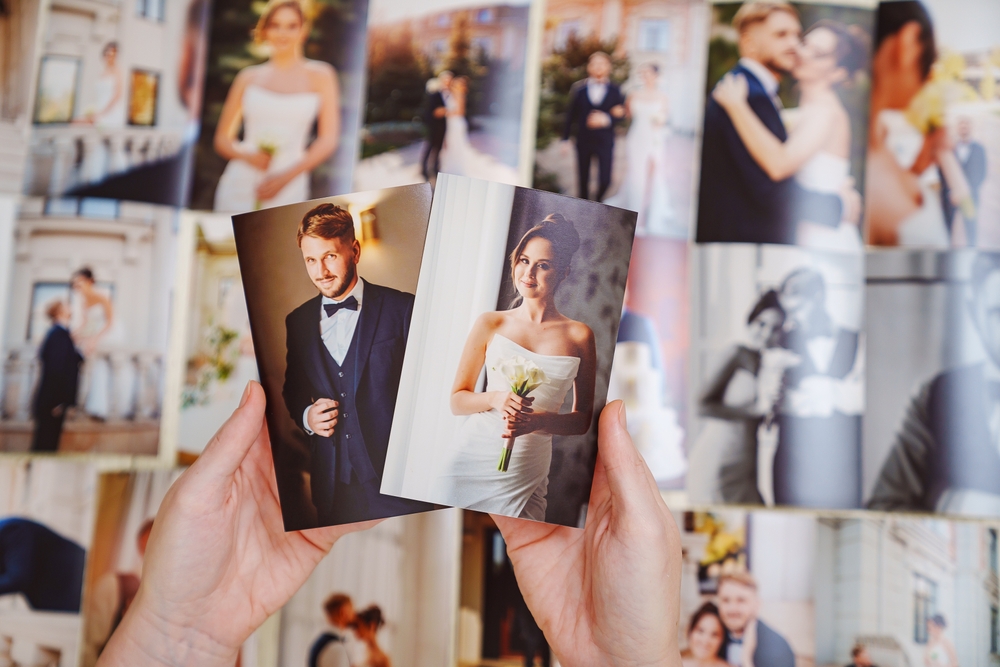
Photo by Andrey Sayfutdinov via Shutterstock
Printed photos allow for narrative presentation that digital files cannot replicate. Sequencing images in albums or arranging them on walls can guide viewers through a story, highlighting emotions and connections captured during photography sessions.
In wedding photography, printed albums can illustrate the flow of the day, from the ceremony to reception, while portraits may depict a family’s growth or a child’s development over time. The physicality of printed photos emphasizes these narratives and encourages viewers to engage more deeply.
By presenting images on paper, photographers can create immersive experiences for clients. The size, texture, and finish of printed photos add layers to storytelling, making the memory of the moment more vivid and meaningful.
Embracing Printed Photos as a Core Part of Your Photography
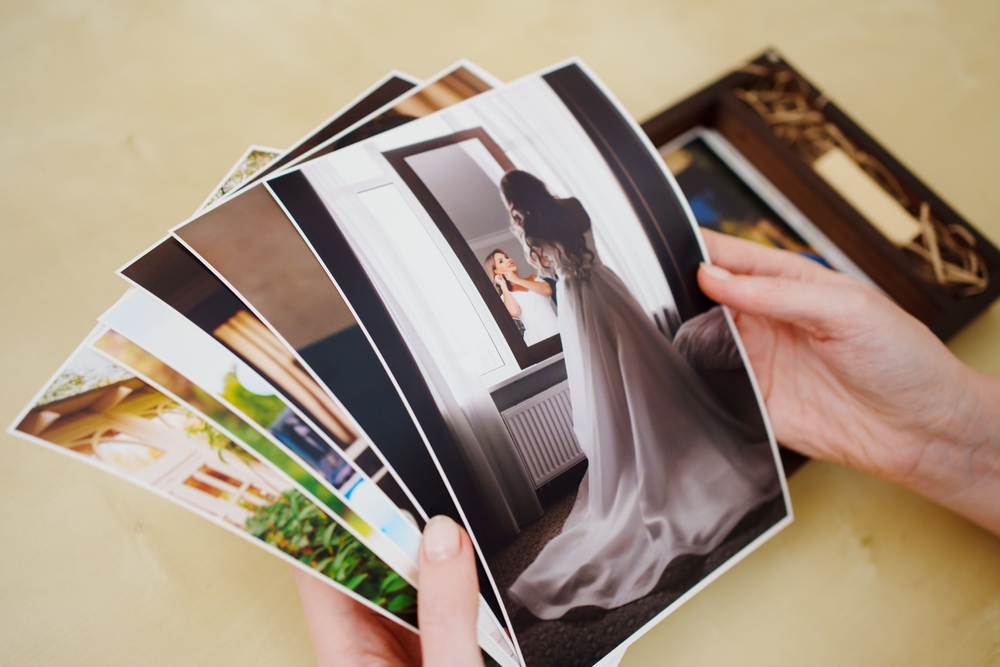
Photo by Andrey Sayfutdinov via Shutterstock
Printed photos are more than just products; they are a vital element of professional wedding and portrait photography. They strengthen emotional connections, enhance storytelling, and demonstrate a photographer’s dedication to quality.
Integrating printing into your photography practice elevates the client experience, providing tangible, lasting value. From selecting the right paper to framing and matting, every detail contributes to the overall impact of the image.
Photographers who embrace printed photos position themselves as professionals who care about the longevity and emotional resonance of their work, ensuring that each image leaves a lasting impression for clients.
FAQ
Why are printed photos important for weddings and portraits?
Printed photos provide a tangible connection to memories, creating emotional impact that digital images often cannot. They also serve as lasting keepsakes and family heirlooms.
What paper types are best for printed photos?
Glossy, luster, metallic, and fine art papers each offer unique finishes. The choice depends on desired color vibrancy, texture, and emotional impact.
How do frames and matting enhance printed photos?
Frames and mats draw focus to the image, provide a professional presentation, and add a gallery-style aesthetic that complements the photograph.
Can printed photos last as long as digital files?
Yes, high-quality printed photos on archival paper can last decades or even generations, often outlasting digital storage methods that may become obsolete or corrupted.
Where can I get high-quality printed photos for weddings and portraits?
Artbeat Studios offers a range of paper options, framing styles, and matting choices, making them a reliable choice for professional-quality printed photos.
A quick heads-up: If you snag something through our affiliate links or check out our sponsored content, we might earn a commission at no extra cost to you. But fear not, we’re all about recommending stuff we’re truly stoked about!
Learn More:
- Boost Your Photography Bookings With Seasonal Mini Sessions
- The Best Ways to Display Your Photography at Home
Hero photo by Andrey Sayfutdinov via Shutterstock

