


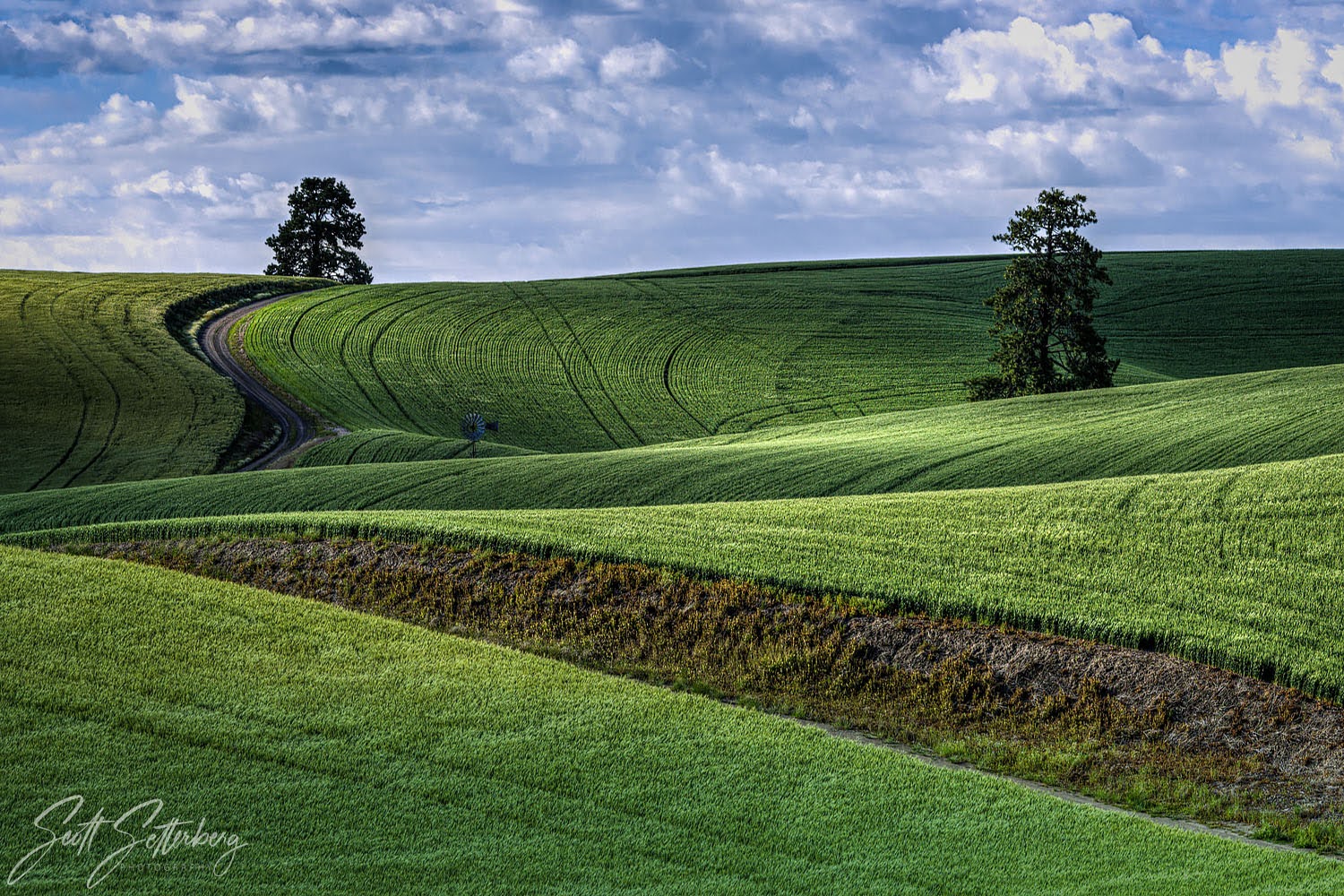
Some landscapes overwhelm you with drama. Others quietly teach you how to see. The rolling farmland of eastern Washington belongs firmly in the second category, rewarding patience, observation, and intention rather than speed or spectacle. Photographers who spend time here often find that their images improve not just on location, but everywhere they shoot afterward.
The terrain forces you to slow down and think about shape, balance, and visual flow. Without towering peaks or obvious focal points, you must rely on composition fundamentals like lines, layering, and light to create photographs that hold attention. That challenge is precisely what makes this region such a powerful training ground for landscape photographers.
This is the philosophy behind the Eastern Palouse Workshop led by ColorTexturePhotoTours. Rather than simply visiting iconic viewpoints, the experience is designed to help you understand why certain compositions work and how to recognize them in changing light. With expert local guidance and deliberate time in the field, the Palouse becomes more than a place to photograph; it becomes a working classroom, where each rise and shadow reinforces compositional instincts that translate to every genre of landscape photography.
Table of Contents
- The Palouse as a Natural Classroom for Visual Flow
- Learning to See Layers in the Palouse Landscape
- Mastering Light and Shadow Across the Palouse
- Color Theory in the Palouse Countryside
- Simplification and Intentional Framing
- Beyond the Hills: Expanding Compositional Skills
- Why a Guided Palouse Workshop Accelerates Growth
- What Photographers Take Home From This Landscape
The Palouse as a Natural Classroom for Visual Flow
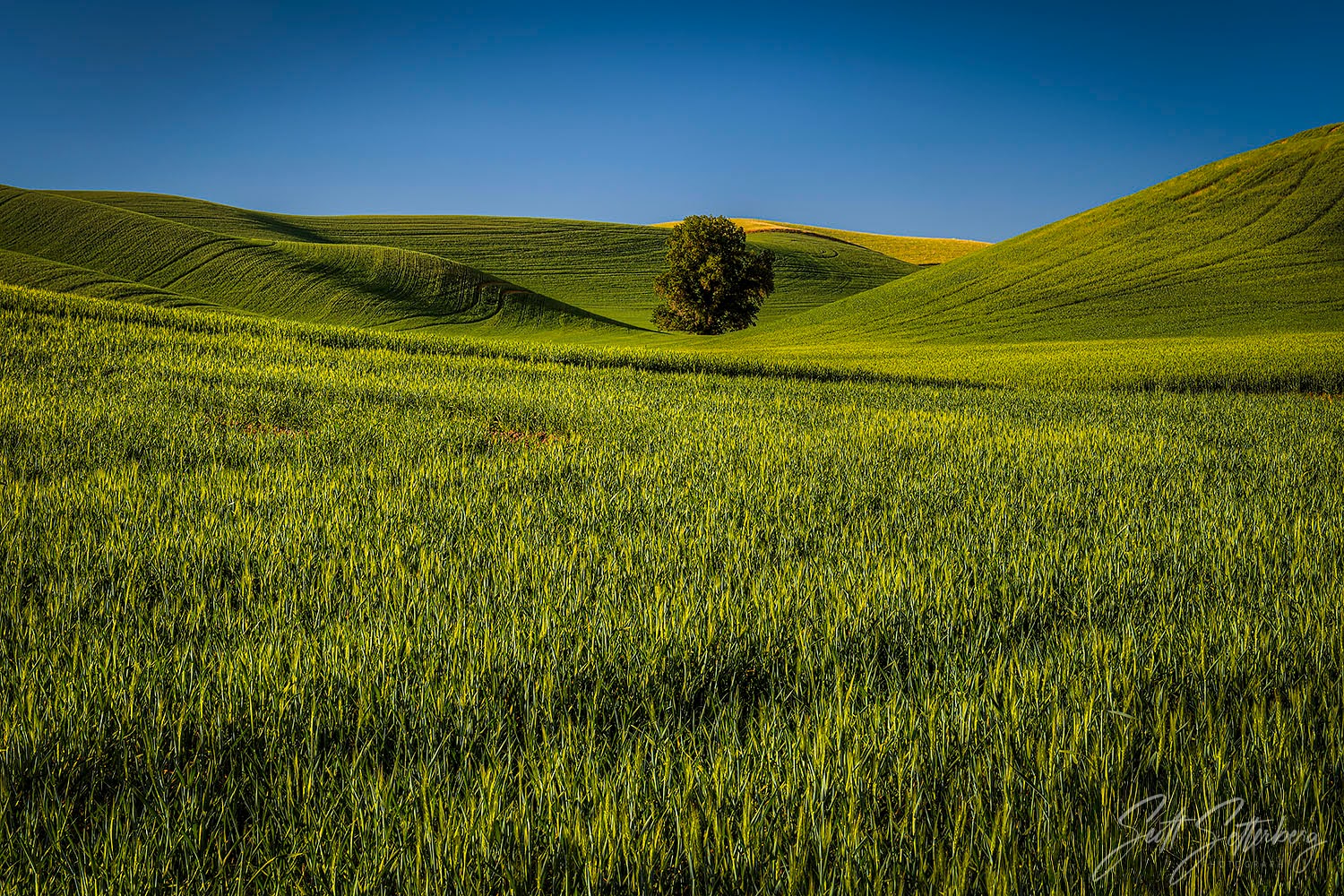
One of the first compositional lessons this region offers is visual movement. The land itself creates lines that guide the viewer’s eye, often in subtle ways that are easy to overlook at first glance. Hills rise and fall in long, sweeping arcs that naturally pull attention through the frame.
Unlike landscapes where leading lines are obvious, like roads, rivers, or fences, the flow here is organic. You must learn to recognize implied lines formed by crop patterns, shadow edges, and transitions between fields. This encourages a more refined way of seeing and composing.
Over time, working in the Palouse trains you to anticipate how the eye will move through an image. That awareness becomes second nature, improving composition even in environments that are visually louder or more complex.
These lessons are especially effective when shooting from elevated viewpoints, where the relationships between shapes become clearer, and the importance of intentional framing is impossible to ignore.
Learning to See Layers in the Palouse Landscape
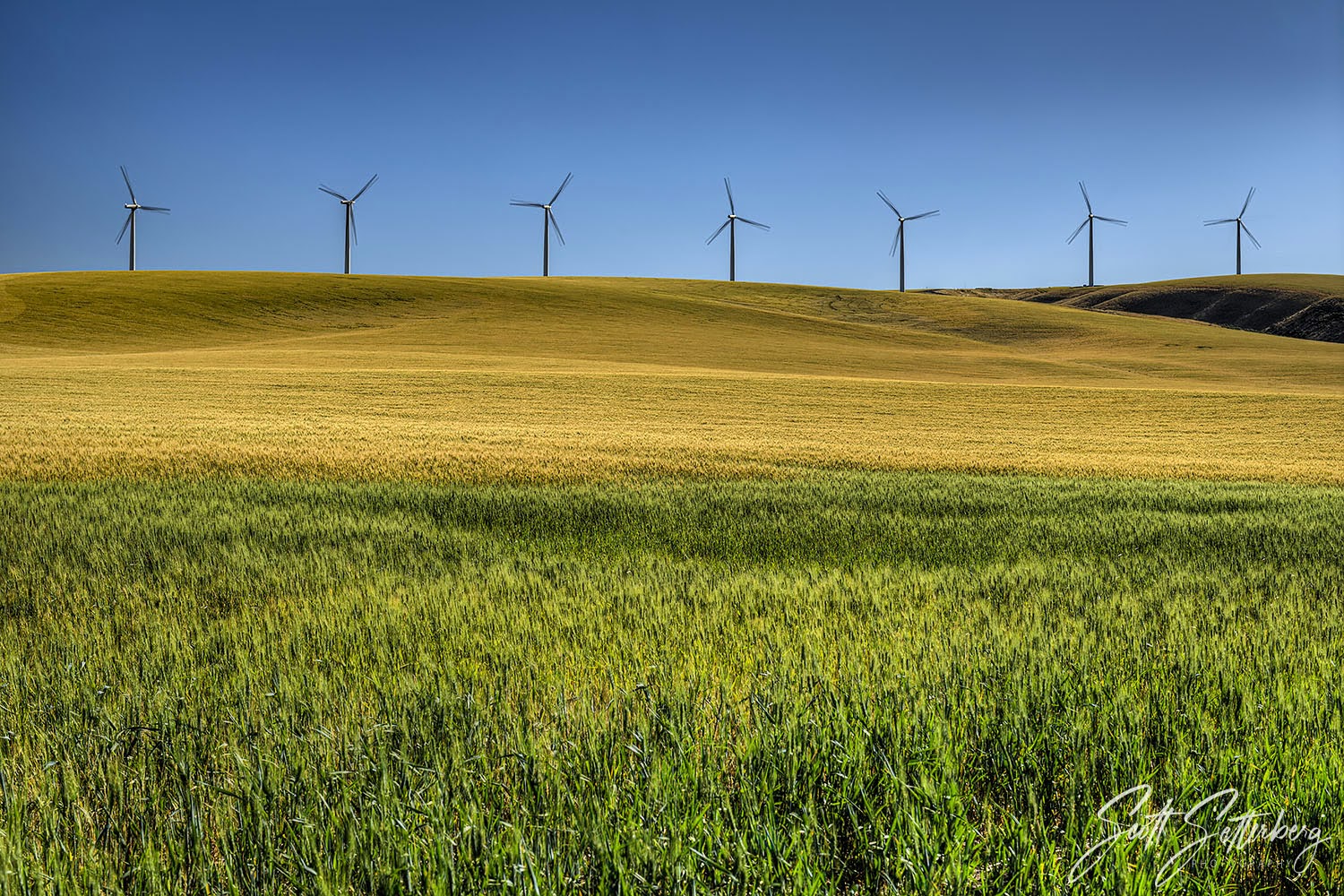
Depth in landscape photography is often associated with mountains, trees, or dominant foreground objects. In this region, depth is created through repetition and overlap. One hill slides behind another, forming a quiet sense of distance that rewards careful positioning and patience.
The Palouse teaches you how to separate layers using tone and light rather than scale. Slight differences in brightness or color can define distinct planes within the frame, even when the land appears uniform at first glance. This subtle separation becomes easier to recognize with time and intentional practice.
During the Eastern Washington photo workshop led by ColorTexturePhotoTours, you work these scenes from multiple viewpoints and in changing light, learning how small shifts in elevation or angle can dramatically strengthen the sense of depth. Atmospheric conditions such as haze or soft side light further reinforce how space is perceived rather than measured.
Understanding these layered relationships helps you build images that feel expansive and dimensional without relying on dramatic foreground elements, a skill that carries over into nearly every type of landscape photography.
Mastering Light and Shadow Across the Palouse
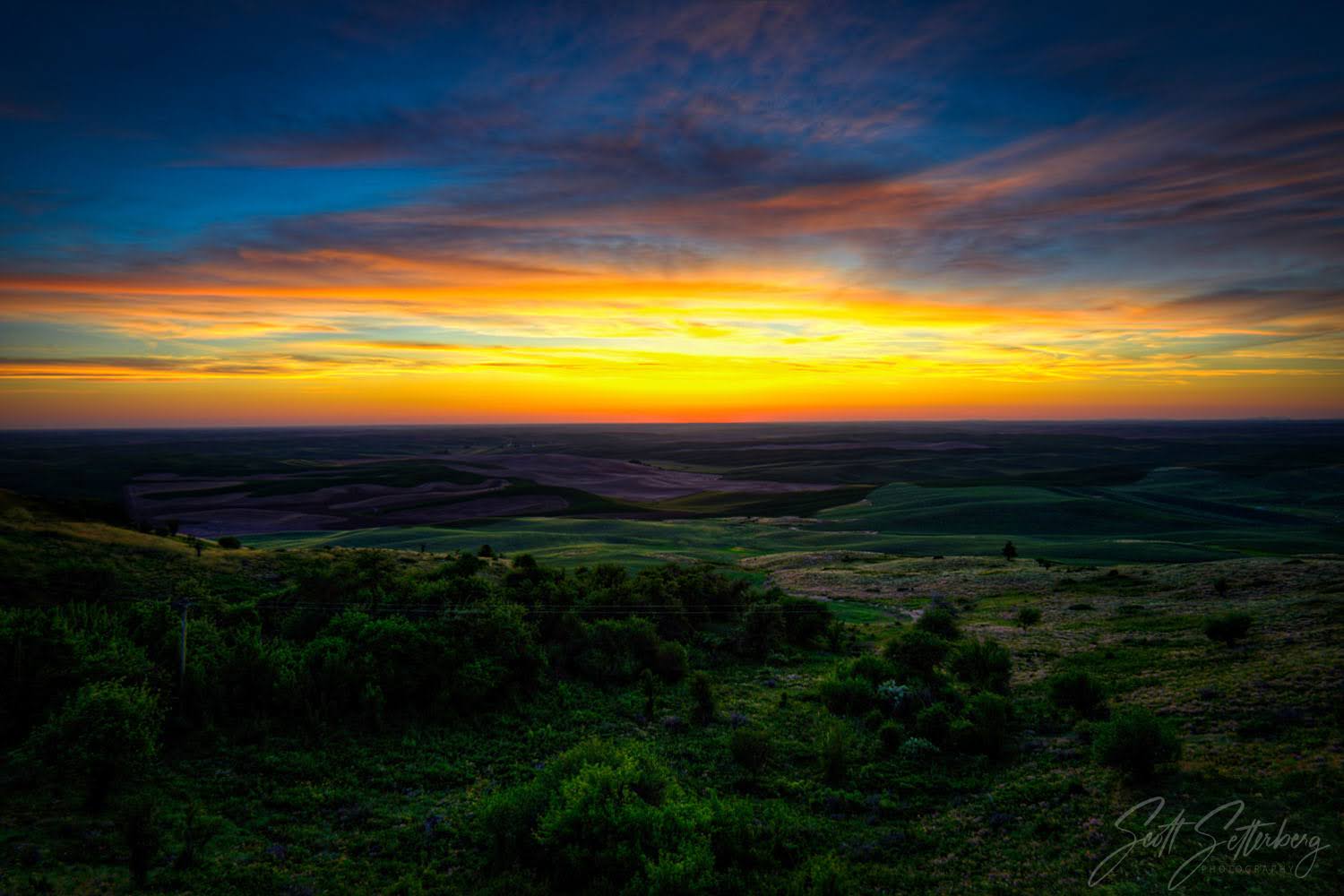
Light is the true sculptor of this landscape. Low-angle sun reveals form in a way that transforms gentle slopes into strong compositional elements. Shadows stretch across fields, creating contrast and structure where none seemed to exist moments earlier.
Shooting early and late in the day becomes essential. Side light defines texture, while backlight simplifies scenes and emphasizes shape. Even subtle changes in sun angle can completely alter the visual balance of an image.
You quickly learn that midday light offers fewer rewards here, reinforcing the importance of patience and timing. This discipline carries over into other environments, strengthening overall decision-making in the field.
The Palouse rewards those who return to the same viewpoint under different light, revealing how composition evolves throughout the day.
Color Theory in the Eastern Washington Countryside
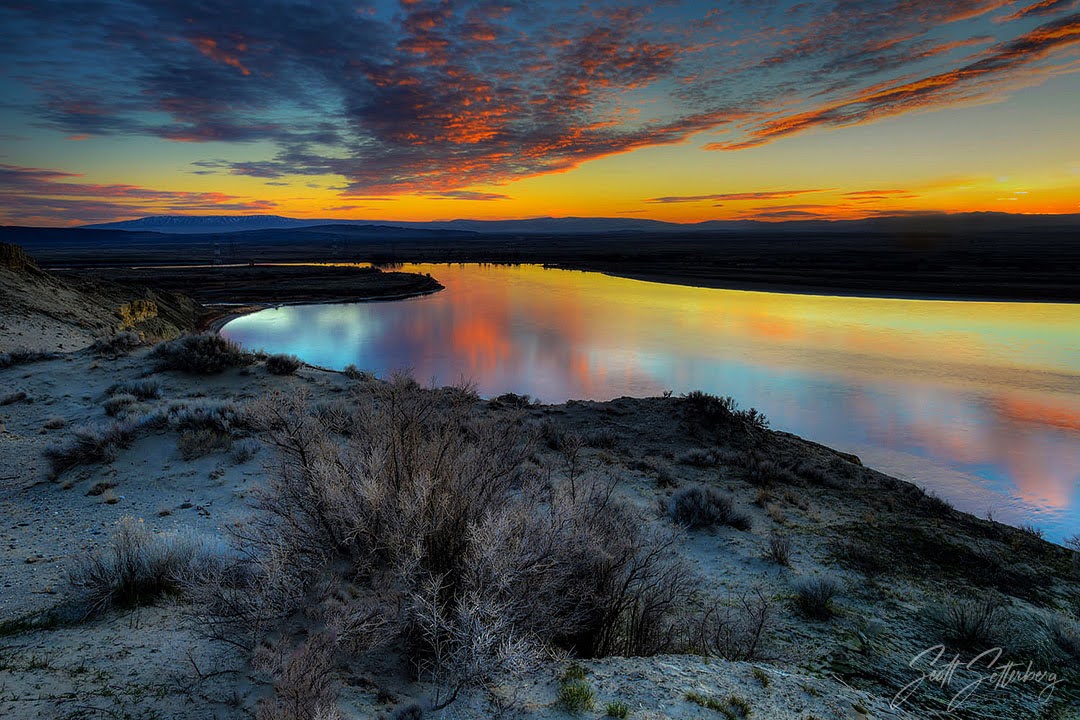
Seasonal color transitions define much of the visual character of the Palouse and Eastern Washington. From early greens to warm golds and muted earth tones, the land presents a constantly shifting palette that encourages you to think intentionally about color relationships rather than relying on contrast alone.
Compositions here often succeed through harmony. Analogous colors create cohesion across rolling hills, while subtle variations help separate elements and guide the viewer’s eye through the frame of Eastern Washington’s more rugged landscapes, as shown above. These color relationships are most apparent when light is soft and directional.
During the Eastern Washington photo workshop with ColorTexturePhotoTours, you spend time analyzing how light alters color across the landscape, both in the field and during post-processing sessions. Seeing how slight adjustments preserve natural balance helps reinforce thoughtful editing habits that reflect what was experienced on location.
Working in the Palouse builds a refined understanding of color that extends well beyond farmland, influencing how you approach tone, balance, and realism in every environment they photograph.
Simplification and Intentional Framing
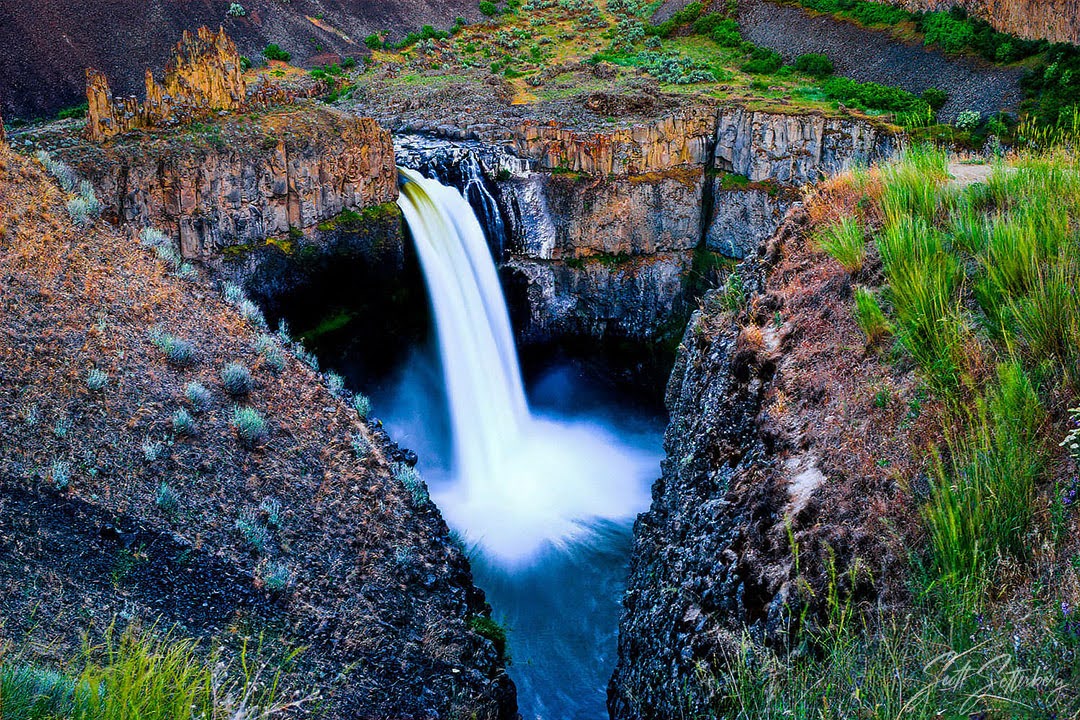
With so much visual repetition, clutter becomes the enemy. Successful compositions often involve subtracting rather than adding, a skill that takes practice and intention.
Focal length choice plays a critical role. Longer lenses allow you to isolate patterns and compress distance, while wider lenses demand careful framing to avoid visual overload.
The Palouse and other Eastern Washington landscapes encourage you to slow down and refine your compositions incrementally, adjusting position and perspective until distractions fall away. This process builds confidence in minimalism and reinforces the idea that strong images are often built from fewer elements, not more.
Beyond the Hills: Expanding Compositional Skills
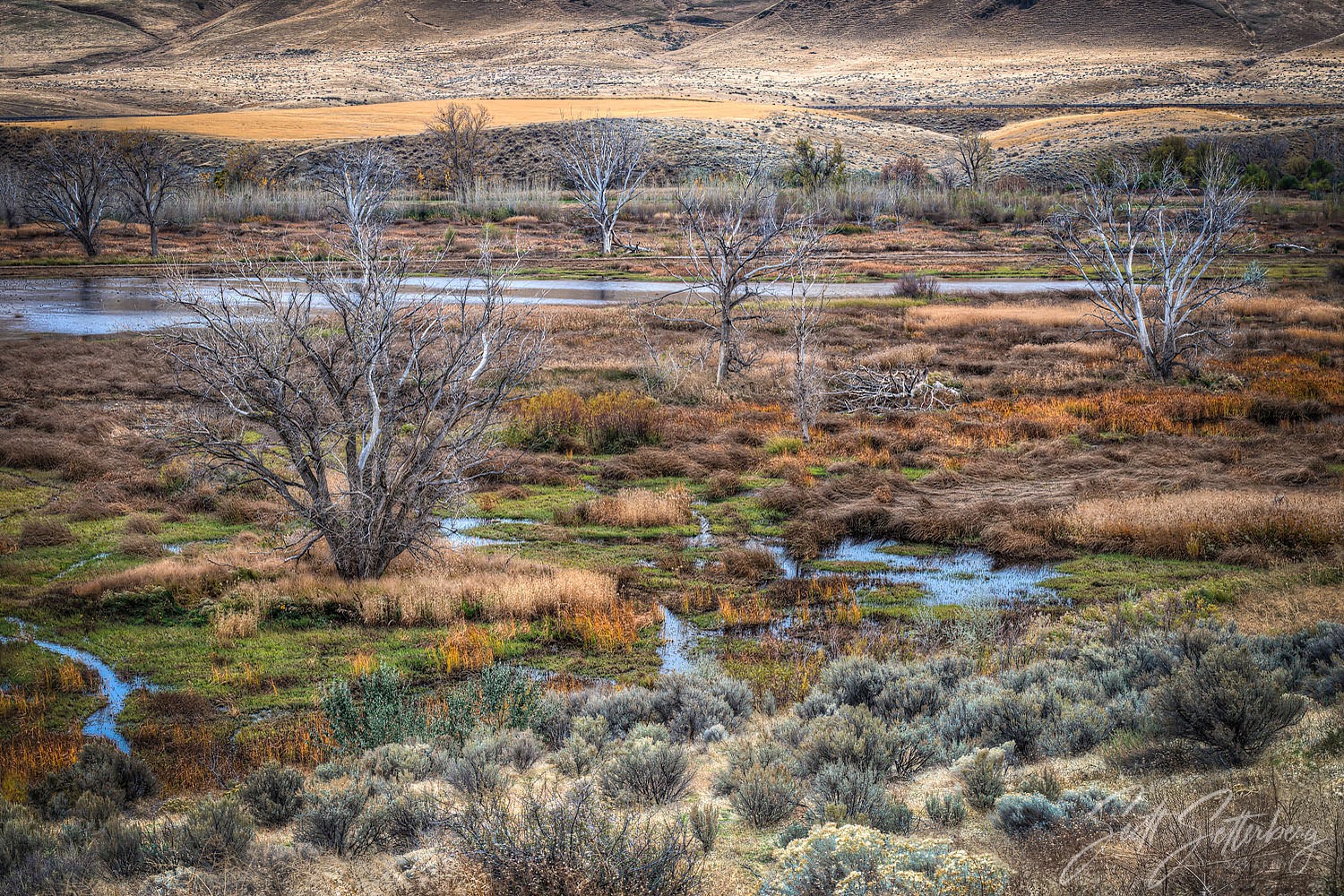
While farmland defines the region, nearby locations shaped by ancient floods introduce new visual challenges. Waterfalls, basalt cliffs, and desert textures add vertical elements and contrast to the experience.
These environments reinforce the same compositional principles, like lines, balance, and light, while applying them to different forms and scales. You benefit from seeing how the lessons learned in the fields translate seamlessly to rivers, bluffs, and canyons.
By the time you return to the Palouse, your approach is often more confident and adaptable. The result? Better images!
Why a Guided Palouse Workshop Accelerates Growth
Photographing a landscape like this on your own can be rewarding, but it often involves a steep learning curve. Accessing the right viewpoints, understanding how light behaves across rolling terrain, and knowing when a scene is truly working compositionally all take time. A guided experience shortens that curve by replacing guesswork with intention.
The Eastern Washington photo workshop led by ColorTexturePhotoTours is built around education first. Each day follows a deliberate rhythm that balances time in the field with time for reflection, image review, and post-processing. Rather than rushing from one location to the next, you revisit scenes under changing light, gaining a deeper understanding of how composition evolves throughout the day.
Small group sizes allow for real-time feedback while shooting. Scott Setterberg, founder of ColorTexturePhotoTours, works directly with you in the field, helping refine framing, lens choice, and positioning on the spot. This hands-on guidance is especially valuable in the Palouse, where moving just a few feet or changing focal length slightly can transform an image.
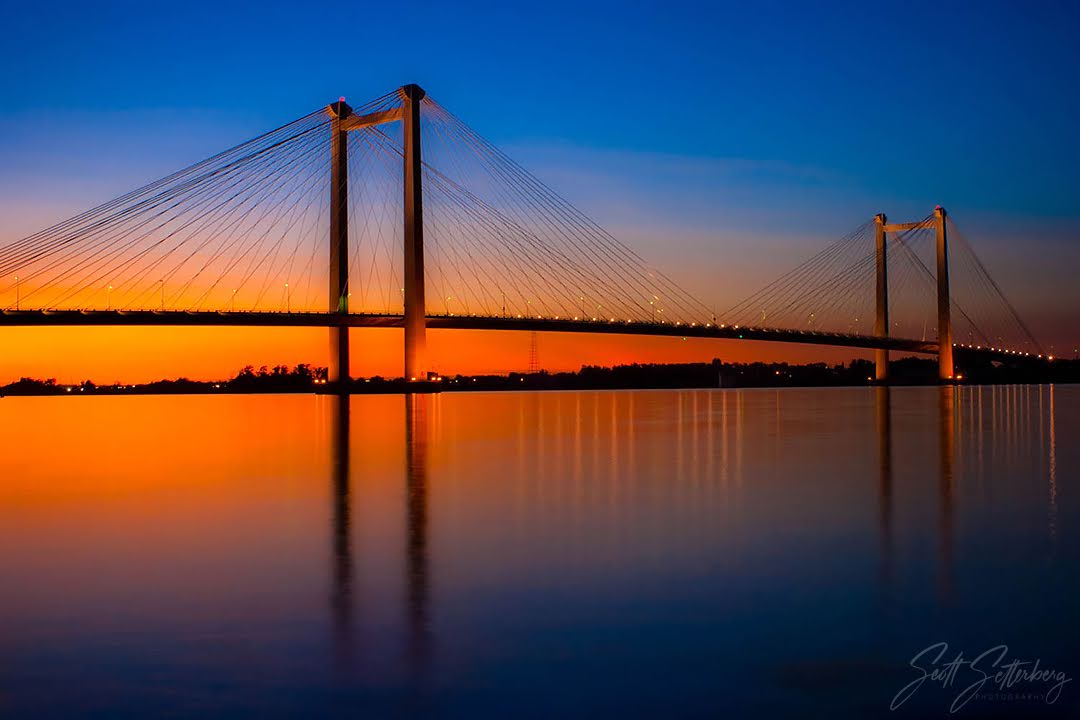
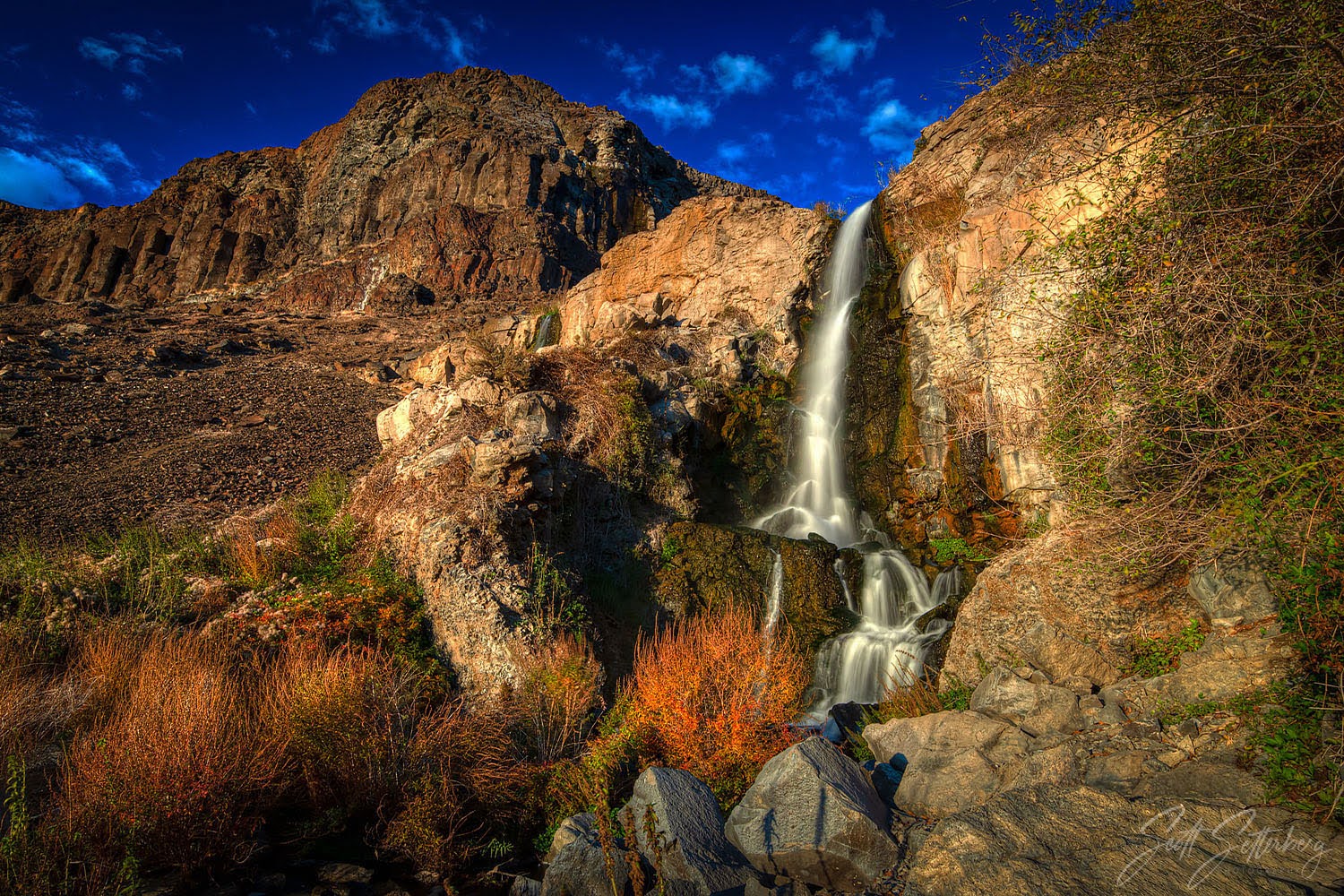
The workshop itinerary is intentionally diverse. While the rolling farmland is a central focus, you also work in locations shaped by ancient floods, including waterfalls, basalt cliffs, desert textures, and river corridors. This variety reinforces core compositional principles across different environments, helping you understand how to adapt rather than rely on a single visual formula.
Equally important is what happens away from the camera. Daily image reviews provide constructive feedback in a supportive setting, allowing you to see how others interpret the same scenes. Post-processing sessions focus on preserving natural color, depth, and balance, ensuring the final images reflect what was experienced in the field.
With comfortable accommodations, private transportation, and thoughtfully planned meals included, you are free to focus entirely on creative growth. By the end of the workshop, you leave with more than a collection of images; you leave with sharper instincts, clearer decision-making, and a stronger compositional foundation shaped by time spent working intentionally in the Palouse.
What Photographers Take Home From This Landscape
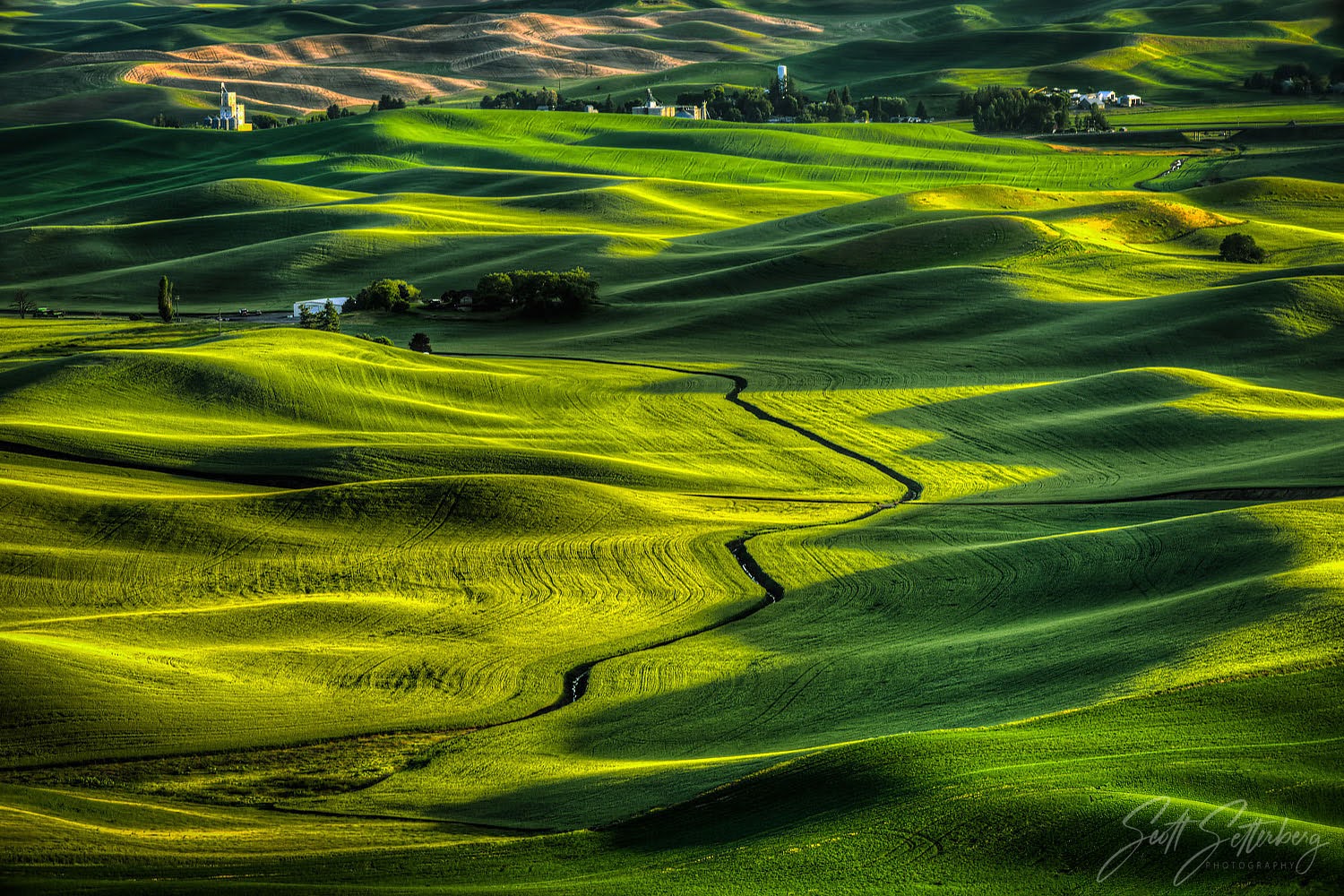
The most meaningful takeaway from time spent here is not a single photograph, but a shift in how you see and respond to a scene. Composition becomes less analytical and more instinctive, guided by an improved sense of balance, flow, and timing.
The Palouse equips you to handle subtlety with confidence. After working in a landscape where small changes in light or position matter, complex scenes elsewhere begin to feel more manageable and intentional.
Those lessons carry forward long after the trip ends, influencing personal projects, client work, and creative decision-making. The experience reshapes how you approach unfamiliar locations, helping you see opportunity rather than uncertainty.
For photographers who want to experience this level of growth firsthand, the Eastern Washington photo workshop with ColorTexturePhotoTours offers a focused, immersive way to work in the Palouse with expert guidance. To learn more about the June 14–19, 2026 workshop or to discuss whether it’s the right fit, get in touch with ColorTexturePhotoTours and start the conversation!
Frequently Asked Questions
Is this region suitable for photographers at different skill levels?
Yes. The landscape rewards both beginners learning composition basics and experienced photographers refining subtle techniques.
What makes this workshop different from typical photography tours?
The focus is on education, composition, and creative growth rather than simply visiting popular viewpoints.
Do I need specialized gear for this type of photography?
A range of lenses is helpful, but thoughtful composition and light matter far more than equipment.
Why is June a strong time to photograph this area?
Mid-June offers rich color, long daylight, and consistent light angles that enhance form and texture.
How does post-processing factor into the workshop?
Daily editing sessions help photographers translate what they saw in the field into finished images that feel natural and balanced.
A quick heads-up: If you snag something through our affiliate links or check out our sponsored content, we might earn a commission at no extra cost to you. But fear not, we’re all about recommending stuff we’re truly stoked about!

