


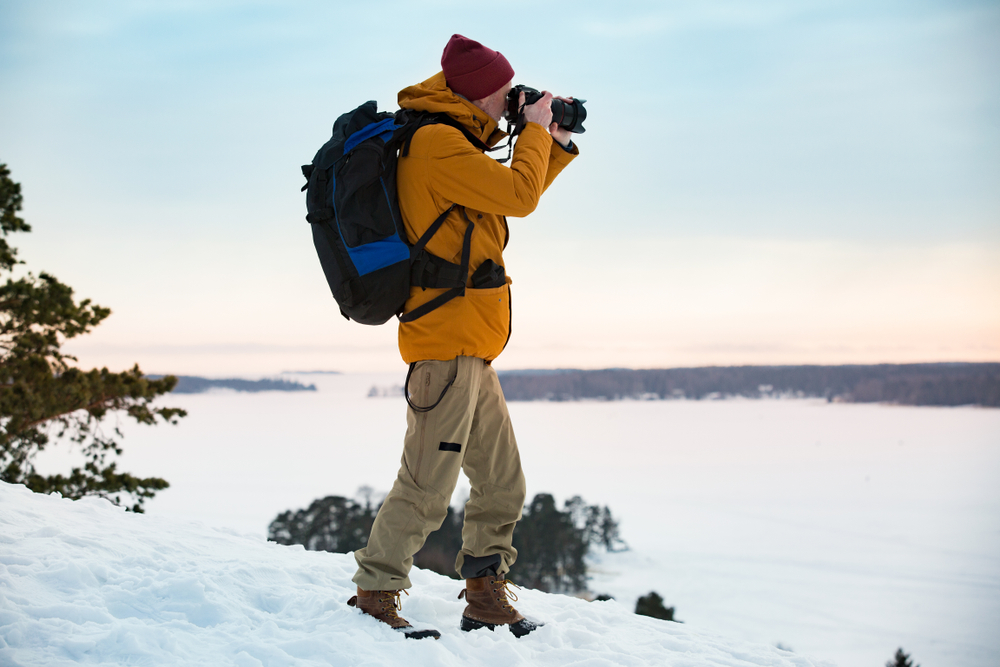
Capturing the magic of winter landscapes and snow-covered wildlife can be exhilarating, but lugging around heavy camera gear can quickly make a cold day exhausting. A lightweight shooting kit allows photographers to remain nimble while still capturing high-quality images. By carefully selecting your gear, you can balance mobility with performance, making winter photography both practical and enjoyable.
Assembling the right lightweight shooting kit requires thoughtful planning. Every piece of gear should serve a purpose, from versatile lenses to weather protection and power solutions. With an optimized setup, you can move quickly across icy trails, respond to fleeting moments, and minimize fatigue while shooting in challenging winter conditions.
This guide will walk you through the essentials for putting together a lightweight shooting kit for winter photography. We’ll cover camera bodies, lenses, protective gear, accessories, clothing, packing strategies, and shooting techniques to help you capture compelling images while keeping your setup portable and efficient.
Table of Contents
- Why a Lightweight Shooting Kit Matters in Winter
- Camera Bodies and Lenses for a Lightweight Shooting Kit
- Protective Gear: Camera Canopy, Camera Canopy Mini, and Camera Canopy for Mobile
- Essential Accessories to Include in a Lightweight Shooting Kit
- Batteries, Memory Cards, and On-the-Go Power Solutions
- Clothing and Personal Comfort for Mobile Winter Shoots
- Packing Strategies and Organization Tips for a Lightweight Shooting Kit
- Shooting Techniques While Traveling Light
- Maintaining Gear and Safety on the Move
- FAQ
Why a Lightweight Shooting Kit Matters in Winter
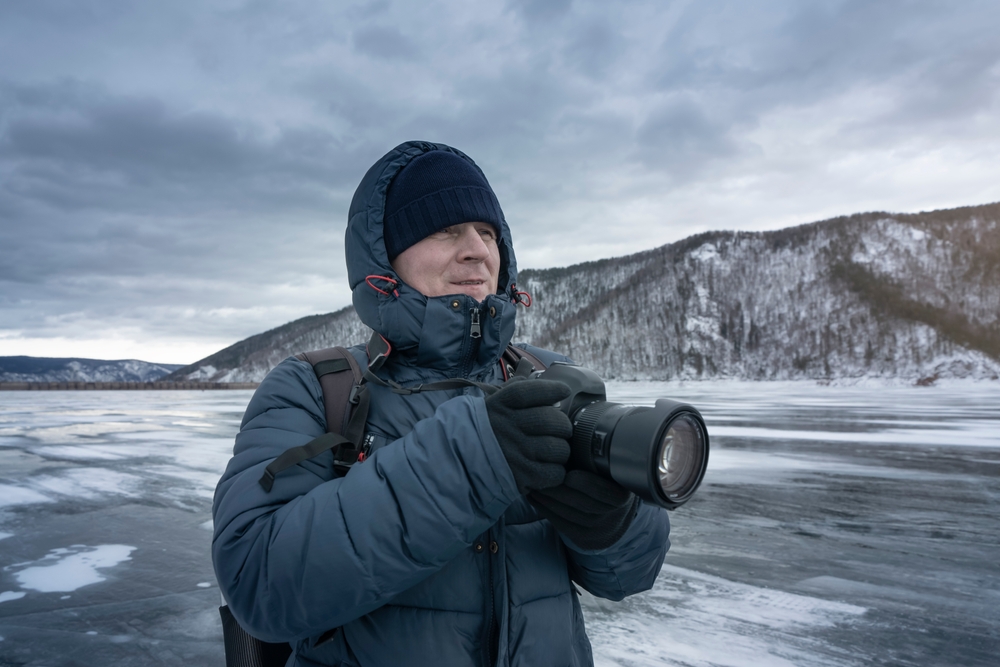
Photo by Vladimir Razgulyaev via Shutterstock
A lightweight shooting kit is crucial for photographers who want to remain mobile in snowy and icy conditions. Heavy gear slows you down, makes hiking challenging, and can limit the creative opportunities available during a winter shoot. By minimizing weight, you can move quickly and position yourself for the best angles and lighting.
Efficiency and speed are important when shooting in cold weather. A portable, lightweight shooting kit allows photographers to react to sudden wildlife appearances or changing light conditions without the burden of bulky equipment. Lightweight setups also reduce fatigue, making long winter excursions more enjoyable.
Choosing a lightweight shooting kit encourages discipline in gear selection. Every item should have a purpose, ensuring that only essential, functional pieces are included. This approach streamlines your workflow and enhances both the shooting experience and the quality of your images.
Camera Bodies and Lenses for a Lightweight Shooting Kit
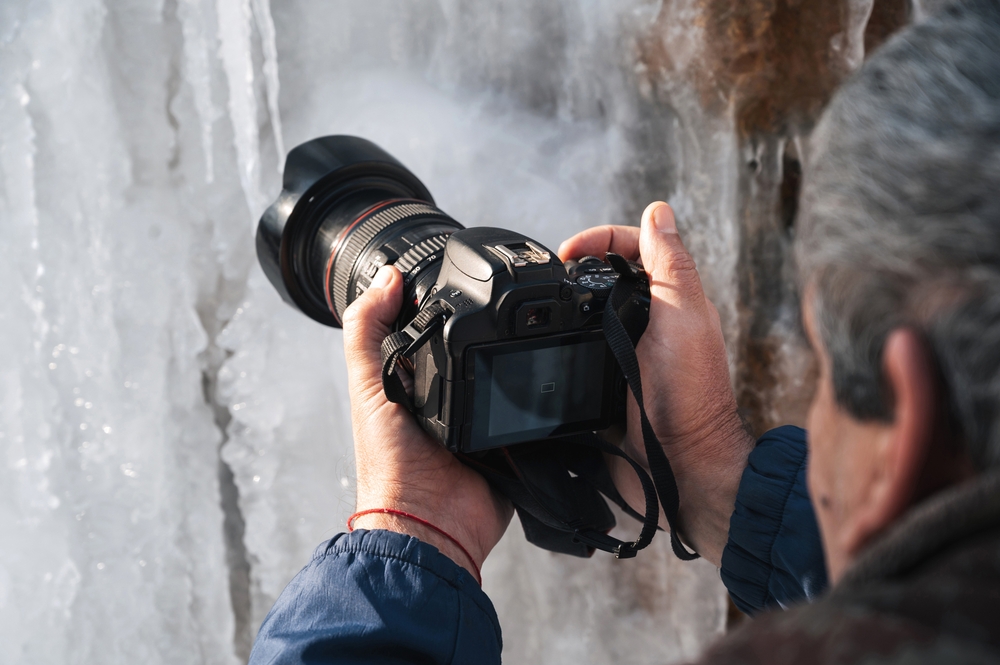
Photo by alexkoral via Shutterstock
Mirrorless cameras are often ideal for a lightweight shooting kit due to their smaller size and lighter weight compared to DSLRs. They still offer excellent image quality, fast autofocus, and compatibility with a range of lenses. For winter photography, choosing a camera with good low-light performance is important.
When assembling a lightweight shooting kit, consider versatile lenses that cover multiple focal lengths. A standard zoom lens (e.g., 24–70mm) can handle landscapes and closer subjects, while a compact telephoto lens allows you to capture wildlife or distant scenes without carrying a heavy super-telephoto.
Including one or two lenses in your lightweight shooting kit maximizes flexibility while maintaining portability. Avoid packing unnecessary extras that add weight without contributing significantly to your shooting goals.
Protective Gear: Camera Canopy, Camera Canopy Mini, and Camera Canopy for Mobile
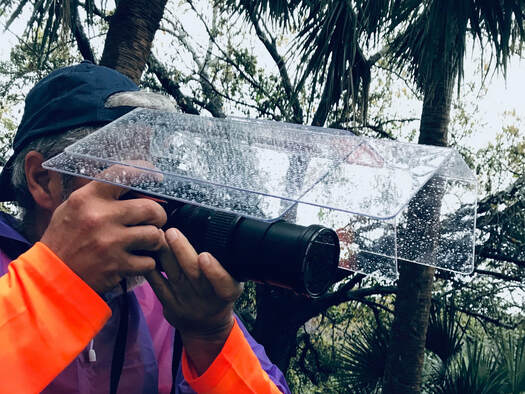
Protecting your gear in winter is critical, and the right accessories make a lightweight shooting kit more practical. The Camera Canopy attaches to your DSLR or large-lens setup, shielding it from snow and moisture while maintaining full control over camera functions. Its retractable design accommodates long lenses, and the optional rear shield adds tripod protection.
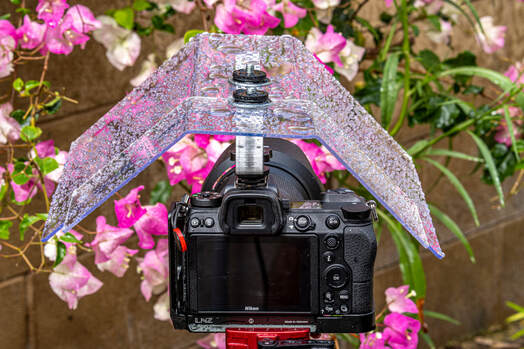
The Camera Canopy Mini provides the same protection for mirrorless cameras or smaller lenses in a lightweight, compact package. Weighing only 14.2 ounces and including a rear tripod shield, it ensures that photographers can remain mobile without compromising safety in winter conditions.
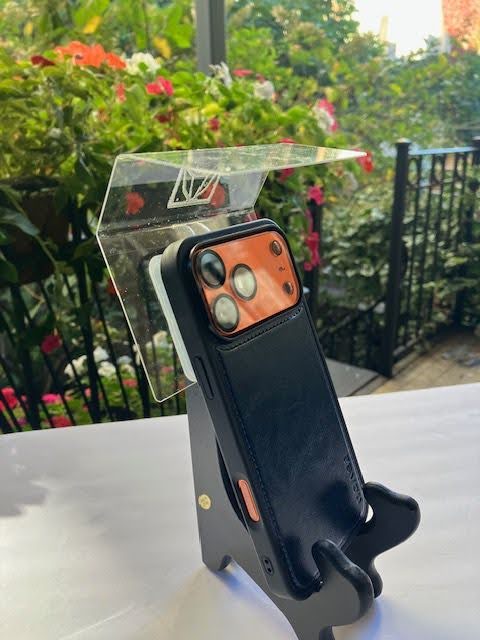
For smartphone photography, the Camera Canopy for Mobile provides a one-piece protective shield. Using suction cups, it secures over the phone’s lens to prevent snow or rain interference. Integrating these protective devices into your lightweight shooting kit ensures that your gear remains safe and functional even in adverse weather.
Essential Accessories to Include in a Lightweight Shooting Kit

Photo by algaru57 via Shutterstock
Essential accessories help make a lightweight shooting kit functional without adding unnecessary bulk. Microfiber cloths and lens wipes are crucial for keeping lenses free of snow, condensation, and fingerprints. Small cleaning kits fit easily into compact packs.
Tripods should be lightweight and portable, such as mini-tripods or flexible options that can grip surfaces. A remote shutter release or wireless app can help reduce camera shake, especially in low-light winter conditions.
Other accessories to consider include lens hoods, neutral density or polarizing filters, and small reflectors. Choosing multi-purpose or compact versions of these items keeps your lightweight shooting kit efficient and easy to carry.
Batteries, Memory Cards, and On-the-Go Power Solutions
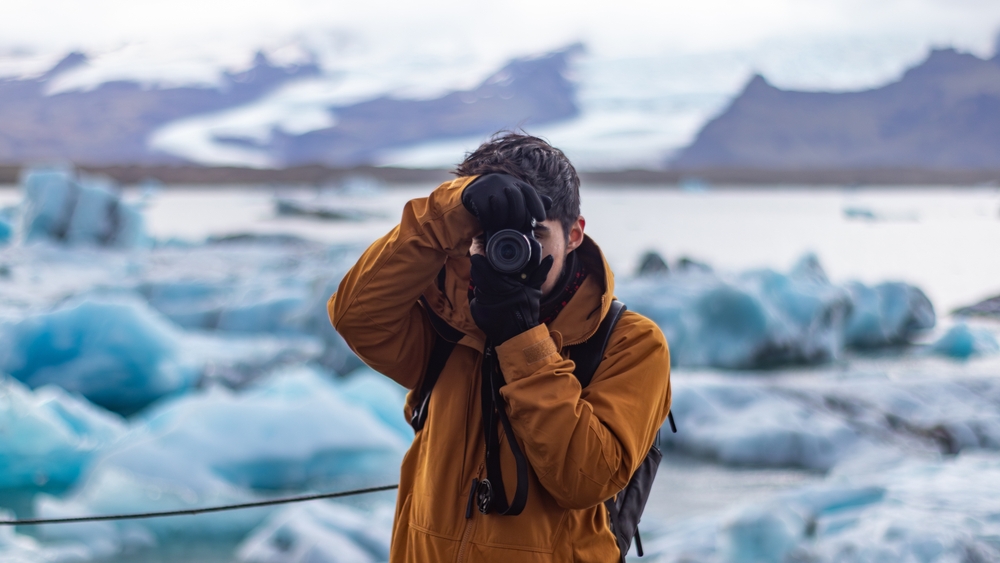
Photo by misaelramiresp via Shutterstock
Cold weather drains batteries quickly, making extra power a necessity in a lightweight shooting kit. Keep spare batteries in an inner pocket close to your body to maintain warmth and swap them as needed. Compact power banks can recharge cameras or smartphones on the go.
High-capacity memory cards reduce the need for frequent swaps, keeping your kit simple and light. Organize your cards in small, padded holders to prevent loss or damage during outdoor shooting.
Efficient power management ensures that your lightweight shooting kit remains functional throughout extended winter sessions, allowing you to focus on capturing images rather than scrambling for backup power.
Clothing and Personal Comfort for Mobile Winter Shoots
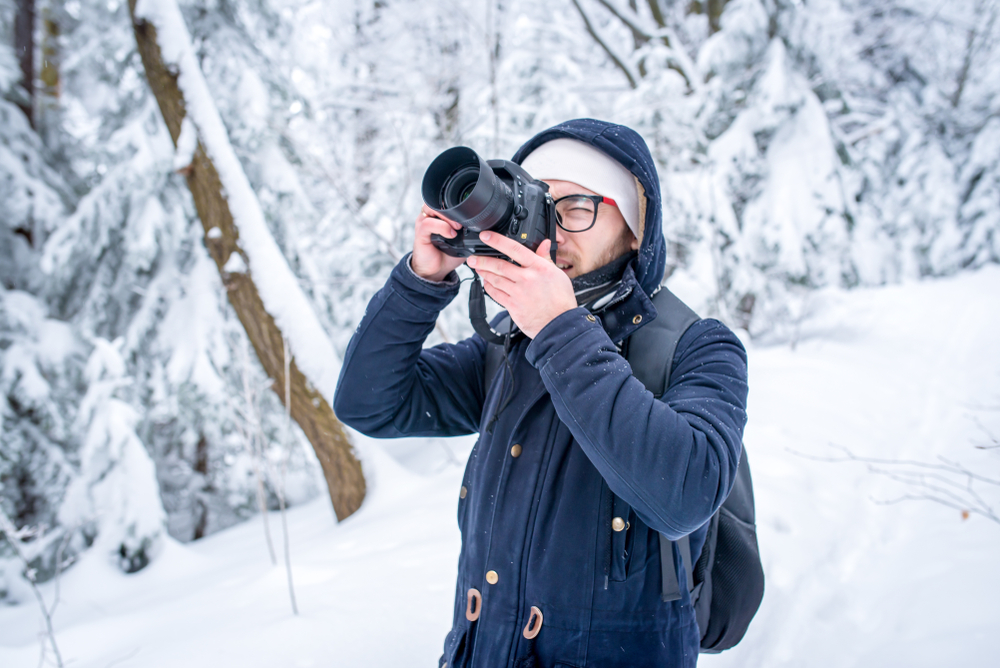
Photo by Iurii Chornysh via Shutterstock
Even with a lightweight shooting kit, photographers must consider personal comfort. Layering with moisture-wicking base layers, insulating mid-layers, and waterproof outer shells allows you to adjust warmth as conditions change. Gloves designed for camera operation maintain dexterity while protecting your hands from cold.
Waterproof boots with traction keep you safe on snow and ice, and accessories like hand warmers, thermal hats, and scarves enhance comfort during extended outdoor sessions. Comfortable photographers are better able to focus on composition and timing.
Clothing choices integrate seamlessly with a lightweight shooting kit, ensuring you can move efficiently and operate gear without sacrificing warmth or mobility.
Packing Strategies and Organization Tips for a Lightweight Shooting Kit
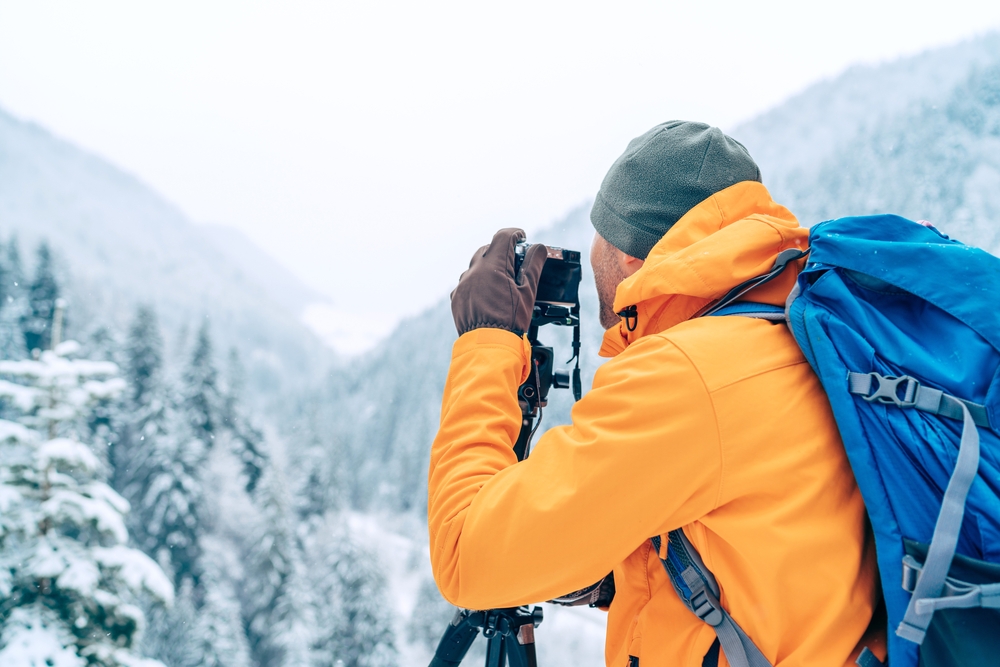
Photo by Soloviova Liudmyla via Shutterstock
Proper packing makes a lightweight shooting kit manageable and easy to use. Use compact camera bags or backpacks with padded compartments to protect equipment without adding unnecessary weight. Keep gear organized and accessible for quick setup.
Store essentials such as camera, lenses, batteries, and protective gear in a systematic order. Small compartments or pouches for filters, memory cards, and cleaning supplies help prevent items from shifting during travel.
Efficient organization allows you to transition quickly between shots and maintain flexibility, a key advantage of a lightweight shooting kit for winter photography on the go.
Shooting Techniques While Traveling Light
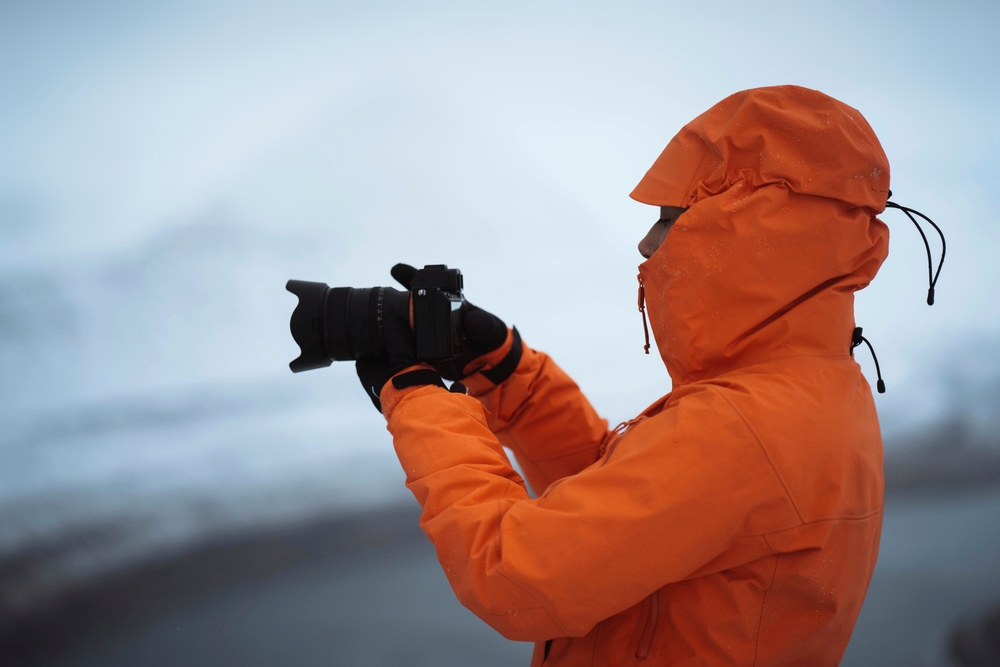
Photo by Rawpixel.com via Shutterstock
With a lightweight shooting kit, it’s easier to react to spontaneous moments in winter landscapes. Prioritize quick setup and breakdown, using gear that allows for rapid repositioning. This flexibility is especially helpful for wildlife or fast-changing weather conditions.
Consider minimalistic approaches, such as composing shots with fewer elements or focusing on unique perspectives. Traveling light encourages creative solutions and reduces the physical strain of carrying excessive gear.
Using compact stabilization tools and protective devices like the Camera Canopy ensures sharp, high-quality images while keeping your kit manageable and mobile.
Maintaining Gear and Safety on the Move
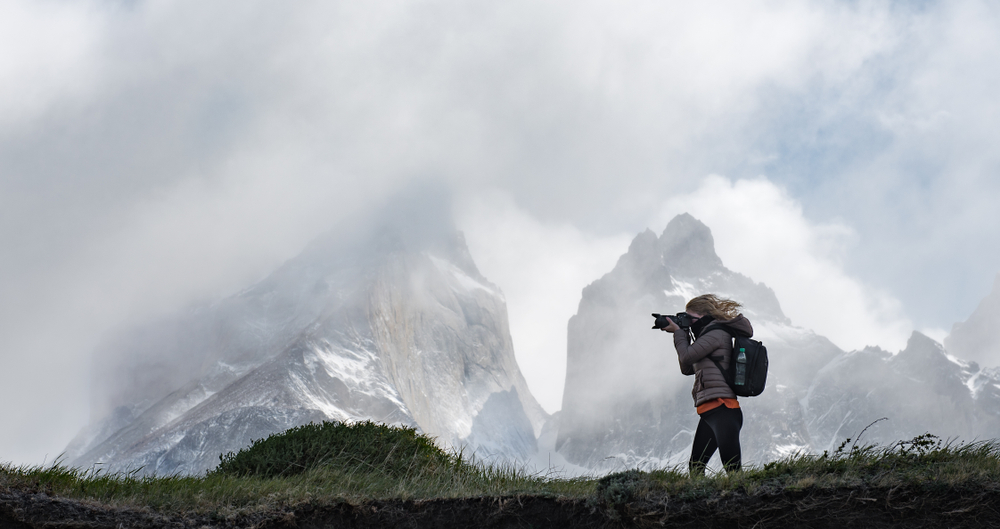
Photo by Nick Photoworld via Shutterstock
Maintaining gear is critical when using a lightweight shooting kit in snowy environments. Wipe lenses and camera bodies regularly to prevent moisture buildup, and store gear in protective bags during breaks.
Use protective shields like the Camera Canopy or Mini versions to safeguard equipment from snow, rain, and condensation. Proper maintenance reduces the risk of damage and extends the life of your gear.
Stay aware of environmental hazards such as icy terrain, falling branches, or sudden weather changes. Safety and equipment care go hand-in-hand for a productive and enjoyable winter photography experience.
FAQ
What is the best camera for a lightweight shooting kit?
Mirrorless cameras are ideal due to their compact size, light weight, and versatility for multiple focal lengths.
How can I protect my gear in snow or rain?
Use protective devices like the Camera Canopy, Camera Canopy Mini, or Camera Canopy for Mobile to shield your equipment while maintaining full functionality.
How many lenses should I bring in a lightweight shooting kit?
Limit lenses to one or two versatile options, such as a standard zoom and a compact telephoto, to maintain mobility without sacrificing creativity.
What accessories are essential for winter photography on the go?
Include microfiber cloths, lens hoods, mini-tripods, memory card holders, and spare batteries for efficiency and protection.
How do I manage battery life in cold weather?
Keep spare batteries warm in inner pockets, rotate them frequently, and use portable power banks if needed for extended shooting.
Just so you know, some of the cool stuff we mention comes with affiliate links, meaning we earn a commission if you buy (no extra charge to you!). Plus, we occasionally feature sponsored content, but rest assured, we only shout out products we genuinely stand behind.
Learn More:
- Photographing Winter Wildlife: Gear Tips for Harsh Conditions
- Beginner’s Guide to Shooting Landscapes in Winter Weather
Hero photo by Aleksandra Suzi via Shutterstock

