

Shooting winter landscapes can be one of the most rewarding experiences in photography. From frosted forests to snow-covered mountains glowing in golden light, the colder months offer scenes that feel magical and serene.
But winter weather also brings challenges like cold temperatures, unpredictable conditions, and the constant threat of moisture, which can make any photographer nervous about taking their camera outdoors.
Instead of letting those challenges hold you back, you can embrace them with the right preparation, mindset, and gear. With thoughtful planning and proper protection for your equipment, winter weather becomes less of an obstacle and more of an opportunity. This guide breaks down everything you need to know as a beginner so you can confidently capture winter landscapes while keeping your gear safe, dry, and functional.
Table of Contents
- Why Winter Weather Creates Unique Landscape Opportunities
- Essential Gear for Shooting in Winter Weather
- Protecting Your Camera in Harsh Winter Weather
- Camera Settings for Shooting Landscapes in Winter Weather
- Composition Tips for Dynamic Winter Landscapes
- Understanding Winter Light and How to Use It
- How to Stay Comfortable and Safe Outdoors
- Embracing the Challenges of Winter Weather
- FAQ
Why Winter Weather Creates Unique Landscape Opportunities
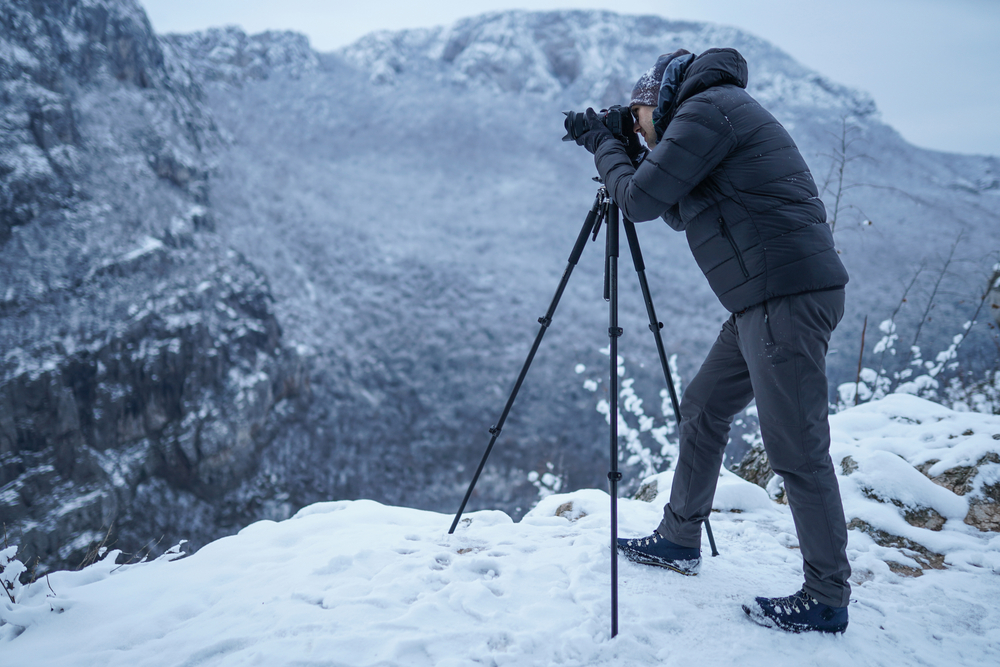
Photo by Ivana Mitic via Shutterstock
Winter weather transforms familiar locations into entirely new environments. Snow acts as a natural reflector, bouncing light and softening shadows, giving landscapes a clean, minimalist look. Even locations you’ve photographed dozens of times can appear entirely different under a blanket of snow or after an overnight frost. This seasonal transformation is part of what makes shooting in winter so inspiring.
Another unique advantage of winter weather is the quality of light. The sun sits lower in the sky, creating long, flattering shadows throughout the day. What would be harsh midday light in summer becomes soft and directional sunlight during the winter months. That means you have more hours of “usable” light, giving you more flexibility with timing and location scouting.
Of course, winter weather isn’t just beautiful—it’s unpredictable. Snowstorms can blow in quickly, fog can roll across valleys, and temperatures can drop rapidly. These factors are exactly why winter rewards prepared photographers. The ability to adapt to changing conditions often leads to the most memorable and dramatic landscape images.
Essential Gear for Shooting in Winter Weather
Photo by Sascha Bosshard on Unsplash (license)
Successfully photographing in winter weather starts with choosing the right gear. A reliable camera body and lens are important, but so are the accessories that help you work comfortably and safely. A sturdy tripod is essential, especially when shooting in low light or windy conditions. Look for one with metal spikes or interchangeable feet, as regular rubber feet can slip on icy surfaces.
Extra batteries are a must in winter weather. Cold temperatures drain battery life quickly, so keeping backups warm in an inner pocket makes a big difference. Lens cloths are also essential because condensation and blowing snow are common and can hinder your ability to shoot.
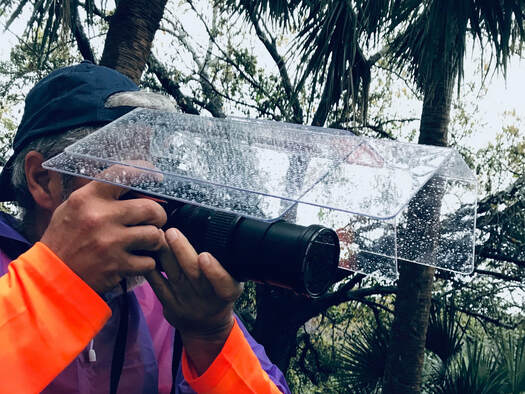
One piece of gear that makes a dramatic difference in harsh winter weather is proper camera protection. The full-size Camera Canopy (shown above) is ideal for DSLR and telephoto setups, offering a clear, rigid shield that keeps falling snow off your camera while allowing full visibility of your settings.
Meanwhile, the Mini Camera Canopy is lighter and sized specifically for mirrorless cameras, making it a great option for beginners who prefer compact systems. And for those capturing landscapes on their phones, the Camera Canopy for Mobile provides a simple and effective shield that keeps lenses dry without interfering with touch or orientation. Having protection designed specifically for winter weather makes it easier to focus on shooting rather than worrying about moisture or equipment safety.
Protecting Your Camera in Harsh Winter Weather

Moisture is the biggest threat to camera gear in winter weather, whether from blowing snow, melting ice, or condensation moving between cold and warm environments. Using a protective solution that maintains visibility and access to your controls is key, especially when working in conditions that may change quickly.
The Camera Canopy is particularly useful when working with standard DSLRs and larger lenses. It attaches easily to the hot shoe and creates a rigid, clear shield over the top and sides of your setup. What I appreciate about it is that you can still see all your controls, unlike soft rain covers that often cling, fog, or shift while you’re working. In my own experience shooting during heavy snow in the mountains, the Canopy kept my gear dry while allowing me to adjust settings quickly as conditions changed.
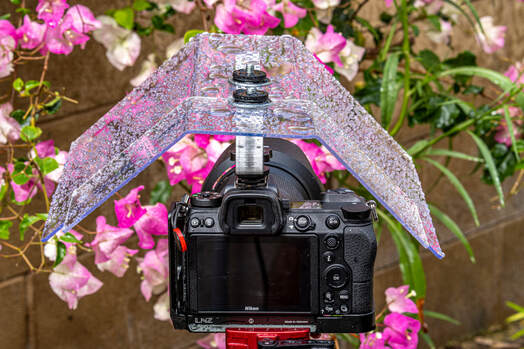
For smaller cameras, the Mini Camera Canopy provides the same level of visibility and weather protection in a lighter form. It’s built for mirrorless and smaller-lens systems, which many beginners gravitate toward.
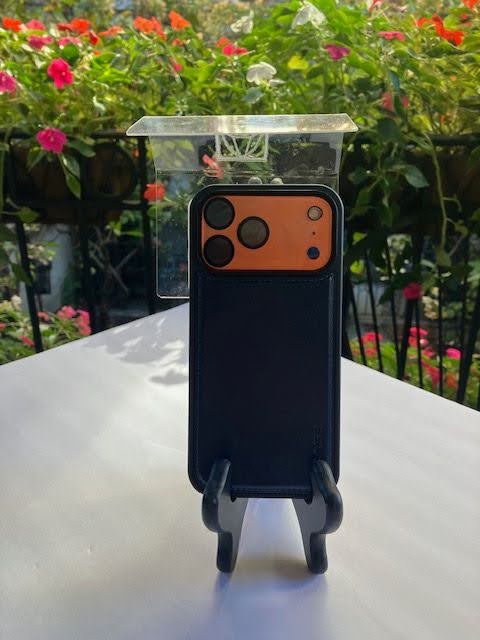
And if you’re shooting landscapes with your phone—a growing trend thanks to improved mobile cameras—the Camera Canopy for Mobile protects your lenses using a lightweight one-piece shield secured with small suction cups. Even shifting between portrait and landscape orientation feels natural because the shield doesn’t get in the way.
Camera Settings for Shooting Landscapes in Winter Weather
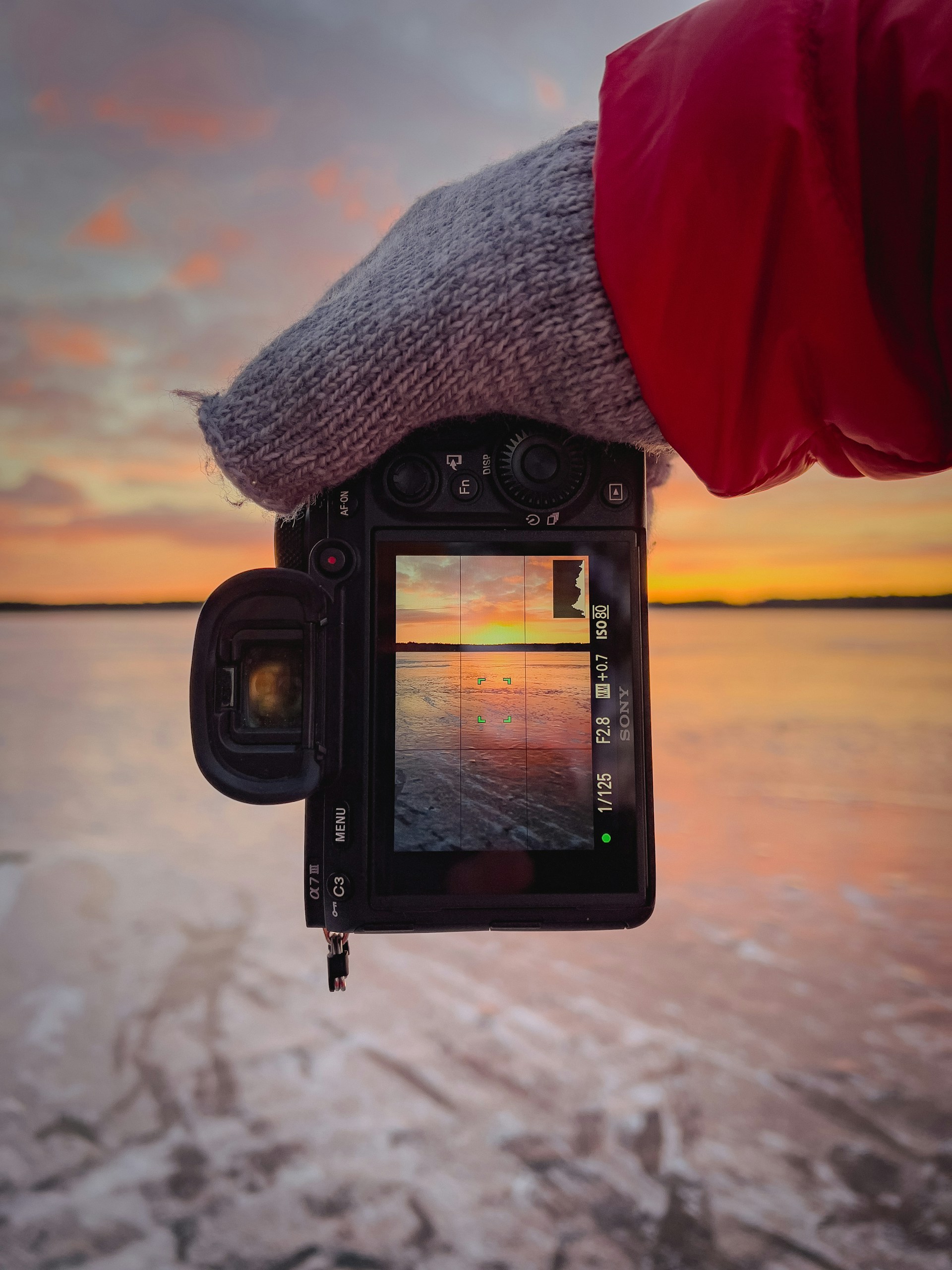
Photo by Veikko Venemies on Unsplash (license)
Winter weather affects exposure more than many beginners expect. Snow reflects a huge amount of light, tricking your camera’s meter into underexposing the scene. To correct this, adding exposure compensation—usually +1 stop or more—is essential. This prevents images from looking gray or muddy, which is a common issue when photographing snowy landscapes.
Another factor is shutter speed. Even though landscapes are typically static, winter weather often includes wind, blowing snow, drifting clouds, or moving branches. A faster shutter speed helps freeze those elements when desired. Alternatively, slowing down the shutter can create artistic motion blur in falling snow or rushing winter water. It’s useful to experiment with both approaches.
Aperture selection plays a major role in landscape photography. Shooting at f/8 to f/11 usually offers a good balance of depth of field and sharpness. In winter weather, where details like ice crystals and snowdrifts create natural textures, maintaining clarity across the frame helps pull the viewer into the scene. Pairing this with a low ISO gives you the cleanest file with the most dynamic range for editing.
Composition Tips for Dynamic Winter Landscapes
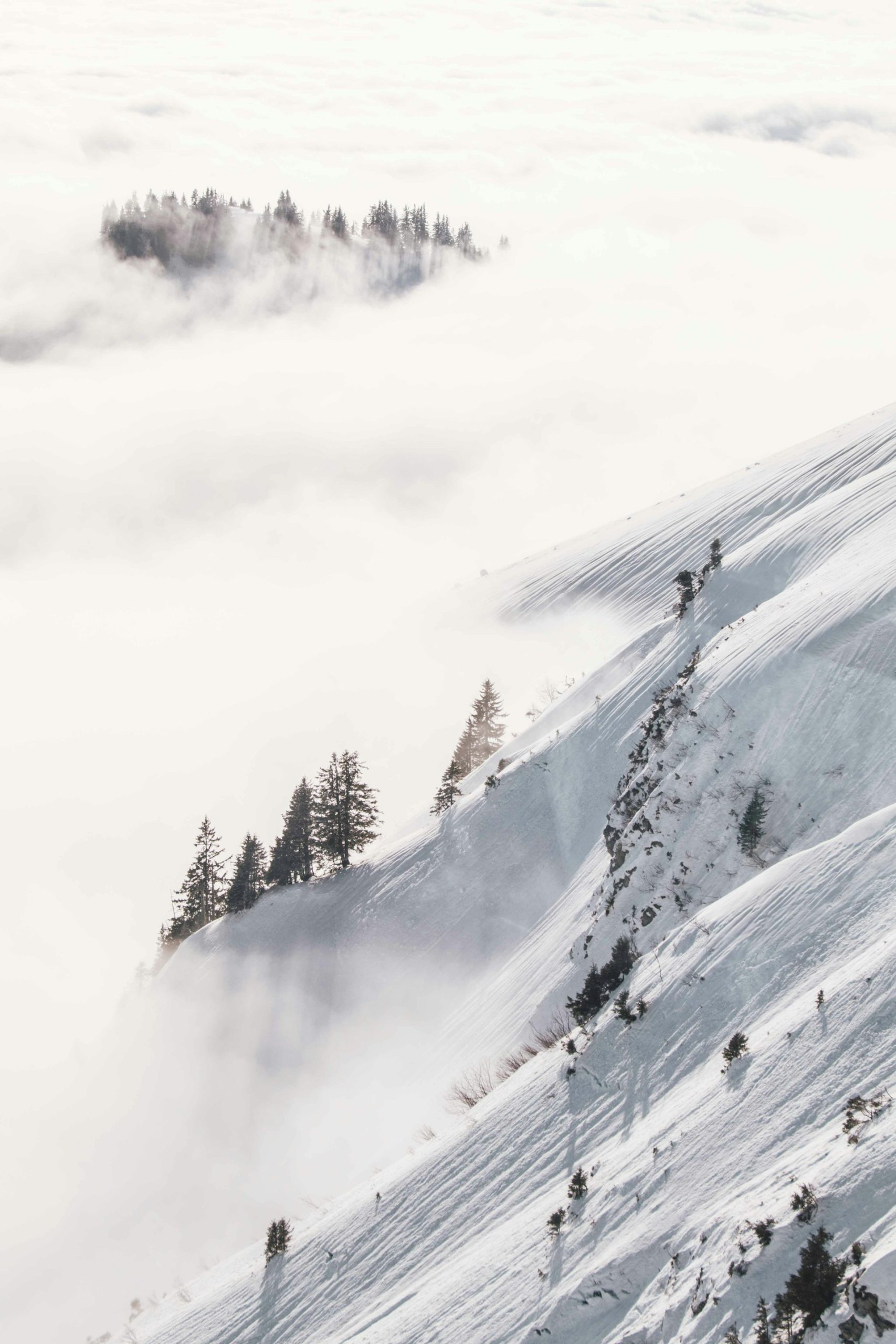
Photo by frdm on Unsplash (license)
Composition is especially important when working with winter weather scenes because snow simplifies the landscape. This minimalism can be an advantage when you’re intentional about drawing the viewer’s eye. Look for elements that break up the white—trees, rocks, buildings, or mountainsides—to use as anchors in your frame.
Lines and shadows also become more powerful in winter. Low winter sun casts long shadows that guide the viewer through the frame. Snowdrifts create natural curves that can add movement or flow. Winter weather gives you textures and shapes you simply won’t find during other seasons.
Don’t overlook foreground interest, either. A snow-covered branch, a frosted fence post, or even fresh boot tracks can give your image depth and create a sense of presence. When shooting in winter weather, having layered elements helps keep the composition engaging, even in wide, open spaces.
Understanding Winter Light and How to Use It
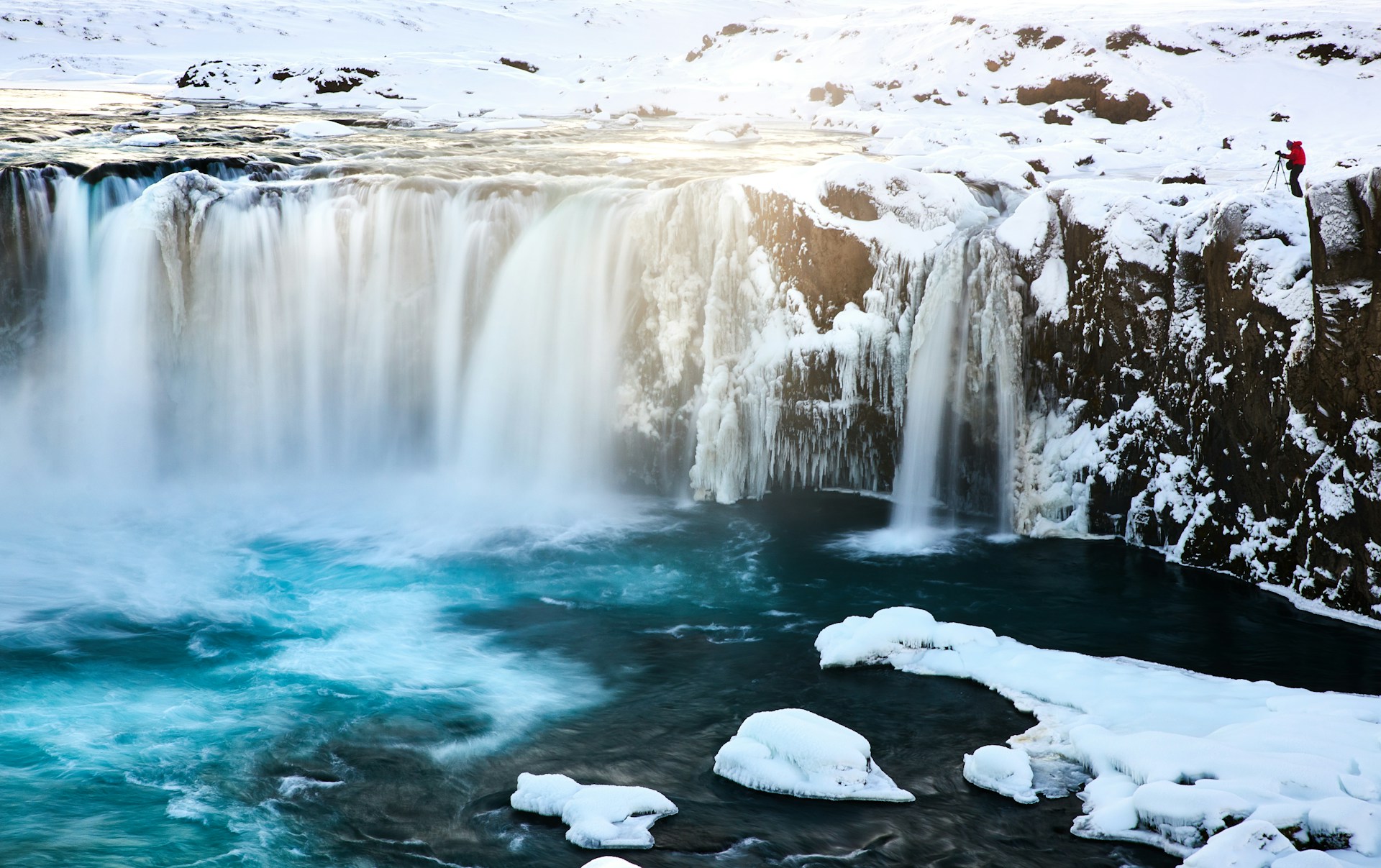
Photo by Landon Arnold on Unsplash (license)
Light behaves differently in winter weather because the sun stays lower in the sky. The softer light makes midday shooting more forgiving, which can be a relief for beginners who can’t always plan sunrise or sunset outings. Snow acts as a giant reflector, bouncing soft, diffused light across the landscape.
Golden hour is especially beautiful in winter weather because the low sun casts warm tones across the cold landscape. The contrast between warm and cool colors can be striking, especially on clear mornings after fresh snowfall. Cloudy days are equally valuable—the softened light makes snowy textures appear smooth and serene.
One personal tip: If you find yourself in foggy winter weather, embrace it. Fog adds atmosphere and depth, simplifying backgrounds and creating moody scenes. Winter fog can transform ordinary locations into scenes that feel quiet and timeless.
How to Stay Comfortable and Safe Outdoors

Photo by Yulii Shtel on Unsplash (license)
Comfort is crucial when shooting in winter weather. If you’re cold, rushed, or uncomfortable, you won’t shoot your best. Start with layered clothing, insulated boots, and gloves that allow dexterity. Chemical hand warmers are inexpensive and make a huge difference when adjusting settings or working with metal tripod legs.
Check the forecast before heading out. Winter weather can be unpredictable, and having a clear understanding of wind, temperature, and incoming storms helps you stay safe while planning your route or timing. Unexpected weather changes can also create incredible photo opportunities if you’re prepared.
One often overlooked piece of advice: keep snacks and water with you. It’s easy to forget to hydrate in cold weather, but staying energized helps you stay focused and patient—two qualities essential for great photography.
Embracing the Challenges of Winter Weather

Photo by Shon Goh on Unsplash (license)
Winter weather presents challenges, but overcoming them is part of what makes photography during this season so rewarding. With proper preparation, reliable protective gear like the Camera Canopy lineup, and an openness to changing conditions, you’ll find that winter becomes one of the best times to build your skills as a landscape photographer.
Working in winter weather teaches patience, adaptability, and creative problem-solving. Those are qualities that translate into every other season. As you spend more time outdoors in the cold, you’ll start to recognize patterns in the light, textures in the snow, and opportunities in the weather that help you create unique images.
Ultimately, winter weather gives you both challenges and opportunities. When you’re prepared and confident in your gear, you can focus on the experience—watching the landscape shift in real time and capturing scenes that most people only witness from indoors. That alone is worth braving the cold.
FAQ
What camera settings work best for snow?
Boost exposure compensation to prevent gray-looking snow, use mid-range apertures like f/8 to f/11 for sharpness, and adjust shutter speed based on movement in the scene.
How do I keep my camera from getting wet in snow?
Use protective gear like the Camera Canopy, Mini Camera Canopy, or Mobile Canopy, depending on your setup. They keep falling snow off your camera while preserving visibility and control.
Does cold weather damage camera batteries?
Cold temperatures reduce battery life significantly. Keep extras warm in an inner pocket and rotate them as needed.
Is it safe to bring my camera from cold weather into a warm house?
Sudden temperature changes can cause condensation. Leave your gear in a sealed bag for a while so it warms gradually.
Can I use my smartphone for winter landscapes?
Yes. Modern phones perform well in bright winter weather, and the Camera Canopy for Mobile helps protect the lenses from moisture.
A quick heads-up: If you snag something through our affiliate links or check out our sponsored content, we might earn a commission at no extra cost to you. But fear not, we’re all about recommending stuff we’re truly stoked about!
Learn More:
- How to Shoot in Snowstorms: Practical Tips for Beginners
- How to Protect Your Phone Camera in Every Shooting Environment
Hero photo by Rawpixel.com via Shutterstock


DF