


Most composition problems are not caused by bad cameras or wrong settings. They come from small positioning choices made in a hurry. You see something interesting, raise the camera, and take the shot from wherever you happen to be standing. Later, the photo feels cluttered or weak, even though the moment felt strong.
The good news is that composition improves quickly when you adjust how you approach the frame. You do not need advanced theory or complicated rules. You need a few reliable habits that help you decide what belongs in the photo and what does not. That shift alone changes how your images read.
This guide focuses on the best photography composition tips for beginners, with a special focus on the fastest fix you can apply right now. These ideas come from real shooting experience and teaching newer photographers who want clearer, stronger images without technical overload.
Table of Contents
Why Most Composition Fails at First
Early composition mistakes usually come from distance and hesitation. Many beginners shoot from the first place they stop walking. That position feels natural, but it is rarely the strongest visual choice. The frame often includes too much background and not enough subject.
Cameras record everything inside the borders you give them. They do not know what matters most. If the subject is small and the surroundings are busy, the viewer has to guess where to look. That guesswork weakens the image.
When I review beginner portfolios, I often notice the same pattern. The photographer saw the right subject but stood too far away. Once they move closer and simplify the frame, their results improve quickly. That is why many of the best photography composition tips for beginners focus on distance and framing first.
This is encouraging because it means better composition does not require expensive gear. It requires better positioning and clearer choices about what belongs in the frame.
The Fastest Composition Fix You Can Use Today
The fastest improvement you can make is simple. Take a step closer to your subject. Then take another. Fill more of the frame with what actually matters. This single change often produces a stronger photo immediately.
Moving closer reduces empty space that adds no value. It increases subject detail and visual weight. It also reduces the number of distracting elements competing for attention. The viewer understands the photo faster.
This works across many styles of photography. With people, you capture more expression and connection. With objects, you reveal texture and shape. With outdoor scenes, you give the foreground a job instead of letting it sit there unused. Many best photography composition tips for beginners sound complex, but this one is direct and reliable.
If you build only one composition habit this week, make it this one. Do not settle for the first distance. Adjust it.
How Getting Closer Creates Stronger Subjects

Photo by PeopleImages via Shutterstock
Stronger composition starts with subject priority. Your main subject should feel important inside the frame. Size is one of the easiest ways to signal importance. When the subject takes up more space, it carries more visual authority.
Getting closer also improves separation. Background elements fall outside the frame or become less dominant. This makes your subject easier to read. The photo feels more intentional and less accidental.
I often tell newer photographers to shoot every subject at three distances: where they first stood, a few steps closer, and closer again. When we compare the images later, the tighter composition usually wins. This exercise supports several best photography composition tips for beginners at once because it trains awareness and decision-making.
Distance control is a creative tool. Use it actively instead of letting it default.
One of the Best Photography Composition Tips for Beginners Is Subtraction
Many people think composition means adding interest. In practice, it often means removing distractions. Extra elements dilute the message of the photo. Clean frames communicate faster.
Check the edges of your frame before you press the shutter. Look for bright spots, cut off objects, poles, signs, or random shapes pulling attention away from your subject. Small edge problems cause big composition weakness.
Subtraction can happen through movement, angle changes, or focal length choices. Shift left or right. Lower your camera. Raise it. Each small change can remove something that does not belong. This is one of the most practical best photography composition tips for beginners because it works in any location.
Ask a simple question before each shot. What can I remove from this frame? That question improves results quickly.
Building a Simple Composition Habit That Sticks
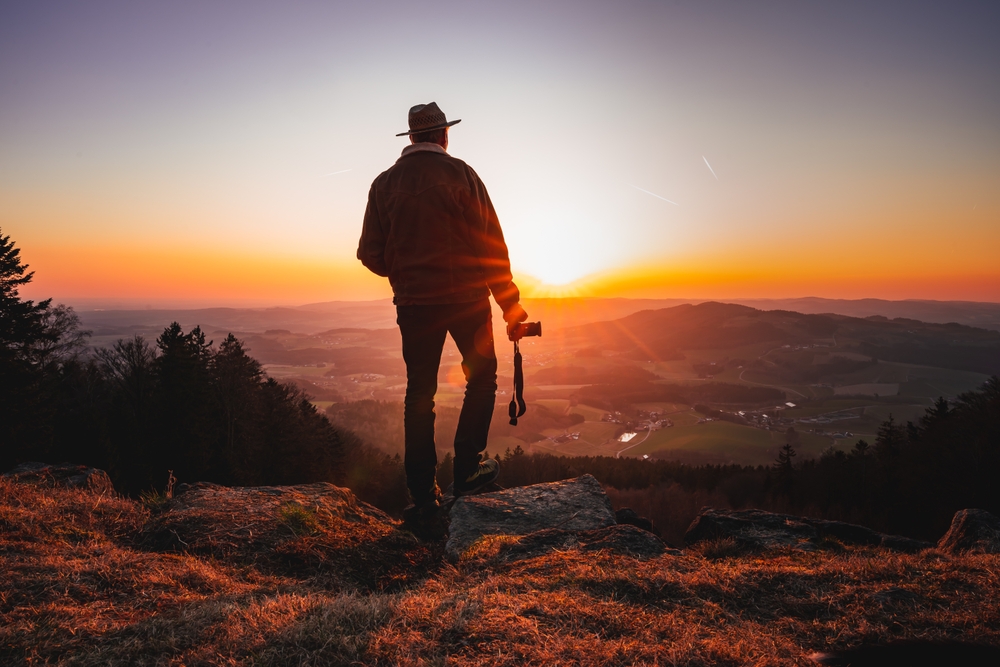
Photo by Wirestock Creators via Shutterstock
Good composition is less about rules and more about repeatable behavior. Create a short mental checklist you run through before each shot. Step closer. Check edges. Confirm the subject is dominant. Then shoot.
Practice this on everyday subjects, not just special outings. Photograph a chair, a doorway, a cup on a table. When the subject is ordinary, composition skills carry more of the visual weight. That makes practice more effective.
Over time, this process becomes automatic. You stop shooting from convenience and start shooting from intention. That shift shows up clearly in your images and supports the best photography composition tips for beginners without needing constant reminders.
Consistency beats complexity. Small repeated actions produce steady improvement!
Frequently Asked Questions
Do I need to follow composition rules to get better photos?
No. Rules can help, but simple habits like moving closer and removing distractions often create faster improvement.
What if I cannot move closer to my subject?
Use a longer focal length, change your angle, or crop tighter in camera to give the subject more presence.
Does better composition require better lenses?
No. Composition comes from positioning and framing choices, not lens price.
How fast can composition improve with practice?
Many photographers see visible improvement within days when they apply these habits consistently.
Should I crop later or compose tighter in camera?
Compose tighter in camera when possible. It builds stronger awareness and saves resolution.
Our articles might have affiliate links and the occasional sponsored content, but don’t sweat it – if you buy something, we get a little kickback at no extra cost to you, and we only hype products we truly believe in!
Hero photo by Song_about_summer via Shutterstock

