

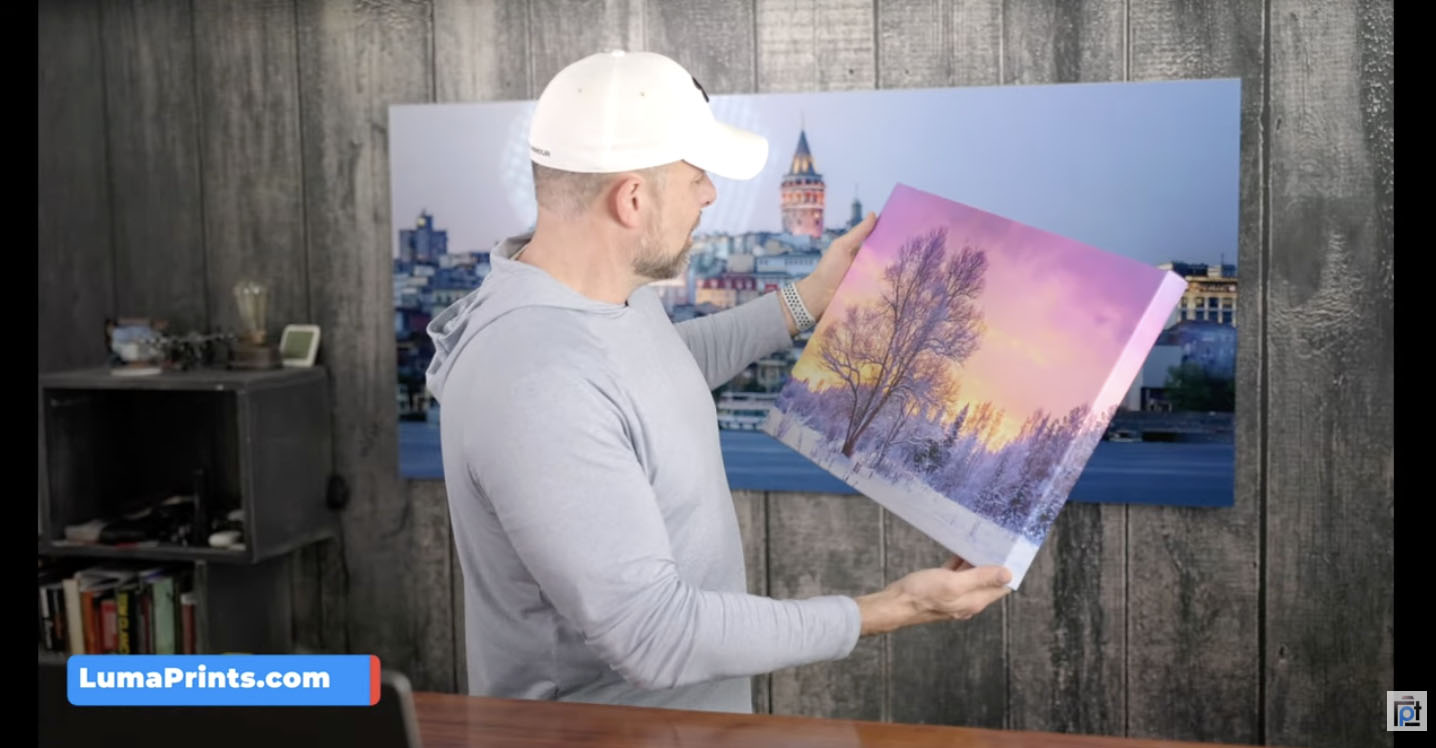
When it comes to preserving your photographic prints or artwork, the materials you choose can make all the difference. Many artists and photographers overlook the impact of canvas quality on the longevity of their work, but selecting the right materials ensures your creations remain vibrant for decades. Archival-grade canvas, in particular, has become the industry standard for professionals who want their work to last.
In this article, we’ll break down what archival-grade canvas is, why pH neutral and acid-free materials matter, and how using these materials with Lumaprints’ high-quality giclée printing can protect your prints. From stretching options to color accuracy, you’ll gain a thorough understanding of why this canvas is essential for anyone serious about preserving their work.
Table of Contents
- What Is Archival-Grade Canvas?
- Why pH Neutral and Acid-Free Materials Matter
- How Archival-Grade Canvas Supports Color Accuracy
- Stretcher Bars and Archival Quality
- Archival-Grade Canvas vs Fine Art Paper
- Maintenance Tips for Archival-Grade Canvas
- Why Investing in Archival-Grade Canvas Pays Off
What Is Archival-Grade Canvas?
Archival-grade canvas is a premium material specifically designed to preserve artwork, photography, and prints for generations. Unlike standard canvas, it is pH neutral and acid-free, which prevents chemical reactions that can degrade the fibers over time. This means your images won’t yellow, become brittle, or lose vibrancy as quickly as they would on lower-quality materials.
The archival-grade canvas used by companies like Lumaprints is typically a poly-cotton blend, providing a smooth surface that supports bright, accurate colors. It works exceptionally well with giclée and eco-solvent printing, ensuring that every detail of your image is preserved without distortion or fading.
For photographers and artists, understanding the material beneath your print is critical. Archival-grade canvas offers a tactile, durable base that enhances the visual depth of images while protecting the work itself. This is the type of canvas professionals rely on when creating prints for exhibitions, client deliveries, or personal keepsakes.
Why pH Neutral and Acid-Free Materials Matter
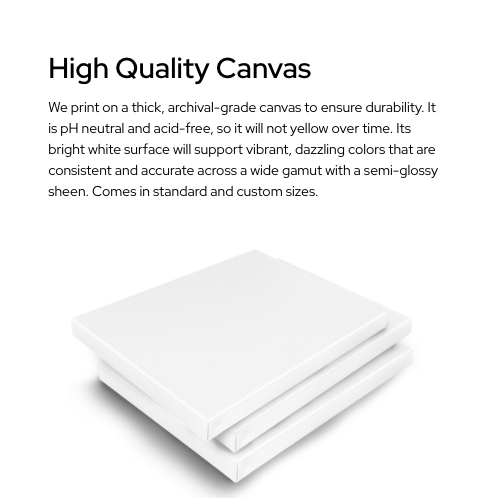
The acidity in some standard canvases can trigger chemical reactions that accelerate deterioration. Over time, this leads to yellowing, brittleness, and potential damage to the ink. By contrast, archival-grade canvas is pH neutral and acid-free, preventing these unwanted effects and ensuring the longevity of your prints.
This is particularly important when paired with fine art paper or giclée printing methods. Acidic materials can subtly alter color tones, diminish contrast, and compromise the original intent of your photograph or artwork. Using pH neutral materials maintains both structural integrity and visual fidelity.
Personally, I’ve seen prints on non-archival canvas that begin to yellow in less than a decade, even when properly framed. Archival-grade canvas avoids these issues entirely, offering peace of mind that your investment in Lumaprints or other professional printing services remains protected for the long term.
How Archival-Grade Canvas Supports Color Accuracy
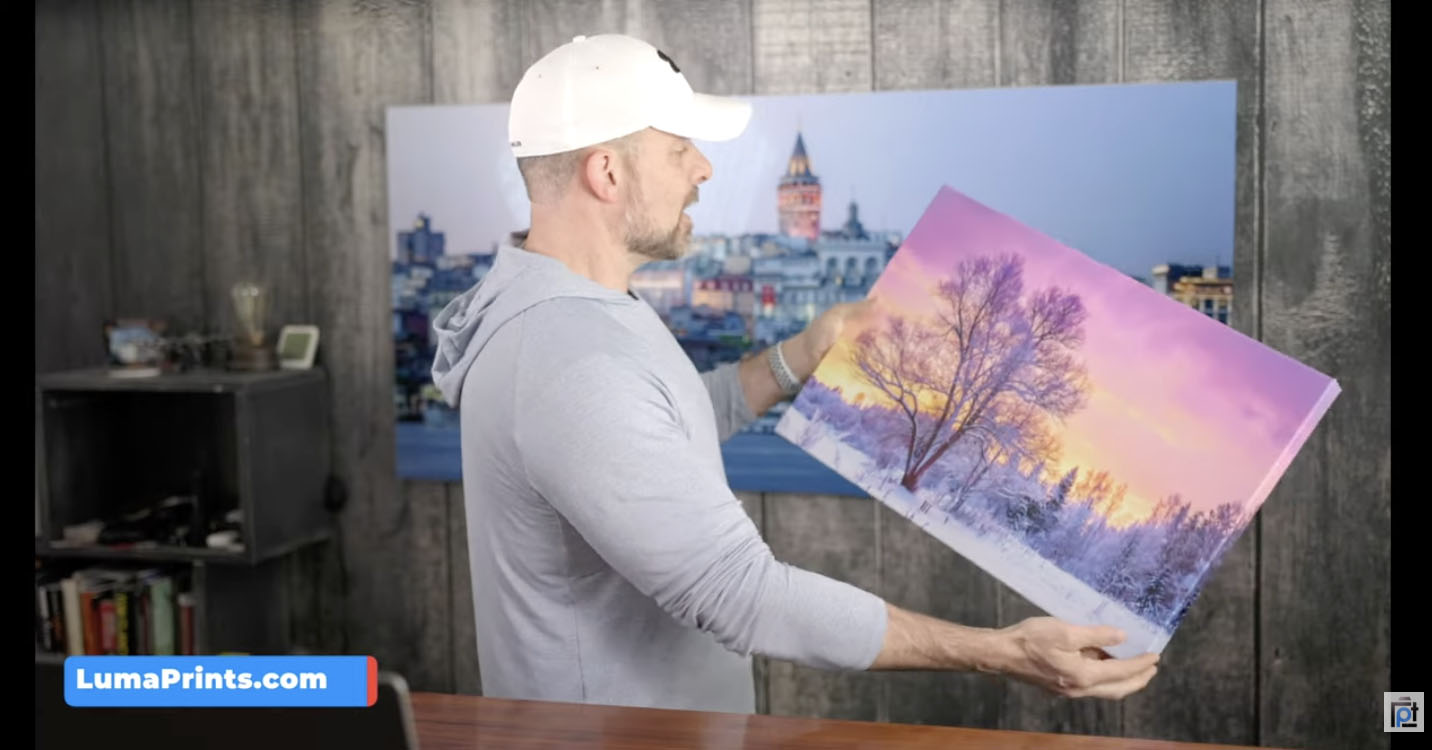
Color accuracy is essential for any professional print. Archival-grade canvas supports the full range of your printer’s color gamut without introducing chemical interference that could dull or shift tones. At Lumaprints, color-calibrated giclée and eco-solvent inkjet printers maximize this benefit, ensuring that vibrant blues, rich greens, and subtle skin tones reproduce faithfully.
Because archival-grade canvas doesn’t degrade or react chemically over time, your prints maintain their color integrity for decades. This is particularly crucial for gallery-quality presentations or when selling prints to clients, as any color drift could compromise the perceived value of your work.
In my experience, prints on archival-grade canvas consistently outperform cheaper materials in both vibrancy and tonal depth. They provide a professional finish that closely resembles the original image viewed on fine art paper or digital displays.
Stretcher Bars and Archival Quality
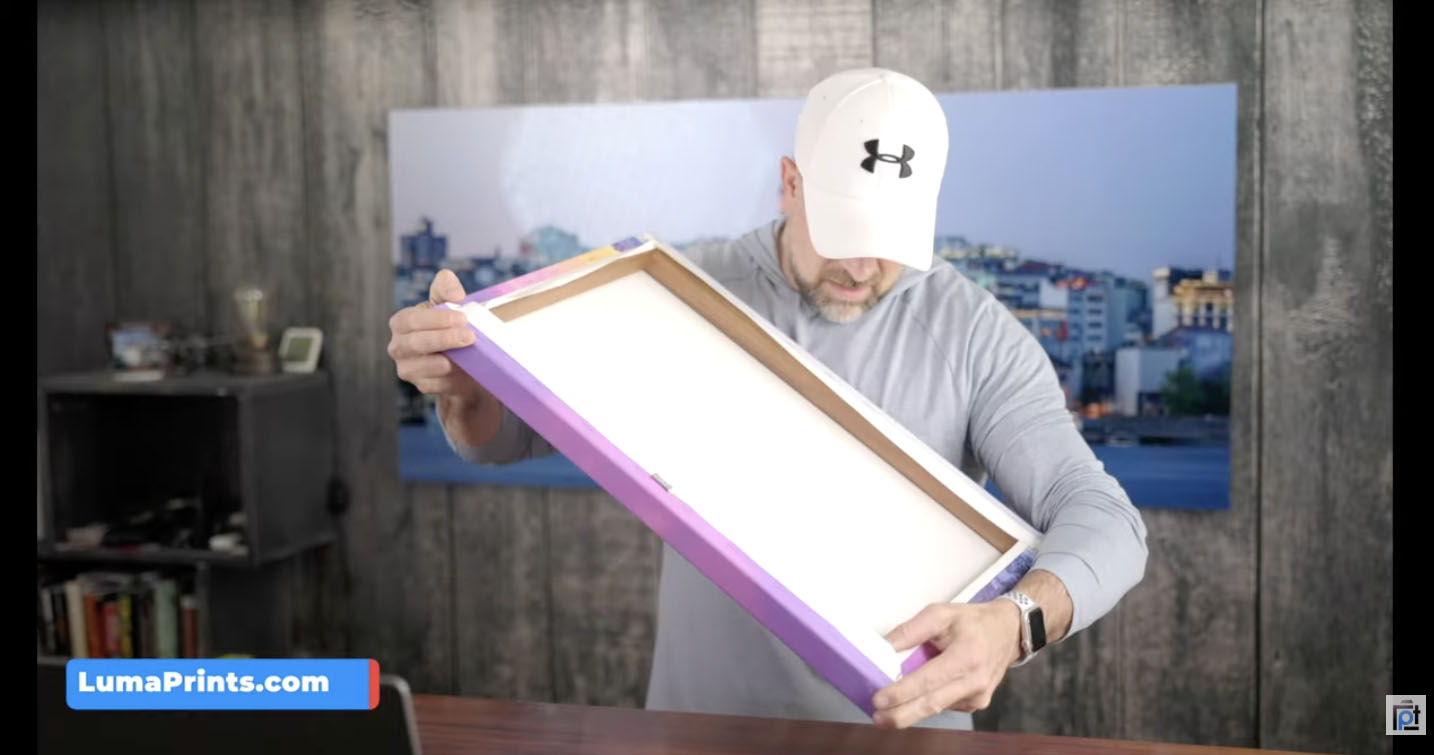
Even the best archival-grade canvas requires quality framing to ensure long-term durability. Solid wood stretcher bars, preferably with beveled edges, provide the necessary support to prevent sagging or warping. Lumaprints’ canvas prints use hardwood stretcher bars that anchor the canvas securely, maintaining proper tension across the surface.
Properly constructed stretcher bars work hand-in-hand with archival materials. The acid-free canvas rests on a neutral, stable frame that resists environmental changes. This combination helps protect against warping in fluctuating humidity or temperature conditions.
From my own experience printing large canvases, the difference between standard frames and well-constructed stretcher bars is noticeable. Not only do the prints maintain tension over time, but the professional presentation enhances both the visual appeal and perceived quality of the artwork.
Archival-Grade Canvas vs Fine Art Paper
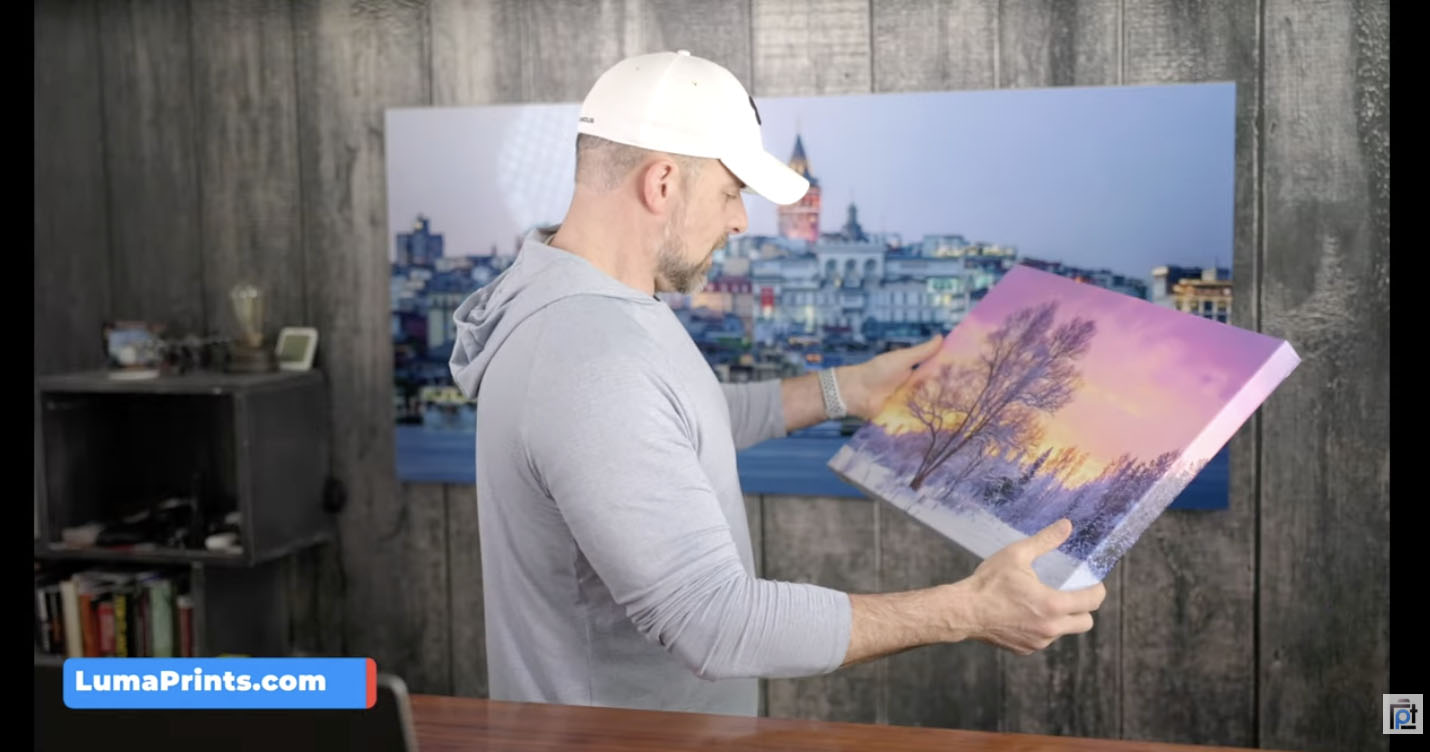
Many photographers wonder whether to choose canvas or fine art paper. Archival-grade canvas offers texture, depth, and dimensionality that fine art paper cannot replicate. It adds a tactile, gallery-ready feel while still preserving color and detail with high-quality printing techniques.
Fine art paper, by contrast, excels in flat, smooth finishes and is often preferred for limited-edition prints. However, when you want your artwork to have presence on a wall and withstand handling, archival-grade canvas is often the better choice. Lumaprints provides options for both mediums, allowing photographers to match the material to the intended display environment.
For portraits or landscapes, the slightly textured surface of archival-grade canvas can enhance depth and richness. Paired with acid-free materials, the result is a print that retains both visual and structural integrity over decades, something that even the best fine art paper can struggle to achieve under similar conditions.
Maintenance Tips for Archival-Grade Canvas
Even archival-grade canvas benefits from proper care. Dust your prints regularly with a soft, dry cloth or feather duster. For deeper cleaning, lightly wipe with a damp cloth and allow the canvas to dry naturally. Avoid harsh chemicals or abrasives, as these can damage the archival surface and compromise ink longevity.
Positioning is equally important. Keep prints out of direct sunlight and away from damp or humid areas to prevent fading or mold. Archival-grade canvas is durable, but environmental control ensures the best preservation of your artwork or photographs.
From personal experience, treating your prints with care enhances their lifespan significantly. The combination of Lumaprints’ archival-grade canvas and thoughtful display practices will keep your work looking fresh and vibrant for decades.
Why Investing in Archival-Grade Canvas Pays Off
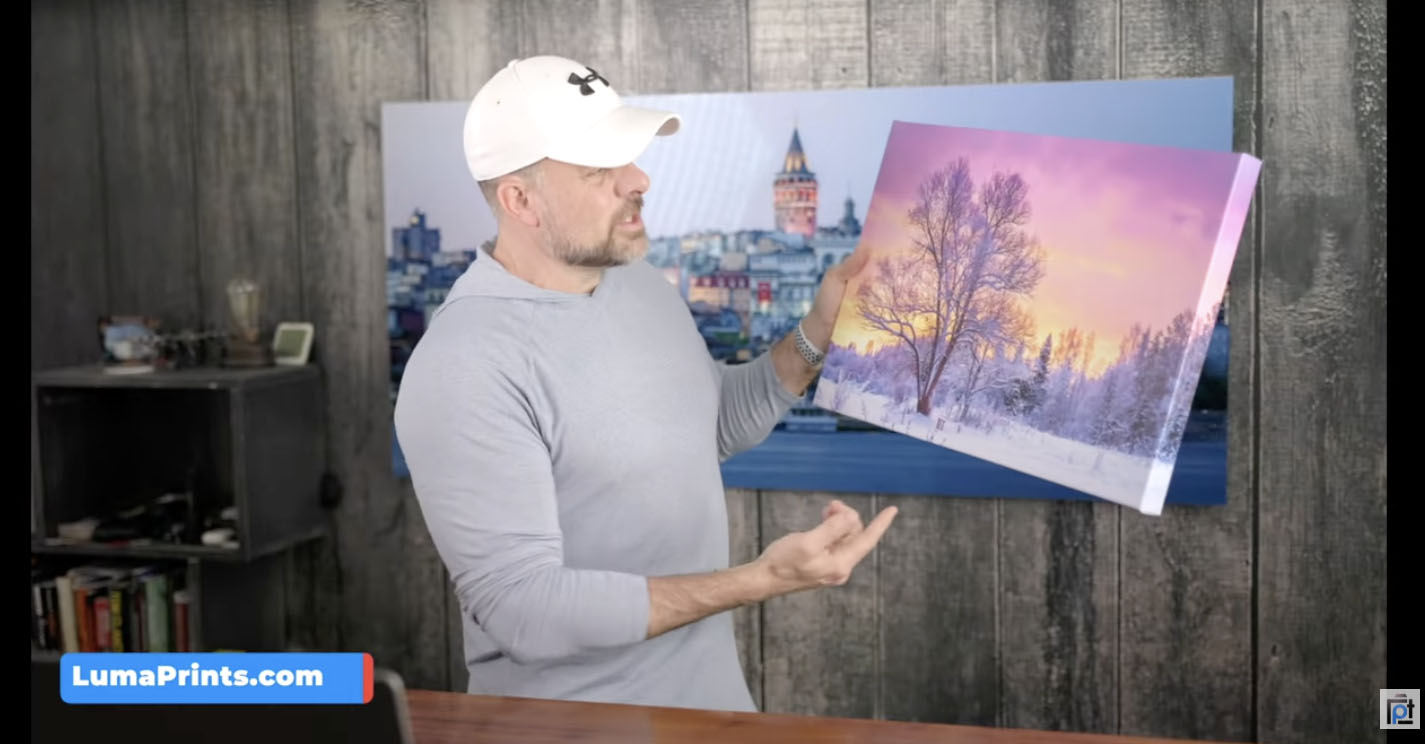
Investing in archival-grade canvas is about more than just durability—it’s about preserving the value of your work. High-quality materials ensure your prints maintain their intended look, protecting both your creative vision and the financial investment in professional printing.
With Lumaprints, you not only gain longevity but also gain professional-quality presentation. Archival-grade canvas paired with giclée printing produces prints suitable for galleries, client deliveries, or home display, adding credibility to your work.
Over time, the cost savings become evident. Fewer replacements, minimal color degradation, and lasting structural integrity mean that your prints remain a long-term asset. It’s an investment in your photography or art that pays off with preservation and continued enjoyment for generations.
FAQ
What is archival-grade canvas?
Archival-grade canvas is a pH neutral, acid-free material designed to preserve prints for decades without yellowing, fading, or becoming brittle.
Can archival-grade canvas be used with giclée and eco-solvent printing?
Yes, it works exceptionally well with both giclée and eco-solvent inkjet printers, ensuring vibrant colors and high detail fidelity.
How does archival-grade canvas compare to fine art paper?
Canvas provides texture and dimensionality suitable for wall display, while fine art paper is smoother and often used for limited editions. Both can be archival if pH neutral and acid-free.
Do I need special frames for archival-grade canvas?
Quality stretcher bars enhance longevity, prevent sagging, and maintain proper tension, but standard framing methods can work if the canvas is stretched correctly.
How should I care for archival-grade canvas prints?
Dust regularly, clean gently with a damp cloth if needed, avoid direct sunlight, and maintain moderate humidity to protect both canvas and ink.
How long can archival-grade canvas last?
When properly cared for, archival-grade canvas can last 50 to 100 years or more, preserving both color and structural integrity.
Just so you know, some of the cool stuff we mention comes with affiliate links, meaning we earn a commission if you buy (no extra charge to you!). Plus, we occasionally feature sponsored content, but rest assured, we only shout out products we genuinely stand behind.

