



Buying camera gear is rarely just about specs. It’s about confidence: confidence that the camera will show up ready to work, confidence that it hasn’t been abused, and confidence that your money is being spent wisely. When it comes to high-resolution mirrorless bodies, the Nikon Z7 II sits in a price category where those concerns matter even more, especially if you’re considering buying used.
The good news is that the Z7 II is one of those cameras that ages gracefully. Its sensor, build quality, and overall performance haven’t been made obsolete by rapid generational leaps. That makes a used Nikon Z7 II an especially compelling option for photographers who want professional image quality without paying full retail pricing.
Still, buying used isn’t something you want to rush into blindly. Knowing what to check and where to buy can be the difference between landing a reliable workhorse and inheriting someone else’s problems. This guide walks through exactly what to look for before you spend the money, with real-world context and practical advice along the way.
Table of Contents
- Why the Nikon Z7 II Makes Sense on the Used Market
- Shutter Count and Usage History
- Sensor Condition and Image Quality Checks
- Autofocus and IBIS Performance
- Body Wear, Ports, and Weather Sealing
- Memory Card Slots and File Reliability
- Battery Health and Power Considerations
- Why MPB Is a Trusted Source for a Used Nikon Z7 II
- What You Actually Save by Buying Used
- Common Mistakes to Avoid
- Who a Used Nikon Z7 II Is (and Isn’t) For
- Making a Smart, Confident Purchase
- FAQ
Why the Nikon Z7 II Makes Sense on the Used Market

The Nikon Z7 II was built from the start as a professional-grade camera, and that shows in how well it holds up over time. The 45.7MP sensor, dual EXPEED 6 processors, and solid autofocus system remain more than capable for landscape, portrait, studio, and hybrid shooting. Those fundamentals don’t suddenly stop being useful just because newer models exist.
Another reason a used Nikon Z7 II makes sense is Nikon’s ongoing firmware support. Autofocus refinements, video updates, and usability improvements have extended the camera’s lifespan in ways that aren’t always obvious on a spec sheet. That continued attention means you’re not buying into a frozen platform.
Finally, the physical construction of the Z7 II works in the buyer’s favor. The magnesium alloy body and weather sealing were designed for real-world use, not shelf life. When properly cared for, this is a camera that can comfortably serve for many years, making it a strong candidate for the used market.
Shutter Count and Usage History
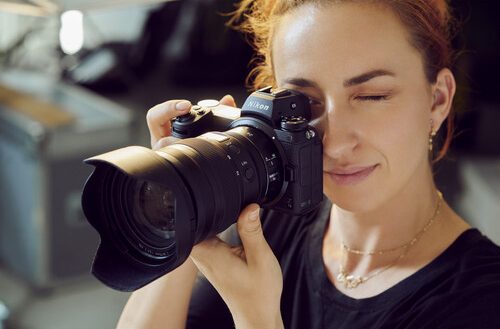
Shutter count is often the first thing people fixate on when shopping for a used Nikon Z7 II, and while it’s important, it shouldn’t be the only metric. Nikon doesn’t publish an official shutter life rating for the Z7 II, but real-world use suggests it’s built to handle substantial mileage.
A lower shutter count can be reassuring, especially if you’re buying from a private seller. However, a camera with moderate usage that’s been well cared for is often a safer bet than a lightly used body with an unknown history. Professional shooters tend to maintain their gear meticulously.
This is where buying from a trusted reseller matters. Platforms like MPB provide clear condition grading and usage transparency, removing much of the guesswork. Knowing that a used Nikon Z7 II has been evaluated by technicians helps put shutter count into proper context.
Sensor Condition and Image Quality Checks
The sensor is the heart of the camera, and it’s one of the most critical components to evaluate. Dust is normal and easily cleaned, but scratches, deep marks, or damaged coatings are not. These issues can permanently affect image quality.
Improper sensor cleaning is a common risk with privately sold cameras. Well-meaning owners can do more harm than good if they use the wrong tools or techniques. This is one reason many photographers prefer buying a used Nikon Z7 II from a retailer that inspects sensors professionally.
Beyond physical condition, it’s important to check for banding, stuck pixels, or unusual noise patterns. Reputable platforms test for these issues before listing a camera, giving you confidence that image quality hasn’t been compromised.
Autofocus and IBIS Performance

The Z7 II’s autofocus system is reliable, but like any complex mechanism, it needs to be functioning correctly. When evaluating a used Nikon Z7 II, autofocus should lock consistently and track subjects without hesitation or erratic behavior.
In-body image stabilization is another key system to verify. IBIS issues can show up as subtle blur during long exposures or jitter in video footage. These problems aren’t always obvious without testing, which makes professional inspection valuable.
Firmware also plays a role here. Later firmware versions improved AF consistency and tracking behavior. A reputable seller will ensure the camera is updated, so you’re getting the best possible performance from day one.
Body Wear, Ports, and Weather Sealing

Cosmetic wear is inevitable, especially on cameras that have seen field use. Scuffed corners or a slightly worn grip aren’t necessarily red flags. What matters more is structural integrity and functionality.
Ports deserve special attention. HDMI, USB-C, microphone, and headphone jacks should all function properly and fit snugly. Loose or damaged ports can indicate rough handling.
Weather sealing is harder to verify visually, which is why buying a used Nikon Z7 II from a seller that checks seals and doors is reassuring. Condition ratings help set expectations before the camera ever arrives.
Memory Card Slots and File Reliability

The move to dual card slots was one of the most practical upgrades Nikon made with the Z7 II, especially for photographers who rely on redundancy or clean file management. Having both a CFexpress Type B slot and a UHS-II SD slot allows you to configure backup recording, overflow storage, or separate RAW and JPEG files. When buying a used Nikon Z7 II, confirming that both card slots work exactly as intended is essential.
Card slot problems don’t always reveal themselves immediately. A camera may power on and even record a few images without issue, only to throw intermittent write errors during longer shoots or high-speed bursts. These issues are particularly damaging for paid work, where corrupted files or failed writes can’t be recreated. Unfortunately, this is also one of the most commonly overlooked checks when buying from individual sellers.
Established retailers test card slot performance under sustained load, verifying write speeds, file integrity, and consistent card recognition. When purchasing a used Nikon Z7 II from a platform that performs these checks, you reduce the risk of discovering file reliability problems after the return window has closed.
Battery Health and Power Considerations
Batteries are consumable items, so some level of wear is expected when buying used. That said, a used Nikon Z7 II should still deliver dependable battery life, particularly when paired with genuine Nikon EN-EL15 series batteries. Rapid drain, erratic percentage readings, or unexpected shutdowns can indicate either a failing battery or deeper power-management issues.
USB-C charging and continuous power delivery are features many photographers rely on for travel, time-lapse work, and long video sessions. Charging behavior should be consistent and stable, with no flickering indicators or overheating. Loose USB-C ports or unreliable power delivery are red flags that shouldn’t be ignored.
Buying from a seller that includes tested batteries helps ensure you’re starting from a known baseline. While batteries can be replaced, confidence in the camera’s internal power systems matters far more than saving a few dollars upfront.
Why MPB Is a Trusted Source for a Used Nikon Z7 II
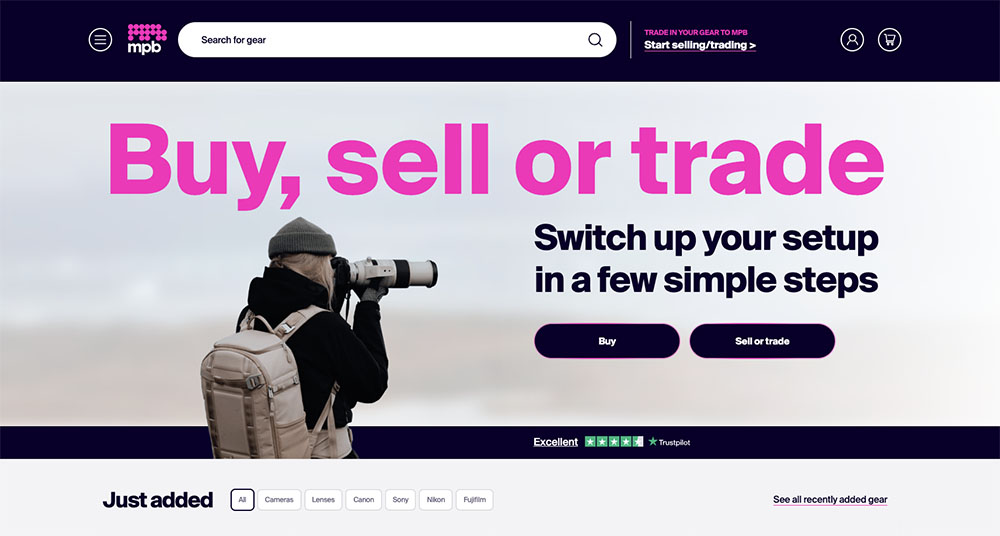
MPB has earned its reputation by taking much of the uncertainty out of buying used camera gear. Every used Nikon Z7 II is evaluated through a detailed inspection process that covers mechanical operation, electronic performance, and cosmetic condition. This isn’t a surface-level check—it’s designed to identify real-world issues before the camera is ever listed.
The seven-day return window is one of the most valuable safeguards MPB offers. It gives you time to shoot with the camera using your own lenses, memory cards, and workflow. If something doesn’t feel right, whether it’s autofocus behavior, handling, or overall condition, you can return it without hassle.
MPB also includes a six-month warranty on most camera bodies, adding protection well beyond the initial inspection period. Combined with clear condition grading and constantly rotating inventory, it’s one of the least stressful ways to buy a used Nikon Z7 II.
What You Actually Save by Buying Used
Depreciation works heavily in the buyer’s favor with the Z7 II. Once the initial retail drop has passed, pricing stabilizes, making the used market particularly attractive. In many cases, buyers can save several hundred dollars compared to purchasing new.
Those savings often have more impact when redirected toward lenses, high-quality memory cards, or travel opportunities. These investments typically improve photographic output far more than paying extra for a factory-sealed box.
Because the Z7 II remains highly capable and continues to receive firmware support, a used Nikon Z7 II still offers excellent long-term value. You’re paying for performance that holds up, not fleeting novelty.
Common Mistakes to Avoid
One of the most common mistakes is prioritizing the lowest price above all else. Listings that seem too good to be true often lack return options, accurate condition descriptions, or proof of proper testing.
Overlooking firmware versions and usage history can also lead to disappointment. Updated firmware improves autofocus behavior and system stability, while a clear usage history helps set realistic expectations.
Finally, buying high-end gear without buyer protection is a gamble. Return windows and warranties aren’t luxuries; they’re essential safeguards when investing in a professional camera body.
Who a Used Nikon Z7 II Is (and Isn’t) For

The Z7 II is an excellent fit for photographers who prioritize image quality, dynamic range, and resolution over maximum speed. Landscape, portrait, studio, and commercial shooters will find its strengths align naturally with their needs.
Hybrid shooters who balance stills and video will also appreciate the camera’s versatility, especially when paired with external recorders and stabilized lenses. It rewards a deliberate, thoughtful shooting style.
Photographers who need extreme burst rates, advanced subject recognition, or cutting-edge autofocus algorithms may be better served by newer models. Choosing a camera that fits how you actually shoot is more important than chasing specs.
Making a Smart, Confident Purchase

A used Nikon Z7 II can be an exceptional investment when purchased with care. Knowing what to check and why those checks matter removes much of the uncertainty from the process.
Prioritizing functional condition, seller transparency, and post-purchase support reduces the risk of unpleasant surprises. These factors often matter far more than cosmetic perfection.
When purchased through a platform like MPB, the buying experience feels controlled rather than risky. That confidence lets the camera be what it should be: a dependable creative tool.
FAQ
Is it safe to buy a used Nikon Z7 II?
Yes, especially when purchasing from a reputable retailer that inspects gear and offers a return window and warranty.
How much shutter count is too much?
There’s no hard limit, but condition and usage history matter more than a single number.
Does MPB test cameras before selling them?
Yes, every item goes through a detailed inspection process before being listed.
What if I change my mind after buying?
MPB offers a seven-day return window, giving you time to evaluate the camera.
Is a used Nikon Z7 II still future-proof?
For many types of photography, the Z7 II remains highly relevant and capable today.
Friendly disclaimer: Our articles may contain affiliate links that support us without costing you more, and sometimes we spice things up with sponsored content—but only for products we truly stand behind!

