

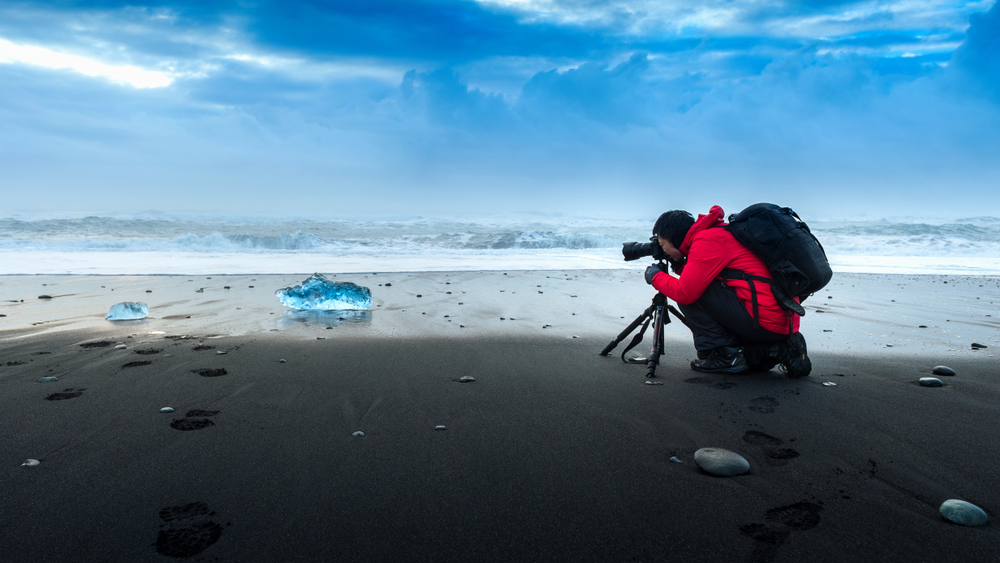
Winter invites some of the most dramatic and memorable experiences you’ll ever capture, including frosty peaks, snow-filled forests, glowing sunrises over fresh powder, and spontaneous moments with friends enjoying the cold.
But photographing your winter adventures means facing moisture, freezing temperatures, and unpredictable weather that can cause serious problems for your gear. One wrong move and you could end up with fogged lenses, drained batteries, or water damage that forces you to cut the day short.
The good news is that with the right preparation and the right tools, you can bring home incredible photos while keeping your equipment fully protected. Whether you shoot with a DSLR, a mirrorless camera, or your smartphone, there are smart strategies and dedicated accessories that make cold-weather shooting easier, safer, and a lot more enjoyable. In this guide, you’ll find practical advice to help you confidently document your winter adventures without risking your gear in the process.
Table of Contents
- Why Photographing Your Winter Adventures Is Worth the Effort
- Understanding the Weather Challenges of Winter Adventures
- How to Protect DSLRs and Full-Size Cameras During Winter Adventures
- How to Protect Mirrorless Setups and Small Lenses in Harsh Conditions
- How to Keep Your Smartphone Safe While Documenting Winter Adventures
- Battery and Moisture Management in Freezing Temperatures
- Practical Field Techniques for Photographing Winter Adventures
- Staying Safe and Comfortable While Shooting Outside
- Bringing It All Together for Better Winter Shoots
- FAQ
Why Photographing Your Winter Adventures Is Worth the Effort
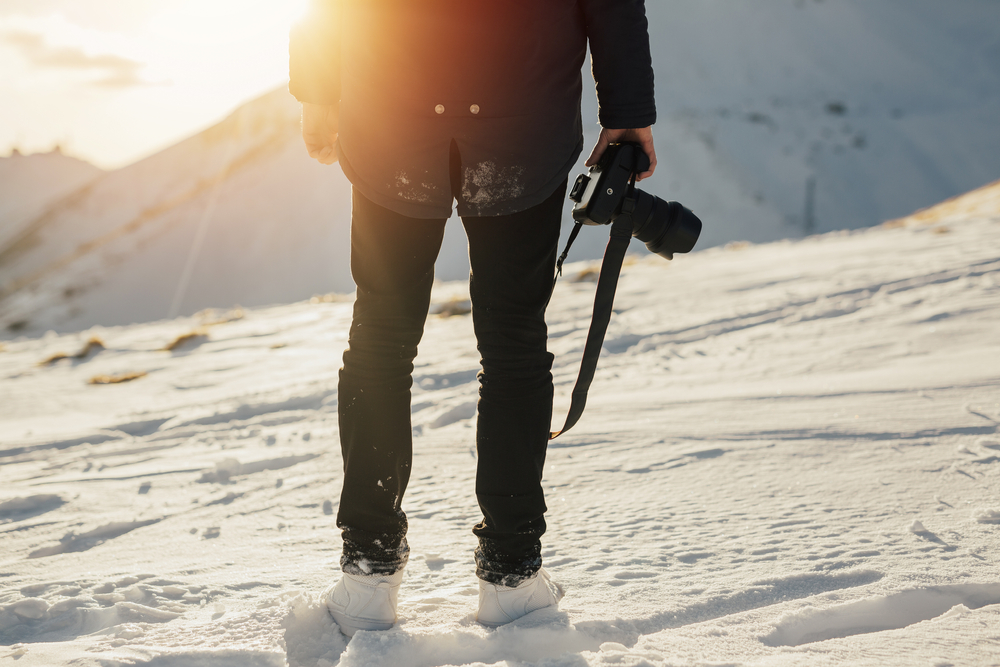
Photo by Summer loveee via Shutterstock
There is something uniquely rewarding about capturing your winter adventures. The crisp air, the diffused natural light, and the peacefulness of snow-covered landscapes create a visual atmosphere that’s totally different from any other season. Photographers often find that winter forces them to slow down, observe more deeply, and appreciate subtle textures and tones that might otherwise go unnoticed.
From a creative perspective, winter offers opportunities you simply can’t replicate at any other time of year. Snow softens harsh environments, adding a natural reflector that brightens shadows and reveals new possibilities for composition. If you like playing with contrast, patterns, and minimalist scenes, winter adventures often give you exactly what you need to create memorable images.
What makes photographing winter adventures especially meaningful is that these conditions require more commitment and intentionality. You aren’t just stepping outside on a sunny day; you’re navigating cold temperatures, changing weather, and moments that might only last seconds. Embracing these challenges and working with the environment instead of against it helps create stronger images and builds confidence in your ability to shoot anywhere.
Understanding the Weather Challenges of Winter Adventures
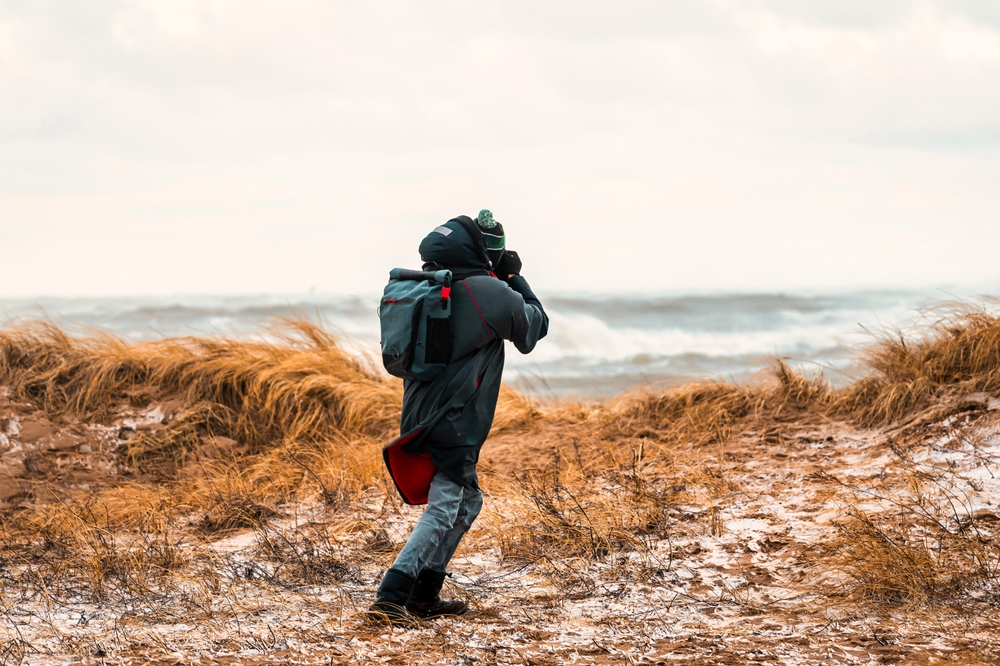
Photo by True Pixel Art via Shutterstock
The cold environment of winter adventures introduces unique obstacles. Moisture from falling snow, sleet, or even your breath can fog up lenses or seep into exposed seams, potentially causing short circuits or corrosion. Snow melting on warm hands—or on warm camera bodies—can quickly turn into water droplets that put gear at risk.
Another issue is that cold temperatures reduce battery performance. Even high-quality batteries drain faster in freezing conditions because the chemical reactions inside slow down. Photographers often underestimate this and end up losing access to their gear before the adventure is over. It’s frustrating, preventable, and easy to plan around once you know what to expect.
Wind is yet another factor. Even light gusts can blow snow directly into your lens or create camera shake that affects sharpness. For handheld shooting, this requires a steady stance and good timing. For tripod shooting, it may mean adding weight or shielding your setup. Winter adventures present multiple challenges at once, but understanding them helps you choose the right tools to protect your equipment.
How to Protect DSLRs and Full-Size Cameras During Winter Adventures
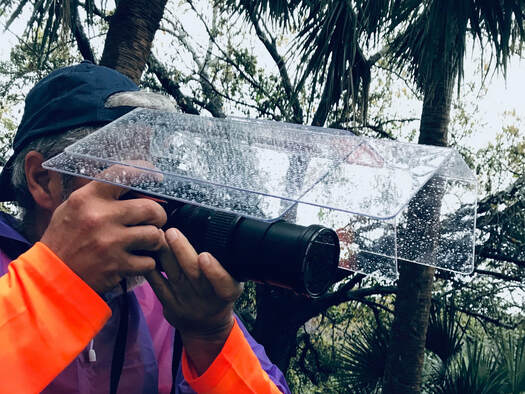
DSLRs are built tough, but winter adventures push them to their limits. Moisture protection should be your top priority, especially when snow is falling or blowing directly toward your lens. This is where the Camera Canopy shines. The full-size Camera Canopy mounts to the hot shoe and extends outward like a shield, offering coverage for both the camera body and the lens without getting in your way. The clear design allows you to see all your controls and settings while shooting, and the adjustable shield fits lenses up to 500mm.
What I appreciate about the Camera Canopy during winter adventures is how natural it feels to use. Unlike a rain sleeve or a plastic bag—which can crinkle, fog, or limit your access to buttons—the Camera Canopy keeps your hands free and your movements unobstructed. When your fingers are already struggling with gloves, having that extra freedom makes the experience significantly better.
The included rear shield is especially helpful when using a tripod. It creates a full barrier that keeps snow from falling onto the back of your camera, protecting the LCD and buttons. For long exposures or landscape scenes where you’re waiting on light, the added coverage helps maintain both visibility and confidence that your gear is safe.
How to Protect Mirrorless Setups and Small Lenses in Harsh Conditions
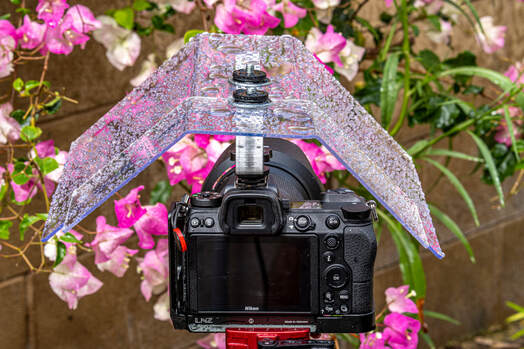
If you prefer shooting your winter adventures with a mirrorless camera or a smaller-lens setup, the Mini Camera Canopy is a perfect match. It offers all the same protection principles as the full-size version, but in a compact form designed specifically for lightweight and smaller-bodied cameras. At just 14.2 ounces and 13 inches long, it adds minimal bulk to your kit, which is important when moving through snow or carrying gear uphill.
The Mini Camera Canopy still includes a rear tripod shield and comes with a weather-resistant carry bag for easy packing. Despite the smaller profile, it provides excellent visibility and control access, making it ideal for mirrorless shooters who want to maintain full manual operation in cold conditions. I’ve found that the Mini works exceptionally well when shooting winter adventures that involve hiking, snowshoeing, or cross-country skiing, where weight and mobility matter.
For photographers using superzoom mirrorless setups, an additional retractable shield kit is available. This prevents the common issue of snowflakes landing on the extended barrel of a zoom lens and melting instantly. That meltwater often leads to smudges or unexpected moisture that can interrupt your session. With the additional shield, you maintain the same level of control and versatility while keeping the front element clear.
How to Keep Your Smartphone Safe While Documenting Winter Adventures
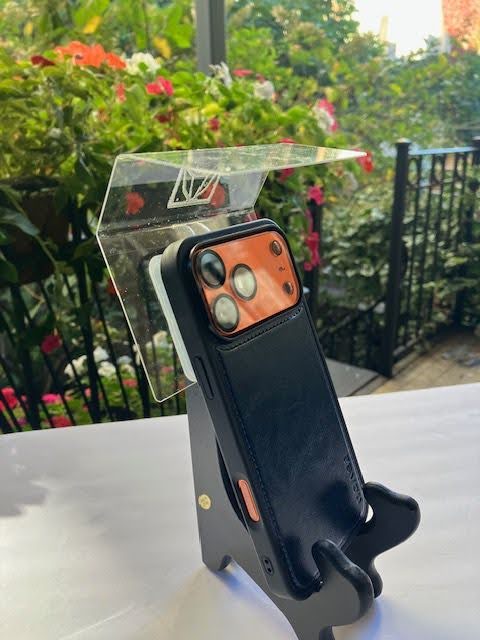
Not every moment during winter adventures calls for a big camera. Some of your most spontaneous shots may be taken with your phone, which is why the Camera Canopy for Mobile is worth having in your winter kit. Designed to protect smartphone lenses without blocking your view, this small plastic shield attaches using suction cups—either vertically or horizontally—depending on your shooting orientation.
The beauty of this mobile version is its simplicity. Winter adventures often involve quick snapshots or video clips, and the one-piece shield helps keep snow off your lenses without adding bulk. The included atomizer helps create optimal adhesion, keeping the suction cups secure even when the temperature drops.
This accessory is especially useful if you’re using your phone as your primary camera. Whether you’re filming friends sledding or capturing a frosty panorama, you won’t have to wipe the lens every few seconds. The Camera Canopy for Mobile keeps your device ready at all times and reduces the risk of moisture interfering with focus or exposure.
Battery and Moisture Management in Freezing Temperatures
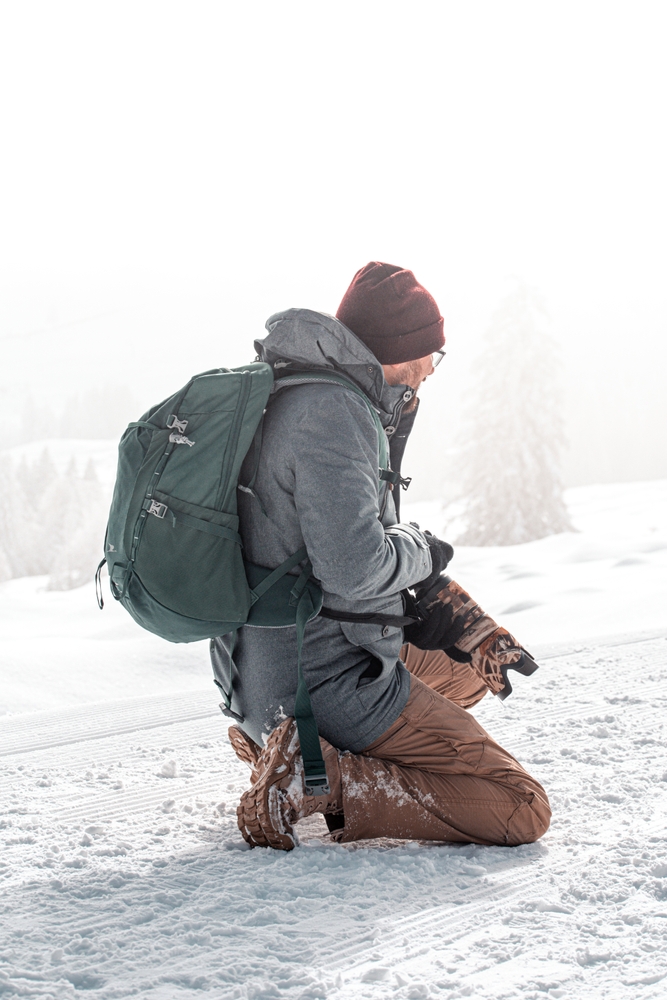
Photo by propix.at via Shutterstock
One of the realities of winter adventures is that batteries drain faster. Always carry extras and keep them close to your body inside an insulated pocket. I’ve had sessions cut short simply because I forgot that one battery wasn’t enough on a day below freezing. Swapping warm batteries into a cold camera instantly restores performance.
Condensation is another threat when moving between cold outdoor air and warm indoor spaces. The best practice is to leave your gear in a sealed bag—like a camera backpack—while it warms slowly. This lets condensation form on the outside of the bag instead of on your lenses or camera components.
Using protective gear like the Camera Canopy also helps with moisture control. By shielding the camera from falling snow, you reduce the risk of water droplets hitting warm surfaces and creating steam or fogging issues. Combined with good lens cloths and thoughtful storage habits, these steps keep your winter adventures running smoothly.
Practical Field Techniques for Photographing Winter Adventures
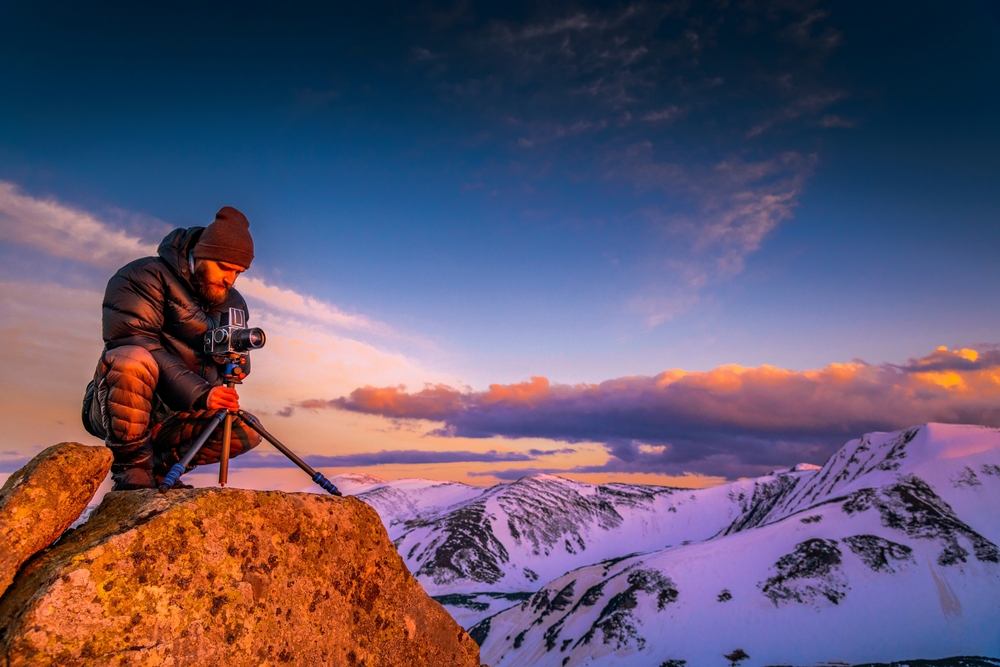
Photo by Gorgany via Shutterstock
When shooting your winter adventures, one of the biggest challenges is balancing exposure. Snow reflects a tremendous amount of light, often tricking your camera into underexposing the scene. Adding positive exposure compensation is usually necessary to keep snow looking white instead of gray. Checking your histogram is essential when light changes quickly.
Another practical consideration is stability. Cold hands, slippery surfaces, and unpredictable wind can all affect your ability to hold the camera steady. Consider bracing your elbows against your body or leaning on a tree or rock for added support. If you’re using a tripod, make sure the legs are firmly planted and not sitting on loose powder that could shift.
Finally, move slowly and observe carefully. Winter adventures offer fleeting moments—ice crystals catching the sun, fresh snow falling through backlight, or wildlife against a bright backdrop. The more time you spend looking, the easier it becomes to anticipate opportunities instead of reacting to them. With practice, you’ll start seeing compositions before you raise the camera.
Staying Safe and Comfortable While Shooting Outside

Photo by CandyRetriever via Shutterstock
Shooting your winter adventures is infinitely more enjoyable when you’re warm and dry. Layering is key: start with a moisture-wicking base, add an insulating mid-layer, and finish with a waterproof outer shell. Waterproof gloves with good dexterity make operating your camera easier, especially when adjusting settings on the fly.
Footwear is critical too. Insulated, waterproof boots keep your feet comfortable and ensure you can focus on photography instead of frozen toes. Consider carrying hand warmers, not just for yourself but also for your batteries. Keeping small comforts accessible can extend your sessions by hours.
Safety matters as well. If your winter adventures involve remote areas, always be aware of changing conditions, carry navigation tools, and let someone know where you’re headed. The best photos come from a relaxed mind, and feeling secure in your environment helps you stay creative and alert.
Bringing It All Together for Better Winter Shoots
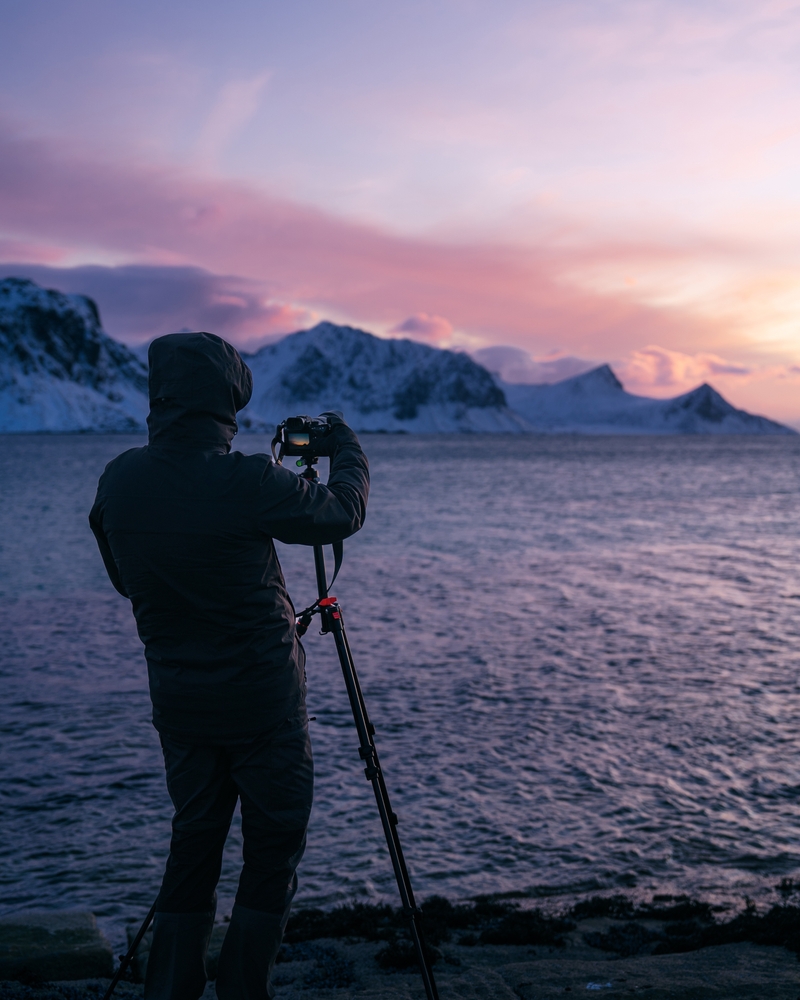
Photo by kasakphoto via Shutterstock
Photographing your winter adventures successfully requires a combination of preparation, protection, and patience. With the right tools—especially the Camera Canopy, Mini Camera Canopy, and Camera Canopy for Mobile—you can face snow, sleet, and wind with confidence. These devices keep your hands free, your lenses clear, and your gear safe so you can focus on capturing the moments that matter most.
Pairing protective gear with smart shooting habits makes a tremendous difference. Managing battery life, monitoring exposure, and staying comfortable all help you enjoy the process instead of rushing through it. Your winter adventures deserve the same care and attention as any other creative pursuit.
Ultimately, the more you embrace the environment and work with the conditions rather than fighting them, the more rewarding your winter adventures will become from a photographic standpoint. With practice and the right gear, winter will feel less like a barrier and more like an opportunity waiting to be captured.
FAQ
How can I protect my camera while shooting winter adventures?
Use weather protection tools like the Camera Canopy, Mini Camera Canopy, or Camera Canopy for Mobile to shield your gear from snow and moisture.
Why do my batteries drain so fast in the cold?
Cold temperatures slow the chemical reactions in batteries. Keep spares warm in an inner pocket and rotate them as needed.
Is it safe to use my smartphone for winter photography?
Yes. With the Camera Canopy for Mobile, you can keep moisture off your lenses and continue shooting confidently in snow and sleet.
How do I prevent lens fog when moving indoors?
Leave your gear sealed in a camera bag while it warms gradually. This prevents condensation from forming on the lens or internal components.
What exposure settings work best for snowy conditions?
Use positive exposure compensation to keep snow bright and adjust settings based on histograms to avoid underexposing the scene.
Our articles might have affiliate links and the occasional sponsored content, but don’t sweat it – if you buy something, we get a little kickback at no extra cost to you, and we only hype products we truly believe in!
Learn More:
- How to Protect Your Phone Camera in Every Shooting Environment
- How to Shoot in Snowstorms: Practical Tips for Beginners
Hero photo by Guitar photographer via Shutterstock

