

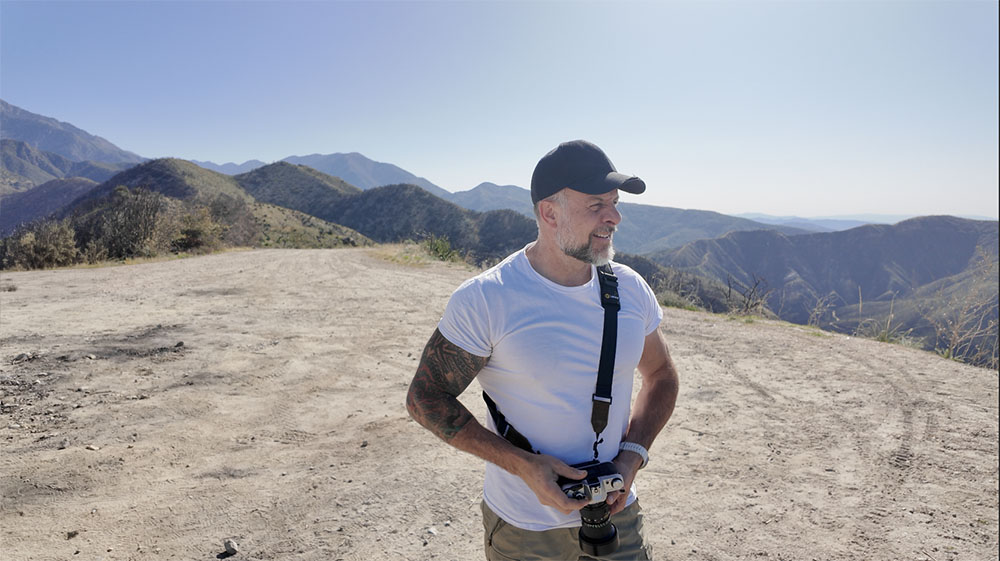
Camera straps are one of those accessories photographers rarely get excited about. Most of us buy one, tolerate it, and eventually replace it without much thought. After years of shooting with different setups, I’ve learned that a strap doesn’t have to be flashy to matter; it just has to get out of the way.
This Lemur Strap review is based on a full month of real-world use. Not studio testing. Not a quick walk around the block. Actual days spent carrying a camera through normal routines, casual shoots, and moments where comfort and speed mattered more than specs.
What follows isn’t a feature dump or sales pitch. It’s an honest look at how the Lemur Strap fits into everyday photography, how it changes the way a camera feels on your body, and why it’s stayed on my camera instead of ending up in a drawer.
Table of Contents
- First Impressions of the Lemur Strap
- The Carry Experience Over Time
- Comfort That Shows Up After Hours
- Moving, Shooting, and Staying Out of the Way
- How the Lemur Strap Affects Shooting Flow
- Who This Strap Makes Sense For
- Living With the Lemur Strap Long Term
- FAQ
First Impressions of the Lemur Strap
The first thing I noticed when putting the Lemur Strap on wasn’t how it looked; it was how quickly it disappeared from my attention. There was no immediate urge to adjust it, shorten it, or reposition the camera. That’s rare for me.
Instead of hanging awkwardly or rotating around my torso, the camera settled flat against my body. It felt intentional, like the strap was designed around movement rather than simply holding weight.
Within the first day, I stopped checking where the camera was resting. That may sound minor, but it’s often the first sign that a strap is working with you instead of against you.
The Carry Experience Over Time
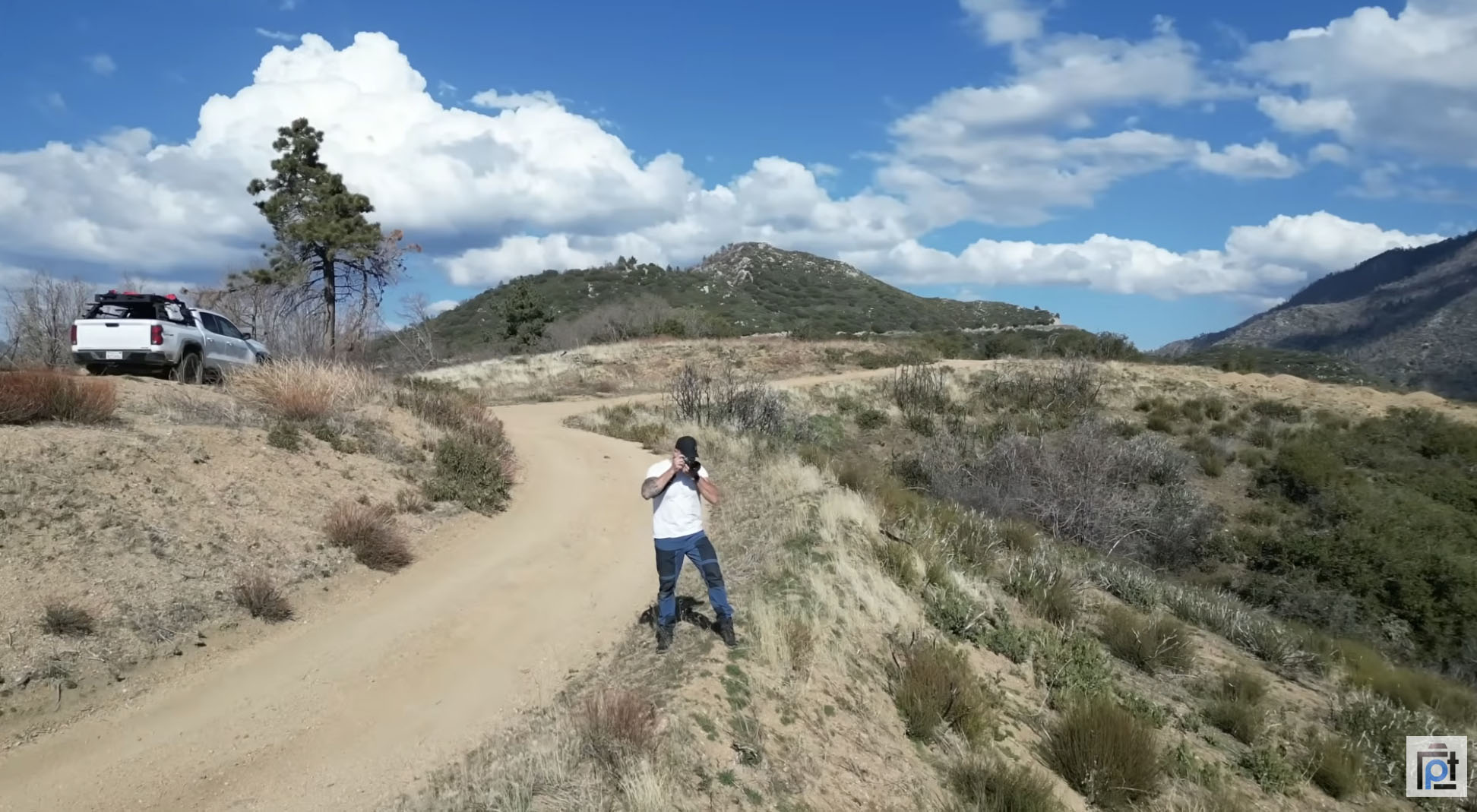
After several weeks, patterns start to emerge. With the Lemur Strap, the biggest pattern was consistency. The camera always rested in the same position, no matter how much walking or stopping I did.
Traditional sling straps often shift forward or backward over time. I didn’t experience that here. The camera stayed close, stable, and predictable, which reduced the mental load of carrying gear.
Over longer walks, I noticed I wasn’t subconsciously guarding the camera with my hand. That sense of trust develops only when the carry system feels secure without being restrictive.
Comfort That Shows Up After Hours
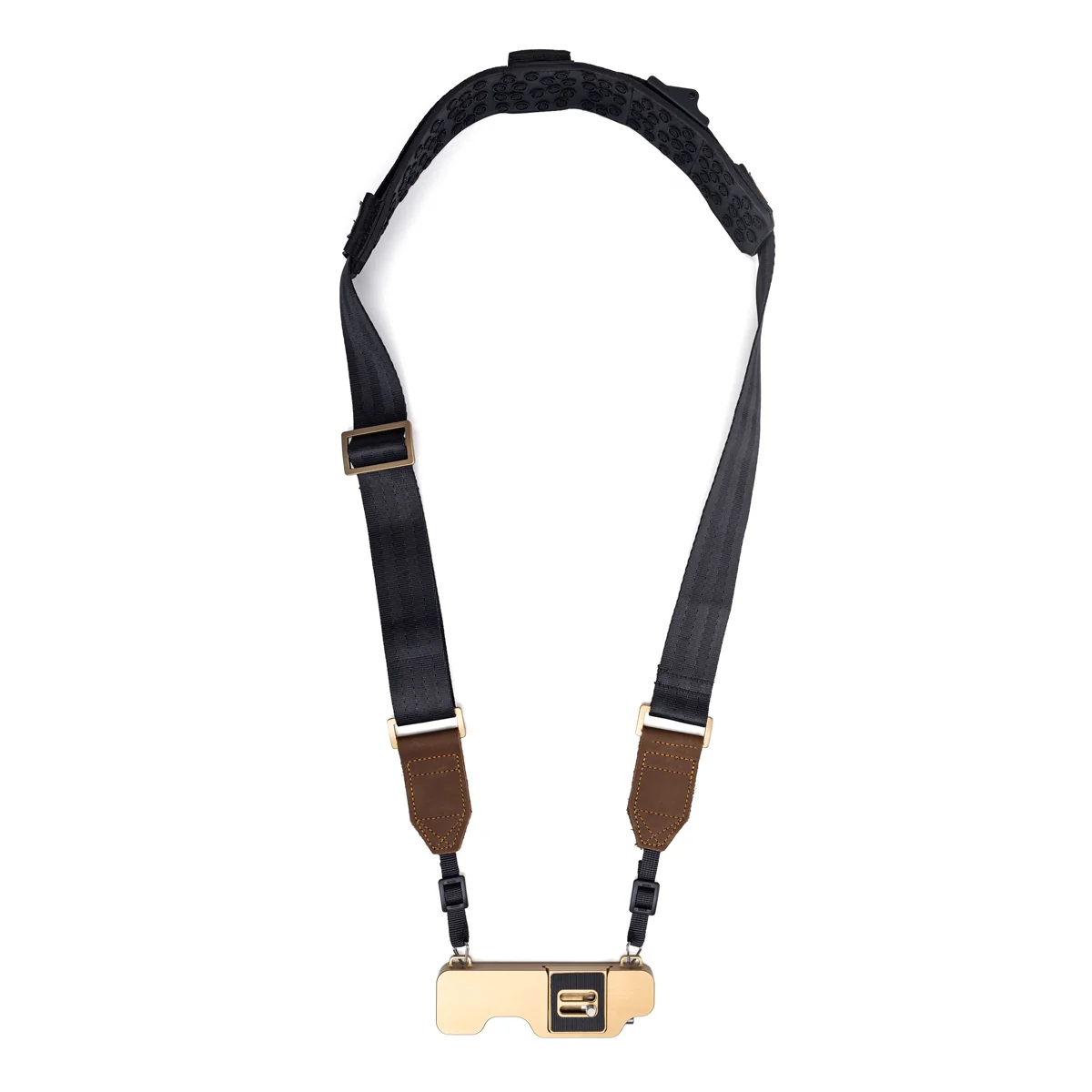
Comfort is hard to judge in short sessions. Where the Lemur Strap proved itself was after hours of wearing it without taking breaks. There were no pressure points or areas that felt sore by the end of the day.
The shoulder pad stayed in place without sliding, and the strap moved smoothly when I raised the camera. That balance between grip and movement made the experience feel natural.
What stood out most was the absence of discomfort. I wasn’t thinking about the strap at all, which is exactly what you want from something you wear for extended periods.
Moving, Shooting, and Staying Out of the Way
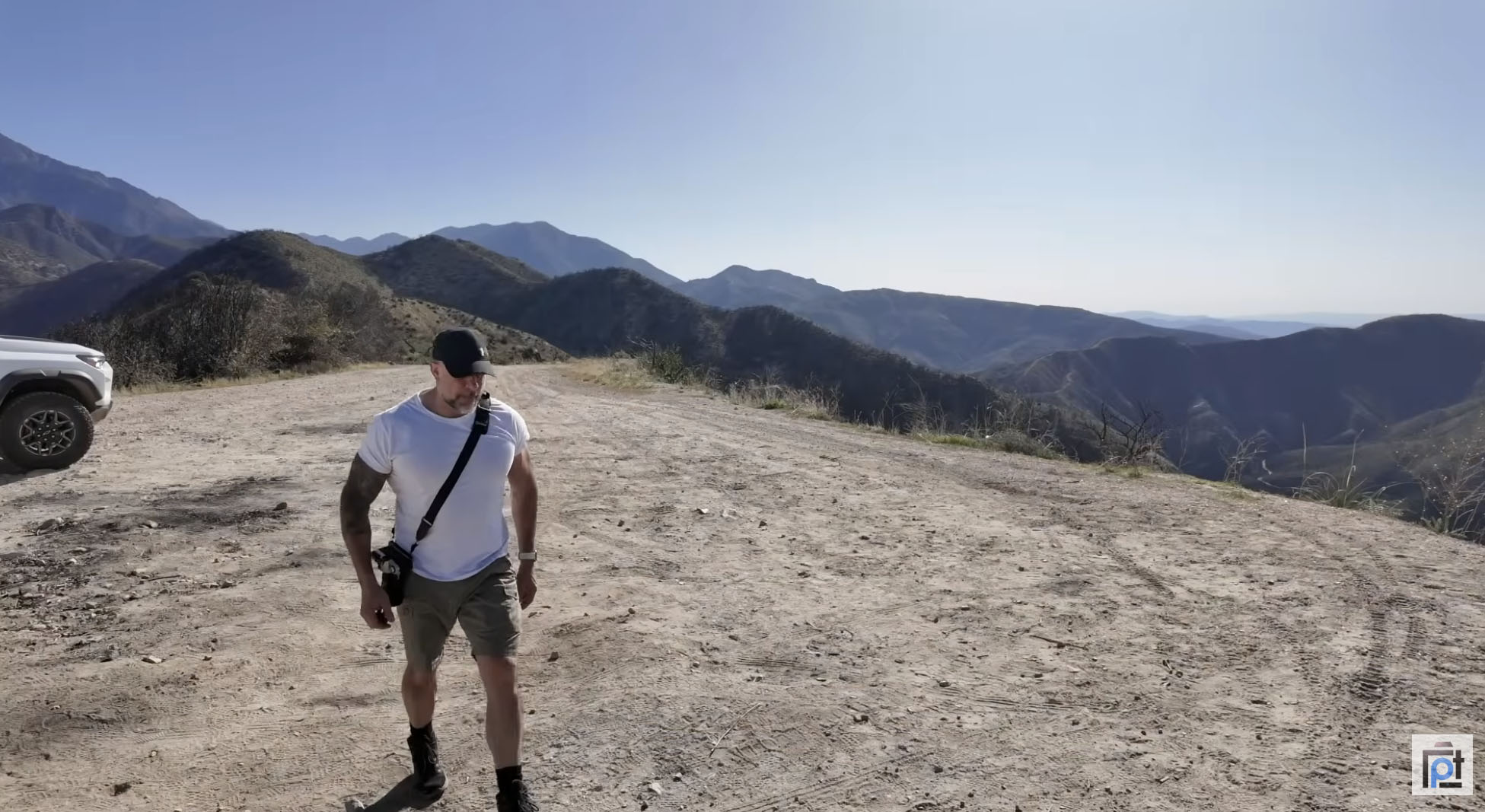
Movement is where many straps fall apart. Walking through tight spaces, bending down, or navigating crowds often turns into a constant adjustment cycle.
With the Lemur Strap, the camera stayed tucked in until I needed it. When it was time to shoot, it came up smoothly without dragging fabric across my shoulder.
The camera never felt like it was swinging or pulling away from my body. That stability made moving with the camera feel calmer and more controlled.
How the Lemur Strap Affects Shooting Flow
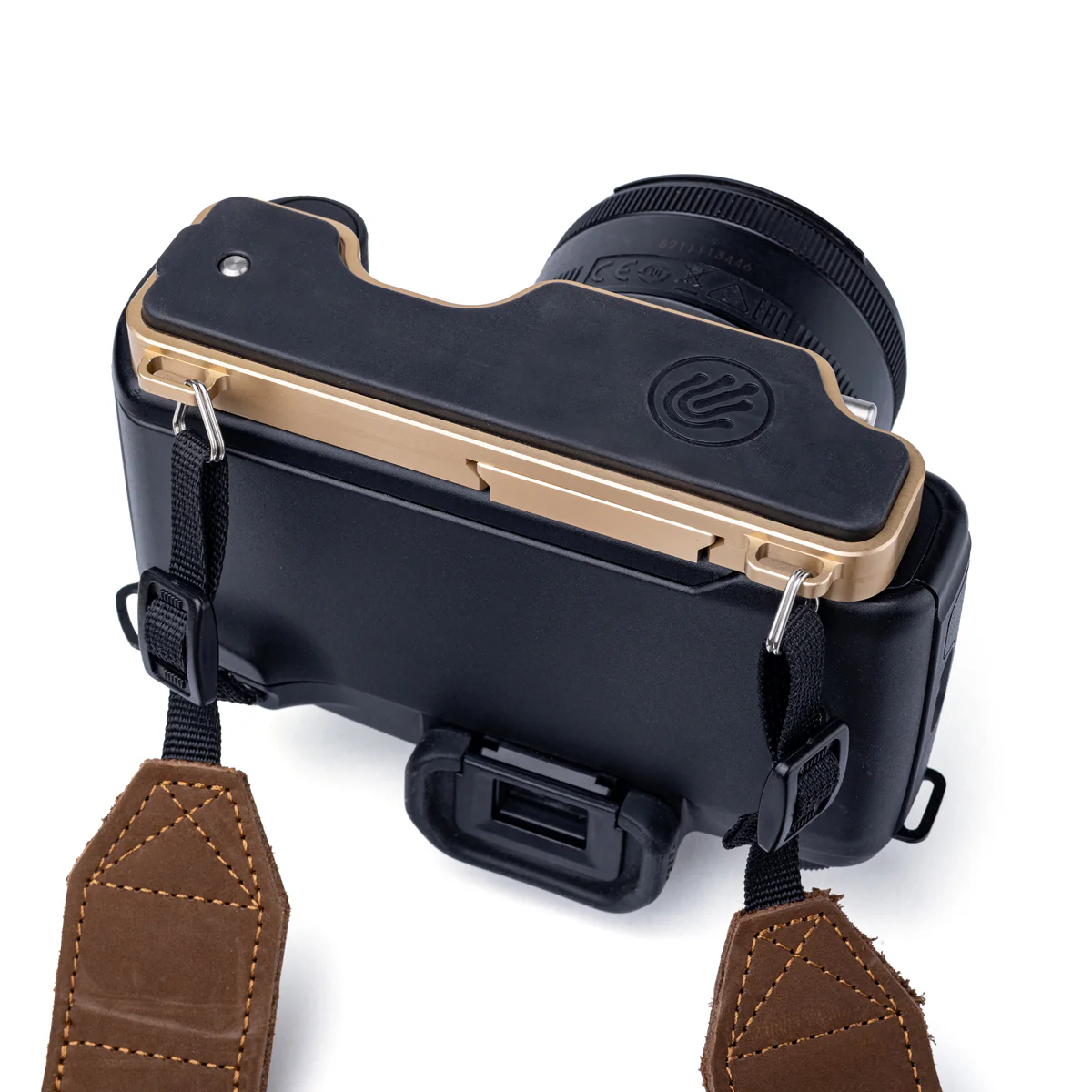
Workflow isn’t something most people associate with straps, but it matters. The Lemur Strap reduced friction between carrying and shooting.
I could lock the camera in place when walking, then access it quickly without changing my posture. That kind of efficiency keeps you focused on composition instead of gear.
Over time, this translated into shooting more naturally. I was less rushed and less distracted, which improved my overall experience.
Who This Strap Makes Sense For
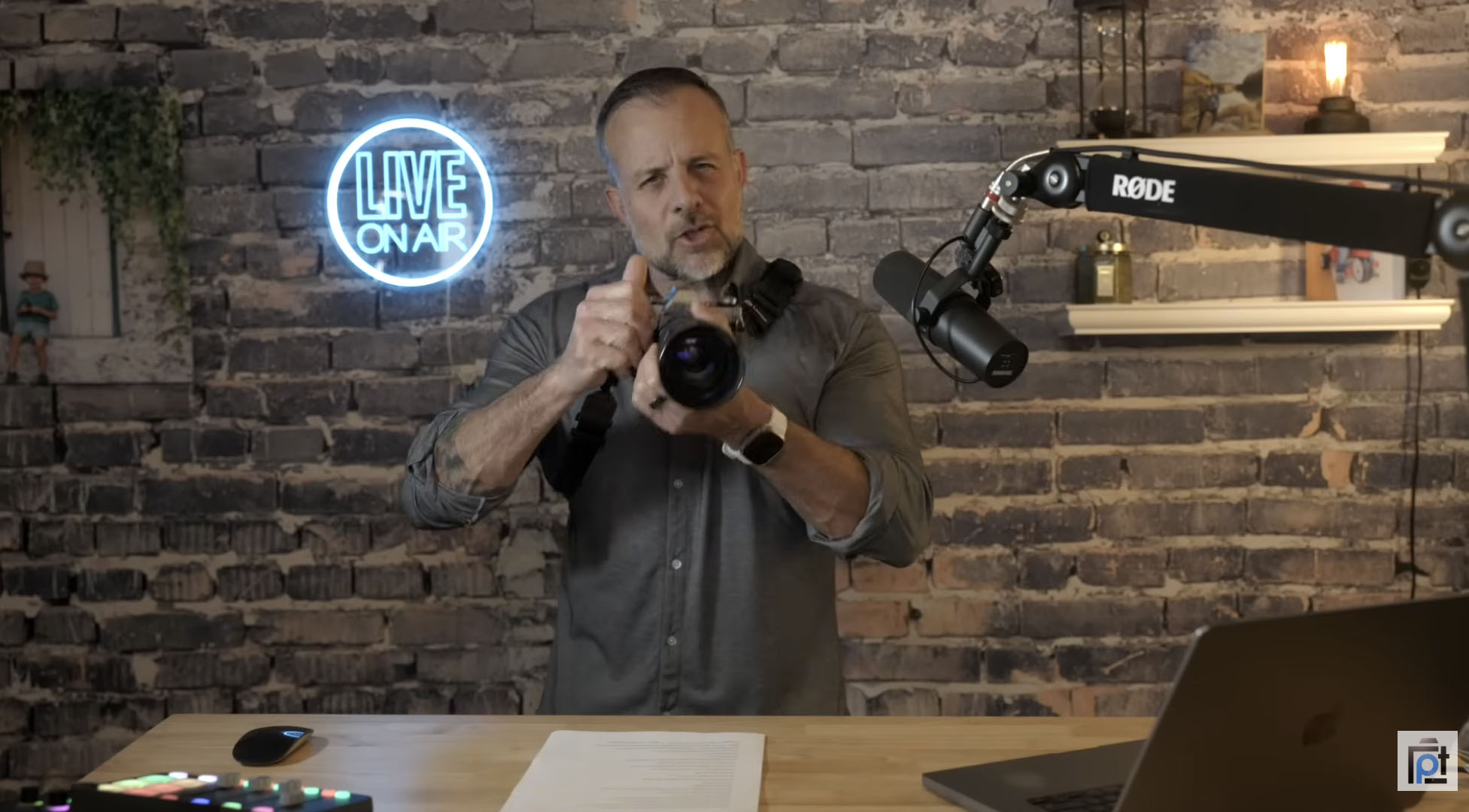
The Lemur Strap isn’t trying to replace every strap for every photographer. It makes the most sense for people who carry their camera for long stretches.
If you shoot events, street photography, or spend full days with a camera on your shoulder, the stability and comfort will matter. It also works well for photographers who move frequently between locations.
If you prefer neck straps or rarely carry your camera for more than a few minutes, the difference may feel subtle rather than dramatic.
Living With the Lemur Strap Long Term
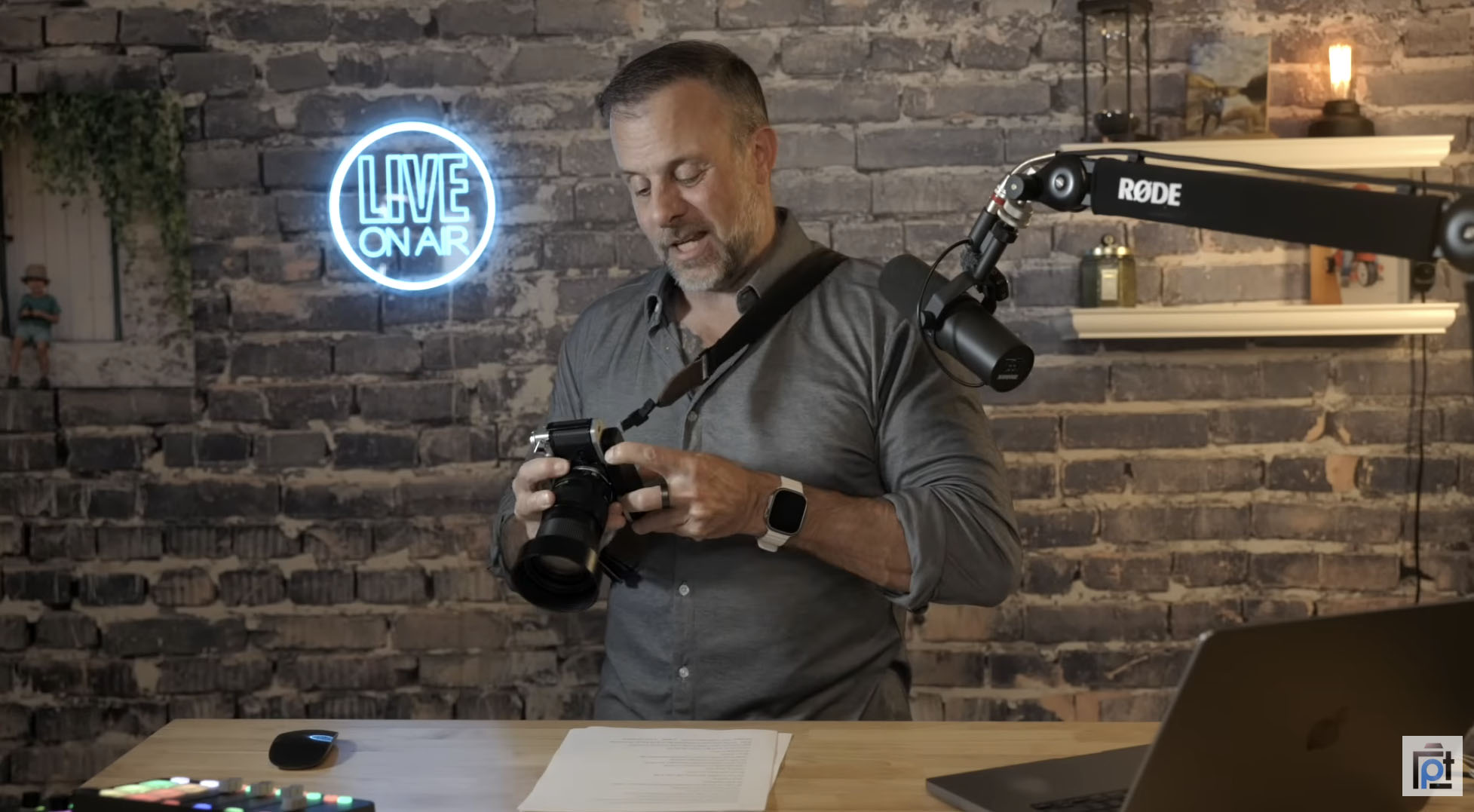
After a month, the biggest compliment I can give the Lemur Strap is that it changed how often I carried my camera. The barrier to bringing it along felt lower.
It became part of my routine rather than a decision. Grab keys, wallet, camera. That kind of ease matters more than any individual feature.
The Lemur Strap didn’t change my photography style, but it made carrying my camera feel simpler and less intrusive, which is exactly what I want from a strap.
FAQ
Is the Lemur Strap comfortable for all-day use?
Yes. Based on extended wear over multiple days, the Lemur Strap remained comfortable without causing shoulder fatigue or pressure points.
Does the camera swing while walking?
No. The design keeps the camera flat against the body, reducing unwanted movement during normal walking and active use.
Can the Lemur Strap be used with different camera brands?
Yes. The system is compatible with major camera brands, making it easy to switch between bodies if needed.
Is the Lemur Strap easy to remove quickly?
Yes. The quick-release design allows the camera to be detached without removing the strap from your shoulder.
Just so you know, some of the cool stuff we mention comes with affiliate links, meaning we earn a commission if you buy (no extra charge to you!). Plus, we occasionally feature sponsored content, but rest assured, we only shout out products we genuinely stand behind.

