

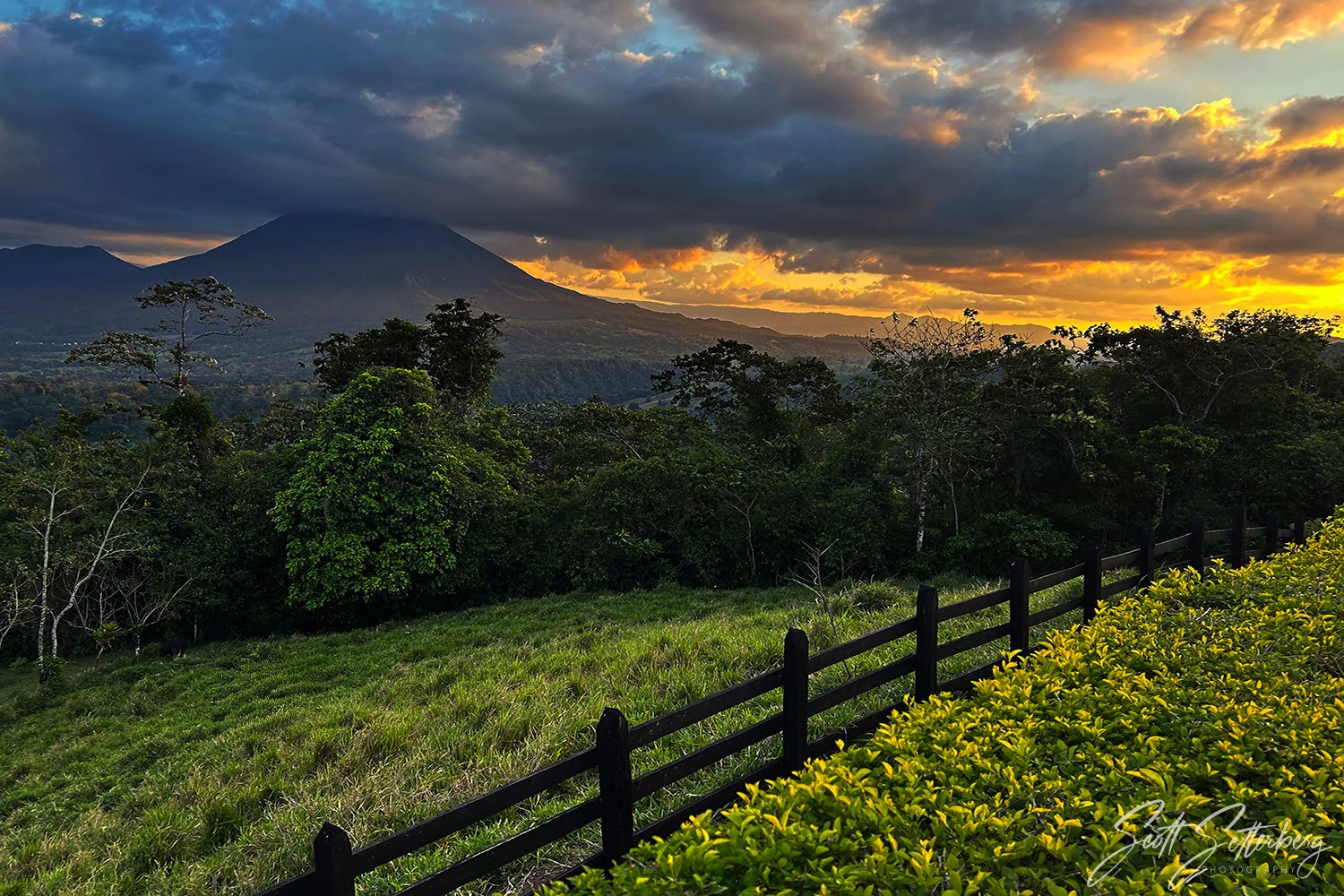
There are few places on Earth that can overwhelm a camera (in the best way possible, that is) like Costa Rica. Forests drip, wings blur past your frame, and light ricochets between glossy leaves and rushing water. The country packs 5% of the world’s species into a landmass smaller than many U.S. states. For photographers, it’s both paradise and puzzle: every scene moves, breathes, or crawls. The creative payoff is immense, but only if you show up with intention, patience, and a plan for handling the conditions.
That’s where structured workshops, especially small-group ones led by people who know the land deeply, make all the difference. When a local nature guide teams up with a seasoned pro photographer, you gain more than access: you gain timing. You get directed toward micro-habitats you’d walk past alone. You learn how to read mist, predict animal movement, and compose scenes that feel alive without feeling chaotic. The upcoming Costa Rica Landscapes Photo Workshop by ColorTexturePhotoTours is a strong example of this approach, combining ecosystem variety, guided subject finding, and daily image reviews that tighten the feedback loop.
Cloud Forest Photography: Conquering Mist, Moody Light & Fast Wildlife
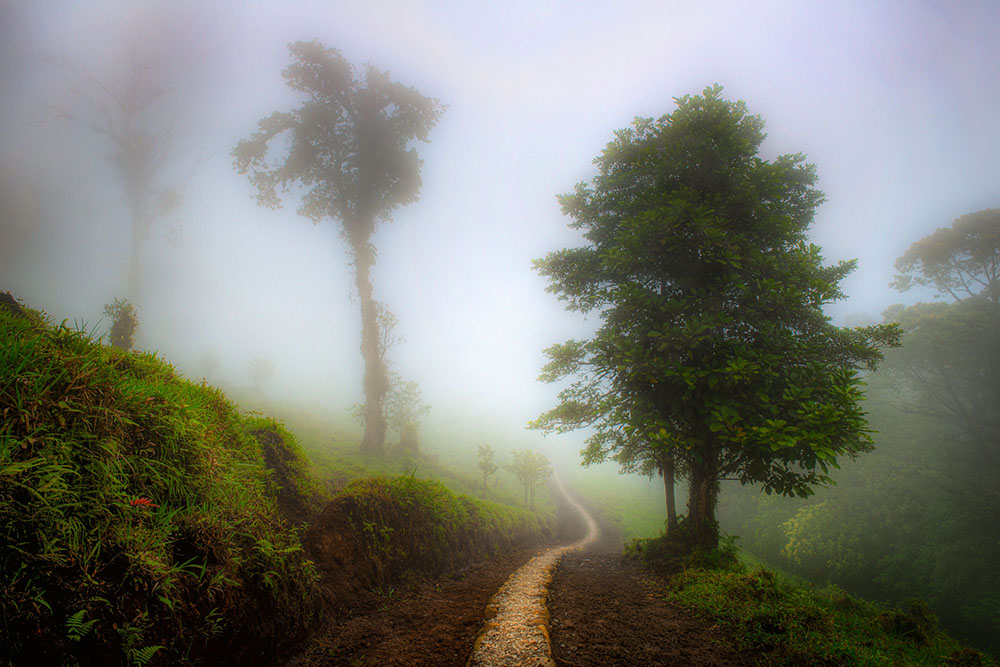
The first time you step into a Costa Rican cloud forest, the air announces itself before the scenery does. Mist beads on eyelashes, backpacks, and front lens elements within minutes. Light is a soft lantern; bright enough to see by, too gentle to create shadows, and constantly shifting as fog thickens and thins. For biodiversity photography, cloud forests are where mood and autofocus collide. Your subjects might be neon-throated birds or butterflies ghosting through white vapor, and the ambient exposure can change by a full stop while you’re lifting your camera.
The trick is accepting that contrast is no longer baked into the scene; you have to defend it. A small positive exposure compensation (+0.3 to +0.7 EV) often keeps whites from turning gray in foggy conditions. Underexpose too much and the mist goes chalky and dead; overexpose and you erase the delicate separation between subject and fog. For biodiversity photography, keep your histogram nudged slightly right without clipping highlights, preserving the milky softness while protecting tonal depth for editing later. If your camera has highlight alerts, trust them more than your LCD preview here. The screen lies generously in the tropics.
Autofocus in mist needs conviction. Continuous AF with subject tracking is essential when hummingbirds and small butterflies cut across the frame like confetti on a breeze. Las Gemelas in Bajos del Toro offers beautifully layered scenes with the potential for birds and butterflies to enter the frame, so you might prioritize higher minimum shutter speeds (1/1000s for winged subjects) even if that means using a higher ISO. Modern sensors can recover noise better than they can recover motion blur. Cloud forests reward a photographer who picks the moment first, the exposure second, and the ISO third. Biodiversity photography thrives when shutter speed sets the floor.
Condensation is the silent villain. Lenses fog from temperature swings when exiting air-conditioned vehicles or rooms. Before stepping out, cradle lenses against your shirt for 30–60 seconds to pre-warm them. Once the glass acclimates, fogging slows dramatically. It’s an unglamorous ritual that saves minutes of missed shots. In mist-heavy zones like Bajos del Toro, biodiversity photography isn’t rushed; it’s choreographed around weather and behavior. Slow down, watch for silhouettes forming through fog, and let subjects resolve themselves into the frame instead of hunting them.
Composing in a cloud forest is about layering with restraint. Foreground elements—ferns, branches, fence posts, grazing cattle, or dripping flowers—become leading characters instead of background noise. I aim to include one strong foreground anchor, one mid-layer subject, and a hazy background that fades gently. This builds depth without clutter. Mist becomes negative space when used intentionally. Costa Rica’s cloud forests are where biodiversity photography leans more poetic, but your settings still need athletic discipline.
White balance trends cooler in mist. Auto WB will chase color too aggressively here, so locking in a Kelvin between 5000–6500K might be best, depending on density, of course. Cooler mist and warm greens are a pleasing tension. If you let AWB swing, you’ll spend more time fixing color later. Biodiversity photography in cloud forests is a negotiation with the atmosphere. Don’t erase the mist; shape it!
Rainforest Rivers & Jungle Waterfalls: Motion, Filters & Composition
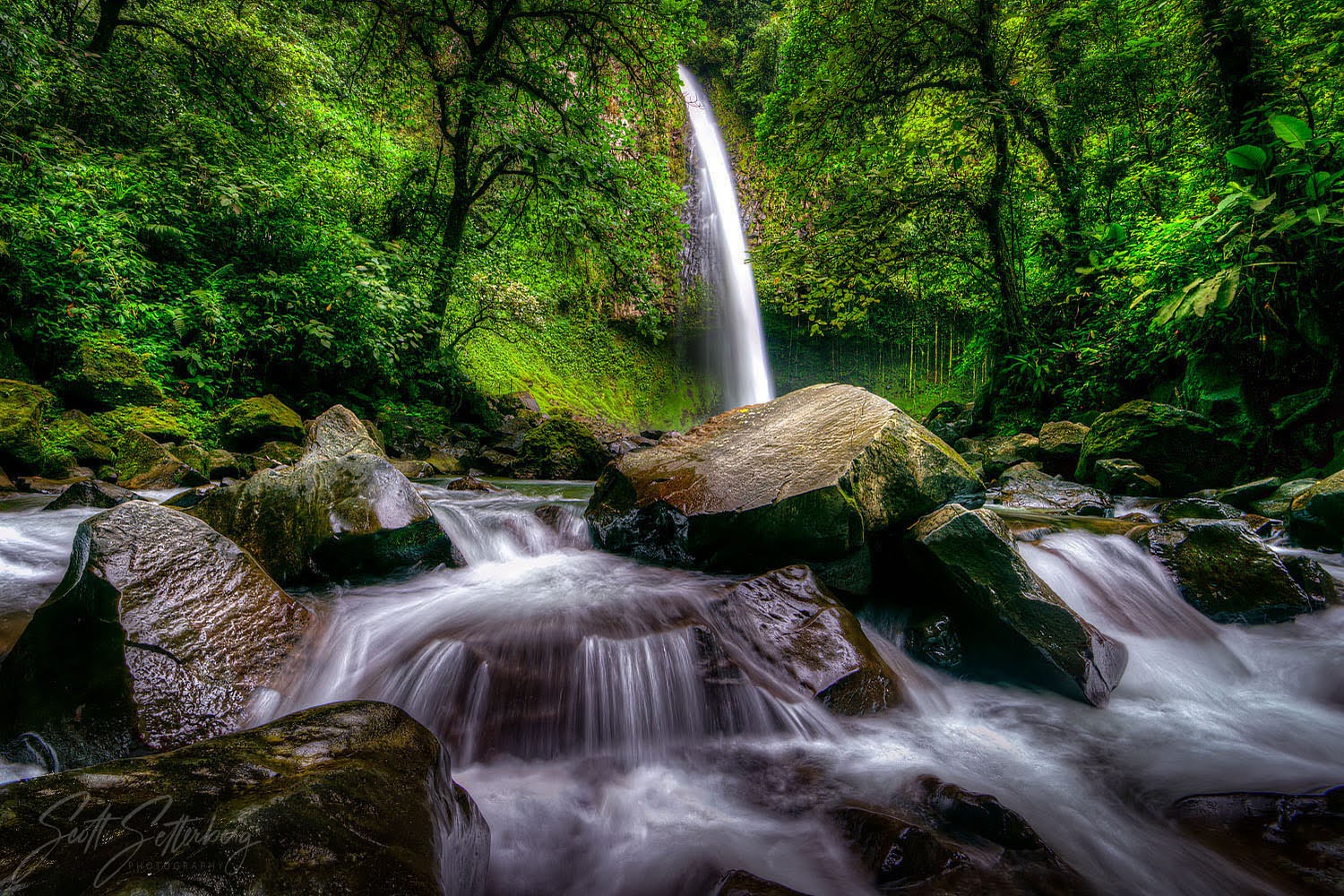
Most photographers approach waterfalls as landscapes. In Costa Rica, waterfalls are ecosystems with drama. Moss breathes beside them, insects orbit them, amphibians claim the edges, and birds patrol the plunge pools. Rainforest rivers and waterfalls are the backbone of biodiversity photography because they reveal habitat, motion, and interdependence in a single frame. But these scenes are optically tricky: dark jungle corners, brilliant white water, mirrored pools, and open sky often coexist in the same composition.
Filters are survival tools here. ND filters tame shutter speed so you can decide how water should feel: glass-smooth and timeless at 1/4s to 2s or muscular and textured around 1/60s to 1/200s. A circular polarizer cuts glare on wet leaves and darkens river stones so color saturates naturally without clipping. When stacked (ND + CPL), exposure becomes deliberate instead of reactive.
Tripod placement is choreography, too. Jungle rivers are lined with rocks, roots, and moss that turn slick instantly. I keep the legs wider than usual, the center column low, and a bag weight hung from the hook for stability in spray. Compositionally, rivers offer serpentine visual language. An S-curve river bend or diagonal current line gives biodiversity photography a narrative spine, pulling viewers through the habitat instead of pinning them to the surface. Rustic bridges and rope railings in Sarapiquí are compositional gifts, frames within the frame that speak to place without needing explanation.
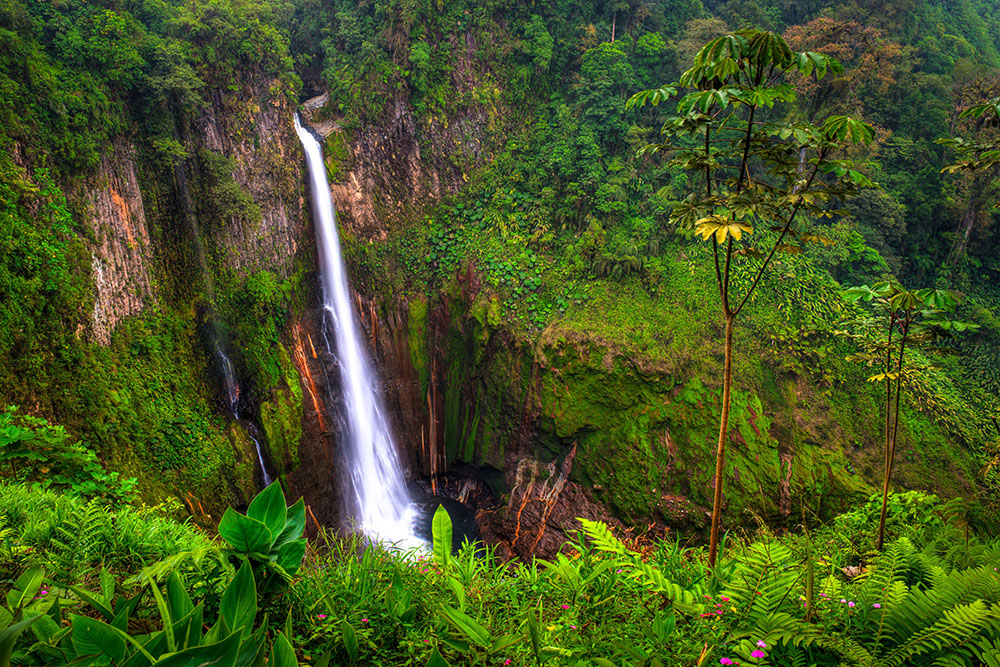
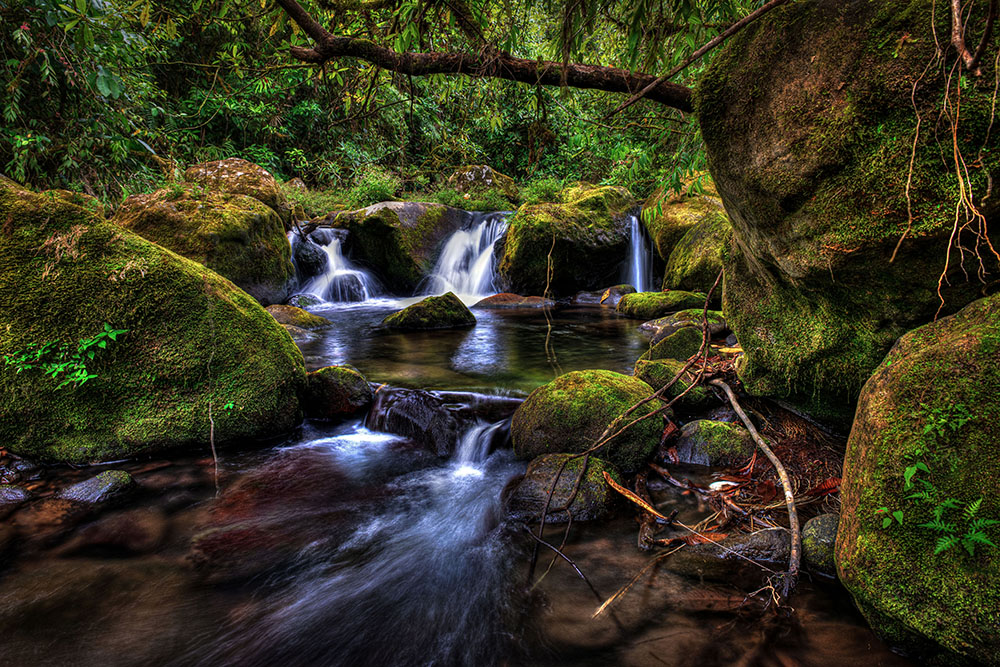
Marsella’s lesser-known cascades are gentle storytellers. For biodiversity photography, quieter falls let you balance wildlife and motion together: a long shutter to soften water, a mid-range focal length (24–70mm or 24–100mm) to include the environment, and a focused mid-layer subject like orchids or perched birds to give the image a pulse. Bajos del Toro’s 300-foot crater plunge is different: power first, detail second. Here, you can bracket exposures and prioritize highlight control to preserve the white waterfall against a black-green jungle wall. Mineral scarring on the crater rocks adds volcanic history to the palette, too: greens, ochres, and rust tones that need careful exposure protection so they stay rich later.
Waterfall sound can be photographed if you commit to shutter intent. I treat exposure time like a volume knob: longer to whisper, shorter to roar. Both are honest if chosen intentionally. Biodiversity photography around water isn’t just about blur; it’s about translating motion and moisture into visual rhythm.
Lunch breaks are field resets. In humid environments, batteries drain faster, and lens cloths become currency. After each major river or waterfall session, I wipe down the glass, extend the tripod legs to dry, and let the gear breathe. The ritual protects both equipment and keeper rate. This kind of quiet discipline supports biodiversity photography without pulling attention from the fun of shooting.
Macro Wildlife Mastery: Frogs, Butterflies & Miniature Worlds
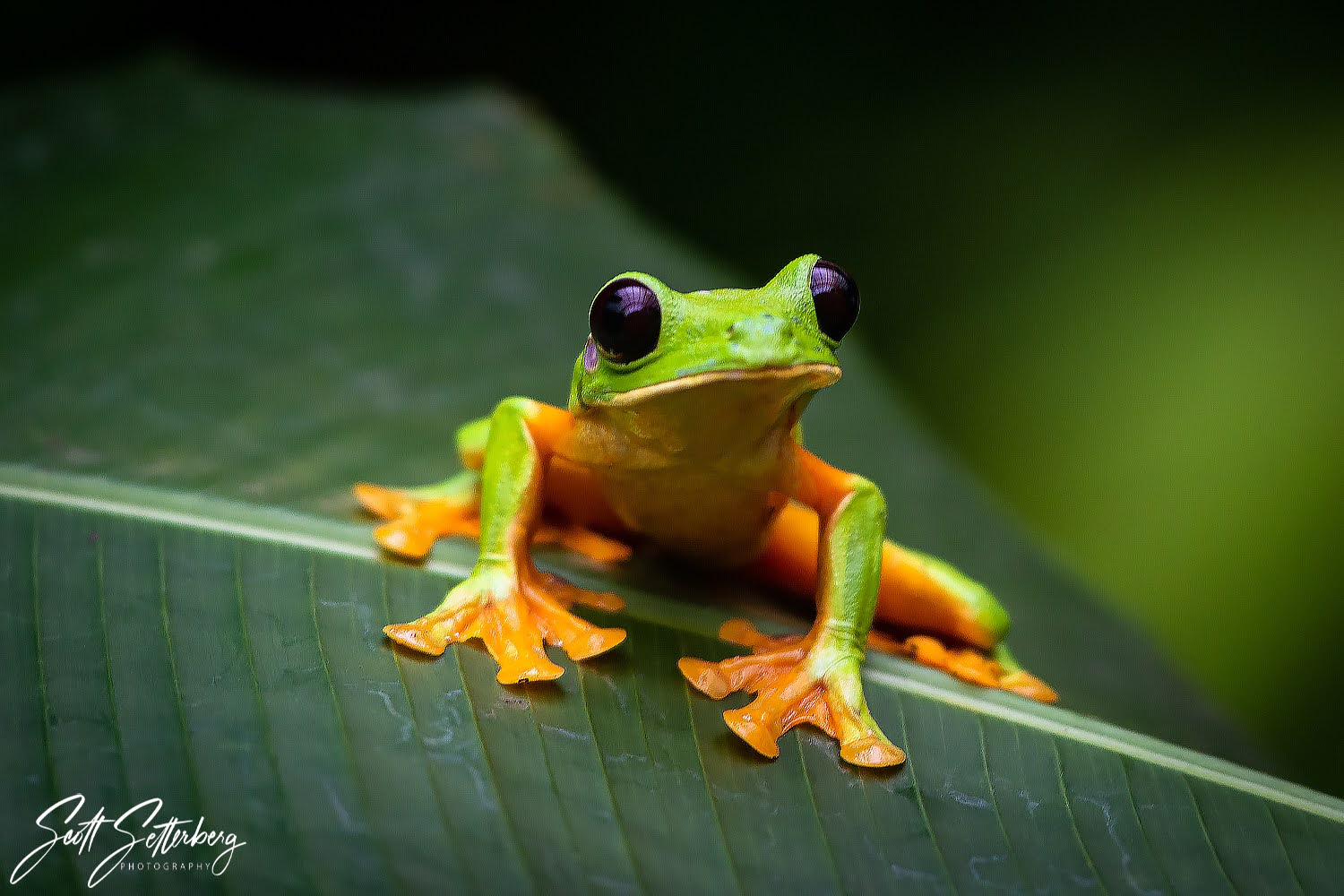
Macro is where Costa Rica stops being overwhelming and starts being intimate. Biodiversity photography depends on macro because so much of the country’s biological character lives in tiny subjects: poison dart frogs like enamel droplets, morpho butterflies that flash electric blue, leaf insects that feel engineered, and dew-coated flora that looks lacquered. But macro in the tropics comes with environmental hurdles: wind moves leaves like pendulums, humidity dampens focusing rings, and subjects often sit on glossy surfaces that reflect light unpredictably.
Stability beats magnification. For handheld biodiversity photography, I keep shutter speeds above 1/250s minimum for static subjects, 1/500s–1/800s for skittish frogs or butterflies, and add flash only when necessary, diffused heavily with a soft dome or DIY diffusion (a white film canister or folded milk-jug plastic gaffer-taped to the flash head). Harsh flash destroys habitat instantly; soft flash looks like ambient truth nudged forward.
Focus stacking in the field is essential for biodiversity photography. Costa Rica’s subjects sit in layers—frog eyes, leaf veins, water droplets, and flower anthers may all demand sharpness at once. In this instance, try 3–7 micro focus shifts per subject, then merge in post.
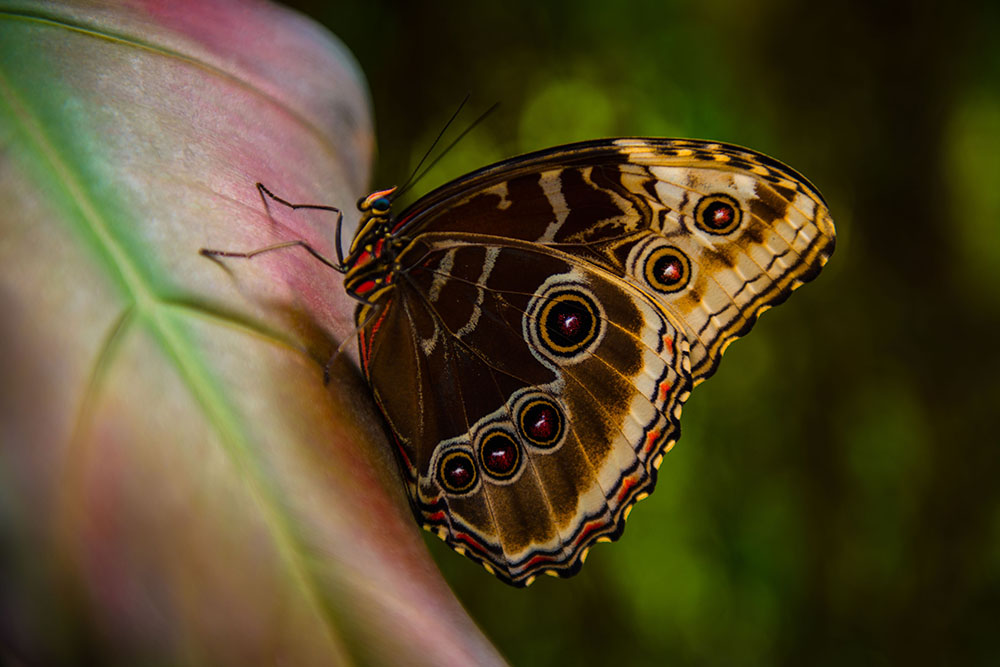
Color strategy matters more in macro biodiversity photography than in almost any other genre. The tropics lean green. Your subject should not. Look for complementary tension: red frogs against emerald leaves, blue morpho wings against shadowed jungle, yellow orchids against mossy rock. When I edit, I selectively compress the green channel to keep backgrounds from dominating the subject, preserving the emotional hierarchy without altering environmental honesty.
Photographing Slow Icons in Fast Environments: Sloths, Birds & Monkeys
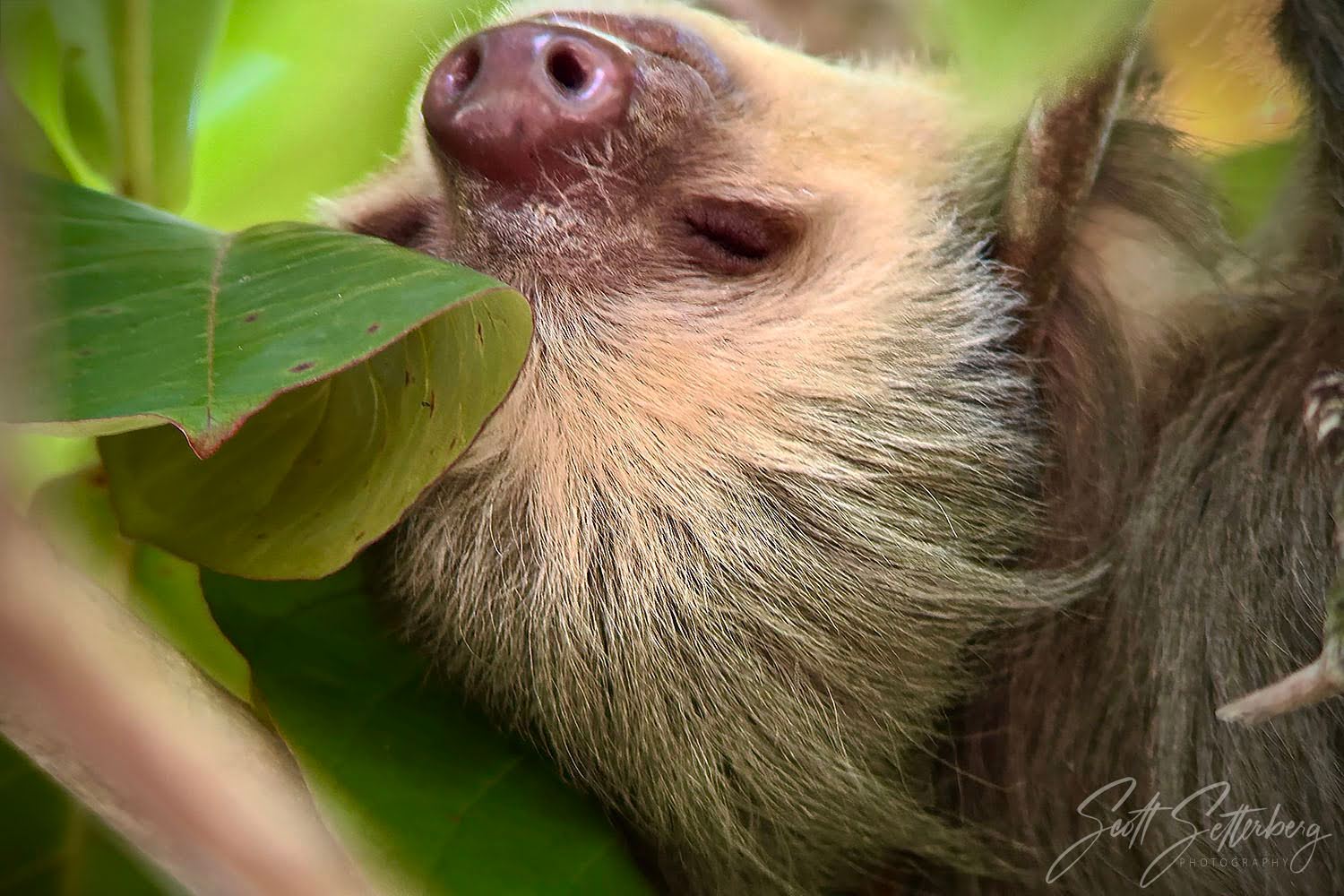
Some wildlife moves like wind; some moves like history. Costa Rica gives you both, often in the same hour. Sloths blink slower than your shutter, toucans hop like marionettes through branches, and howler monkeys patrol canopy edges like silhouetted philosophers. Biodiversity photography succeeds when you treat slow icons differently than fast subjects, while still preserving environmental context.
Frame cleaning is the first skill. Busy jungle backgrounds bury slow subjects instantly. For biodiversity photography, try photographing sloths with compressed focal lengths (85–200mm), wide enough apertures (f/2.8–f/4.5) for soft bokeh, and slight repositioning on my feet to align the subject against darker, calmer jungle patches. The goal is isolation without erasing habitat.
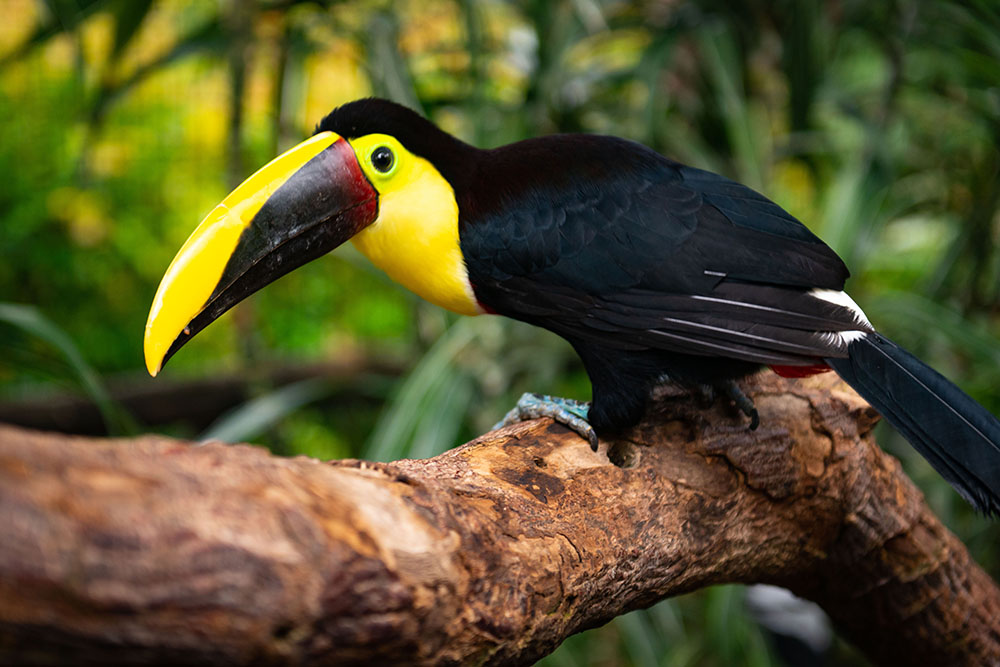
Birds need a different minimum shutter floor. For biodiversity photography, perched birds can hold 1/250s–1/500s depending on focal length, but winged subjects demand 1/1000s–1/2000s minimum. I lean on subject tracking AF, custom focus limiters on longer lenses, and back-button AF to prevent refocusing on foreground leaves when a toucan or tanager pops into the frame. Jungle is a focus magnet; tracking keeps the subject prioritized.
Monkeys are episodic subjects. They move in bursts, then pause to observe you back. For biodiversity photography, anticipate pauses: pre-focus on likely perches, meter for canopy shadows, and be ready to bracket if sky edges creep into the frame. Behavior shots beat species catalog shots every time. A howler mid-call, a sloth reaching, a butterfly landing on a monkey-shifted leaf—these are biodiversity photography moments that carry environment and behavior in one breath.
Slow icons are visual punctuation in a fast environment. Give them space. Let the jungle move around them while they hold the viewer’s eye. Biodiversity photography is strongest when the subject feels observed, not hunted.
HDR & Exposure Blending for Extreme Dynamic Range Scenes
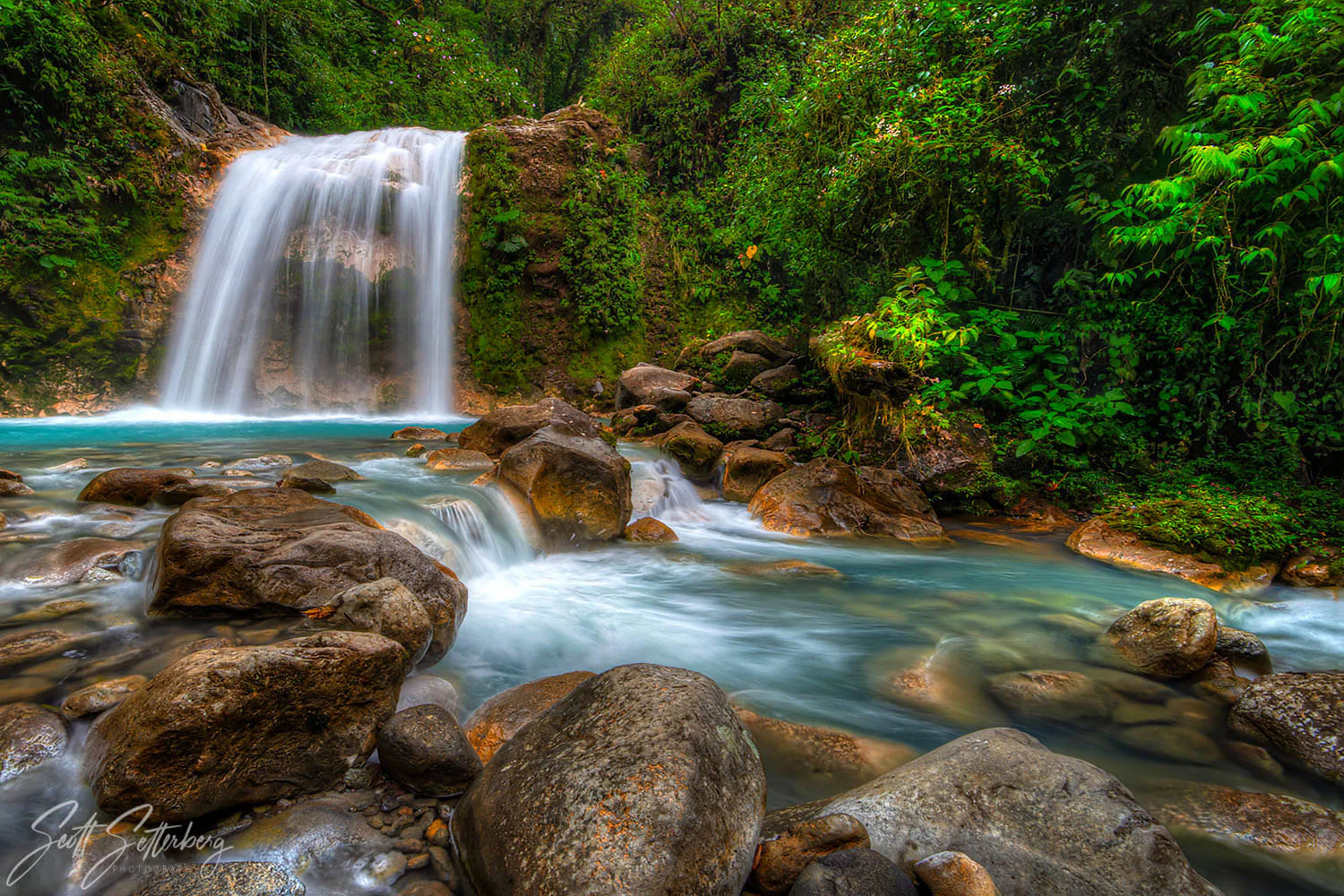
The tropics are contrast machines even when mist tries to soften them. Biodiversity photography often lives in extreme tonal intersections: black jungle recesses, mirrored lakes, brilliant skies, and glowing species. HDR (or exposure blending) is not a stylistic add-on here; it’s often the only honest way to hold the scene’s full range.
You might bracket 3–5 exposures for scenes combining sky + dark canopy + white water or reflective pools. Handheld bracketing works if you brace your elbows against your ribs and stabilize your breathing. Tripod bracketing is ideal near waterfalls, but watch for ghosting: moving leaves, flying birds, or water ripples can confuse merges. For biodiversity photography, merge only the stable sections and manually blend motion areas if needed.
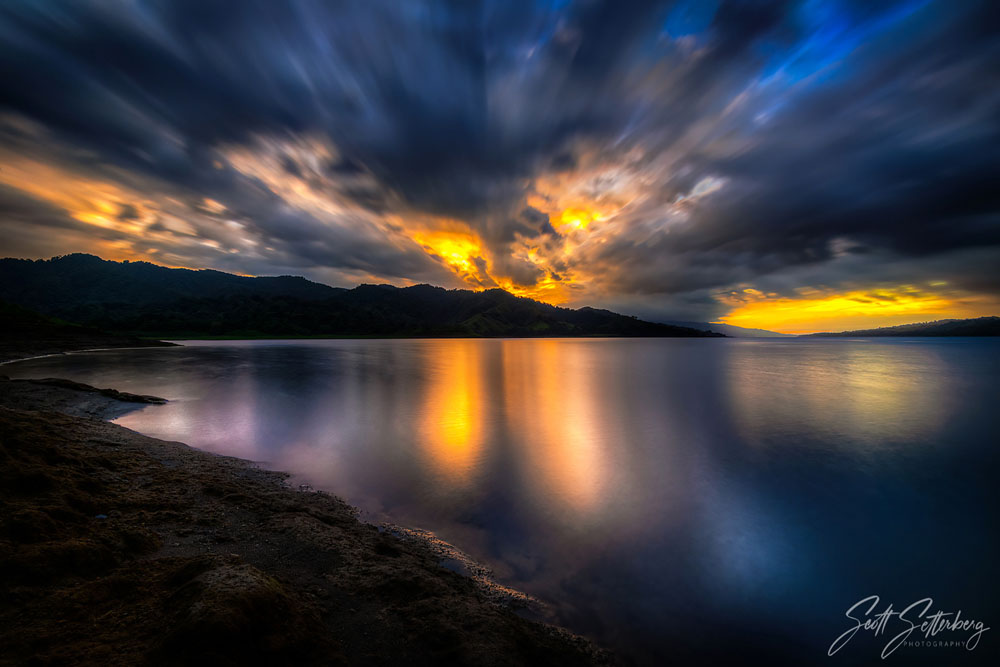
Lagoon sunsets with Volcano Congo in the distance are HDR biodiversity photography case studies: dark volcanic silhouettes, pastel skies, reflective water, and wildlife edges along the lagoon. Protect highlights in the sky and waterfall, shadows in jungle folds, and mid-tone color transitions on crater rocks. Blending gives you control without altering environmental truth.
Use HDR selectively. Not every biodiversity photography scene needs it. Macro and telephoto wildlife usually don’t. Water + sky + canopy often does. HDR should feel invisible when done well—like the scene had time to sit still for you.
Why Local Expertise Changes Everything in Biodiversity Photography
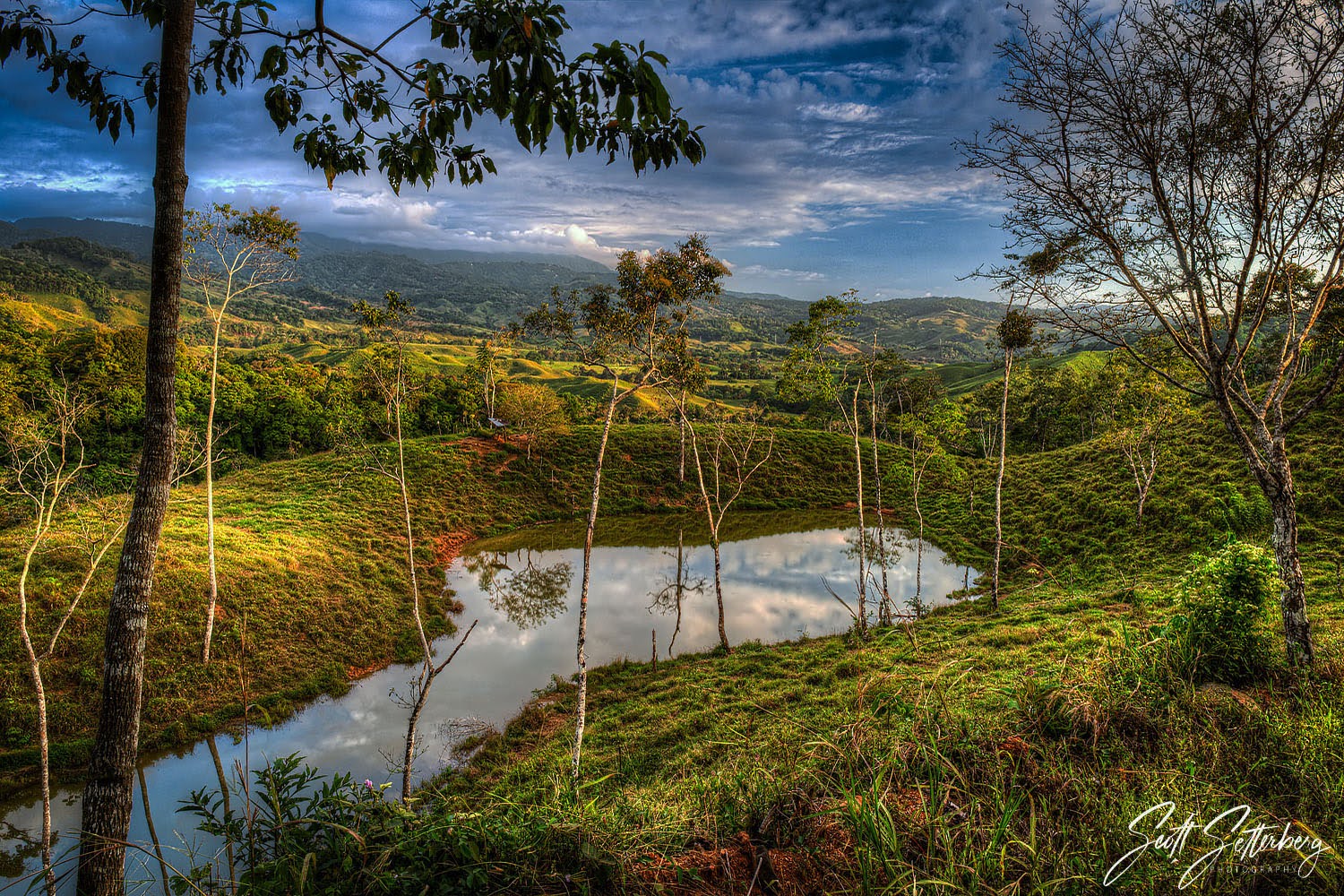
Biodiversity photography is not guesswork when you’re guided by someone who knows the ecosystems like a weather map. Local experts read animal timing, habitat edges, mist density, seasonal color, and private access routes that never appear on tourist radar.
Professional nature guides shorten subject-finding time dramatically. Photography instructors like Scott Setterberg with ColorTexturePhotoTours tighten your technique while the guide tightens your timing. This tandem elevates biodiversity photography without fanfare.
Hidden locations like Marsella cascades, private frog farms, and crater plunge gardens become visual classrooms instead of scavenger hunts. Biodiversity photography becomes more satisfying when you’re no longer surprised by the conditions. The kind of local expertise a professionally-guided tour provides gives you timing. Timing gives you keepers!
Field Notes & Lasting Habits for Biodiversity Photography
Here are a few additional tips for building good long-term habits for biodiversity photography:
- Keep the shutter speed as your baseline in cloud forest and rainforest wildlife sessions. Let ISO rise when needed. Motion blur should be chosen, not suffered.
- Defend contrast in mist, stack exposures near waterfalls, and edit selectively instead of globally. Biodiversity photography thrives when the atmosphere is shaped, not erased.
- Carry lens cloths like second lenses, silica packs like currency, and patience like a passport. Tropical ecosystems reward repetition!
- Biodiversity photography is ecosystem storytelling. Capture behavior, habitat, and motion together whenever possible.
- More keepers come from slowing down than from speeding up!
Making the Most of Biodiversity Photography in Costa Rica
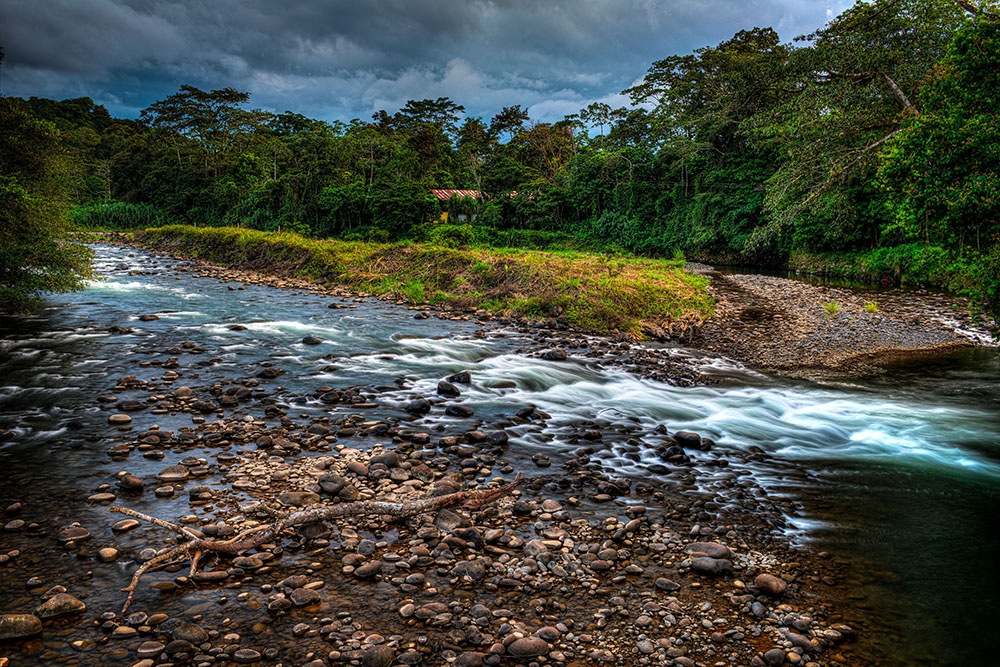
Every rainforest, river, and cloud-draped pasture in Costa Rica carries its own tempo. When you show up prepared, biodiversity photography shifts from reacting to motion, weather, and jungle density to shaping it. Guided experiences like the Costa Rica Landscapes Photo Workshop from ColorTexturePhotoTours put that transformation on a faster track: local expertise, small-group pacing, image reviews, and 1:1 editing sessions create a loop that improves both field confidence and creative decision-making.
Some trips give you pictures. Others give you reflexes. Costa Rica gives you both if you treat ecosystems as stories, shutter speed as structure, and preparation as part of the creative process.
The jungle will always move. The mist will always roll. The frogs will always blink slowly while wings blur past them. The question is not whether Costa Rica will give you moments to photograph; it’s whether you’re ready to hold them when they appear. With the right habits, biodiversity photography here becomes less like solving a puzzle and more like following a current—one that carries you into richer frames with fewer missed beats.
FAQ
What is biodiversity photography?
Biodiversity photography is the practice of capturing species and ecosystems together, showing wildlife, flora, behavior, and environmental context in a single visual story.
Do I need a weather-sealed camera in Costa Rica?
It helps, but even sealed gear needs lens cloths, silica packs, and airflow discipline for biodiversity photography in humid, misty, and spray-heavy environments.
What shutter speed should I use for hummingbirds?
At least 1/1000s. Faster (1/1600s–1/2000s) is safer for biodiversity photography when wings and jungle motion overlap.
Should I bracket exposures for macro subjects?
Usually no. Bracketing is best for waterfalls, rivers, and sky + canopy scenes in biodiversity photography. Macro benefits more from focus stacking than HDR.
How do I prevent lens fog when exiting AC?
Pre-warm lenses against your shirt for 30–60 seconds before stepping out. This reduces fogging and protects your biodiversity photography timing.
Is Costa Rica good for photographers of all levels?
Yes, if you approach biodiversity photography with shutter intent, composition restraint, and realistic expectations for weather, movement, and pace.
Friendly disclaimer: Our articles may contain affiliate links that support us without costing you more, and sometimes we spice things up with sponsored content—but only for products we truly stand behind!

