


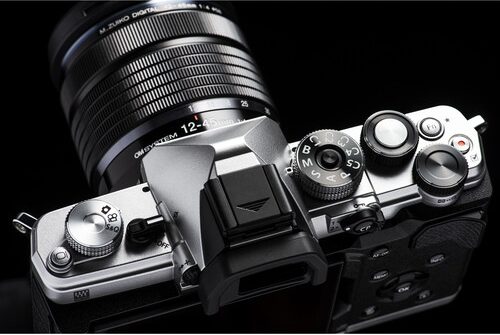
Choosing a camera feels harder than ever. Specs look similar across brands, marketing sounds the same, and every release claims pro results. What matters more is not the hype. What matters is fit. The right camera for your work style beats the most expensive camera every time.
This OM System OM-3 buying guide takes a practical approach. Instead of repeating spec sheets, this guide matches features to real users. Different creators need different tools. A travel shooter needs something different than a studio portrait pro. A wildlife photographer values speed and reach over sheer megapixels.
You will get straight answers here. I’ll walk you through who gets the most value from the OM System OM-3 and who faces friction. You will also see where buying used gear through an online platform like MPB makes sense for budget and flexibility. By the end, you should know where you stand and what to do next!
Table of Contents
- OM System OM-3 Buying Guide for Travel and Street Photographers
- OM System OM-3 Buying Guide for Wildlife and Action Shooters
- OM System OM-3 Buying Guide for Hybrid Photo and Video Creators
- OM System OM-3 Buying Guide for Feature Focused Enthusiasts
- Who Should Skip It: Studio and High Resolution Shooters
- Who Should Skip It: Users Who Want Simple Operation
- Making a Smart Purchase Choice With MPB
- FAQ
OM System OM-3 Buying Guide for Travel and Street Photographers

Travel and street photographers sit near the top of the ideal user list. The OM System OM-3 favors mobility, durability, and fast response. When you walk all day with a camera, weight and size shape your results. Smaller kits lead to more consistent shooting.
You get weather sealing, strong in-body stabilization, and a compact footprint. That combination supports work in changing light and rough conditions. Street scenes also reward quiet operation and wide autofocus coverage. Fast subject acquisition matters more than massive file sizes.
The Micro Four Thirds lens lineup strengthens the case. Many lenses stay small and sharp. A full travel kit fits into a modest bag. That lowers friction and increases the odds you carry your camera everywhere.
OM System OM-3 Buying Guide for Wildlife and Action Shooters
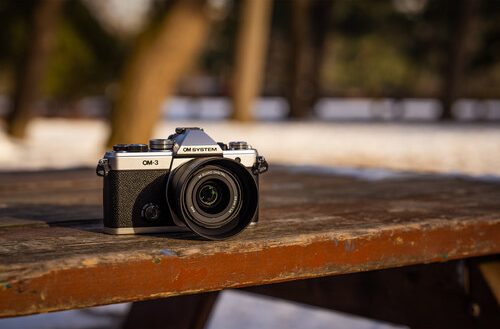
Action and wildlife photographers usually place speed at the top of the priority list. The OM System OM-3 supports that need with fast burst rates, deep buffers, and advanced subject detection. When timing decides whether a shot works or fails, camera response matters more than extra megapixels.
Reach also plays a big role in this kind of work. The smaller sensor creates a tighter field of view with telephoto lenses, which helps fill the frame with distant subjects. You get that added reach without carrying oversized glass, which makes long days in the field easier to manage.
There is also a practical advantage in the pre-shutter capture mode. The camera records frames just before you fully press the shutter. That buffer reduces the impact of human reaction delay and often saves the key moment in fast, unpredictable scenes.
Wildlife and action kits often include expensive long lenses and specialty bodies. Many photographers lower costs by buying used gear through MPB. Detailed grading, inspection notes, and warranty coverage help remove guesswork when investing in longer glass.
OM System OM-3 Buying Guide for Hybrid Photo and Video Creators
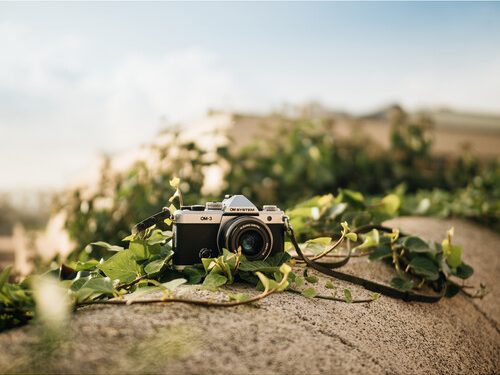
Hybrid creators need one tool that handles both stills and motion work. The OM System OM-3 fits that role well. It records detailed 4K video, supports flat and log profiles, and includes both headphone and microphone ports.
The camera’s in-body stabilization helps handheld video stay usable, too. That reduces dependence on gimbals for many projects. Built-in ND-style tools and computational features also reduce extra gear needs.
Outdoor video work for hybrid creators benefits from the OM-3’s weather resistance and compact size. Furthermore, documentary shooters and travel creators gain flexibility from that design.
OM System OM-3 Buying Guide for Feature Focused Enthusiasts
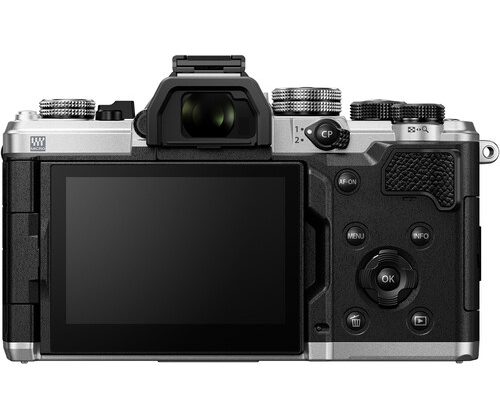
Feature-driven enthusiasts who enjoy deep control also match well here. This camera includes advanced autofocus options, custom modes, and computational photography tools. Users who like dialing in settings will enjoy the flexibility.
Functions such as Live ND, in-camera focus stacking, and graduated filter simulation expand creative options without extra software. Landscape and macro shooters gain real workflow benefits from that.
The menu system runs deep and supports detailed customization. Custom labeled modes help store complex setups for fast recall in the field. These are benefits that any photographer can utilize on a daily basis to streamline their workflow.
Who Should Skip It: Studio and High Resolution Shooters
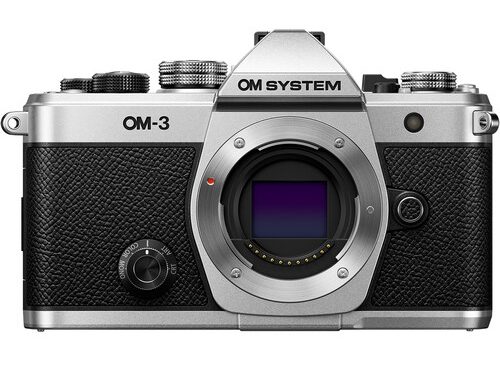
Some users will find better alignment elsewhere. Studio and resolution-driven commercial photographers often need higher megapixel sensors and dual card slots. The OM System OM-3 targets speed and portability instead.
Large print and heavy crop workflows benefit from bigger sensors and higher pixel counts. Studio environments also rely on layered redundancy and tethered setups. Flash-intensive studio systems often center on other mounts and ecosystems. That shapes lens and lighting choices.
For this group, a different body type makes more sense. Many high-resolution options appear on MPB at lower than new prices, which helps control costs.
Who Should Skip It: Users Who Want Simple Operation
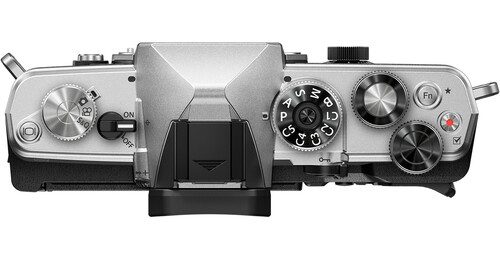
Photographers who want full auto simplicity may struggle here. The control layout and menu depth assume user involvement. You get flexibility, but you must set it up.
New shooters who want point-and-shoot behavior with minimal configuration may feel slowed down. Simpler cameras hide complexity and limit options on purpose.
This model takes the opposite approach. It gives access and expects decisions. That suits engaged users and frustrates casual ones.
Making a Smart Purchase Choice With MPB
Matching gear to your workflow matters. Paying a smart price matters too.
Buying used through MPB gives you a structured option. Most cameras include a six-month warranty and a seven-day return window. That adds protection without new retail cost.
Each item goes through inspection and grading. The condition appears clearly before purchase. That reduces surprises and sets expectations.
You also gain buy, sell, and trade options in one place. That system supports gradual upgrades and keeps your kit aligned with your work over time. A practical OM System OM-3 buying guide should include that path.
FAQ
Is This Camera Good For Beginners?
It fits beginners who want control and growth. It does not fit users who want full auto with no setup time.
Does It Handle Video Work Well?
Yes. It records strong 4K, supports flat and log profiles, and includes ports for monitored audio.
Is Buying Used From MPB A Safe Option?
Risk stays lower than private sales because gear is inspected, graded, and backed by a warranty and a return window.
Is A Single Card Slot A Deal Breaker?
For casual and enthusiast work, no. For critical paid jobs, many professionals prefer dual slots.
Who Is This OM System OM-3 Buying Guide Written For?
It targets travel, wildlife, action, and hybrid creators who value speed, portability, and advanced features.
Just so you know, some of the cool stuff we mention comes with affiliate links, meaning we earn a commission if you buy (no extra charge to you!). Plus, we occasionally feature sponsored content, but rest assured, we only shout out products we genuinely stand behind.

