

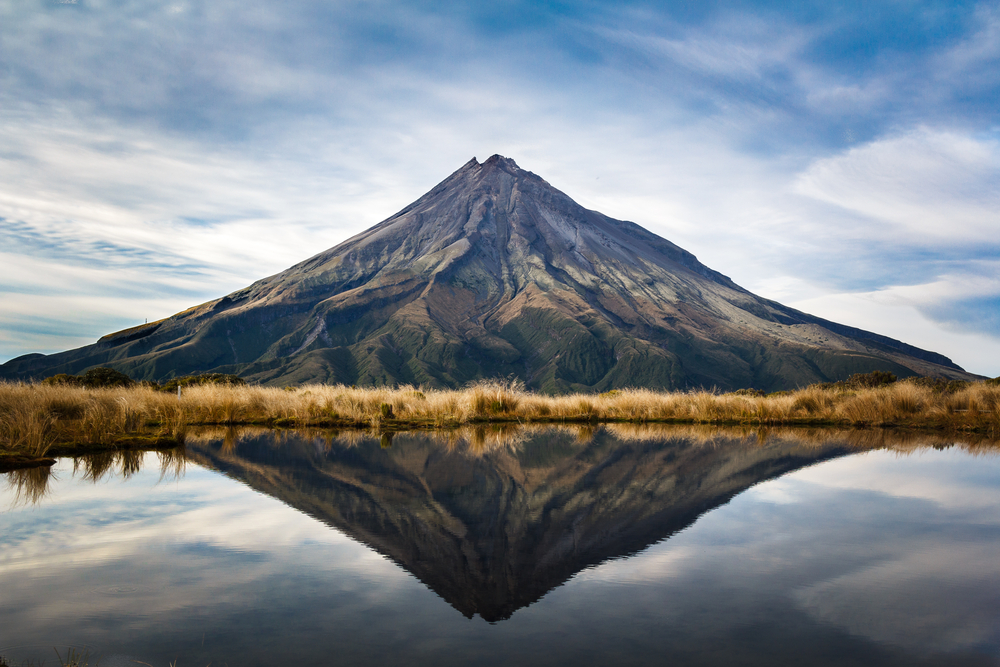
Water reflections are one of the most powerful tools you can use to transform ordinary scenes into visually compelling images. A calm lake mirroring a mountain, city lights shimmering on wet pavement, or even a simple puddle reflecting the sky can add depth, symmetry, and interest to your photographs. Understanding how to use water reflections effectively will help elevate your photography, giving your images a polished and professional feel.
For beginner photographers, water reflections can be both exciting and intimidating. There are choices to make regarding timing, composition, and angle, and a single decision can dramatically change the outcome of a shot.
In this article, we’ll break down practical tips for using water reflections in photography, provide examples, and share strategies to help you build real-world skills that improve your images.
Table of Contents
- Using Water Reflections as a Compositional Tool
- When to Shoot Water Reflections
- Creative Use Cases for Water Reflections
- Tips for Enhancing Your Water Reflection Shots
- Making the Most of Water Reflections in Your Photos
- FAQ
Using Water Reflections as a Compositional Tool
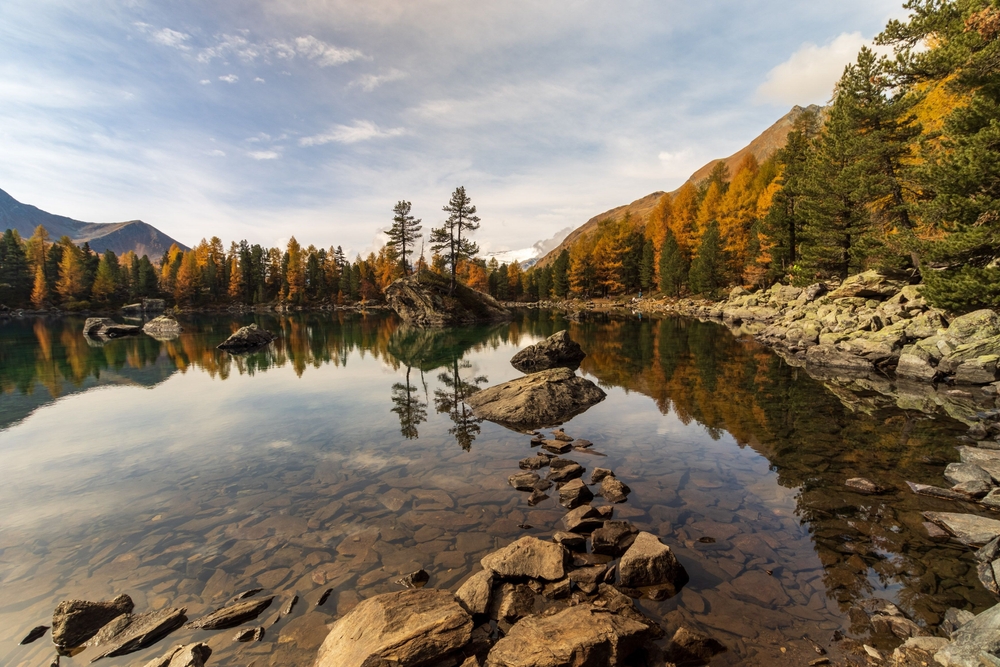
Photo by Wirestock Creators via Shutterstock
Water reflections can dramatically change the way a photograph is composed. By introducing reflections, you can create symmetry, doubling the visual impact of your subject. Symmetry naturally draws the viewer’s eye and can give your photo a sense of balance and harmony. For example, a mountain reflected in a lake creates an almost mirror-like effect that feels complete and immersive.
Another compositional benefit is the ability to guide the viewer’s eye through the image. Reflections can create leading lines that draw attention to your subject or extend the perceived depth of a scene. Even subtle ripples in the water can add texture and interest, transforming a static reflection into something more dynamic and engaging. Paying attention to how the reflection interacts with other elements in your frame can turn an ordinary shot into a visually layered photograph.
When to Shoot Water Reflections
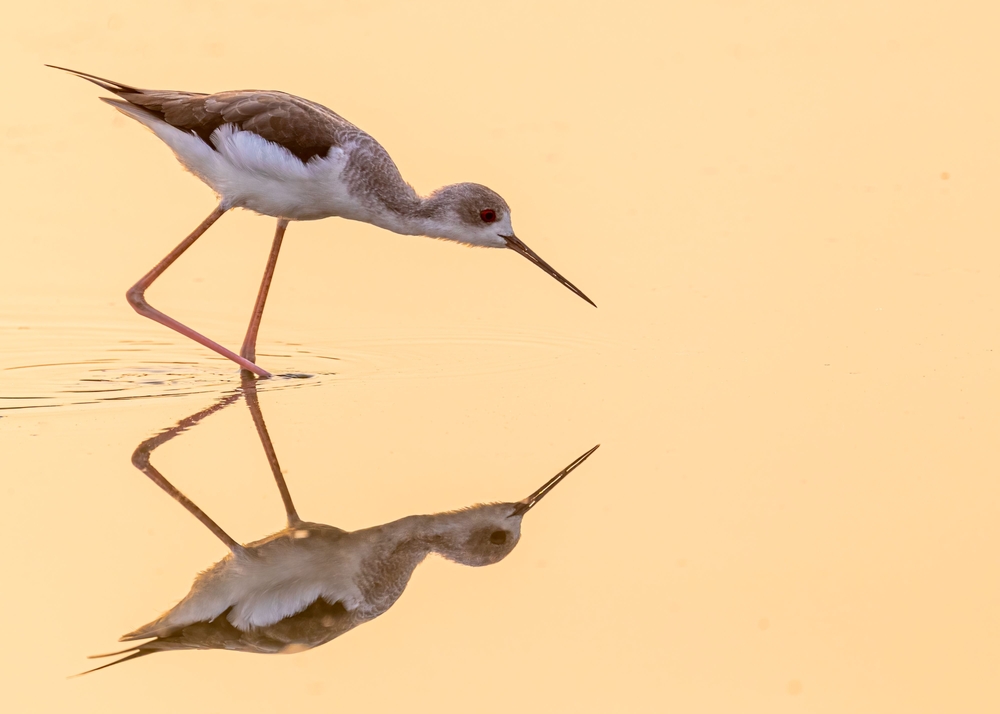
Photo by Wirestock Creators via Shutterstock
Timing and environmental conditions are critical when shooting water reflections. Early morning and late afternoon often provide the best light, creating soft reflections with minimal glare. Overcast days can work well too, offering evenly diffused light and subtle, moody reflections without harsh contrasts.
Wind and water movement are other factors to consider. Calm water will produce crisp, mirror-like reflections, while slightly rippled water can add texture and a painterly feel. Experimenting with these conditions can help you develop an intuitive sense for when and where to capture water reflections effectively.
Creative Use Cases for Water Reflections
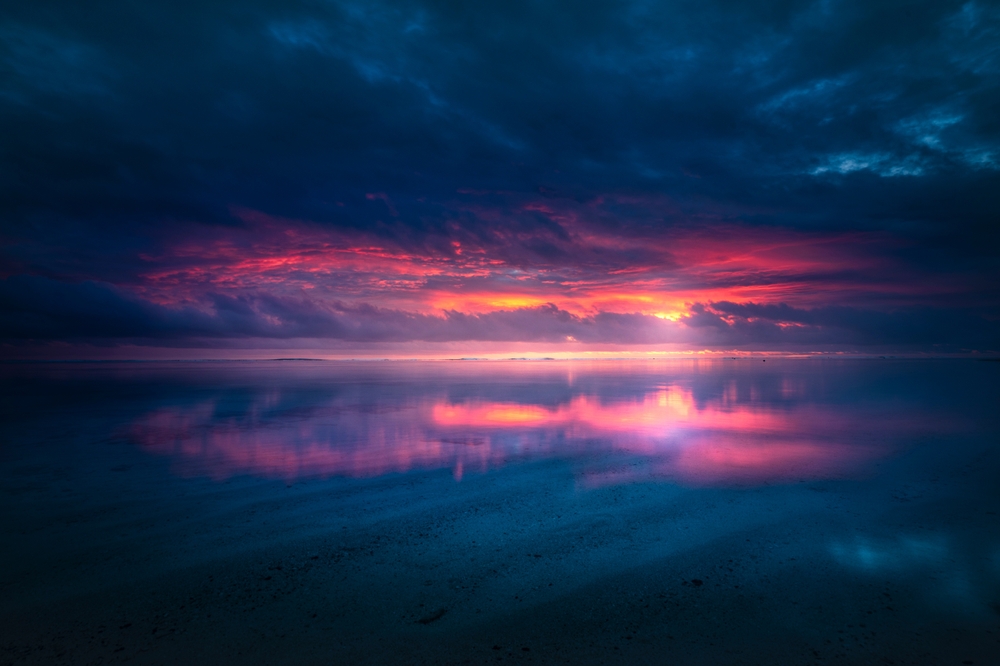
Photo by lucas-tiefenthaler via Shutterstock
Water reflections aren’t limited to natural landscapes. Urban environments can provide striking opportunities, such as puddles after a rainstorm reflecting city lights or neon signs. These reflections can frame subjects in interesting ways or add a dynamic element to street photography.
In addition, abstract photography can benefit from water reflections. Irregular surfaces, distorted reflections, or partial reflections can create images that are intriguing and open to interpretation. Water reflections allow photographers to experiment creatively, moving beyond straightforward documentation to produce images that tell a story or evoke emotion.
Tips for Enhancing Your Water Reflection Shots
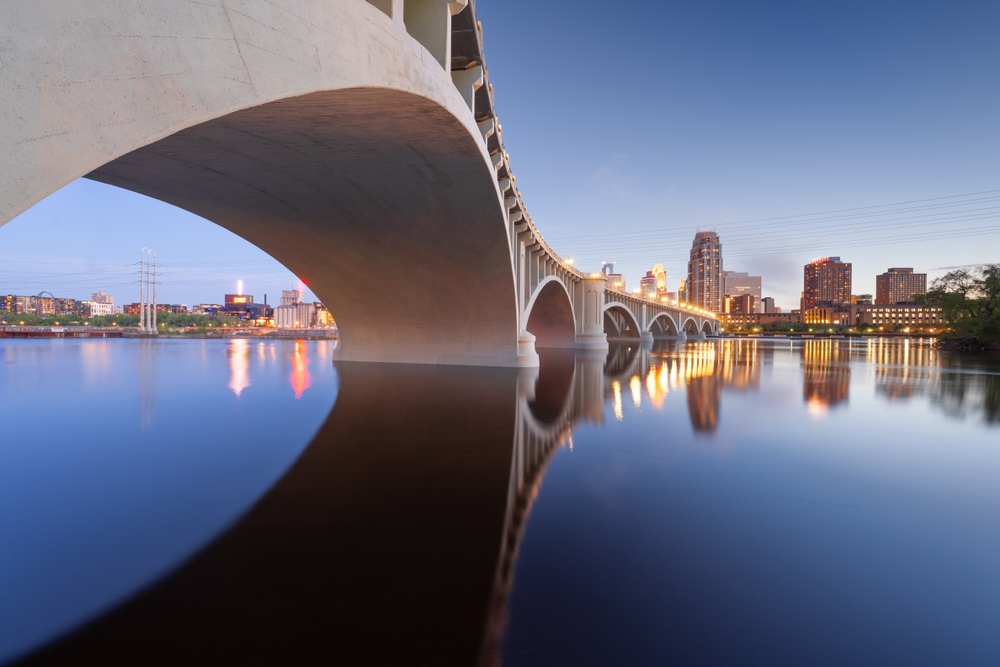
Photo by Sean Pavone via Shutterstock
Angles and perspectives play a major role in how water reflections are captured. Lower angles, closer to the water surface, often provide more dramatic results, emphasizing symmetry and depth. A tripod can help stabilize your camera for longer exposures, especially in low light or when you want to smooth out water surfaces.
Polarizing filters can also enhance water reflections by controlling glare and increasing contrast. While sometimes reducing reflections, these filters can be adjusted to produce the perfect balance between the reflected and actual scene. Finally, don’t overlook composition rules like the rule of thirds; placing the reflection strategically can create tension, highlight your subject, or emphasize symmetry in ways that feel natural and balanced.
Making the Most of Water Reflections in Your Photos
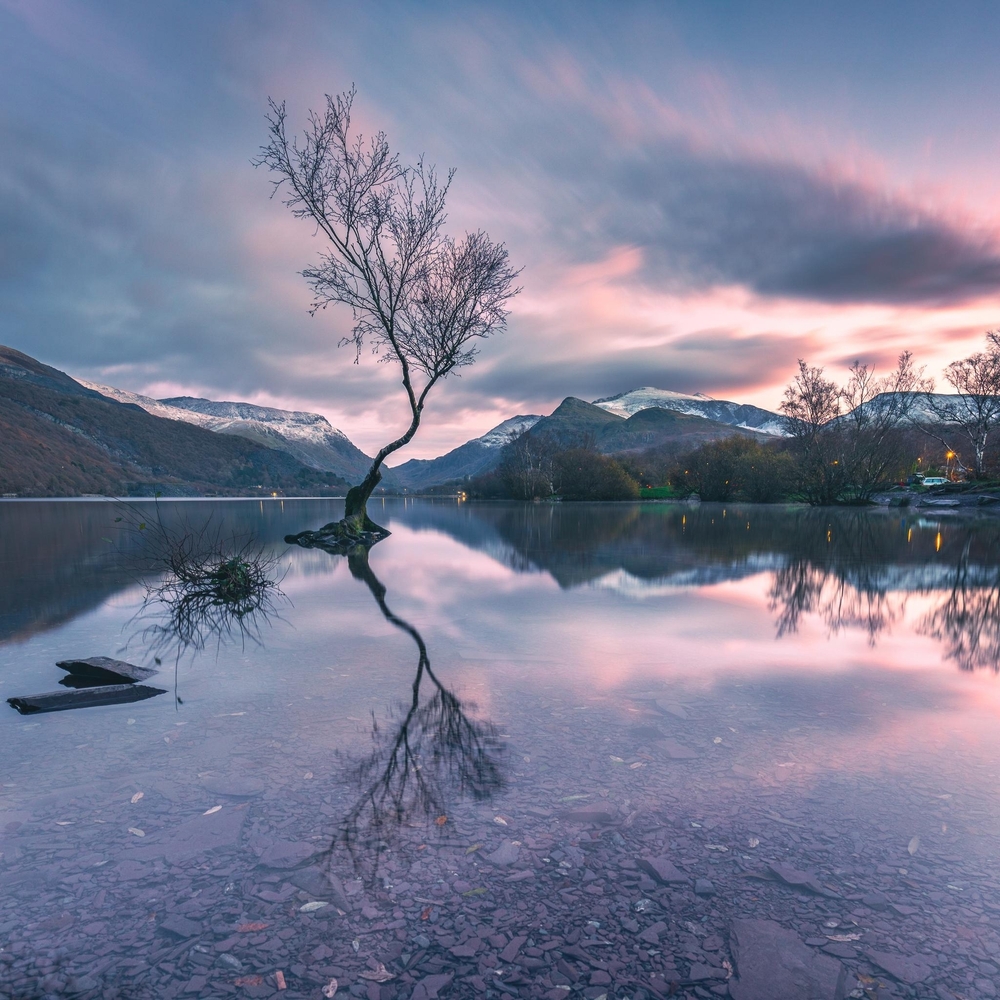
Photo by Tesseract Art via Shutterstock
Water reflections are most impactful when they are incorporated intentionally into your composition. Consider the story or feeling you want your image to convey. A perfectly calm lake might communicate serenity and stillness, while rippled reflections can suggest movement or imperfection. Understanding the mood you want will guide your shooting choices.
Practice is key. Spending time experimenting with different angles, lighting conditions, and reflective surfaces will help you build the skill to use water reflections creatively and effectively. Over time, your eye for reflections will improve, and you’ll start to notice opportunities you might have previously overlooked. By making reflections a deliberate part of your photography toolkit, you’ll consistently capture compelling images that resonate with viewers.
FAQ
What is the best time of day to capture water reflections?
Early morning and late afternoon are ideal, as the light is softer and the water is typically calmer. Overcast days can also produce subtle, even reflections.
Do I need special equipment to photograph water reflections?
A tripod can help stabilize your camera, and a polarizing filter allows you to control glare and contrast. However, reflections can also be captured with a basic camera or smartphone if you pay attention to angles and light.
Can reflections work in urban photography?
Absolutely. Puddles, wet streets, and shiny surfaces can create compelling reflections of buildings, lights, and people, adding depth and interest to city scenes.
How do ripples affect water reflections?
Ripples distort reflections, which can add texture and mood to your photos. Slight movement can make a reflection more painterly, while completely calm water produces a mirror-like effect.
Are water reflections only useful for landscapes?
No. Reflections are versatile and can enhance street photography, abstract compositions, and creative shots in both natural and urban environments.
A quick heads-up: If you snag something through our affiliate links or check out our sponsored content, we might earn a commission at no extra cost to you. But fear not, we’re all about recommending stuff we’re truly stoked about!
Learn More:
- Waterfall Photography for Beginners
- Mastering Coastal Photography on Oregon’s Breathtaking Shoreline
Hero photo by gregorioa via Shutterstock

