


Olympic National Park offers an extraordinary range of landscapes that challenge and inspire photographers. From snow-capped mountains to moss-covered rainforests, from cascading waterfalls to dramatic Pacific coastline, the park provides an endless variety of scenes to capture. With constantly changing light, unpredictable weather, and diverse terrain, photographers are given both challenges and rewards that few locations can match.
Whether you are a seasoned landscape photographer or someone looking to refine your skills, photographing Olympic National Park requires careful preparation, attention to detail, and knowledge of the park’s unique ecosystems. Understanding where to go, how to handle lighting and weather, and what gear to bring can make the difference between an image that truly captures the spirit of the park and one that falls flat.
That’s where a professional photo workshop comes in…
Workshops and guided photo tours can provide invaluable insight into hidden locations and optimal shooting windows. Along with expert instruction in small-group settings, photo tours—Like the Olympic National Park Photo Workshop from ColorTeturePhotoTours—can help you rapidly improve your skills and get the most out of your time in this beautiful park.
Let’s examine some tricks of the trade that will help you level up your Olympic National Park photography!
Table of Contents
- Understanding Olympic National Park’s Photographic Diversity
- Best Places to Photograph in Olympic National Park
- Lighting, Weather & Seasonal Photography Tips
- Recommended Gear for Photographing Olympic National Park
- Why Some Photographers Choose Guided Instruction
- Planning Your Trip to Olympic National Park
- Capturing the Spirit of Olympic National Park
- FAQ
Understanding Olympic National Park’s Photographic Diversity
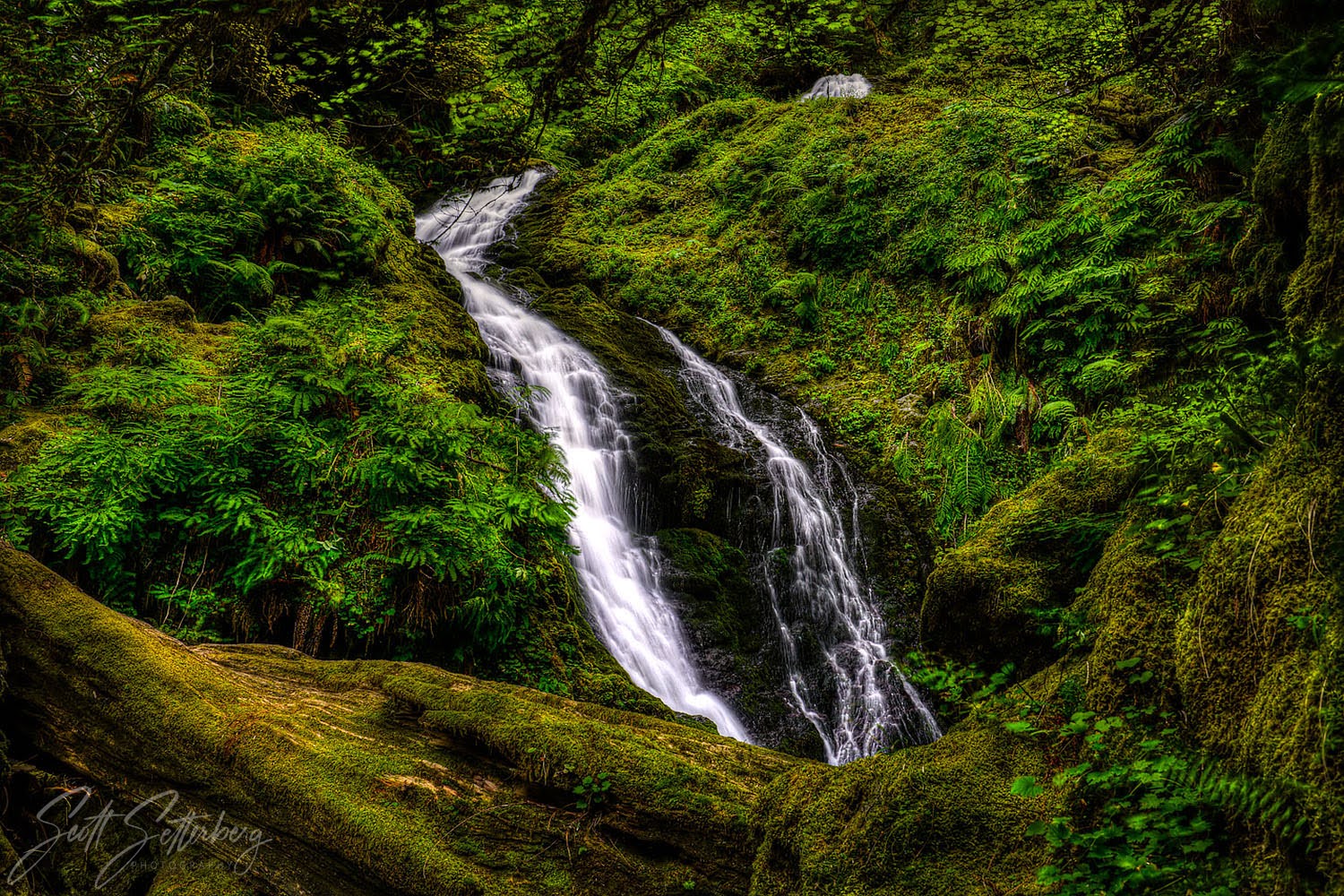
Olympic National Park spans multiple ecosystems, offering a wide variety of photographic opportunities. The alpine regions of the Olympic Mountains contrast sharply with temperate rainforests, serene lakes, and rugged coastline, creating an environment where you must constantly adapt your approach. The diversity requires different lenses, lighting strategies, and creative techniques, making every shooting day a new challenge.
The variation in ecosystems also affects color, texture, and composition, too. For instance, dense fog in the Hoh Rainforest produces soft, diffused light that’s perfect for wide-angle shots that capture mossy trees and ferns. In contrast, the Pacific coast offers stark silhouettes of sea stacks against vibrant sunsets, requiring careful exposure management. Photographers who understand these differences can approach each location with a plan that maximizes visual impact.
Photographers who join guided workshops often benefit from local expertise, helping them navigate this diversity efficiently. Tour leaders like Scott Setterberg with ColorTexturePhotoTours are highly familiar with Olympic National Park and can point out optimal vantage points, assist with technical challenges, and provide feedback that accelerates learning, making it easier to capture images that convey the park’s full range of beauty.
Best Places to Photograph in Olympic National Park
Hurricane Ridge
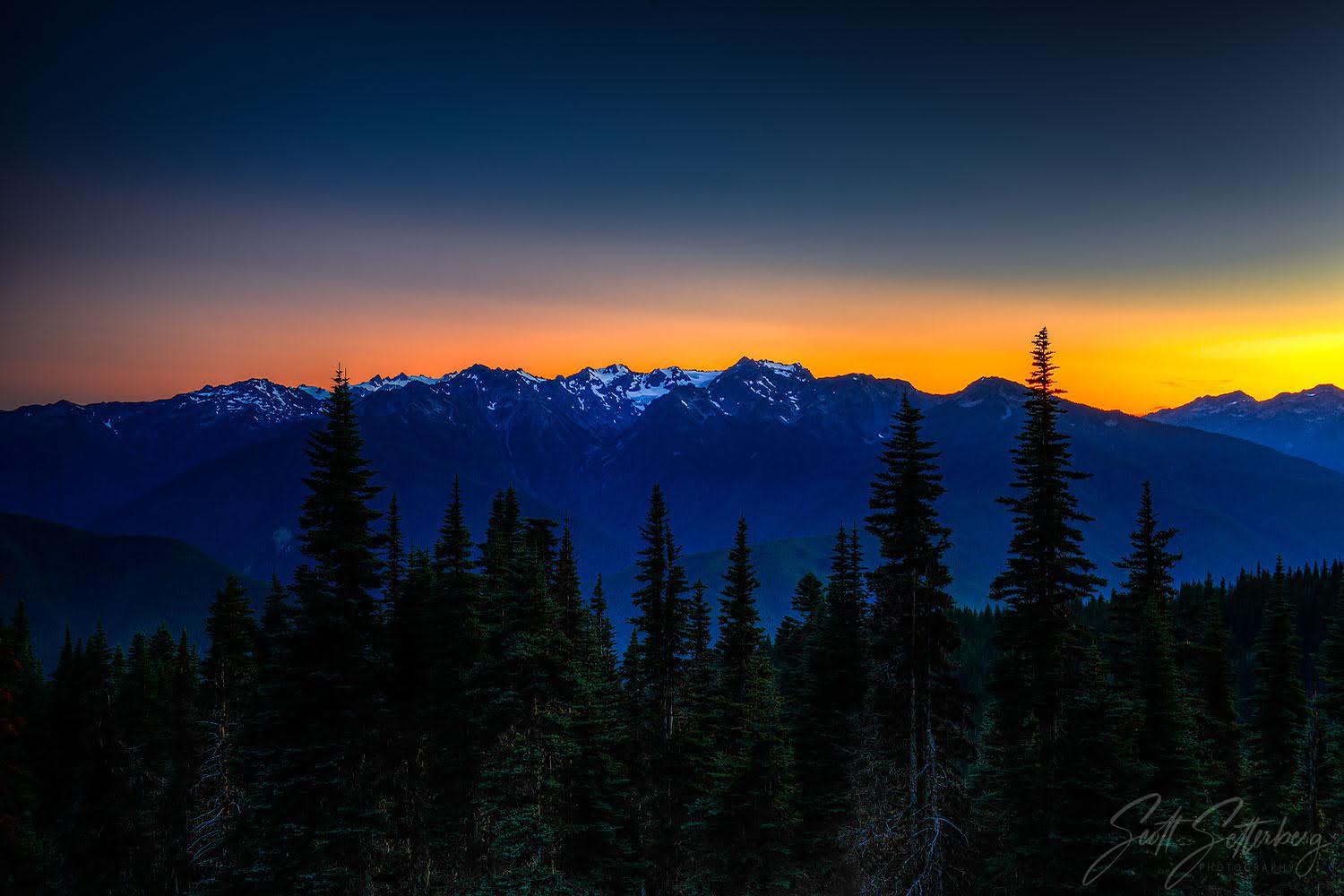
Hurricane Ridge is a premier location for panoramic alpine photography. Snow-capped peaks, wildlife, and summer wildflowers create dynamic compositions, particularly during golden hour. Telephoto lenses are useful for wildlife or compressing mountain layers, while wide-angle lenses capture expansive vistas. Weather at Hurricane Ridge can change rapidly, so preparedness is key.
Sunsets and sunrises are particularly dramatic here, with warm light sweeping across jagged ridges. Tripods are essential for low-light photography, and filters can help manage harsh contrast between snow and shadowed slopes. Photographers should also be ready to move quickly, as conditions shift rapidly.
Beyond technical considerations, Hurricane Ridge offers an accessible introduction to Olympic National Park’s diversity. Even brief visits provide striking imagery, but spending extended time allows for repeated opportunities to capture the interplay of light and landscape.
The Hoh Rainforest
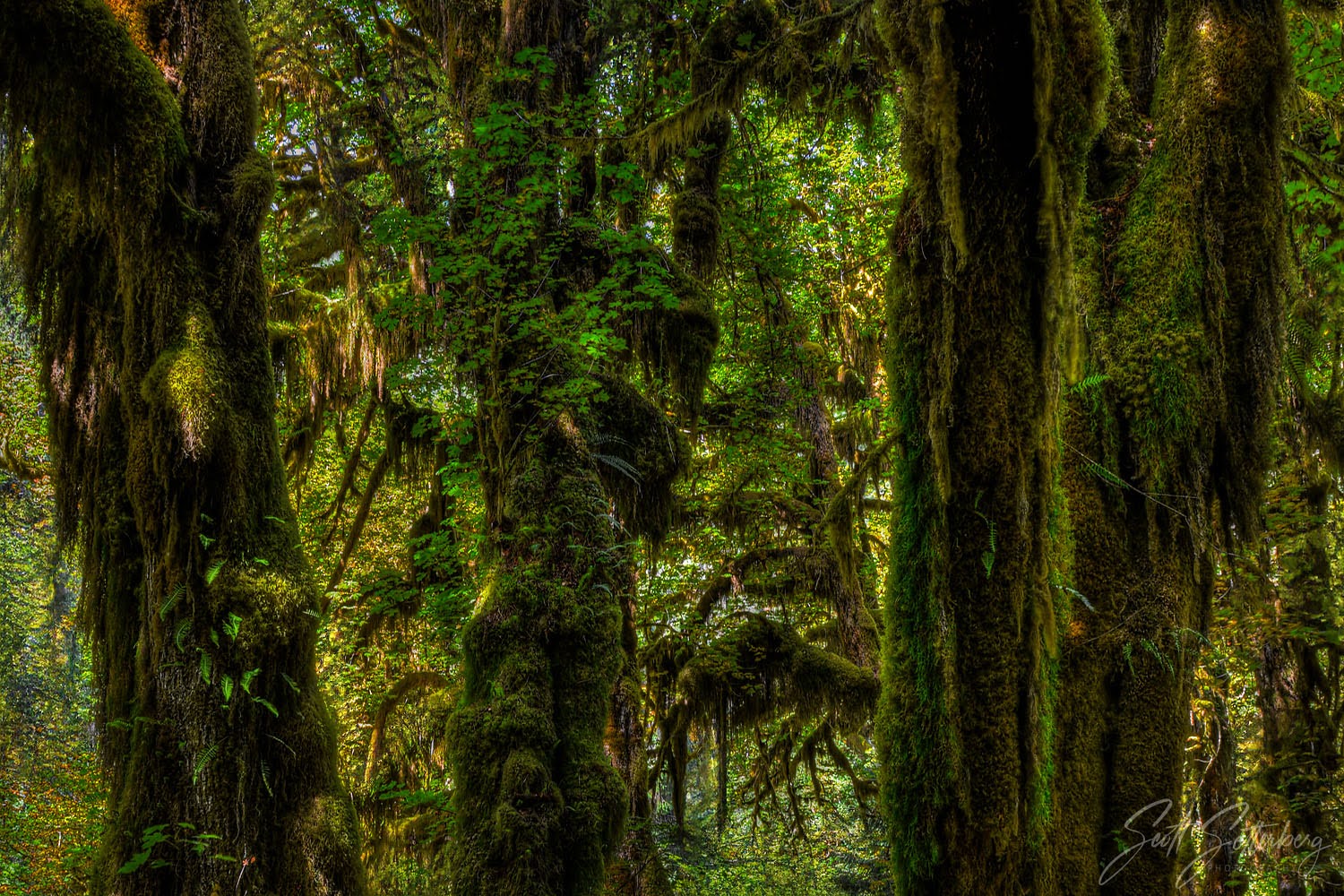
The Hoh Rainforest is one of the largest temperate rainforests in the United States, known for its moss-covered trees and lush greenery. Diffused light under the canopy creates ideal conditions for capturing texture and depth. Wide-angle lenses and tripods are often necessary to fully capture the scale and detail of the forest.
Polarizing filters are helpful to reduce glare from wet leaves and highlight the saturated colors of the vegetation. Slow shutter speeds can add a sense of motion to ferns or streams, while longer exposures allow subtle light changes to be recorded. Attention to composition, leading lines, and layering can help convey the rainforest’s immersive atmosphere.
The Hall of Mosses trail and surrounding areas provide multiple perspectives. Photographers who have experienced guided instruction in the Hoh Rainforest often remark that knowing where to position oneself for the best light makes a significant difference in the final images.
Olympic Waterfalls
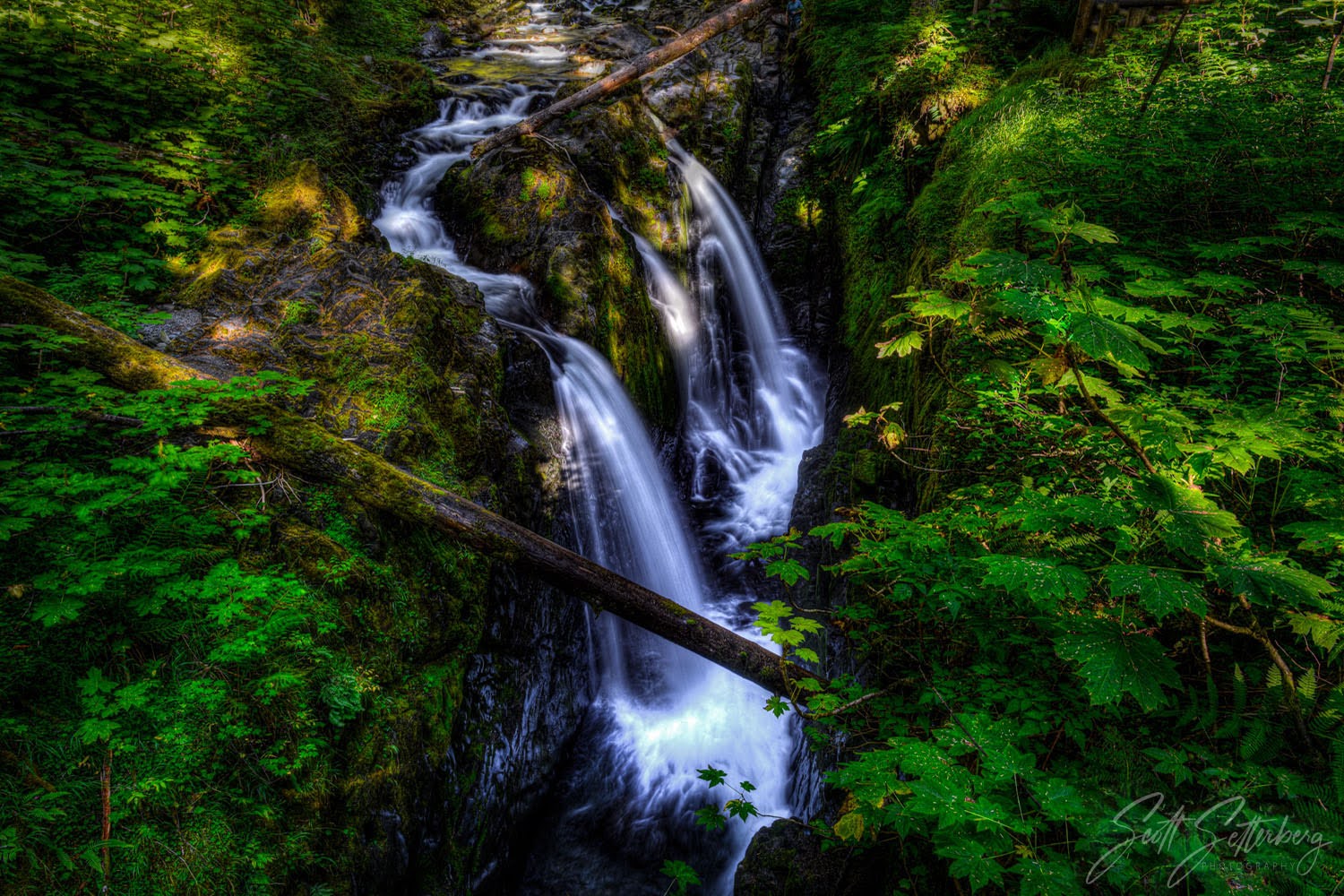
Olympic National Park features numerous waterfalls, including Marymere, Sol Duc, Madison, Merriman, and Bunch Creek. Each waterfall has its own character, from delicate cascades to powerful torrents. Long exposures with tripods create smooth, silky water effects, while shorter exposures preserve the detail in the rushing water.
Composition techniques vary depending on the surrounding landscape. Foreground elements, such as rocks or moss, provide depth and context. Neutral-density filters are helpful for controlling exposure in bright conditions, while attention to weather ensures that safety is maintained near slippery surfaces.
The park’s waterfalls are often visited in guided tours, allowing photographers to focus on capturing creative shots without spending excessive time scouting locations. Local guidance can suggest ideal angles and times of day for optimal lighting.
Rugged Pacific Coast Beaches

Beaches like Ruby Beach and Second Beach feature dramatic sea stacks, tide pools, and dynamic ocean waves. Tide charts are essential for safety and to plan for compositions that incorporate reflections, rock formations, and water movement. Long exposure techniques capture the motion of waves, while early arrivals help avoid crowds.
Sunsets along the coast are particularly photogenic, providing vibrant skies and backlit sea stacks. Attention to foreground elements, such as driftwood or rocks, can anchor compositions and add visual interest. Coastal winds and changing conditions require sturdy tripods and lens protection.
Guided excursions often include local knowledge of hidden coves and vantage points, which can make a noticeable difference in the variety and quality of images captured.
Lake Crescent & Lake Quinault
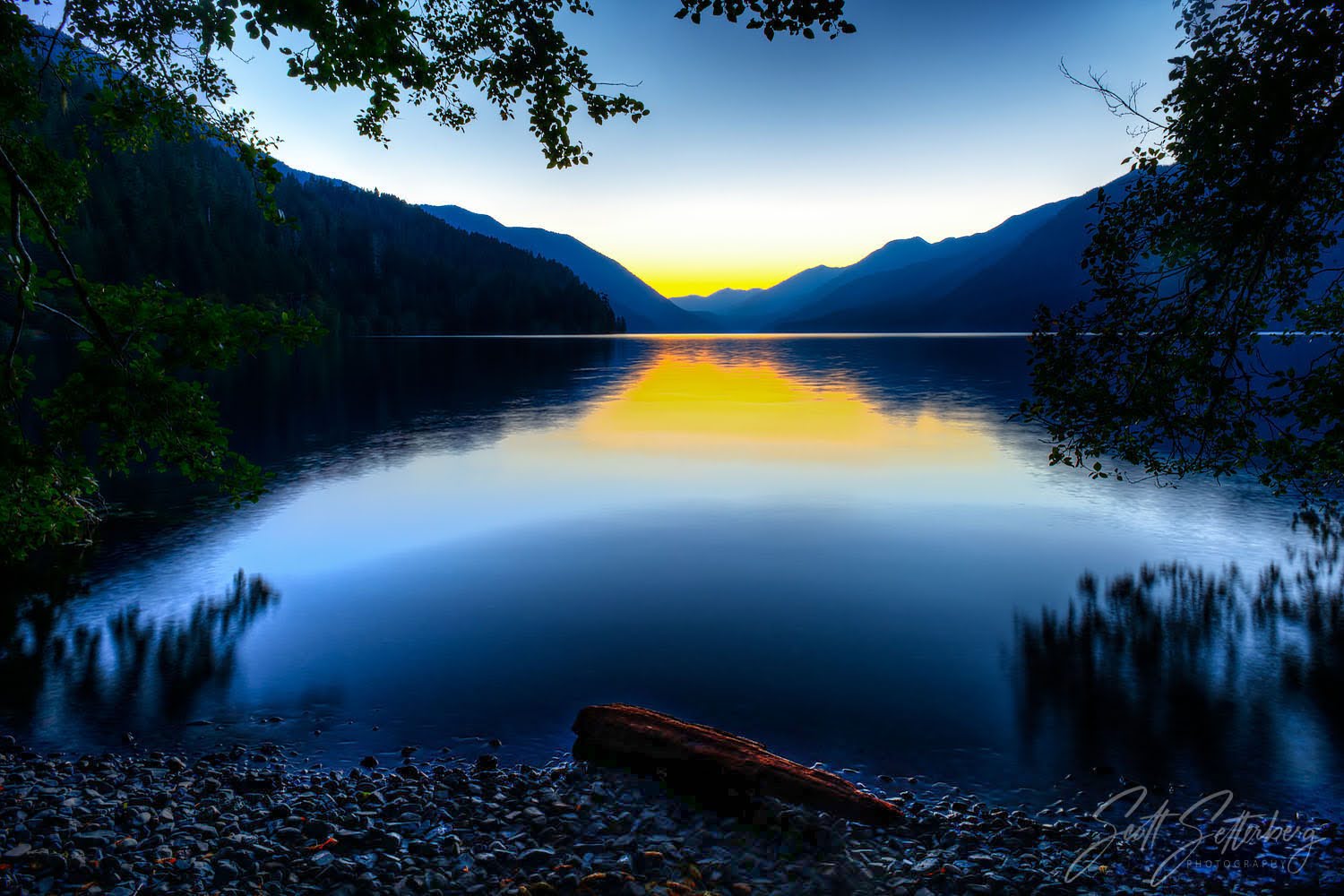
These lakes offer calm water reflections, perfect for minimalist or serene landscape photography. Sunrise and early morning light often provide mirror-like surfaces, which are ideal for reflections of mountains and forests. Leading lines from shoreline features can guide the viewer’s eye through the composition, too.
Telephoto lenses allow you to compress distant landscape features, while wide-angle lenses capture expansive vistas. Overcast conditions provide softer light that reduces contrast and enhances detail in the surrounding foliage. If you visit these lakes, you’ll benefit from understanding local access points, which can save time and improve the likelihood of capturing images with unique perspectives.
Lighting, Weather & Seasonal Photography Tips

Lighting and weather in Olympic National Park are unpredictable, and learning to adapt is critical. Fog, mist, and rain can add atmosphere, while overcast skies reduce harsh shadows. Golden hour and sunset provide warm, directional light that enhances textures and depth.
Seasonal variations also impact photographic opportunities. Summer brings wildflowers and longer daylight, fall offers color transitions in foliage, and winter introduces snow-covered landscapes and dramatic cloudscapes. Adjusting camera settings for these changing conditions allows you to maintain consistent image quality.
Understanding light and weather is especially important when photographing waterfalls, forests, and reflective surfaces. Skilled photographers often return to the same location multiple times to capture the changing conditions and maximize creative options.
Recommended Gear for Photographing Olympic National Park

A tripod is essential for long exposures, low-light conditions, and waterfall photography. Polarizers help reduce glare and enhance color saturation, while neutral-density filters control bright sunlight for extended exposure times. Lens hoods protect against rain and lens flare. All are essential for your success when photographing this area.
Camera bags with weather protection, waterproof clothing, and sturdy footwear are also necessary due to the park’s variable terrain and wet conditions. Wide-angle and telephoto lenses cover the majority of scenes, from intimate forest details to expansive mountain vistas, so having one of each is good practice.
You should also bring extra batteries, memory cards, and microfiber cloths. If you use a local workshop to explore the park, your tour leader will often provide guidance on filter use, creative compositions, and post-processing techniques that can further improve image quality.
Why Some Photographers Choose Guided Instruction

Small-group photography workshops like the Olympic National Park Photo Workshop by ColorTexturePhotoTours offer structured learning opportunities with professional instructors. In this case, Scott Setterberg will guide and teach you, drawing on his more than three decades of experience photographing nature and landscapes. In Olympic National Park, his workshops provide one-on-one guidance, image reviews, and post-processing instruction, enhancing skills across all experience levels. It’s truly a one-stop shop for improving your imagery.
Workshops like this also streamline logistics. With private transportation, expert knowledge of locations, and planned itineraries, you can focus on creative work rather than navigation or planning. Add in Scott’s intimate knowledge of Olympic National Park, and you’ll be able to take advantage of optimal shooting times, perspectives, and techniques that would be challenging to identify independently.
What’s more, workshops like this often include accommodations, meals, and transportation, which greatly simplifies the process for you. Just show up, let Scott handle the logistics and instruction, and explore one of the most breathtaking areas in the world!
Capturing the Spirit of Olympic National Park
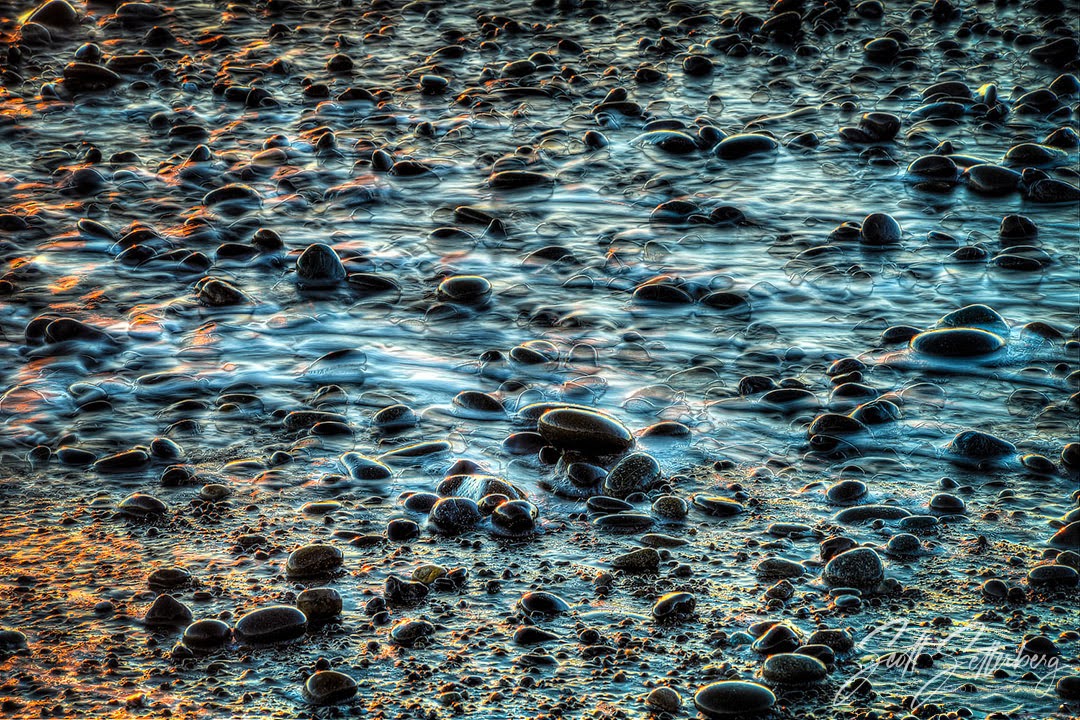
Olympic National Park rewards patience, observation, and experimentation. Each landscape offers opportunities for unique storytelling, whether capturing the mist over the rainforest, the movement of waves along the coast, or reflections on tranquil lakes.
Intentional composition, understanding of light, and creative use of camera techniques allow photographers to communicate both scale and emotion. Multiple visits and revisiting locations under different conditions often yield images that more fully capture the essence of the park.
Combining technical proficiency with an awareness of the park’s unique ecosystems ensures that the resulting photographs not only depict the landscape but also convey its spirit and atmosphere.
FAQ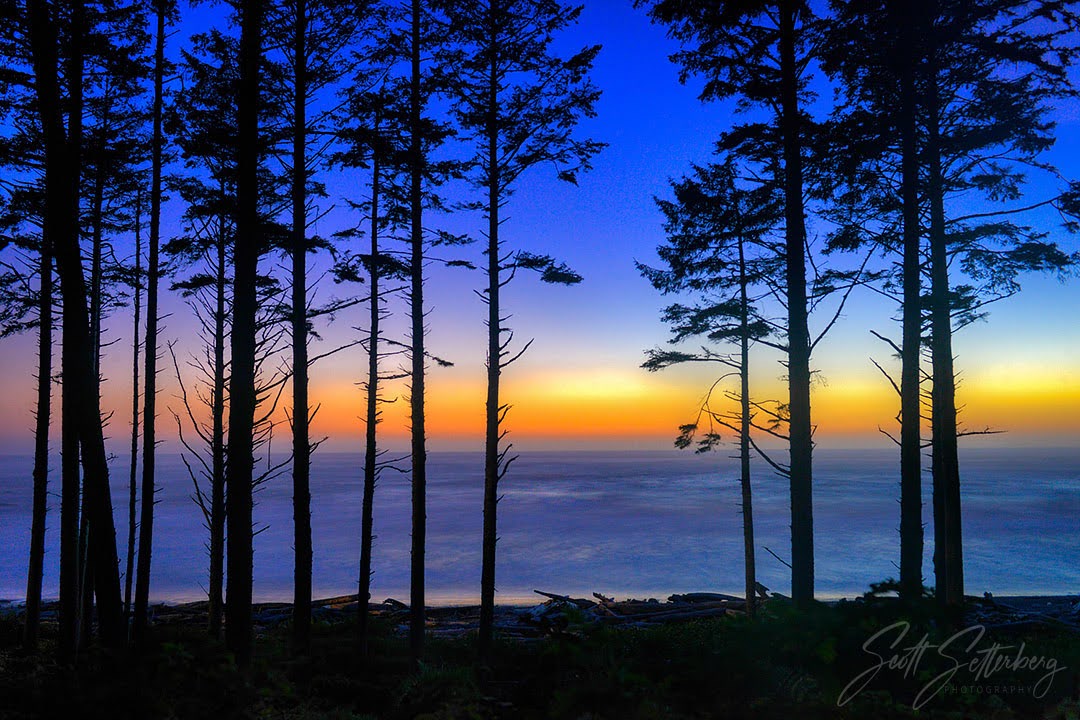
What is the best time of year to photograph Olympic National Park?
Summer is ideal for accessibility and wildflowers, fall offers colorful foliage, and winter provides dramatic snow and storm conditions. Each season offers unique photographic opportunities.
Do I need a lot of photography experience to capture Olympic National Park?
No, basic camera knowledge is sufficient. Guided workshops or tours can provide instruction, tips, and support for photographers at any skill level.
What gear is essential for photographing the park?
A tripod, wide-angle and telephoto lenses, polarizers, neutral-density filters, waterproof protection, and sturdy footwear are recommended for most shooting scenarios.
Are guided photography workshops worth it?
Workshops provide expert guidance, image reviews, and logistical support. They can improve skills, offer local insight, and make multi-location shooting more efficient.
How should I prepare for hiking with photography gear?
Moderate fitness is required. Wear comfortable shoes, carry manageable camera equipment, bring water, and be prepared for wet or uneven trails.
Are there safety considerations for photographing waterfalls or beaches?
Yes, trails may be slippery, and tides can change quickly. Awareness of weather, tides, and trail conditions is essential to stay safe while capturing images.
A quick heads-up: If you snag something through our affiliate links or check out our sponsored content, we might earn a commission at no extra cost to you. But fear not, we’re all about recommending stuff we’re truly stoked about!

