


The Nikon Z7 II steps into the high-resolution mirrorless space with the confidence of a camera that knows exactly who it’s built for: photographers who crave detail, speed, and reliability in the field.
Whether you’re shooting landscapes, portraits, editorial work, or hybrid photo/video projects, the Z7 II brings together a mix of familiar Nikon ergonomics and forward-looking performance. It doesn’t simply build on the original Z7. Instead, it expands the platform in meaningful ways, making everyday shooting faster, more intuitive, and more flexible.
If you’ve ever used a camera that feels like it was designed around how photographers actually work, you’ll recognize that sensation instantly with the Z7 II. Every core function — from autofocus to buffer performance to long-exposure capability — has been elevated without losing the clean simplicity of the Z system. In this breakdown of six top Nikon Z7 II features, we’ll look at what makes this camera excel and how each feature matters in practical, everyday shooting.
Table of Contents
- High-Resolution Sensor and Processing Power
- Enhanced Autofocus Performance
- UHD 4K Video Capability
- 493-Point AF System and Vibration Reduction
- Refined Body Design and Usability
- Workflow Flexibility and Creative Tools
- Why These Features Matter
- FAQ
High-Resolution Sensor and Processing Power

When people talk about Nikon Z7 II features, the conversation naturally starts with the 45.7MP BSI CMOS sensor. This sensor delivers exceptional resolution without the softness introduced by an optical low-pass filter. The result is crisp detail that landscape, commercial, and studio photographers appreciate immediately. Shadows stay clean, highlights hold shape, and the files have that extra depth that makes post-processing more flexible.
Backing that sensor are dual EXPEED 6 processors, which do more than simply boost speed. They allow the camera to maintain high throughput even while handling enormous RAW files. Shooting at 10 fps on a high-resolution body is no small achievement, and the Z7 II does it with a noticeably deeper buffer than the original Z7. For wildlife, action portraiture, and event work, that bump in responsiveness makes the camera feel agile in a way high-resolution bodies rarely do.
Low-light performance also benefits from the back-illuminated architecture. With a native ISO floor of 64, you’ll see smooth tonal transitions and more dynamic range, especially in outdoor scenes with both deep shadows and bright skies. This is one of the Nikon Z7 II features that quietly makes a big difference — you simply get more information to work with across demanding lighting conditions.
Enhanced Autofocus Performance
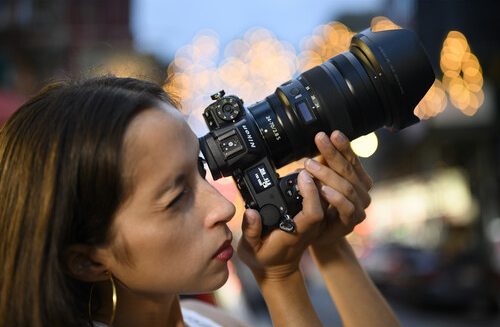
Improved autofocus is one of the biggest practical Nikon Z7 II features and something you feel instantly when using the camera. Nikon expanded eye and face detection to work across Wide-Area AF modes and extended that capability to animals in both photo and video. If you shoot portraits, pets, wildlife, or fast-moving subjects, this alone feels like a substantial leap from the first-generation Z7.
Eye detection is reliable even in challenging lighting — backlit portraits, dappled forest light, or dim interiors. In my experience, the camera tends to lock onto the correct eye with minimal hunting, which wasn’t always the case in the original Z system bodies. When the AF does switch subjects, the transition feels natural and predictable, especially when tracking motion across the frame.
Firmware updates further sharpen this performance, improving detection consistency in Auto-Area AF and Wide-Area AF. This is one of those Nikon Z7 II features that keeps aging well because Nikon continues refining it through firmware rather than waiting for the next camera generation. For long-time Nikon shooters, that long-term support is deeply appreciated.
UHD 4K Video Capability
Although the Z7 II is often viewed as a photographer’s camera, its video improvements shouldn’t be underestimated. As Blue Pacific Media explains in the video above, UHD 4K at 60p brings more flexibility for motion shooters, especially those who prefer to keep their kit compact. Combined with internal N-Log and HLG support, the camera becomes a legitimate option for hybrid creators who want high-resolution stills and well-graded video footage in one body.
One of the more practical Nikon Z7 II features is its 10-bit external output, which opens the door to professional workflows using monitors and recorders such as Atomos or Blackmagic Video Assist. With the optional ProRes RAW upgrade, the Z7 II can output uncompressed 12-bit raw over HDMI — a huge benefit for advanced color grading and post-production flexibility.
The small touches also matter: electronic VR for handheld shooting, focus peaking for manual focusing, zebra warnings for exposure precision, and full control over audio via stereo mic input and headphone monitoring. When you combine these tools with the already-excellent resolving power of the sensor, the Z7 II becomes far more capable as a multimedia solution than many expect.
493-Point AF System and Vibration Reduction

This camera’s 493-point phase-detect autofocus system covers 90% of the frame, allowing accurate subject acquisition nearly to the edges. This broad coverage means you can compose more creatively without worrying about your subject drifting outside usable AF zones. It’s one of the Nikon Z7 II features that makes the camera feel modern and responsive, especially for environmental portraits and landscape compositions with foreground subjects.
Hybrid AF for video gently shifts between phase and contrast detection to keep footage smooth rather than jumpy. This is noticeable when filming moving subjects with shallow depth of field. Instead of abrupt focus changes, the camera transitions gracefully, which helps footage feel polished without heavy post-processing.
The 5-axis in-body stabilization is another meaningful upgrade for everyday shooting. Whether you’re capturing handheld cityscapes at dusk or using adapted F-mount lenses via the FTZ adapter, stabilization keeps images sharp in situations where you might otherwise need a tripod. For travel and field photography, this is one of the Nikon Z7 II features that becomes a daily advantage.
Refined Body Design and Usability

The Nikon Z7 II feels instantly familiar to anyone who has handled Nikon DSLRs or first-generation Z bodies. The grip is deep and secure, the buttons fall naturally under the fingers, and the joystick makes AF point control quick. The magnesium alloy chassis is weather-sealed, giving you the confidence to shoot in rain, snow, dust, and desert environments.
The 3.2-inch tilting touchscreen is bright and responsive, accommodating both high and low shooting angles. While it’s not fully articulating, its clarity and touch interface make menu navigation and focus adjustment fast. The 3.6-million-dot OLED EVF provides a crisp, natural view with reduced blackout times, which becomes noticeable when shooting bursts at 10 fps.
Dual card slots — one CFexpress Type B and one UHS-II SD — add versatility for both speed and redundancy. For professional use, this is one of the Nikon Z7 II features that removes a major barrier from the original Z7, making the camera far more appealing for wedding and event photographers who demand backup recording.
Workflow Flexibility and Creative Tools
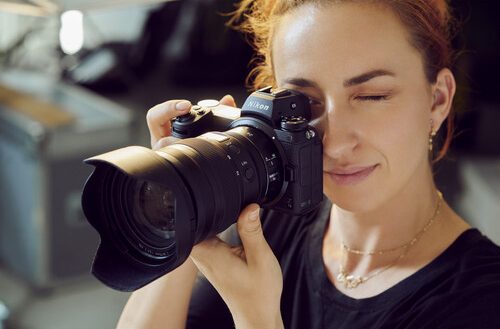
From long exposures to in-camera stacking, the Z7 II brings practical tools that streamline shooting. Timed long exposures now reach 900 seconds, eliminating the need for external remotes when doing astrophotography, night landscapes, or light painting. This is one of the Nikon Z7 II features I personally appreciate — fewer accessories mean fewer things to forget at home.
Multiple Exposure mode, 20 Picture Controls, and in-camera Timelapse recording add creative depth without requiring software. Focus Shift mode is another powerful tool that lets you record up to 300 frames with incremental focus adjustments for stacking in post. This is especially helpful for macro photographers or product shooters who need complete depth-of-field control.
SnapBridge integration remains a strong part of the Nikon ecosystem. Wireless transfer, remote shooting, and — importantly — firmware updating all happen through the app. This is one of the Nikon Z7 II features that reflects how modern cameras should behave: connected, convenient, and easy to keep up to date.
Affordability and Why MPB Is a Smart Place to Buy a Used Nikon Z7 II

The Nikon Z7 II isn’t exactly a budget-friendly camera, especially for photographers making the leap into a high-resolution, full-frame system. But affordability doesn’t have to mean settling for less. One of the most practical ways to bring the camera within reach is by purchasing used gear from a trusted reseller. That’s where MPB shines. The company has built a reputation for taking the stress and uncertainty out of buying pre-owned equipment, and it’s a platform I’ve personally used with confidence.
MPB’s seven-day return window is one of its best perks. If the camera arrives and something doesn’t feel quite right—maybe the grip isn’t as comfortable as expected or the shutter count is higher than you’d prefer—you can send it back with no hassle. That peace of mind matters when you’re spending a substantial amount on a professional-level camera body. Add in a six-month warranty on every item, and you get an extra layer of protection that most peer-to-peer marketplaces simply can’t match.
Another reason MPB is such a reliable option is its ever-rotating stock. If you don’t find a Nikon Z7 II today, you might find three of them tomorrow, each in different conditions and at different price points. Every item goes through a thorough inspection process before being listed, including checks for sensor cleanliness, cosmetic condition, shutter health, and port functionality.
The result is a level of transparency rarely found elsewhere. You know exactly what you’re getting, you know it’s been professionally evaluated, and you can buy with confidence instead of crossing your fingers. For photographers wanting pro-grade performance without paying full retail, MPB offers one of the best paths forward.
Why These Features Matter
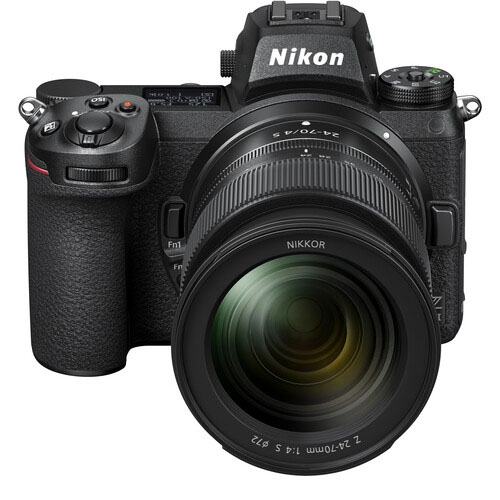
When you look at everything collectively, the Nikon Z7 II is more than a high-resolution camera. It’s a refined, reliable, and forward-thinking tool built for photographers who need both precision and adaptability. Each improvement — from processing power to autofocus to workflow tools — contributes to a shooting experience that feels natural and responsive.
What stands out the most is how balanced the system is. You get resolution without sluggishness, video capability without unnecessary complexity, and robust construction without excessive weight. These Nikon Z7 II features form a camera that fits seamlessly into professional and enthusiast workflows.
Whether you’re stepping up from the original Z7 or joining the Z system for the first time, the Z7 II delivers a combination of performance and usability that holds up across genres, environments, and shooting styles.
FAQ
Is the Nikon Z7 II good for professional work?
Yes. Between the 45.7MP sensor, dual card slots, excellent autofocus, and robust build, the Z7 II is fully capable for commercial, wedding, landscape, editorial, and studio work.
Does the Nikon Z7 II shoot 4K at 60p?
Yes. UHD 4K 60p is available, and you can output 10-bit externally for advanced video workflows.
Is the autofocus better than the original Z7?
Significantly. Eye and face detection are improved, coverage is wide, and firmware updates continue to refine AF behavior.
Can I use F-mount lenses on the Z7 II?
Yes, with the FTZ adapter. Many lenses gain full AF functionality, and in-body stabilization still works with most adapted glass.
Is the Z7 II weather-sealed?
It has a magnesium alloy, dust- and weather-resistant body suitable for challenging outdoor environments.
Our articles might have affiliate links and the occasional sponsored content, but don’t sweat it – if you buy something, we get a little kickback at no extra cost to you, and we only hype products we truly believe in!

