


I’ve spent decades behind the lens working with photographers at every skill level. One pattern shows up again and again: the moment clouds roll in or rain starts to fall, people pack up and go home. Over the years, I’ve helped countless photographers adapt their workflow for wet and overcast conditions. What we’ve found, consistently, is that overcast portrait photography doesn’t simply allow for solid portrait work. In many ways, it produces better results than bright sunshine.
This isn’t a contrarian take. It’s a conclusion backed by decades of field experience and the results photographers see once they stop waiting for perfect weather. The soft, diffused light of a cloudy sky acts like a giant, free softbox positioned overhead. Rain adds mood and visual texture that no studio setup replicates. Once you solve the gear protection problem, which is more straightforward than most photographers expect, you’re free to focus entirely on your subject. What follows is a practical guide to cloudy day portrait photography: why it works, how to set your camera, and how to keep shooting in the rain.
Quick Facts:
- Topic: Portrait photography in overcast and rainy conditions
- Skill level: Beginner to intermediate
- Lighting type: Natural diffused light (overcast/cloudy/rainy)
- Key advantage: Shadow-free, flattering light with no modifiers needed
- Recommended shutter speed (rain): 1/500s or faster to freeze drops
- White balance setting: Cloudy preset or 6500K to 7000K
- Gear protection: Camera Canopy attaches to hot shoe, covers lenses up to 500mm
- Best for: Portrait, wedding, lifestyle, and editorial photographers
9 min read
In This Article
- Why Overcast Light Is the Portrait Photographer’s Best Friend
- The Science Behind Diffused Light
- Camera Settings for Overcast and Rainy Days
- Shooting Portraits in the Rain
- Protecting Your Gear Without Losing Control
- Overcast vs. Sunny Days: Which Produces Better Portraits?
- Pros and Cons
- Final Verdict
- Frequently Asked Questions
Why Overcast Light Is the Portrait Photographer’s Best Friend
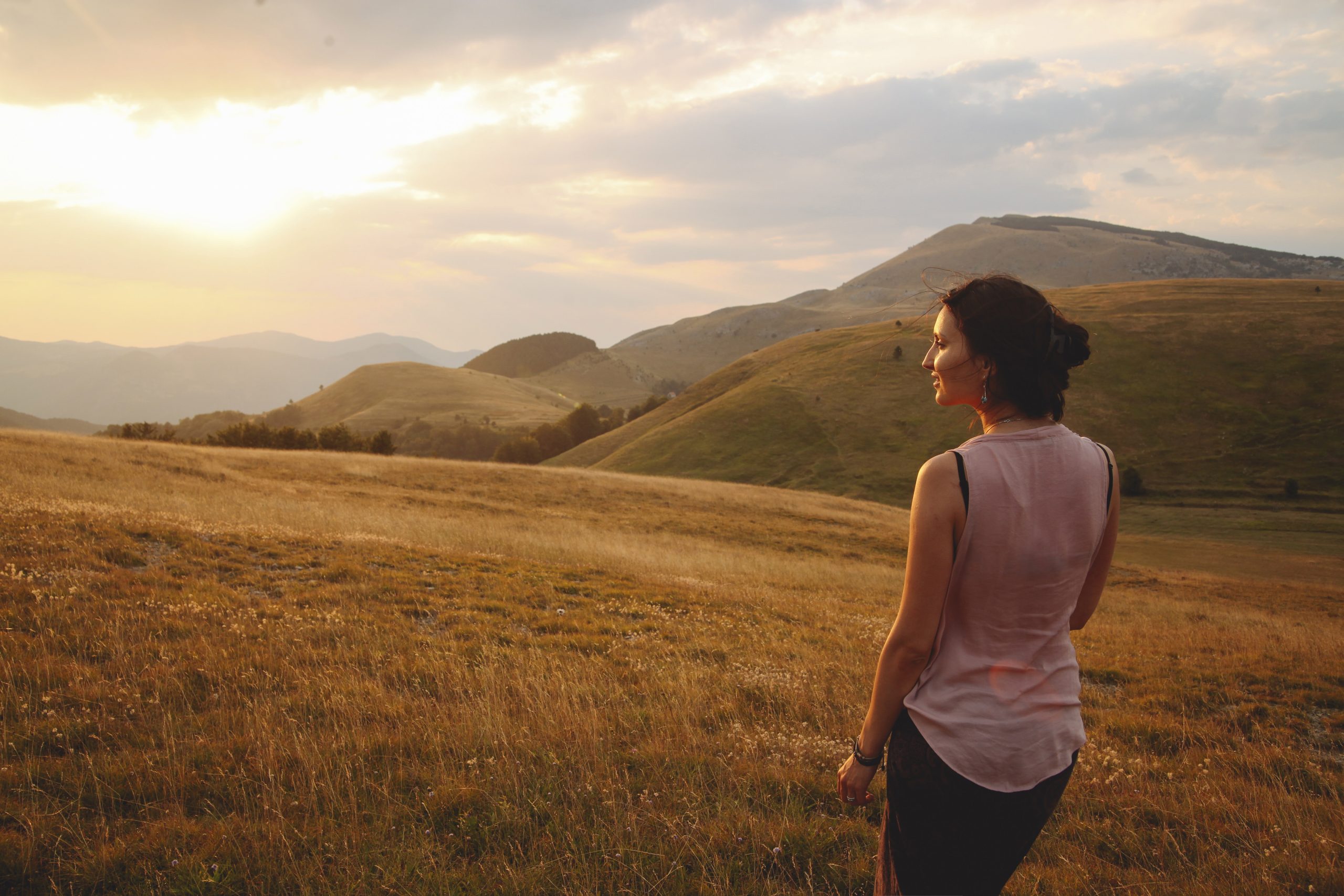
Overcast portrait photography works because clouds act as a massive natural diffuser. They spread light evenly across your subject from edge to edge. On a sunny day, direct light creates harsh shadows under the eyes, chin, and nose. Removing those shadows typically requires fill flash, reflectors, or significant post-processing time. On an overcast day, most shadows disappear on their own, at no additional cost.
Portrait photographers working under direct midday sun often position clients in shade to replicate what overcast skies provide for free. The even, non-directional quality of cloudy day portrait photography means your subject faces any direction without squinting. There are no unflattering hot spots on the forehead and no raccoon-eye shadow pattern ruining the exposure. For photographers building a portfolio in variable conditions, overcast days remove one of the biggest variables: light direction and intensity.
There’s also a concrete benefit for skin. Diffused light softens the appearance of texture. Blemishes, fine lines, and uneven skin tone become less pronounced under overcast skies compared to harsh direct light. Photographers who specialize in overcast portrait photography often report spending noticeably less retouching time in post-production. For high-volume portrait work, that’s a real workflow advantage that compounds across dozens of sessions per year.
The Science Behind Diffused Light
Understanding why overcast light looks the way it does helps you predict and use it more effectively. When sunlight passes through cloud cover, water particles scatter it in multiple directions. Instead of a single point source, you end up with an enormous, multi-directional source spanning the entire sky. This is the same principle behind large octaboxes and softboxes in professional studios. The larger the light source relative to the subject, the softer and more even the light falls across the face.
Color Temperature and White Balance
Overcast skies shift color temperature toward the blue end of the spectrum, typically between 6500K and 7500K depending on cloud density. Your camera’s auto white balance will often try to correct this, sometimes introducing an unpleasant color cast. A better approach is setting your white balance manually to the Cloudy preset, which adds warmth to counteract the cool tones. Alternatively, shoot in RAW and dial in your preferred temperature during editing. For most overcast portrait photography sessions, 6500K to 7000K produces skin tones that look natural and pleasing rather than grey or clinical.
Dynamic Range Benefits
Overcast conditions also give you a dramatic increase in usable dynamic range. Bright sun creates a contrast ratio between highlights and shadows that often exceeds 10 stops. That pushes many cameras to their limits and forces compromises in exposure. Under cloud cover, that ratio drops substantially, often to 5 stops or fewer. Overcast portrait photography benefits directly from this: you expose for your subject’s face and trust that both the shadows and the background fall within a recoverable range. Beginners especially benefit here, because the forgiving exposure latitude means fewer blown highlights and fewer crushed shadows to rescue in post.
Camera Settings for Overcast and Rainy Days
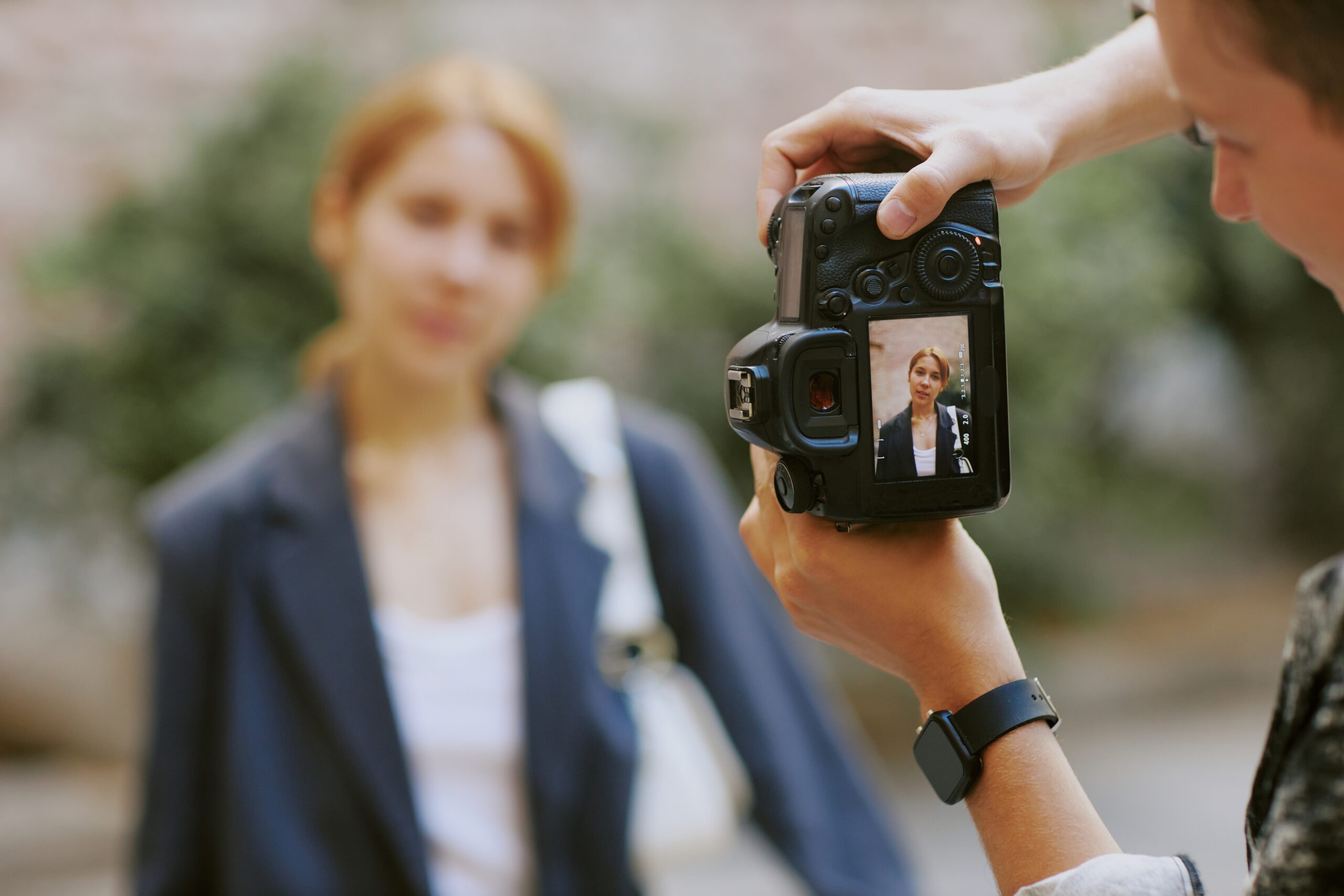
Overcast portrait photography requires some specific adjustments from your usual outdoor settings. The required changes are consistent from shoot to shoot, so you build a reliable starting point and return to it every time conditions are similar.
Start with ISO. On a bright overcast day, ISO 200 to 400 typically maintains clean image quality. On heavy overcast days or during rain, bumping to ISO 400 to 800 is often necessary. This is especially true in shaded locations like covered porches or tree canopies. Modern full-frame mirrorless cameras handle ISO 800 without meaningful noise, so don’t hesitate to push the sensor when light levels drop.
For aperture, outdoor portrait photography in overcast conditions gives you more flexibility than bright sun. Because diffused light creates no harsh directional falloff, you stay at your preferred portrait aperture without worrying about unflattering shadows on one side of the face. A range of f/1.8 to f/2.8 works well for subject isolation. For group shots where sharpness across multiple planes matters, f/4 to f/5.6 is the better choice. Shutter speed should stay at or above 1/125s for stationary subjects. When applying rain photography tips and freezing drops in the frame, 1/500s or faster is the right target.
Buy Direct From Camera Canopy
Keep Shooting When It Rains
The Camera Canopy attaches to your hot shoe and gives you hands-free rain protection with full visibility of your settings. No more fumbling with sleeves.
Shooting Portraits in the Rain

Photo by Moises Alex on Unsplash (license)
Rain adds something no studio setup provides: authentic atmosphere. Wet streets, umbrellas, puddle reflections, and falling drops all contribute to a cinematic quality that clients respond to emotionally. Overcast portrait photography in the rain is especially powerful for weddings. A couple genuinely laughing in the rain often produces more memorable images than any perfectly lit studio session.
Composition in Overcast Portrait Photography and Rain
Wet pavement reflects light from any source, whether streetlamps, ambient sky, or a speedlight. This creates a secondary light source beneath your subject that adds depth and visual interest. Positioning clients near puddles or on glossy wet surfaces takes advantage of this natural reflection. Shooting with a rain-streaked background while your subject is sharp in the foreground creates a distinctive, moody separation that’s nearly impossible to replicate in post. When your subject has an umbrella, treat it as a compositional element rather than simple cover. A brightly colored umbrella against a grey sky draws the eye and provides a visual anchor for the frame.
Using a Speedlight in Rain
On particularly dark overcast days, a single off-camera speedlight transforms the image. Place the flash slightly off-axis at roughly 45 degrees and set it to 1/4 to 1/2 power. The combination of ambient overcast light as fill and the speedlight as a directed key creates a balanced, professional look. Keep the flash in a waterproof bag or positioned under your subject’s umbrella to protect it from direct rain exposure.
Protecting Your Gear Without Losing Control
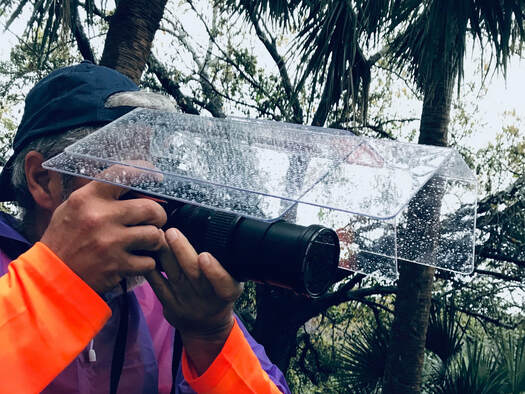
The single biggest barrier to overcast portrait photography in wet conditions isn’t the light. It’s gear anxiety. Rain and camera equipment are a genuinely bad combination when you’re unprepared. The traditional solution is stuffing your camera into a plastic rain sleeve. That creates its own set of problems. Sleeves obscure your rear LCD and top display, make it difficult to adjust settings, and leave your lens glass exposed to splatter from below and the sides.
The original Camera Canopy rain shield solves this differently. It attaches to your camera’s hot shoe and creates a clear acrylic roof over the body and lens, covering lenses up to 500mm. Because the shield is transparent, you retain full visibility of your top LCD and rear screen without removing the cover. Your hands remain completely free to operate the camera naturally, and you adjust aperture, shutter speed, ISO, and focus modes without the awkward fumbling that rain sleeves demand.
For mirrorless shooters, the Mini Camera Canopy for mirrorless offers the same hands-free protection in a lighter, more compact format. It’s priced at $89 versus $119 for the original and is specifically designed for mirrorless bodies and smaller-lensed DSLRs. Both versions include a detachable rear tripod shield for added back-of-camera protection during tripod work. Photographers wearing glasses have noted a welcome bonus: the rear shield keeps eyeglasses dry while looking through the viewfinder during a wet outdoor session.
Overcast vs. Sunny Days: Which Produces Better Portraits?
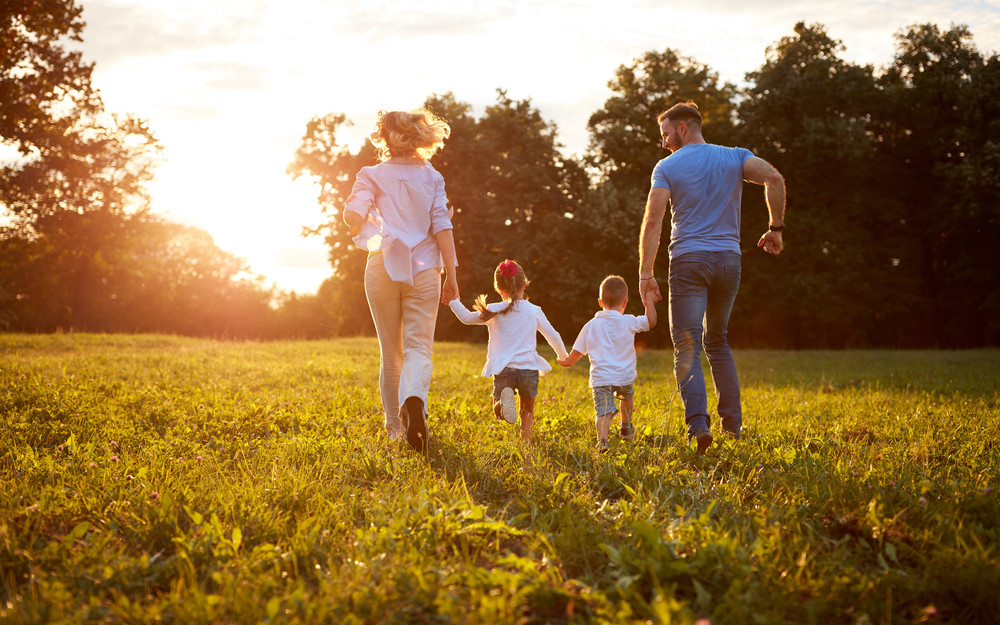
For most portrait scenarios, overcast days produce more flattering results than direct sun. Bright sun creates hard shadows and forces subjects to squint. It also concentrates light unevenly across the face, requiring additional equipment like reflectors, fill flash, or diffusers to correct. Overcast light eliminates most of these issues without additional gear. The trade-off is that overcast skies appear flat in the background, and the color temperature skews cool without a white balance correction.
Sunny days do offer advantages in specific scenarios. Golden hour light, the 30 to 60 minutes after sunrise and before sunset, produces a warm, directional glow that’s distinctly beautiful for romantic portraits and outdoor lifestyle work. Bright sun also makes it easier to achieve high-contrast, dramatic editorial looks. Additionally, blue-sky backgrounds carry visual energy that overcast skies don’t, which matters for certain commercial and brand work. The most adaptable photographers build a workflow that performs well in both conditions rather than committing to one.
For wedding photographers and portrait shooters who don’t reschedule around weather, cloudy day portrait photography is not a downgrade from sunny conditions. It’s a different creative tool. A rainy wedding often yields the most emotionally resonant images of any event a photographer shoots that year. The conditions push clients out of their comfort zone and produce candid, authentic moments that posed sunny-day portraits rarely achieve.
Ready for Any Weather?
Mirrorless Shooter? The Mini Is Built for You
The Mini Camera Canopy is designed for mirrorless cameras and smaller lensed DSLRs. Same hands-free protection, lighter weight, at $89 plus shipping.
Pros and Cons of Overcast Portrait Photography in Wet Conditions
Pros
- Clouds act as a free, massive softbox with no modifiers needed
- Shadows under eyes, nose, and chin are dramatically reduced
- Subjects don’t squint, producing more natural facial expressions
- Dynamic range drops to 5 stops or fewer, making exposure more forgiving
- Skin texture is visually softened, reducing retouching time in post
- Rain adds authentic mood and visual texture that studio setups don’t replicate
- Wet surfaces create natural reflections that add depth and compositional interest
Cons
- Overcast skies read as flat or uninteresting in wide backgrounds
- Color temperature skews cool and requires white balance correction
- Rain requires active gear protection to maintain camera access and control
- Low light on heavy overcast days pushes ISO to 800 or higher on some systems
- Clients unfamiliar with overcast benefits sometimes need reassurance before the shoot
Final Verdict

Photo by Sonny Mauricio on Unsplash (license)
Overcast portrait photography is one of the most underutilized advantages available to outdoor shooters. The soft, shadow-free quality of diffused cloud light produces flattering, consistent results across a wide range of subjects. From seniors to newborns, families to couples, this approach delivers without the additional equipment that sunny-day shooting demands. Photographers who build a workflow for cloudy and rainy conditions don’t simply survive the weather. They actively seek it out, because the results speak for themselves.
The real trade-off isn’t light quality. It’s gear management. Photographers who avoid wet-weather shoots are typically protecting their equipment, not their schedule. Once that problem is solved with a purpose-built solution like the Camera Canopy, the creative and commercial case for overcast portrait photography becomes straightforward. You’re not making the best of bad weather. You’re accessing a lighting condition that most photographers actively avoid, which means less competition for outdoor locations and more opportunities to deliver standout images.
If you shoot weddings, portraits, lifestyle, or editorial work and haven’t built a wet-weather workflow yet, now is the time. The investment in both technique and gear pays dividends across your entire shooting year. A reliable, hands-free rain cover like the Camera Canopy costs less than a single studio rental. It gives you the confidence to keep shooting when other photographers pack up and go home. See the real-world Camera Canopy reviews from photographers across multiple genres who’ve integrated it into their regular kit.
For photographers with weather-sealed bodies and longer telephoto lenses, the original Camera Canopy at $119 is the right choice. Mirrorless shooters and those working with smaller lens kits will find the Mini Camera Canopy at $89 covers everything they need. Either way, the goal is the same: stop letting the weather decide when you work.
Ready to Buy?
Check Today’s Price on Camera Canopy
Made in the USA, the Camera Canopy ships with a lens cleaning cloth, rear tripod shield, and weather-resistant carry bag included.
Frequently Asked Questions
Is overcast lighting good for portrait photography?
Overcast lighting is excellent for overcast portrait photography. Cloud cover acts as a natural diffuser, spreading light evenly across your subject. Harsh shadows under the eyes, nose, and chin are eliminated without any additional equipment. The result is a flattering, shadow-free exposure that would cost significant money to recreate in a studio. Most professional portrait photographers actively prefer overcast conditions over direct midday sun for this reason.
What camera settings should I use for overcast portrait photography?
For overcast portrait photography, start at ISO 200 to 400 on bright overcast days. Increase to ISO 400 to 800 as cloud density or shade reduces available light. Use your preferred portrait aperture, typically f/1.8 to f/2.8 for subject separation or f/4 to f/5.6 for groups. Maintain shutter speed at or above 1/125s for stationary subjects. Set your white balance manually to the Cloudy preset or approximately 6500K to 7000K to warm the naturally cool color temperature and prevent grey-toned skin.
Can you do a portrait session on a rainy day?
Yes, and in many cases the results are more compelling than a typical sunny-day shoot. Rain adds authentic atmosphere, mood, and visual texture. Wet surfaces create natural reflections, and the cinematic quality of a rainy environment often draws out more genuine emotion from subjects than controlled studio conditions. The key is protecting your gear so you keep shooting without constantly wiping down your lens or fighting with a rain sleeve.
How do I protect my camera when shooting portraits in the rain?
For camera protection in the rain, look for a dedicated rain shield that attaches to your hot shoe and covers both your body and lens from above. The Camera Canopy is a patented device that mounts to the hot shoe and provides clear overhead coverage for lenses up to 500mm. Your rear LCD and top display stay fully visible while your hands remain free to operate the camera naturally. Traditional rain sleeves work but obscure controls and leave lens glass exposed. A structured solution like the Camera Canopy gives you full operational control throughout the shoot.
Does overcast light reduce the need for a reflector in portrait photography?
For most portrait work, yes. Overcast light fills in shadow areas naturally because it comes from multiple directions simultaneously, unlike direct sun which creates strong shadow on the side of the face away from the light source. In dense overcast conditions or when shooting near dark backgrounds, a small silver or white reflector adds a catch light to the eyes and lifts the shadow slightly. That said, it’s rarely essential the way it is on a sunny day, and many photographers working in overcast conditions skip the reflector entirely without any meaningful loss in image quality.
What’s the difference between the Camera Canopy and the Mini Camera Canopy for wet-weather portrait work?
The original Camera Canopy weighs slightly over two pounds, measures 14 inches in standard position, and extends to 18 inches to cover telephoto lenses up to 500mm. It’s priced at $119 plus $9.99 shipping and suits DSLR shooters and photographers working with longer portrait lenses. The Mini Camera Canopy weighs 14.2 ounces, measures 13 inches, and is designed for mirrorless cameras and smaller-lensed DSLRs. It’s priced at $89 plus $9.99 shipping. Both versions include a rear tripod shield and a weather-resistant carry bag, and both fit any camera with a standard hot shoe connection.
Heads up: Clicking on our affiliate links and exploring our sponsored content helps us at no extra cost to you, and we only recommend gear we’re absolutely crazy about!
Hero photo by Sonny Mauricio on Unsplash (license)

