


Quick Facts:
- Topic: Chromatic aberration and how Canon corrects it
- What it is: Color fringing along high-contrast edges
- Main cause: Different light wavelengths bend by different amounts
- Two types: Lateral (side to side) and longitudinal (front to back)
- Classic Canon fix: UD glass and fluorite lens elements
- Newer Canon fix: BR (Blue Spectrum Refractive) optical element
- Best for: Photographers who want sharper, cleaner edges from RF lenses
5 min read
In This Guide
What Is Chromatic Aberration?
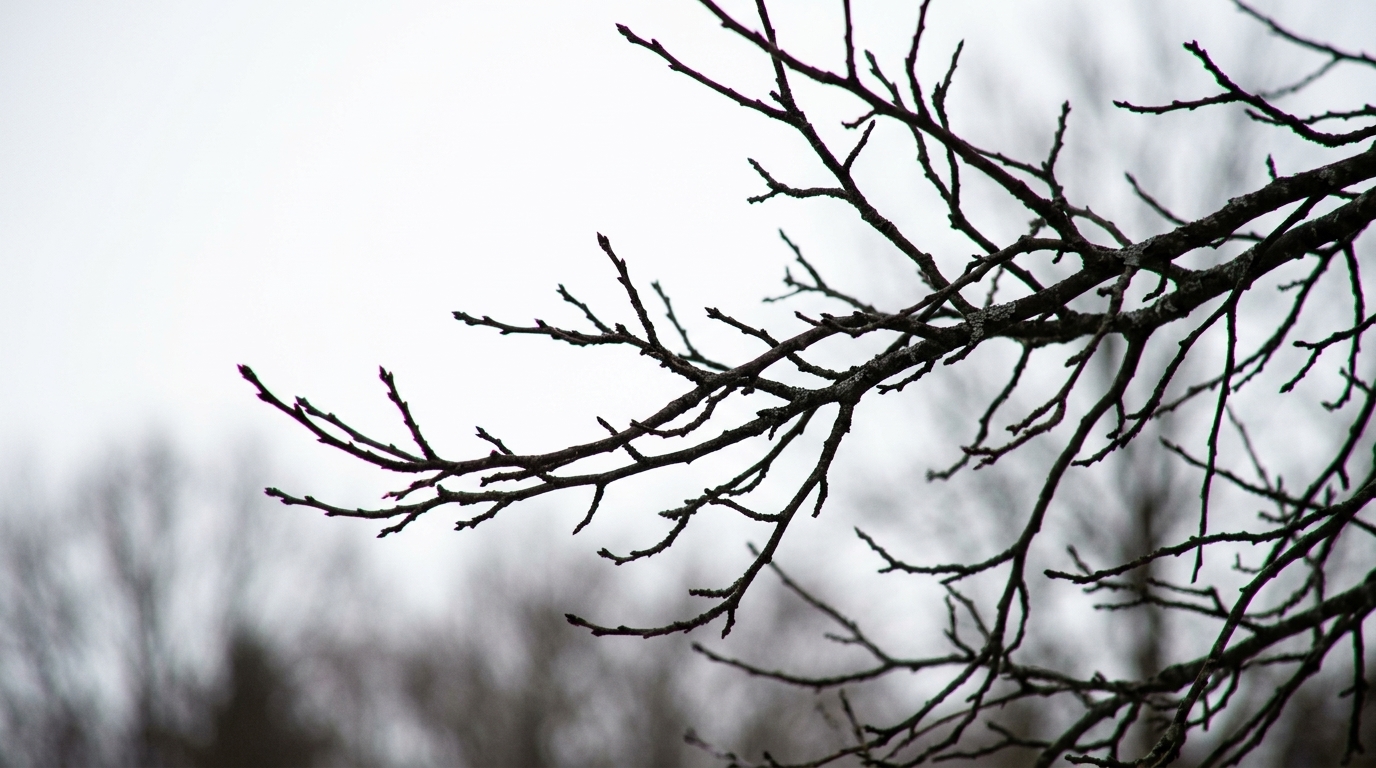
Chromatic aberration is the color fringing you see along high-contrast edges, often a purple or green halo where a dark branch meets a bright sky. A lens should focus every color of light at one point on the sensor. However, different colors bend by different amounts as they pass through glass, so they land in slightly different places. As a result, fine edges lose their bite and pick up colored outlines.
You notice the effect most at wide apertures, toward the corners of the frame, and in scenes with strong contrast. Bare tree limbs against snow, backlit hair, and city skylines at dusk all expose it quickly. Because the problem starts inside the lens, the cleanest fixes also happen inside the lens. Canon addresses it through both glass selection and a newer optical material covered below.
This guide explains the cause in plain terms, then walks through how Canon corrects it across its RF lens lineup. You will also see where the BR optical element fits and why it lets Canon build smaller, sharper lenses.
What Causes Chromatic Aberration?
Refraction is the root cause. White light contains every color, and each wavelength travels through glass at a slightly different speed. Blue light bends more sharply than red, so the colors separate as they exit the lens. Think of a prism splitting sunlight into a rainbow, then picture a milder version of the same split happening at every edge in your photo.
Lens designers fight this by pairing convex and concave elements which bend light in opposite directions. One element spreads the colors, while the next pulls them back toward a shared focus. Careful glass choices tighten the result further. Still, the more correction a designer demands, the more elements the lens tends to need, which adds size and weight.
The Two Types at a Glance
Chromatic aberration shows up in two forms. Knowing which one you are seeing helps you correct it in the field or in editing.
| Type | How It Appears | Where You See It |
|---|---|---|
| Lateral | Colors shift side to side along edges | Frame corners, away from center |
| Longitudinal | Colored halos in front of and behind focus | Wide apertures, across the whole frame |
Software removes lateral fringing well because the shift is predictable. Longitudinal fringing resists editing, so lens-level correction matters more for fast primes. Because of this, Canon invests heavily in optical fixes rather than leaving the work to your computer.
How Canon Corrects Chromatic Aberration
Canon’s chromatic aberration correction picks the method to match each lens design. The base approach combines convex and concave elements to bend light in opposite directions, which brings the separated colors back together. On top of this geometry, Canon selects glass with low dispersion so the colors drift less in the first place.
Two materials do the heavy lifting. UD (Ultra-low Dispersion) glass reduces color spread compared with conventional glass. Fluorite goes further and controls dispersion even more tightly, especially in telephoto designs. Together these materials hold color fringing across the frame. You see the same low-dispersion thinking in lenses like the Canon RF 50mm f/1.2L, where edge fringing stays minimal even wide open.
This method works, yet it has a cost. Large-aperture, ultra-wide to mid-telephoto lenses with short barrels often need many elements to gently bend the light. More elements mean a bigger, heavier lens. To keep image quality high while shrinking the barrel, Canon needed a different idea.
What Makes BR Optics Different
The inspiration came from noise-canceling earphones. Those earphones generate sound waves to cancel out noise. Canon asked a parallel question about light. Instead of gently bending light to suppress fringing, would a strongly refracting material cancel the fringing directly?
From this idea came the BR optical element, short for Blue Spectrum Refractive. Canon makes it from an organic optical material, and it strongly refracts blue light. In a BR system, a conventional lens group first corrects the other wavelengths and leaves the blue out of alignment. Then the BR element refracts the blue light sharply and pulls it back into place. A finished BR lens sandwiches this organic layer between concave and convex glass.
The payoff is design freedom. Because one BR element does work which once took several glass elements, Canon reduces the element count and opens up a wider choice of materials. Canon BR optics give photographers strong correction without the bulk, which helps explain how recent RF lenses stay compact while holding sharpness.
What BR Optics Mean for Your Photos
For your shooting, the benefit is cleaner edges with less weight to carry. Backlit portraits hold accurate color where hair meets bright background. Landscape edges look crisp into the corners, and night scenes show fewer purple halos around lights. If sharp, fringe-free edges matter to you, lenses with low-dispersion glass or a BR element are worth seeking out.
Glass and design only take you so far, though. Stopping down a third to a full stop, nailing focus, and adding a quick correction pass in editing all stack with the optical fixes. When the lens already controls the worst of it, your remaining work gets easier. To go deeper on how elements shape your images, see our primer on how camera lens optics work, and our guide to sharper, cleaner images.
Watch: Canon Explains BR Optics
Canon Imaging Asia covers the same ideas in a short technical video. With the convex and concave concept and the BR element now familiar, the clip’s visuals make immediate sense. It runs under five minutes and shows the correction sequence in motion.
Source: Canon Imaging Asia on YouTube.
Frequently Asked Questions
How does color fringing show up in photos?
It appears as a purple or green outline along high-contrast edges. The lens fails to focus all colors at one point, so edges pick up a colored halo. It shows up most at wide apertures and toward the corners of the frame.
What causes chromatic aberration?
Different colors of light bend by different amounts as they pass through glass. Blue light bends more than red, so the colors separate and miss a shared focus. The lens design and glass type determine how much separation reaches your sensor.
What are BR optics in Canon lenses?
BR stands for Blue Spectrum Refractive. It is an organic optical element which strongly refracts blue light to cancel residual fringing after the other colors are corrected. The approach lets Canon build smaller lenses while holding image quality.
Do editing tools fix chromatic aberration?
Lateral fringing corrects well in software because the shift is predictable. Longitudinal fringing, common with fast primes wide open, resists editing. For this reason, lens-level correction with UD glass, fluorite, or a BR element gives the most reliable result.
Do all Canon RF lenses use BR optics?
No. Canon selects the correction method per lens, so some RF lenses use UD glass or fluorite instead of a BR element. Premium fast lenses are the most likely to include BR optics, since they fight the toughest fringing.

