


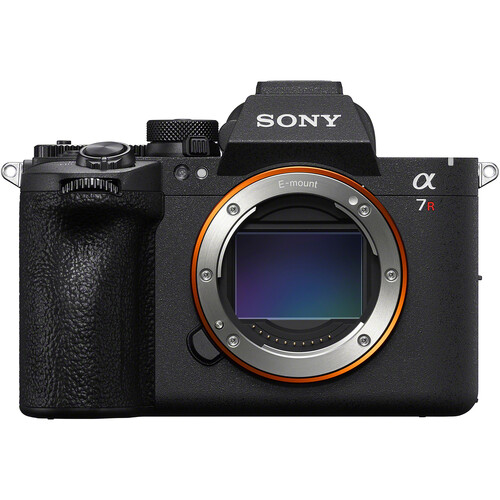
Quick Facts:
- Product: Sony a7R VI (ILCE-7RM6)
- Sensor: 66.8MP full-frame stacked BSI Exmor RS CMOS
- Processor: BIONZ XR2 with integrated AI
- Burst: 30 fps electronic shutter, 10 fps mechanical, both 14-bit RAW
- Video: 8K 30p (about 1.2x crop), 4K 120p uncropped, 10-bit Dual Gain
- Stabilization: 8.5 stops of in-body image stabilization
- EVF: 9.44 million-dot Quad XGA OLED, 3x brighter than a7R V
- LCD: 3.2-inch 2.1 million-dot 4-axis articulating touchscreen
- Storage: Dual CFexpress Type A + SD UHS-II slots
- Battery: New platform (first since 2017), 17% more capacity, 600 EVF / 710 LCD shots
- Price: $4,499 body only
- Availability: June 2026
- Best for: Landscape, studio, wildlife, and high-resolution hybrid shooters
8 min read
In This Article
Sony a7R VI Overview: A Stacked Sensor Lands in the High-Resolution Line
The Sony a7R VI launched today with a major sensor architecture change. For the first time, Sony’s high-resolution Alpha body uses a fully stacked, back-illuminated 66.8MP Exmor RS CMOS sensor. As a result, independent testing measures readout speeds roughly 5.6 times faster than the a7R V. This opens the door to 30 fps electronic-shutter bursts at full resolution, 8K 30p video, and dramatically reduced rolling shutter for fast-action subjects.
The new BIONZ XR2 processor integrates AI processing directly, replacing the dedicated AI co-processor in the a7R V. Therefore, real-time subject recognition runs on a single chip and works at greater distances than before. Sony also bumped IBIS to 8.5 stops, refreshed the EVF brightness by 3x while keeping the same 9.44 million-dot panel, and added illuminated buttons for low-light shooting.
For pricing, the Sony a7R VI price lands at $4,499 body-only, about $600 above the a7R V’s $3,899 launch price. The Sony a7R VI release date is June 2026. Sony also announced a redesigned FE 100-400mm f/4.5 G Master OSS lens alongside the camera at $4,299. It pairs naturally with the new stacked sensor for sports and wildlife shooters who want serious telephoto reach.
The biggest behind-the-scenes change might be the new battery platform, Sony’s first since 2017. The redesigned pack offers 17% more capacity and pushes CIPA ratings to 600 shots through the EVF and 710 through the LCD. However, the new battery does not share electrical compatibility with NP-FZ100 stock, so a7R V owners face an ecosystem reset alongside the upgrade. For broader Sony context, our roundup of the best Sony cameras places every Alpha body in the lineup.
Sony a7R VI Specs at a Glance
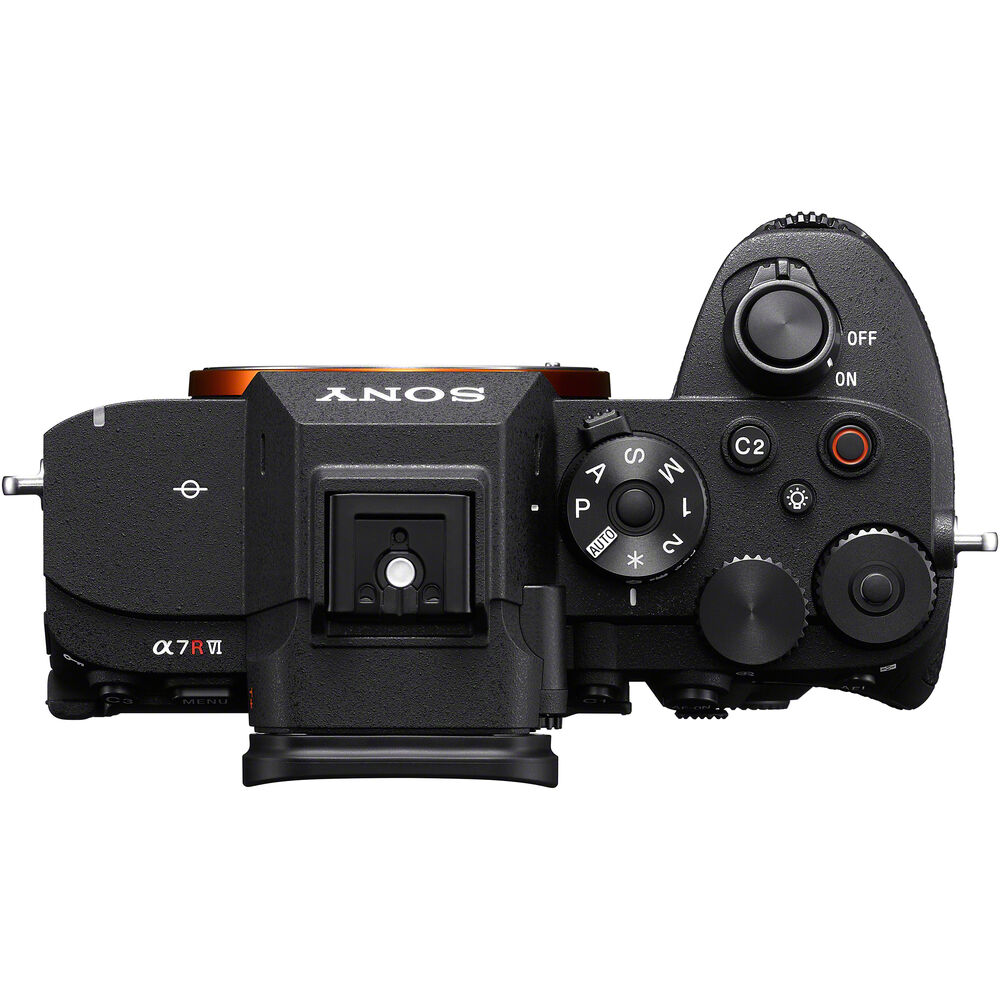
Most of the Sony a7R VI specs build on the a7R V foundation while adding the stacked-sensor speed upgrades. Here is the high-level rundown.
| Specification | Details |
|---|---|
| Sensor | 66.8MP full-frame stacked BSI Exmor RS CMOS |
| Processor | BIONZ XR2 with integrated AI |
| Dynamic range | Up to 16 stops (Sony claim) |
| Burst (electronic) | 30 fps at 14-bit RAW, blackout-free, AF/AE tracking |
| Burst (mechanical) | 10 fps at 14-bit RAW |
| Pre-Capture | User-selectable 0.03 to 1.0 second pre-shutter buffer |
| Video | 8K 30p (about 1.2x crop), 4K 120p uncropped, 4K 60p, 10-bit Dual Gain |
| IBIS | 8.5 stops (CIPA, center frame) |
| Viewfinder | 9.44M-dot Quad XGA OLED, 0.90x magnification, 120 fps refresh, 3x brighter than a7R V |
| LCD | 3.2-inch 2.1M-dot 4-axis articulating touchscreen |
| Storage | Dual CFexpress Type A + SD UHS-II slots |
| Battery | New platform, 17% more capacity, 600 EVF / 710 LCD shots, BC-SAD1 charger |
| Notable extras | Illuminated buttons, Composite Raw Shooting, new mode dial with up to 30 memory recalls |
| Body-only price | $4,499 |
| Availability | June 2026 |
Fund Your Upgrade
Sell Your a7R IV or a7R V to MPB
Free shipping, transparent quotes, and quick payouts. Convert your older a7R body into cash toward the new a7R VI launch.
The Stacked Sensor Story: Why It Matters
For nine years the a7R line has shipped with back-illuminated sensors, but never a stacked design. Stacking the photodiode layer above the circuitry layer dramatically increases readout speed. Independent testing measures roughly 5.6 times faster readout on the new chip than on the a7R V’s sensor. As a result, three previously off-limits capabilities open up at once.
First, electronic-shutter bursts now run at 30 fps with full 14-bit RAW capture, AF/AE tracking, and blackout-free viewfinder behavior. The a7R V topped out at 7 fps in this mode. Second, rolling shutter on still and video frames drops substantially, which matters for fast subjects like birds in flight, sports, and panning shots. Third, 8K 30p video becomes possible internally, even with a roughly 1.2x crop applied.
The stacked design also enables Sony’s new Pre-Capture buffer. Users select a window from 0.03 to 1.0 second before the full shutter press, and the camera records frames retroactively when the shot fires. For wildlife and sports shooters, this feature alone changes how peak-action moments get captured. The a7R V offered no equivalent.
One trade-off worth flagging: stacked sensors historically produce slightly higher base ISO read noise than non-stacked BSI designs. Sony claims 16 stops of dynamic range with the new chip’s AI-based AWB processing, but independent lab tests will tell the real story. For landscape and studio shooters who push files in post, the dynamic range question matters more than burst rate.
AI Autofocus and Video Upgrades
Autofocus on the a7R VI runs on the BIONZ XR2 processor with integrated AI processing. The a7R V used a dedicated AI co-processor, which added board complexity and limited update flexibility. By integrating AI directly, Sony streamlines firmware updates and recognizes subjects from greater distances than the a7R V.
Real-time Recognition AF+ handles people, animals, birds, insects, cars, trains, and airplanes. Sony rates subject acquisition speed and tracking accuracy higher than the a7R V across all categories, though hands-on reviews will need to confirm the gains. The 759-point phase-detection array covers roughly the same area as the a7R V, since the upgrade focused on processing rather than sensor topology.
For video, the headline is 8K 30p internal recording with 10-bit Dual Gain capture. However, 8K uses approximately a 1.2x crop, while 4K 120p remains uncropped. Hybrid creators who shoot heavy slow-motion will appreciate the 4K 120p performance, while those who deliver 8K final masters should plan for the crop factor when picking lenses.
Notable creator features include Composite Raw Shooting, which builds high-resolution composite files in-camera. The refreshed mode dial also offers up to 30 memory recall slots, 10 per shooting mode across Still, Video, and S&Q. The vertical grip, BC-SAD1 charger, and DC coupler all ship as new accessories built around the new battery platform.
Trade In, Trade Up
Turn Older a7R Bodies Into Cash
MPB pays competitive market rates for used Sony a7R III, IV, and V bodies. Stack the payout against the $4,499 a7R VI pre-order and the new battery accessories.
Sony a7R VI vs a7R V: Should You Upgrade?
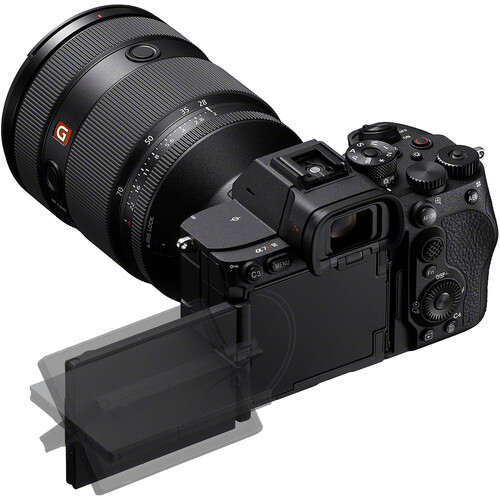
The Sony a7R VI vs a7R V decision turns on what you shoot most. For landscape and studio shooters who work from a tripod and care most about dynamic range and resolution, the gains read smaller. The a7R V’s 61MP BSI sensor still delivers excellent files, the same 4-axis LCD carries over, and 8.5 stops vs 8 stops of IBIS represents a half-stop improvement.
For wildlife, sports, and event shooters, the upgrade math shifts. Going from 7 fps to 30 fps with full 14-bit RAW and blackout-free viewfinder is a step-change. Pre-Capture adds another tool the a7R V lacked entirely. Reduced rolling shutter from the stacked sensor also helps with panning and electronic-shutter flash sync. Our deep-dive on the Sony a7R V review covers the predecessor’s strengths in detail.
However, three concerns push back against an automatic upgrade. The $600 price increase puts the a7R VI at $4,499, still about $2,000 below the Sony a1 II body at $6,499. The new battery platform forces an accessory reset for owners with deep NP-FZ100 inventory. Finally, the EVF panel resolution stays at 9.44 million dots, the same as the a7R V, with only brightness improved.
For Sony shooters running both a7R V and a1 (or a9) bodies, the upgrade case lands more clearly. The a7R VI brings the resolution side of the kit up to flagship speed. For everyone else, the a7R V remains a strong working tool, and waiting for independent reviews on rolling shutter and dynamic range before committing makes sense.
Who the a7R VI Is For
The a7R VI earns its keep with specific audiences. High-resolution wildlife and sports shooters top the list. The 30 fps burst, stacked sensor, and Pre-Capture features finally close the speed gap with the Sony a9 III and Canon R5 Mark II. For hybrid creators who deliver 8K masters or heavy slow-motion 4K 120p, the new body answers prior limitations on the a7R line.
Landscape and studio shooters benefit from the resolution bump (66.8MP vs 61MP), 16-stop dynamic range claim, and Composite Raw Shooting. However, the a7R V already served this audience well at $3,899 launch pricing. For pure landscape workflows, the upgrade is incremental rather than transformative.
Event and wedding photographers gain real workflow value from improved low-light AF reach, blackout-free shooting, and the longer 600/710-shot battery rating. For weddings especially, fewer battery swaps per day shaves real time off the workflow. Our Sony A1 review covers the pro flagship for context on where the a7R VI sits below it.
Budget-conscious shooters and step-up buyers from older Alpha bodies should look at used a7R IV or a7R V inventory before committing to launch pricing. The $4,499 a7R VI is roughly $2,700 above used a7R V street prices through reputable resellers. Our roundup of the best used mirrorless cameras under $1,000 covers the entry-level alternatives.
Pros and Cons of the a7R VI
Pros
- First fully stacked BSI sensor in the a7R line at 66.8MP
- 30 fps electronic burst with 14-bit RAW, blackout-free, AF/AE tracking
- BIONZ XR2 with integrated AI replaces the a7R V’s separate AI co-processor
- 8K 30p internal video and uncropped 4K 120p with 10-bit Dual Gain
- 8.5 stops of IBIS, up from 8 stops on the a7R V
- Pre-Capture buffer of 0.03 to 1.0 second pre-shutter
- EVF runs 3x brighter than the a7R V at 9.44M-dot Quad XGA resolution
- New battery platform with 17% more capacity, 600/710-shot CIPA rating
- Illuminated buttons and new mode dial with up to 30 memory recall slots
- Composite Raw Shooting builds high-resolution composites in-camera
Cons
- $4,499 body-only price runs $600 above the a7R V’s launch, though still about $2,000 below the a1 II
- New battery platform forces NP-FZ100 owners into an accessory ecosystem reset
- EVF resolution unchanged at 9.44M-dot, only brightness improved
- 8K 30p video uses approximately a 1.2x crop, not full-frame readout
- Storage stays at dual CFexpress Type A + SD UHS-II, no Type B upgrade despite higher data rates
- No dedicated Speed Boost button as on the a1 II or a9 III
- Independent dynamic range and rolling shutter results not yet available at launch
Final Verdict on the a7R VI
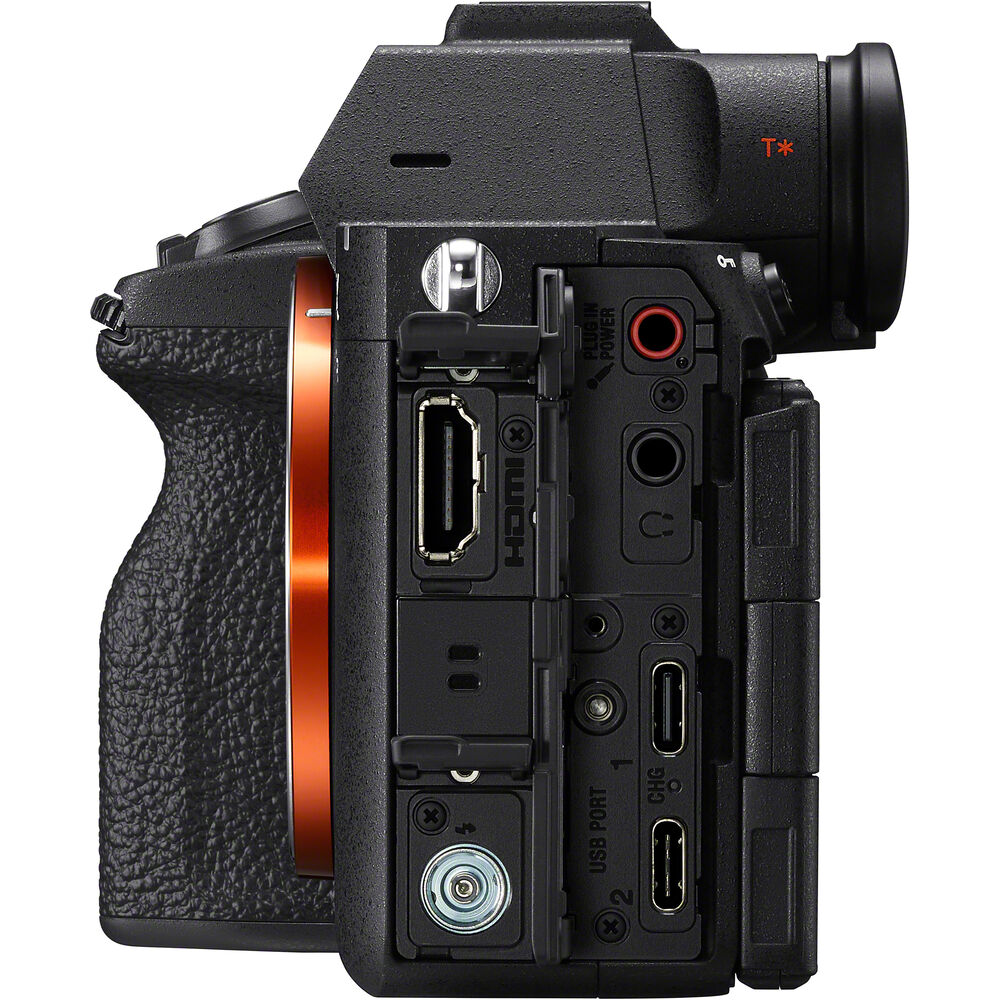
The a7R VI earns a clear recommendation for wildlife, sports, and high-resolution hybrid shooters who need both pixel count and speed in a single body. The stacked sensor is the headline change, since it finally pushes the high-resolution a7R line into burst-rate territory previously reserved for the a1 and a9 lines. Combined with the new BIONZ XR2 processor, AI-integrated autofocus, Pre-Capture, and 8K internal video, the a7R VI represents the most substantial upgrade in the line’s history.
However, the $4,499 launch price and the new battery ecosystem reset deserve honest evaluation. At $600 over the a7R V’s launch and roughly $2,000 below the a1 II body, the value calculus depends on which features matter to your workflow. Pure landscape and studio shooters working from tripods will find the a7R V at used street prices a sharper bet, since the speed gains do not apply to their workflow.
On the lens side, the new FE 100-400mm f/4.5 G Master at $4,299 pairs naturally with the a7R VI for sports and wildlife kits. Combined, the body and lens land at roughly $8,800, which lands in pro-kit territory. For Sony shooters already running the original FE 100-400mm GM and an a7R V, the new combo represents a meaningful but expensive step up.
My Take on the a7R VI
I am not a Sony shooter, but I watch the a7R line closely. The stacked sensor and 16-stop dynamic range claim are real upgrades worth respecting. However, the $600 price jump and the new-battery ecosystem reset are real friction points for current a7R V owners. If you sit deep in NP-FZ100 inventory, the math gets harder before it gets easier. Wait for independent rolling shutter and dynamic range numbers before pre-ordering, especially if your primary workflow is landscape or studio. For wildlife and sports shooters who have wanted high-resolution speed in one body, the a7R VI is the strongest argument Sony has made for the a7R line in years.
Ready to Upgrade?
Sell Your Old a7R Body and Lock In the Launch
MPB makes the swap painless with instant online quotes, free insured shipping, and a six-month warranty on every used purchase. Sell now and pre-order before the June launch window fills up.
Frequently Asked Questions
What is the Sony a7R VI?
Sony’s newest high-resolution Alpha mirrorless body, the Sony a7R VI was announced today and ships in June 2026. The camera carries a 66.8MP fully stacked BSI Exmor RS CMOS sensor, the new BIONZ XR2 processor with integrated AI, 30 fps electronic burst shooting, 8K internal video, and 8.5 stops of IBIS.
How much does the Sony a7R VI cost?
The Sony a7R VI price is $4,499 for the body alone. Sony also announced a new FE 100-400mm f/4.5 G Master OSS lens at $4,299 on the same day. Both products are available for pre-order now and ship in June 2026.
When does the Sony a7R VI release?
Shipping starts in June 2026, which Sony confirmed as the Sony a7R VI release date. Pre-orders opened at B&H Photo today, with other major retailers expected to follow on the same timeline.
Is the Sony a7R VI better than the a7R V?
For most shooters, the Sony a7R VI vs a7R V comparison favors the new body on speed, video, and autofocus processing. The stacked sensor enables 30 fps bursts versus 7 fps, faster sensor readout for reduced rolling shutter, and AI processing integrated into the main image processor. However, for pure landscape and studio workflows, the a7R V still delivers excellent files at lower current pricing.
Does the Sony a7R VI shoot 8K video?
Yes. The a7R VI records 8K 30p internally with 10-bit Dual Gain capture. The 8K mode applies approximately a 1.2x crop, while 4K 120p remains uncropped from the full sensor area.
How many megapixels does the Sony a7R VI have?
At 66.8 megapixels, the a7R VI carries a full-frame stacked BSI Exmor RS CMOS sensor. The resolution increase from the a7R V’s 61MP runs about 9%, while the stacked architecture delivers roughly 5.6x faster sensor readout.

