


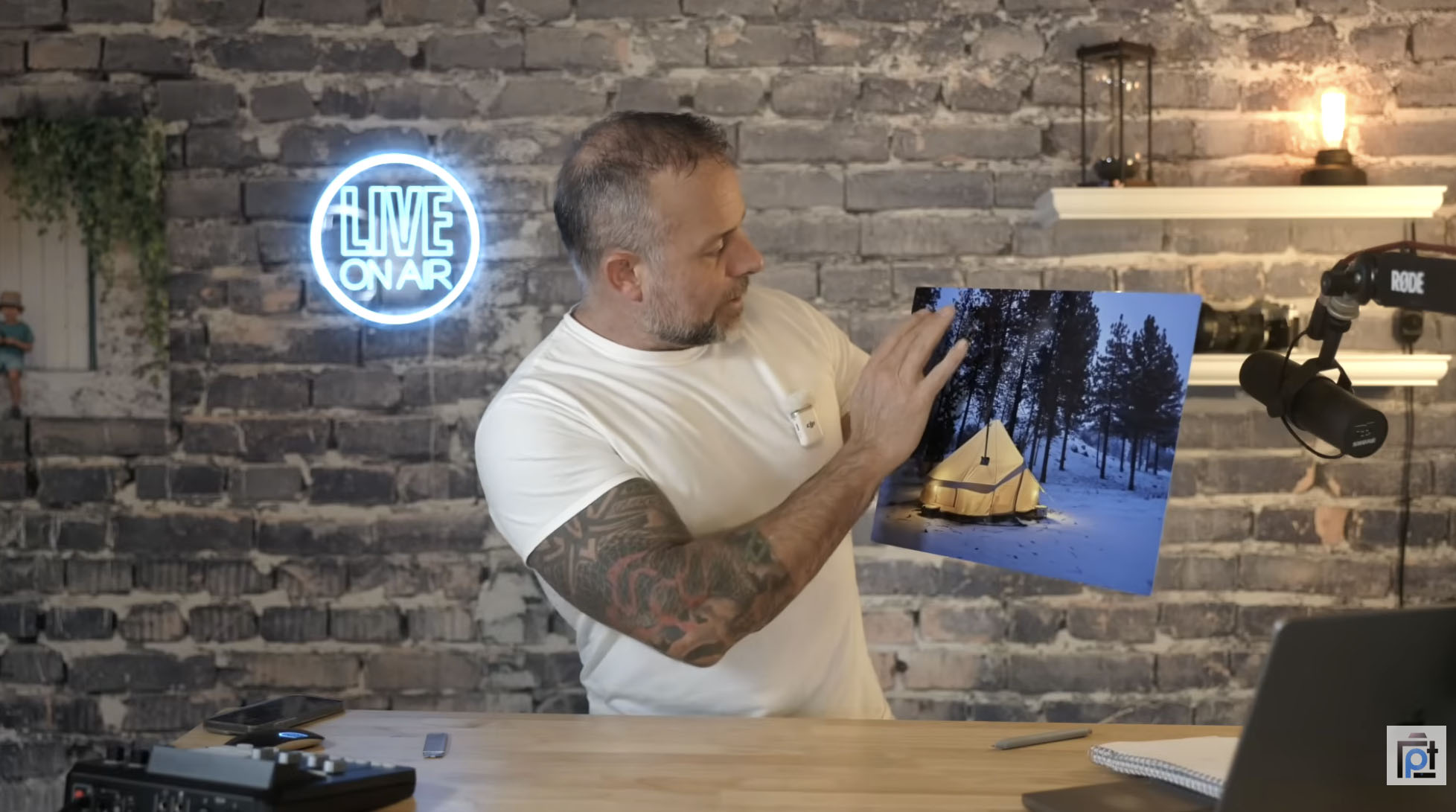
We’ve all seen it happen. A favorite photo sits proudly on the wall for years, only to slowly lose its punch. Whites turn yellow, colors soften, and details that once felt sharp begin to drift away. For something meant to preserve a memory, that quiet fade can feel surprisingly personal.
That frustration is exactly why longevity matters when choosing a print medium. It’s not just about how an image looks on day one, but how it holds up through sunlit afternoons, seasonal humidity, and decades of everyday living. The materials and processes behind a print determine whether it becomes an heirloom or a temporary decoration.
This is where Lumaprints metal prints change the conversation. Built with a fundamentally different approach to image transfer and protection, they’re designed to maintain color, contrast, and clarity for more than a century. Let’s take a closer look at how that’s possible, and why the science behind these prints matters more than most people realize.
Table of Contents
- The Science Behind Lumaprints Metal Prints
- The Protective Polymer Coating That Locks in Color
- Why Color Calibration Plays a Bigger Role Than You Think
- Aluminum as a Stable, Long-Term Foundation
- Real-World Testing and What 100+ Years Really Means
- How Your Original File Impacts Longevity
- How Lumaprints Metal Prints Compare to Other Mediums
- Why Longevity Changes the Way We Value Printed Photos
The Science Behind Lumaprints Metal Prints
The longevity of Lumaprints metal prints starts with how the image is transferred to the surface. Instead of ink sitting on top of paper fibers or canvas texture, the image is infused directly into a polymer-coated aluminum sheet using a dye sublimation process. Heat and pressure turn solid dyes into gas, allowing them to bond within the coating itself.
This matters because surface-level inks are inherently vulnerable. They can be scratched, lifted by moisture, or slowly broken down by UV exposure. When color becomes part of the material rather than a layer on top, it’s far less exposed to environmental stress.
Over time, this embedded approach dramatically slows the chemical reactions that cause fading. Lumaprints metal prints aren’t fighting gravity, dust, and sunlight from the outside. They’re protected from within, which is a key reason their color stability extends well beyond traditional print methods.
From a practical standpoint, this also means consistency. The image you hang today is engineered to look essentially the same decades from now, not just similar or close enough.
The Protective Polymer Coating That Locks in Color
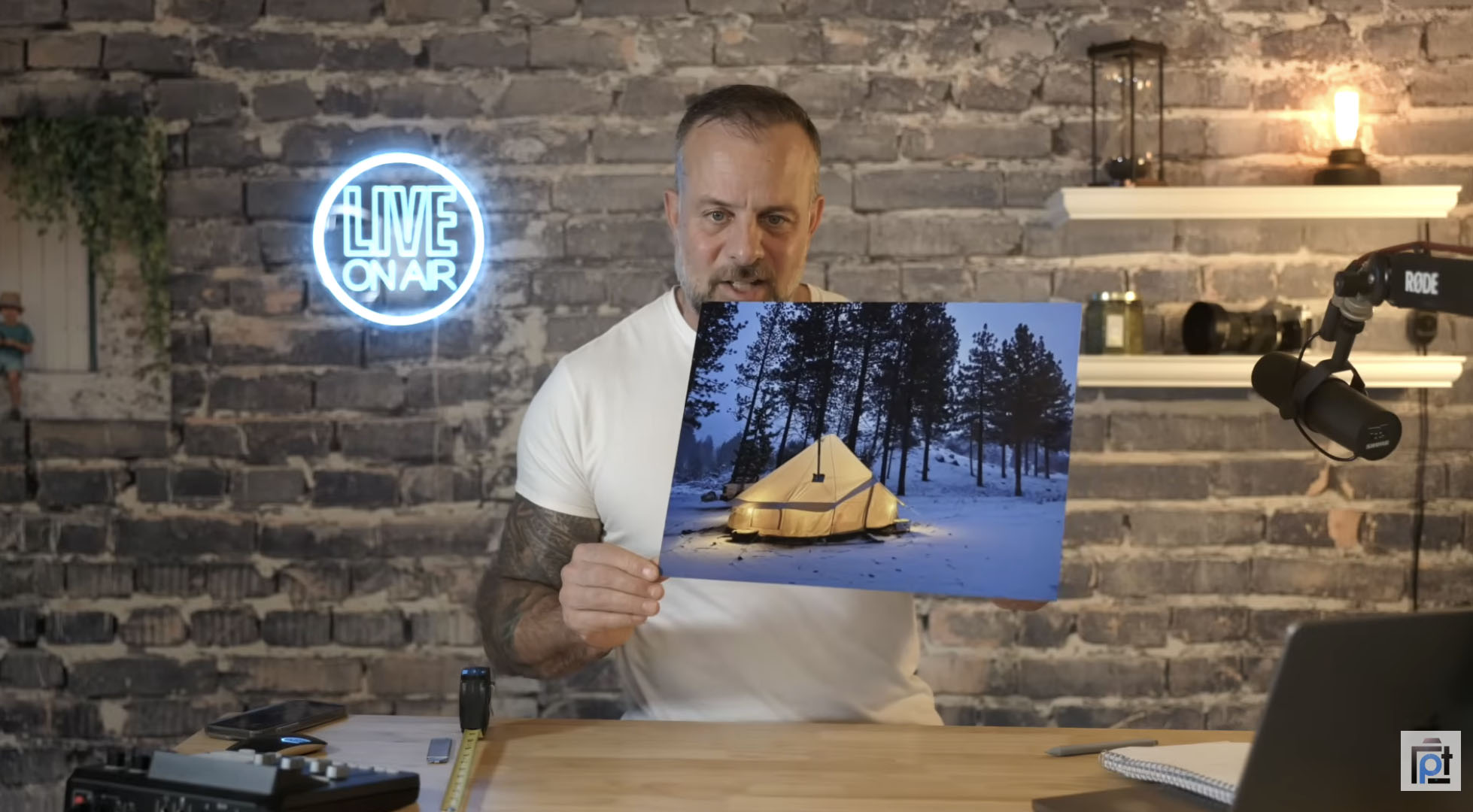
The polymer coating used in Lumaprints metal prints acts as a clear, durable shield over the image. Once the dyes are infused, this coating becomes the first line of defense against moisture, abrasion, and airborne contaminants.
Unlike paper prints that can absorb humidity or canvas that can trap particles in its weave, this sealed surface resists environmental intrusion. Kitchens, bathrooms, and sunlit rooms are far less risky environments when the image is fully encapsulated.
In everyday terms, this coating is what allows you to clean the surface gently without fear. Dust, fingerprints, or light splashes won’t compromise the image underneath, which directly contributes to long-term visual integrity.
That durability isn’t just about convenience. It’s about preserving color saturation and contrast in real-world conditions, not just controlled gallery spaces.
Why Color Calibration Plays a Bigger Role Than You Think

Longevity isn’t only about materials. It also depends on how accurately color is reproduced from the start. Lumaprints metal prints benefit from carefully calibrated printing systems that maintain consistent color profiles across production runs.
Accurate calibration ensures that dyes are applied evenly and predictably. This reduces the risk of color imbalance, banding, or uneven saturation that can accelerate degradation over time.
From personal experience, I’ve seen poorly calibrated prints fade unevenly, where certain hues disappear faster than others. Proper calibration helps all colors age at the same rate, preserving the overall look of the image.
When color accuracy is controlled from the beginning, longevity becomes far more reliable and measurable.
Aluminum as a Stable, Long-Term Foundation
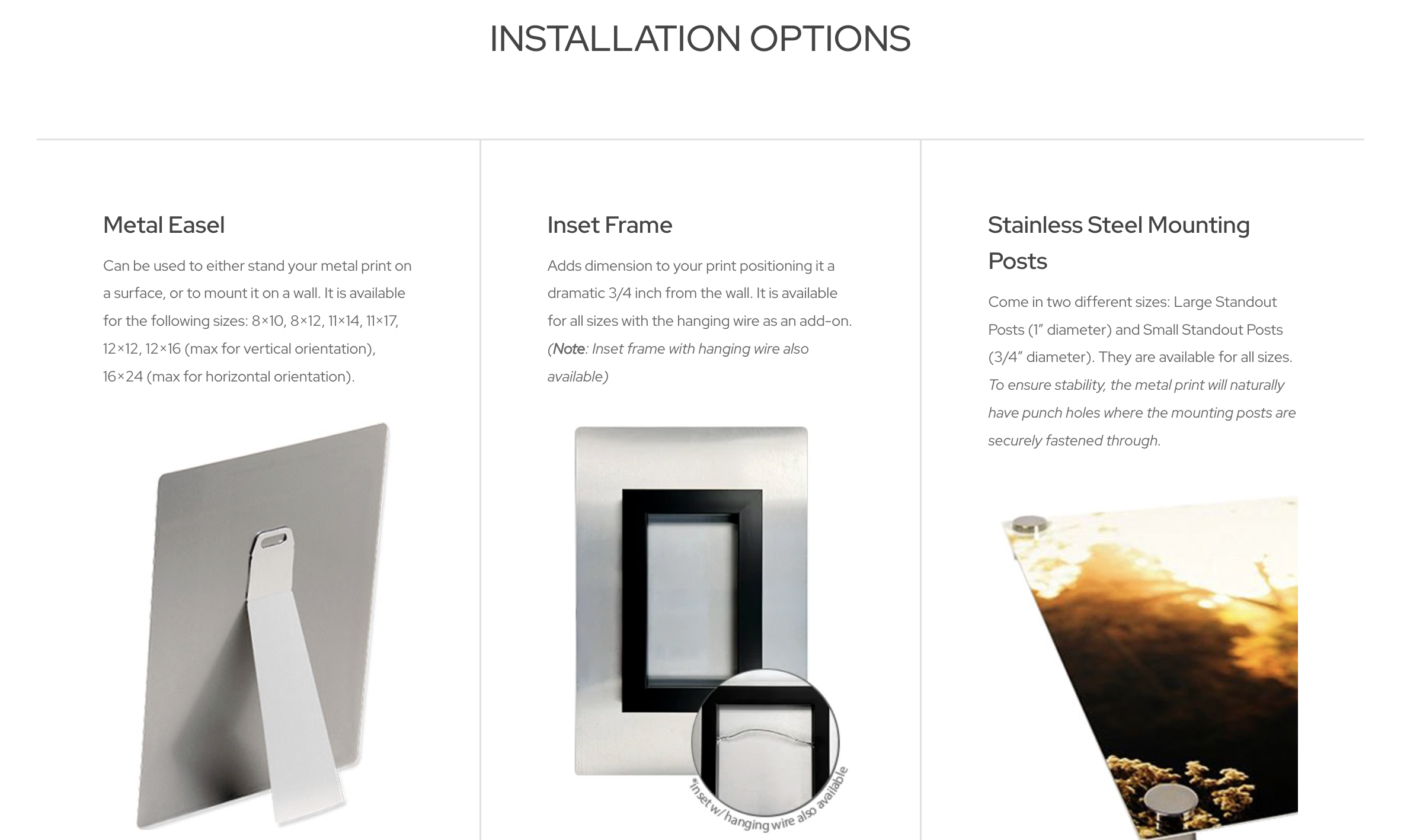
The aluminum base used in Lumaprints metal prints provides a level of physical stability that paper and canvas simply can’t match. Aluminum doesn’t warp, crack, or yellow as it ages.
Temperature swings and humidity changes can wreak havoc on organic materials. Metal, by contrast, remains dimensionally stable, keeping the image surface flat and intact over time.
This stability also helps protect the polymer coating itself. When the base doesn’t flex or degrade, the protective layers above it remain undisturbed.
In practical terms, aluminum gives the image a solid backbone, allowing the visual elements to remain unchanged even as decades pass.
Real-World Testing and What 100+ Years Really Means
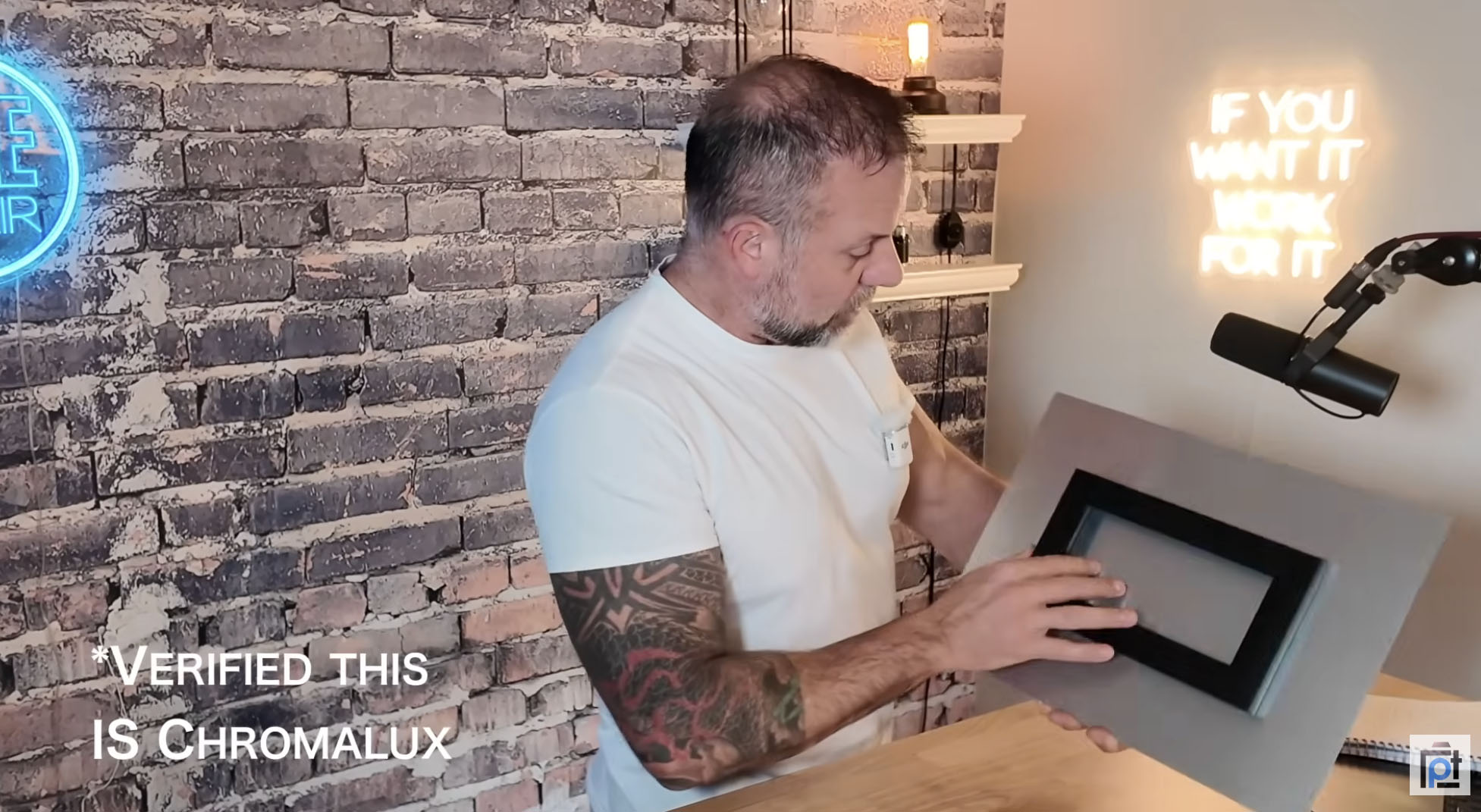
Claims of 100+ year longevity aren’t guesswork. They’re based on accelerated aging tests that expose Lumaprints metal prints to intense light, heat, and humidity in controlled environments.
These tests simulate decades of exposure in a compressed timeframe, allowing scientists to observe how colors shift and materials respond. When properly produced metal prints show minimal change under these conditions, it provides a strong indicator of real-world performance.
Galleries and professional studios rely on this data when choosing print mediums for long-term display. The confidence comes from consistent results, not marketing language.
In short, longevity is measured, not assumed.
How Your Original File Impacts Longevity
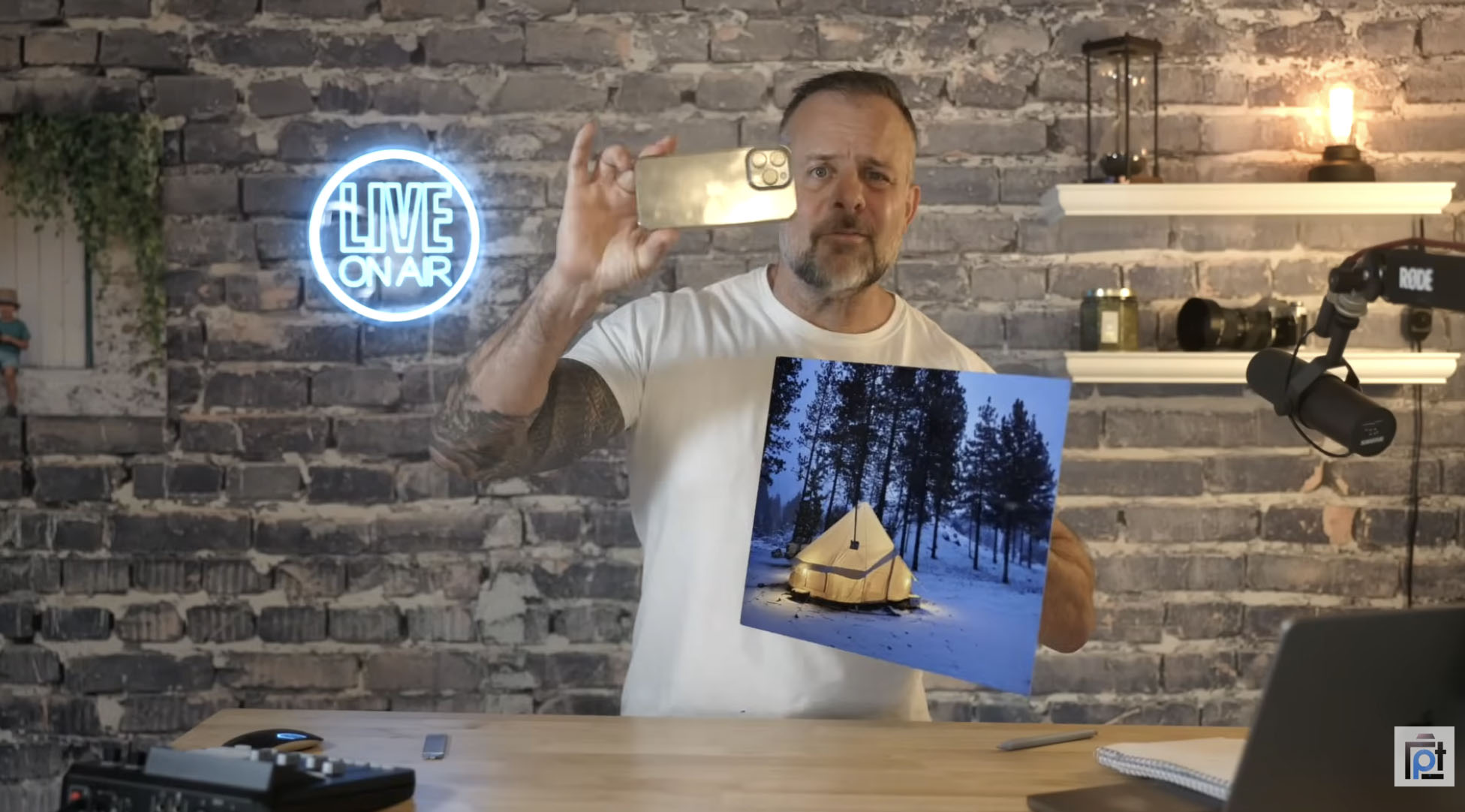
Even the best materials can only work with what they’re given. High-quality source files play a meaningful role in how Lumaprints metal prints age over time.
Clean gradients, balanced contrast, and controlled noise help ensure dyes are distributed evenly during the transfer process. This minimizes stress on specific color channels.
I’ve found that images with thoughtful tonal control tend to maintain their visual impact longer, simply because no single area is pushed beyond what’s necessary. Starting with a strong file allows the print’s inherent durability to do its job more effectively.
How Lumaprints Metal Prints Compare to Other Mediums
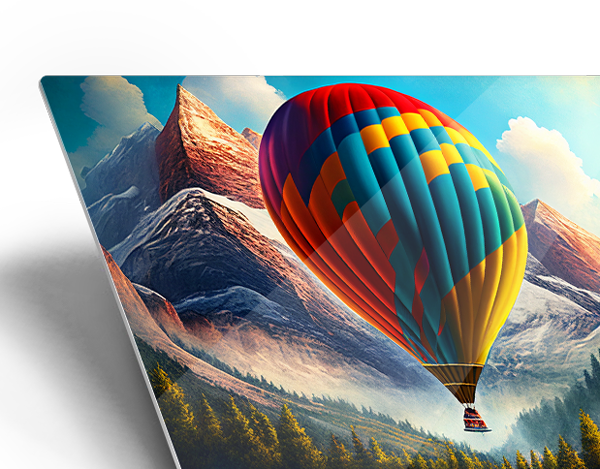
Paper prints remain popular, but they’re vulnerable to moisture, UV exposure, and air quality. Canvas offers texture, yet its fibers can stretch and discolor over time.
Acrylic prints deliver brightness, but their surfaces can scratch and yellow, especially in bright environments. Each medium has strengths, but longevity is often the tradeoff.
Lumaprints metal prints avoid many of these weaknesses by combining an inert base with embedded color and a sealed surface. When long-term preservation matters, the difference becomes clear after years, not months.
Why Longevity Changes the Way We Value Printed Photos

Knowing that Lumaprints metal prints are built to last over a century changes how we think about printing photos in the first place. These aren’t temporary decorations. They’re visual records meant to endure.
That sense of permanence adds weight to the images we choose to print. Travel memories, family portraits, and personal artwork gain a new level of significance when we trust they’ll remain intact for future generations.
For me, that confidence is the real value. It’s the assurance that the story captured in a single frame won’t quietly fade away. Instead, longevity turns printing from a momentary decision into a lasting investment.
Frequently Asked Questions
Do Lumaprints metal prints really last over 100 years?
Yes. Based on accelerated aging tests and material stability, Lumaprints metal prints are engineered to maintain color and clarity for over a century under normal display conditions.
Can Lumaprints metal prints be displayed in bright rooms?
They can. The polymer coating and embedded dyes provide strong resistance to UV exposure compared to traditional paper prints.
Are Lumaprints metal prints safe for humid environments?
Yes. Their sealed surface resists moisture, making them suitable for kitchens, bathrooms, and other high-humidity areas.
Does image quality affect how long the print lasts?
High-quality source files help ensure even dye distribution, which supports consistent aging and long-term visual stability.
How do Lumaprints metal prints compare in maintenance?
They require minimal care. Light dusting or gentle cleaning is usually enough, without risking damage to the image.
Our articles might have affiliate links and the occasional sponsored content, but don’t sweat it – if you buy something, we get a little kickback at no extra cost to you, and we only hype products we truly believe in!

