


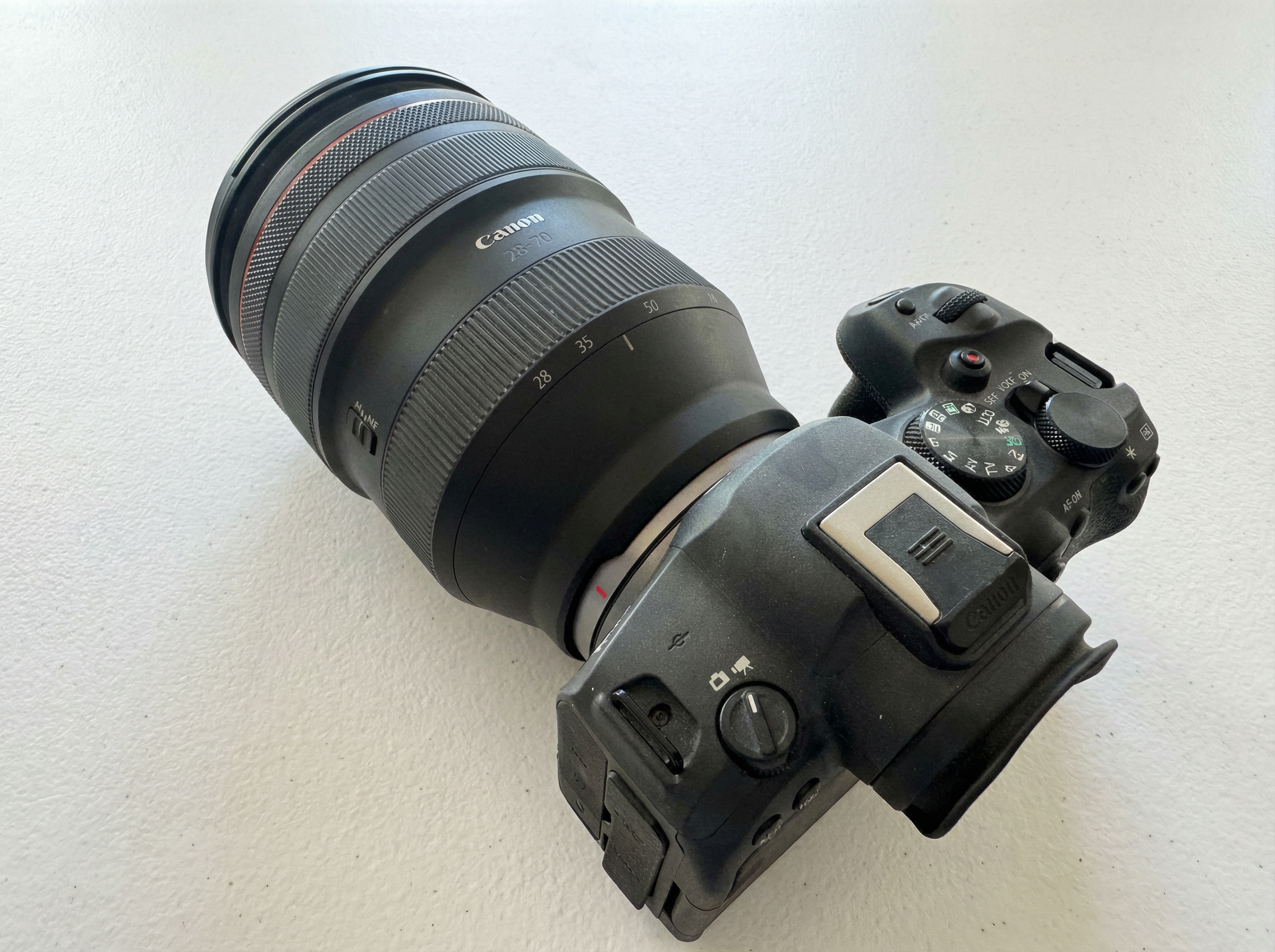
Quick Verdict: After two years of daily use, the Canon R6 Mark II stands as one of the strongest hybrid cameras I have ever owned. I shoot 99% of my studio video on this body, paired with the RF 28-70mm f/2, and it delivers sharp oversampled 4K 60p footage with 10-bit Canon Log 3 every session. For approximately $1,699 refurbished or around $1,300-$1,500 used on MPB, this 24.2MP full-frame mirrorless camera offers outstanding autofocus with 4,897 AF points, 8-stop IBIS, and 40fps burst shooting. The biggest trade-off is resolution; at 24.2MP, cropping flexibility falls short of higher-resolution competitors like the 33MP Sony A7 IV.
Last updated: April 2026 | 10 min read
In This Review
Canon R6 Mark II Review: Why I Went All-In on Canon
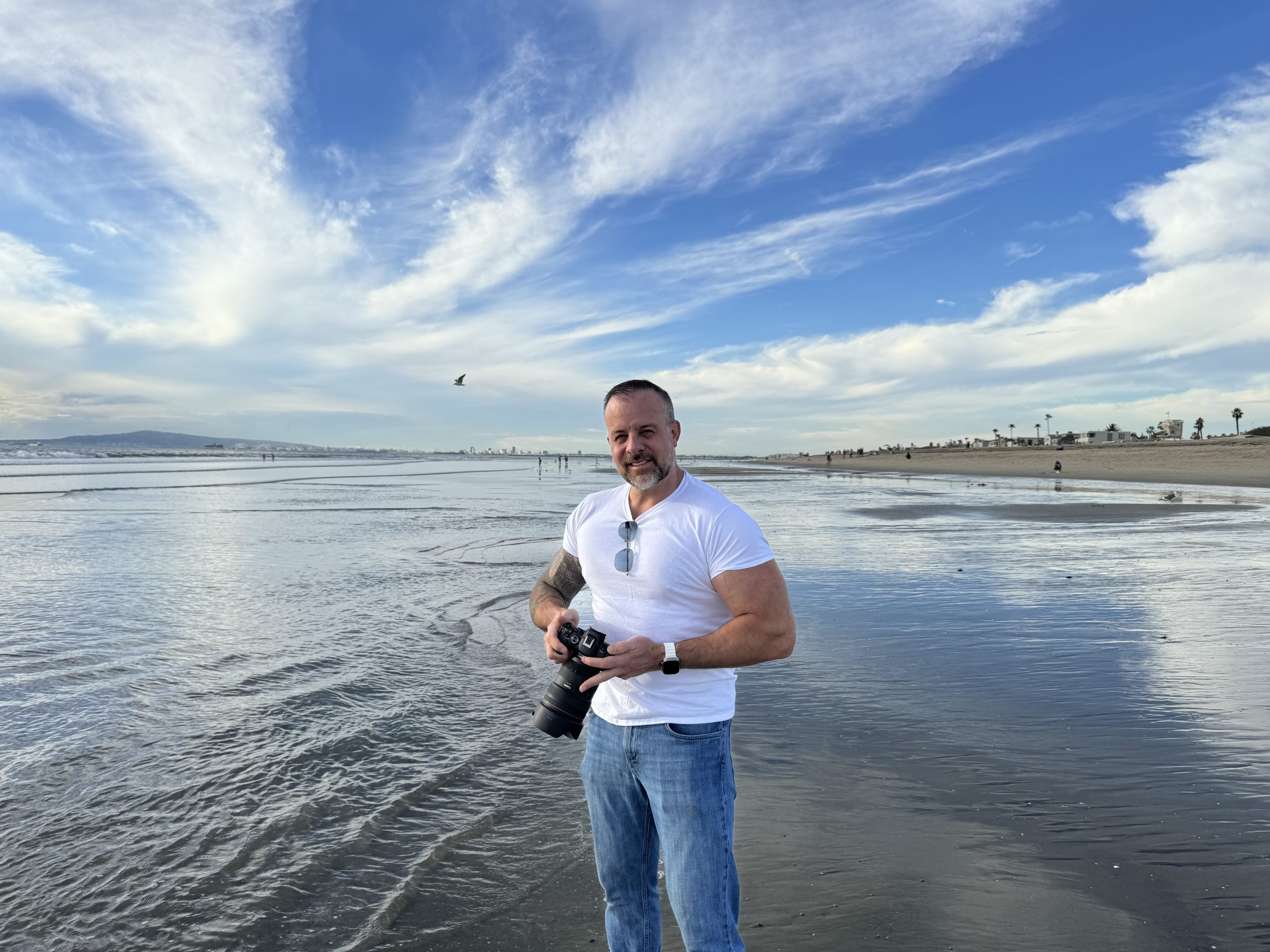
In 2020, I made a decision I had been debating for years. I sold off my Nikon, Panasonic, and Sony gear and committed entirely to Canon’s RF system after seeing the EOS R5 announcement. The original Canon R6 became my first RF-mount body, and I fell in love with it immediately. However, when the Canon R6 Mark II arrived, it leveled up everything I already appreciated about the original.
This Canon R6 Mark II review covers two full years of ownership as a hybrid camera. Specifically, I use this body for 99% of the video content I produce in my studio, so this Canon R6 Mark II review leans heavily toward the video and hybrid shooting experience. For photographers looking at this body for stills, the autofocus and burst rate sections will be particularly relevant to your needs.
The Canon EOS R6 Mark II launched at $2,499 for the body. Prices have since dropped to approximately $1,699 refurbished from Canon, and used bodies on MPB sell for even less depending on condition. Compared to the original R6, you get a bump from 20MP to 24.2MP, double the electronic shutter burst rate (40fps vs. 20fps), improved subject detection AI, and enhanced video features including the removal of the 30-minute recording limit. For hybrid shooters and content creators, this full-frame mirrorless camera hits a sweet spot between the R8 below it and the R5 above it.
Key Specs at a Glance
| Specification | Details |
|---|---|
| Sensor | 24.2MP Full-Frame CMOS (36 x 24mm) |
| AF System | Dual Pixel CMOS AF II, 4,897 points, -6.5EV sensitivity |
| Burst Rate | 40fps (electronic) / 12fps (mechanical) |
| Video | 4K 60p oversampled (full width), 10-bit 4:2:2 Canon Log 3 |
| External Recording | 6K ProRes RAW via Atomos (up to 60fps) |
| IBIS | 8 stops of stabilization |
| Subject Detection | People, animals, vehicles, aircraft (10+ categories) |
| Card Slots | Dual SD UHS-II |
| Battery Life | 580 shots (LCD) / 320 shots (EVF) CIPA rated |
| Weight | 680g (with battery and card) |
| Price (Body Only) | ~$2,499 new / ~$1,699 refurbished / ~$1,300-$1,500 used (MPB) |
Featured on MPB
Canon EOS R6 Mark II
Save hundreds on a used Canon R6 Mark II. Every purchase from MPB includes a free 6-month warranty and free shipping.
Autofocus Performance After Two Years

The Dual Pixel CMOS AF II system on the R6 Mark II is the single feature I appreciate most about this camera. With 4,897 AF points and deep-learning-based subject detection, this system locks on and refuses to let go. Specifically, it detects and tracks people (including eye, face, and head detection), animals (dogs, cats, birds, horses), and vehicles (cars, motorcycles, aircraft, trains). The auto mode intelligently selects the best tracking algorithm based on the subject it detects in the frame.
For my studio work, eye AF performs flawlessly during video recording. I set it, forget it, and focus entirely on directing my subject. Consequently, I spend zero time worrying about missed focus during a shoot. The system also functions at -6.5EV, meaning it picks up subjects in extremely low light scenarios. Although I primarily shoot in a controlled studio environment, I have also used the R6 Mark II for outdoor event coverage, and the AF tracking held up equally well with erratic subject movement.
Compared to my previous Sony and Nikon setups, the Canon R6 Mark II autofocus feels more decisive. It does not hunt or hesitate, especially with Canon’s native RF lenses. While the Sony A7 IV offers strong real-time tracking, the Canon’s subject detection categories give it a measurable advantage for sports, wildlife, and motorsport shooters specifically. Canon has also improved the AF tracking via firmware updates since launch, and the system in 2026 performs noticeably better than it did on day one.
Video Performance in the Studio
While the autofocus system serves still photographers and wildlife shooters well, my primary use for the Canon R6 Mark II is video. For my studio workflow, video is where this camera earns its place on my rig day after day. The camera shoots oversampled 4K 60p from the full sensor width with no crop. In 10-bit 4:2:2 with Canon Log 3, the footage grades beautifully in post-production. For context, I previously shot with Panasonic bodies for video work, and the R6 II matches or exceeds the grading flexibility I had with those cameras.
One of the biggest improvements over the original R6 is the removal of the 30-minute recording limit. I regularly run continuous recording sessions lasting 40+ minutes at 4K 60p without overheating. Canon addressed the thermal management with an improved circuit design, and after two years of consistent use, I have never experienced a single heat-related shutdown in my air-conditioned studio. Rolling shutter performance is also strong at sub-20ms for full-width capture, which matters for anyone panning or shooting fast lateral movement.
Additionally, the R6 Mark II supports 6K ProRes RAW output to compatible Atomos recorders at up to 60fps. I do not personally use this feature in my studio workflow, but it opens up significant post-production flexibility for filmmakers who need it. Focus breathing compensation works with compatible RF lenses, including the 28-70mm f/2 I shoot on, and it produces smoother rack focuses during interview-style content.
Featured on MPB
Trade In Your Old Camera Gear
Sell your old Nikon, Sony, or Panasonic gear to MPB and put the funds toward a Canon R6 Mark II. Free insured shipping on all trade-ins.
Color Science and Image Quality
Canon’s color science is the reason I switched systems in the first place, and this is where any Canon R6 Mark II review has to spend time. The R6 Mark II delivers on color rendering fully. Skin tones render naturally and richly straight out of the camera, with none of the magenta or green shifts I experienced on other systems. Reds, blues, and greens hold deep saturation without looking oversaturated or artificial. For portrait and interview work, this color rendering means less time correcting skin tones in post and more time focused on the creative edit.
At low ISO values, the 24.2MP sensor produces clean and detailed images with excellent dynamic range. High ISO performance is similarly impressive; I regularly shoot at ISO 3200 in my studio with zero concern, and the results at ISO 6400 are equally usable. Files at ISO 12,800 hold up well for web delivery, although print-quality output starts to degrade above ISO 6400 depending on the subject. Because the sensor sits at 24.2MP rather than 33MP or 45MP, each photosite is larger, which directly contributes to this strong low-light performance.
The RF 28-70mm f/2 Pairing
My go-to lens for studio work is the Canon RF 28-70mm f/2 L USM, and pairing it with the Canon R6 II creates a setup I rely on for every shoot. This lens is a beast at 1,430 grams and 95mm filter thread size, so it is not a lightweight option. However, the constant f/2 aperture across the entire zoom range gives me one full stop more light than a typical f/2.8 zoom, and the bokeh at 70mm f/2 is extraordinary.
Sharpness across the frame is outstanding even wide open. I frequently shoot interviews at 50-70mm and f/2, and the subject separation from the background gives my studio video a cinematic quality without needing prime lenses for each focal length. Because the R6 Mark II has 8 stops of IBIS and the lens lacks built-in optical stabilization, the in-body stabilization carries the entire load for handheld work. In practice, this combination handles it smoothly. The lens retails for $2,999 new, although used copies on MPB sell for $1,800-$2,200 depending on condition. At those prices, the total investment in this combo is significant, but the image quality and versatility justify the cost for professional use.
Ergonomics and Build Quality

The Canon R6 Mark II fits my hand better than any camera I have owned. The deep grip at 88.4mm accommodates four fingers comfortably, and the main dials fall naturally under my thumb and index finger. Since I came from Nikon, Sony, and Panasonic bodies, this improved grip geometry stood out to me immediately. Even with the heavy RF 28-70mm f/2 mounted, the camera balances well and does not feel front-heavy during extended shooting sessions.
Build quality is solid with weather sealing throughout, although the rubber flaps covering the HDMI and USB ports are a minor annoyance. I prefer proper hinged doors, and the micro-HDMI connector feels fragile for professional video work. Notably, the camera lacks the RS-80N3 remote terminal found on the R5, which limits some remote triggering options. These are small complaints in the context of an otherwise well-built body weighing 680 grams.
Canon R6 Mark II vs. Original R6: What Changed
No Canon R6 Mark II review is complete without comparing it to the original. Having owned both cameras, the Mark II is a clear upgrade in several areas. The resolution increase from 20MP to 24.2MP provides a modest improvement in detail, although the difference is more noticeable in cropped images than in full-frame output. The burst rate doubles from 20fps to 40fps on the electronic shutter, and the autofocus subject detection AI is significantly smarter, with expanded categories for animals and vehicles. Consequently, wildlife and motorsport photographers benefit the most from the Mark II upgrade.
For video shooters, the Mark II resolves two major frustrations from the original R6. First, it eliminates the 30-minute recording limit entirely. Second, it improves thermal management so 4K 60p recording sessions last 40+ minutes without heat-related shutdowns. The addition of Canon Log 3 and 10-bit 4:2:2 internal recording also give the Mark II stronger grading flexibility. In contrast, the original R6 was more limited in its internal recording options.
Where the two cameras feel identical is in ergonomics and physical handling. The bodies share the same dimensions, grip, and button layout. If you are coming from the original R6, the Mark II will feel instantly familiar in your hands. Battery life also improved from approximately 360 shots to 580 shots (CIPA, LCD), which translates to noticeably longer shooting days.
Pros and Cons
Pros
- 4,897-point Dual Pixel CMOS AF II with deep learning subject detection across 10+ categories
- Oversampled 4K 60p from full sensor width with no crop and no recording time limit
- 10-bit 4:2:2 Canon Log 3 for professional-grade color grading flexibility
- 8 stops of IBIS for handheld shooting with stabilized and non-stabilized lenses
- 40fps burst with full AF/AE tracking on electronic shutter
- Outstanding Canon color science with natural skin tones out of the camera
- Deep, comfortable grip with intuitive control layout at 680g body weight
- Strong high ISO performance up to ISO 12,800 for web delivery
Cons
- 24.2MP resolution limits cropping flexibility compared to 33MP and 45MP competitors
- Dual SD UHS-II card slots instead of faster CFexpress
- Battery life rated at 580 shots (LCD) drains faster with heavy EVF use and continuous video
- Limited third-party RF lens ecosystem due to Canon’s licensing restrictions
- Micro-HDMI port instead of full-size HDMI for external recording setups
- Rubber flap connector covers instead of proper hinged doors
Final Verdict
After two years of daily shooting, my Canon R6 Mark II review conclusion is simple: I recommend this hybrid camera without hesitation for video-focused content creators and hybrid shooters. The autofocus system with 4,897 points and deep learning tracking is the best I have used across four camera systems. Paired with Canon’s color science and 10-bit Canon Log 3 video, this camera produces professional-grade results session after session.
The trade-offs are real, however. If you need resolution above 30MP for landscape work, heavy cropping, or large-format printing, this is not your camera. Similarly, if you demand CFexpress card speeds for extended high-speed burst shooting, the dual SD slots will frustrate you. Sports photographers shooting 40fps bursts will hit the buffer ceiling faster on SD than they would on CFexpress.
At current used prices on MPB, the Canon R6 II represents strong value for the feature set. You get a full-frame mirrorless camera with class-leading autofocus, uncropped 4K 60p video, and 8-stop IBIS for less than a new mid-range APS-C body from some competitors. For anyone shooting video, portraits, events, or hybrid content, this camera delivers reliably and consistently.
If the R6 Mark II does not fit your needs, consider the Sony A7 IV for its 33MP sensor and broader third-party lens selection, or step up to the Canon R5 for 45MP resolution and 8K video. For my studio workflow, though, the Canon R6 Mark II paired with the RF 28-70mm f/2 is the setup I reach for every single day.
Featured on MPB
Ready to Buy the Canon R6 Mark II?
Check today’s prices on used Canon R6 Mark II bodies. Free 6-month warranty, free shipping, and hassle-free returns from MPB.
Frequently Asked Questions
Is the Canon R6 Mark II worth it in 2026?
Yes. After two years of ownership, the Canon R6 Mark II continues to perform at a professional level as a hybrid camera for both stills and video. The autofocus system, 4K 60p video, and Canon color science make it a strong choice for hybrid shooters. At current used prices under $1,500 on MPB, it offers excellent value compared to newer bodies costing $2,500 or more.
Is the Canon R6 Mark II a professional camera?
The Canon EOS R6 Mark II is widely used by working professionals for weddings, events, portraits, and video production. It features dual card slots for backup, weather sealing, and a durable shutter rated for 400,000 actuations. The 24.2MP resolution is the primary limitation for professionals who need high-resolution files, but for most professional applications, it delivers outstanding results.
How does the Canon R6 Mark II compare to the Sony A7 IV?
The Canon R6 II offers a faster burst rate (40fps vs. 10fps), more AF points (4,897 vs. 759), and superior subject detection categories. In contrast, the Sony A7 IV provides higher resolution at 33MP and access to a wider third-party lens ecosystem. For video, the Canon R6 II has better rolling shutter performance and Canon Log 3 grading flexibility. Your choice depends on whether you prioritize speed and autofocus or resolution and lens selection.
How long does the Canon R6 Mark II battery last for video?
In continuous 4K 30p recording, the LP-E6NH battery lasts approximately 1.5-2 hours depending on LCD brightness, Wi-Fi usage, and ambient temperature. For 4K 60p recording, expect closer to 1-1.5 hours. I keep three batteries charged for a full studio session and recommend the same for any video-focused workflow.
Where is the best place to buy a used Canon R6 Mark II?
MPB is my recommended option for buying a used Canon R6 Mark II. Every purchase includes a free 6-month warranty, free shipping, and hassle-free returns. Used bodies typically sell for $1,300-$1,500 depending on condition grade, saving $500-$1,000 compared to buying new. MPB inspects and grades every item, so you know the exact condition before purchasing.
What is the best lens for the Canon R6 Mark II for video?
For studio video, I pair the Canon R6 Mark II with the RF 28-70mm f/2 L USM. This combination provides a constant f/2 aperture across the zoom range, delivering excellent subject separation and low-light performance. The lens weighs 1,430 grams, so it is not ideal for run-and-gun work. For lighter setups, the RF 24-70mm f/2.8 L IS USM offers a good balance of speed, stabilization, and reduced weight.
For a wider look at how the R6 Mark II stacks up across Canon’s full mirrorless range, see our roundup of the best Canon cameras in 2026. It covers every R-series body we’ve tested, from the R100 up through the flagship R1.

