


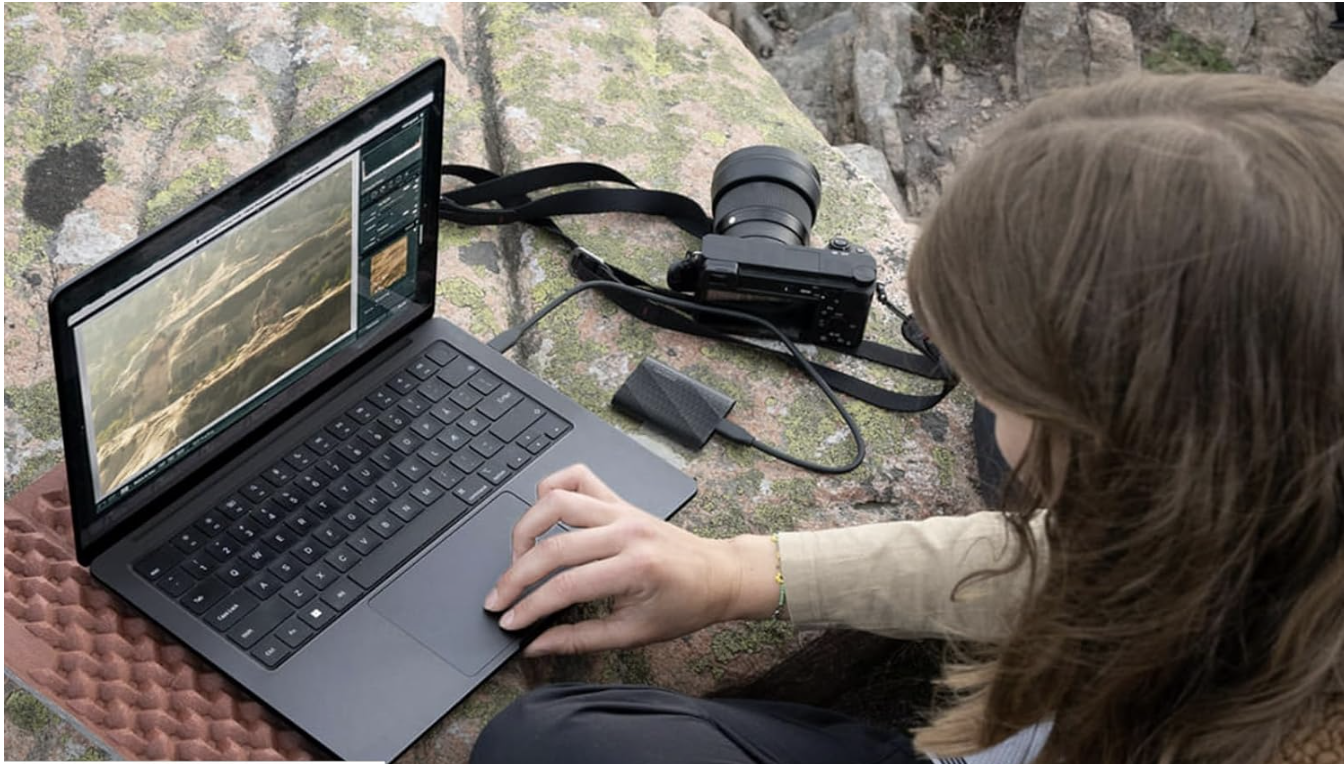
Quick Takeaway: Cold water therapy produces a 530% increase in norepinephrine and a 250% increase in dopamine during immersion at 37-50F. These two neurochemicals directly control attention to detail, sustained focus, and decision speed. For photographers who depend on visual precision and fast creative choices, cold therapy offers a measurable cognitive advantage over caffeine alone.
Last updated: March 2026 | 10 min read
Medical Disclaimer: Cold water immersion carries health risks, especially for individuals with heart conditions, high blood pressure, or other medical concerns. Consult your physician before starting any cold exposure protocol. The information in this article is based on published research and personal experience, not medical advice. Always prioritize your safety and listen to your body.
In This Article
- The Focus Problem Every Working Photographer Faces
- Why Photographers Are Switching from Coffee to Cold Water
- The Neuroscience of Focus: What Cold Water Does and Caffeine Does Not
- Five Ways Cold Therapy Sharpens a Photographer’s Focus
- Real-World Application: Cold Therapy Before the Camera
- How to Start Cold Water Therapy as a Photographer
- Why Equipment Consistency Matters for Focus Benefits
- Pros and Cons of Cold Water Therapy for Focus
- Clear Mind, Better Work
- Frequently Asked Questions
Cold water therapy photographers rely on delivers sharper focus, faster decisions, and sustained creative energy during long editing and shooting sessions.
You know the feeling. You’re 200 images into a culling session, and every frame starts looking the same. Your eyes glaze. Decisions slow down. You second-guess selections you made confidently 30 minutes ago. By the time you finish, the final gallery reflects fatigue more than vision.
Or this: you arrive at a golden hour shoot, and the light is perfect. But your brain isn’t. You slept poorly, or you spent the drive scrolling your phone, or the coffee hasn’t hit yet. The first 15 minutes of the best light of the day produce average work because your perceptual systems aren’t fully engaged.
These aren’t motivation problems. They’re focus problems. And a growing number of professional photographers are addressing them with cold water therapy for photographers seeking a reliable cognitive edge.
The Focus Problem Every Working Photographer Faces
Photography demands a specific type of cognitive performance. You need sustained visual attention to spot compositions, light changes, and fleeting expressions. You need rapid decision-making to choose settings, angles, and moments in real time. And you need the discipline to maintain high-level engagement across sessions lasting 2, 4, or 8 hours.
The modern work environment fights every one of these demands. A 2023 study found 89% of smartphone users check their phones within the first 10 minutes of waking. Each notification, each scroll, each message response fragments your attention before you’ve picked up a camera or opened Lightroom.
Caffeine helps, temporarily. A cup of coffee spikes alertness for 30-60 minutes, then trails off into restlessness, jitters, or a crash by mid-morning. Photographers who rely on caffeine alone often describe a narrow productive window followed by diminishing returns. We explored the neurochemistry behind this in our guide to how morning cold plunges prime your brain for focus.
Cold water therapy photographers are adopting approaches the focus problem differently. Instead of a chemical stimulant consumed orally, cold immersion triggers your body’s own neurochemical response systems. The result is a broader, longer-lasting state of alertness matching the cognitive demands of professional photography work.
Why Photographers Are Switching from Coffee to Cold Water
The shift toward cold therapy among creative professionals follows a clear logic. Photographers who work under deadlines, handle high-pressure shoots, and spend hours making fine visual distinctions need more than temporary stimulation. They need a cognitive state sustaining attention, sharpening perception, and reducing the mental cost of repeated decisions.
A 2025 systematic review and meta-analysis published in PLOS ONE, covering 11 studies with 3,177 participants, confirmed cold water immersion producing significant reductions in stress and improvements in overall wellbeing. The review found participants reporting increased alertness, feeling more attentive, and reduced nervousness after cold exposure.
For photographers, these findings map directly onto job performance. Reduced stress means calmer composure during high-stakes shoots. Increased alertness means faster recognition of fleeting moments. Feeling more attentive means catching subtle details in light, expression, and composition separating professional work from average output.
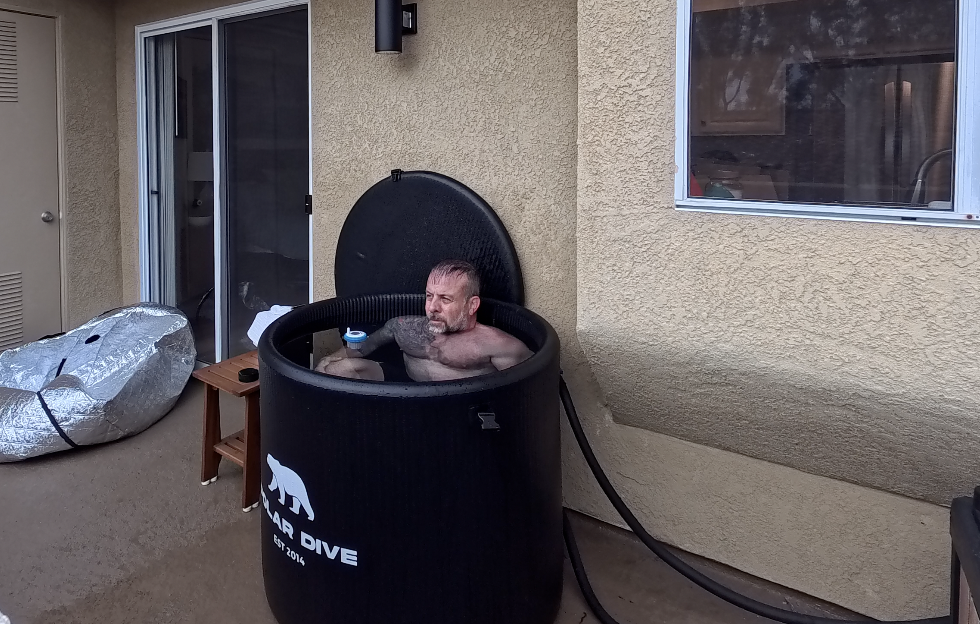
The practical appeal is also strong. Cold therapy requires no ongoing consumables. A dedicated cold plunge like the PolarDive runs every morning at the same temperature. There’s no tolerance buildup (the way caffeine produces diminishing returns over weeks), no mid-session crash, and no disruption to sleep quality.
Recommended Equipment
PolarDive Cold Plunge: Consistent 37-41F Every Morning
The unit I use daily for focus and creative priming. Precise temperature hold, built-in filtration, minimal maintenance. Set it once, step in every morning.
The Neuroscience of Focus: What Cold Water Does and Caffeine Does Not

Caffeine works through a single mechanism: it blocks adenosine receptors, which delays the sensation of tiredness. When the caffeine wears off, the accumulated adenosine hits you at once, producing the crash.
Cold water immersion works through multiple mechanisms simultaneously, and the effects last longer without a crash.
Norepinephrine: Your Attention System
Sramek et al. (2000), published in the European Journal of Applied Physiology, documented a 530% increase in norepinephrine during cold water immersion at 57F. At lower temperatures (37-41F), the response intensifies. Norepinephrine is the neurotransmitter controlling your ability to notice fine detail, filter distractions, and maintain sustained attention on a single task. For a photographer scanning a scene for the right composition, norepinephrine determines whether you see the shot or walk past it. If you’re looking to strengthen your composition and shooting techniques, elevated norepinephrine helps you apply those skills more consistently.
Dopamine: Your Decision Engine
The same study recorded a 250% increase in dopamine. Neuroscientist Andrew Huberman has highlighted cold exposure producing a slow, sustained dopamine curve lasting 2-3 hours, compared to caffeine’s 30-60 minute spike-and-crash. Dopamine drives motivation, reward processing, and cognitive flexibility. When dopamine is elevated, you make decisions faster, trust your instincts more readily, and maintain engagement through repetitive tasks like culling hundreds of images.
Prefrontal Cortex Connectivity: Your Executive Control Center
A 2023 study published in Biology (MDPI) used fMRI imaging to measure brain activity during and after cold water immersion. Participants showed increased neural interaction between large-scale brain networks, including strengthened connectivity between the prefrontal cortex and the anterior insula. These regions govern executive function, emotional regulation, and directed attention. Stronger connectivity between them produces faster processing of complex visual information and swifter recovery from distractions.
A separate 2024 review in The Journal of Neuropsychiatry and Clinical Neurosciences introduced the concept of “neurohormesis” describing how cold water exposure creates a controlled stress strengthening neural pathways over time. Repeated cold immersion trains your brain to function more effectively under pressure, producing long-term improvements in cognitive resilience.
The bottom line: caffeine makes you feel less tired. The cold water therapy photographers depend on makes your perceptual and decision-making systems run at a higher capacity. These are different outcomes, and for creative professionals, the second matters more.
Five Ways Cold Therapy Sharpens a Photographer’s Focus

1. Visual Acuity Increases Within Minutes
Norepinephrine directly affects how your visual cortex processes incoming information. When levels are elevated, you detect finer gradations of light, color, and contrast. Photographers report noticing details immediately after cold immersion they miss on mornings without it: the way light wraps around a subject’s jawline, a reflection in a background window, the precise moment when a portrait subject’s expression shifts from posed to genuine.
2. Decision Fatigue Drops During Editing
Editing sessions require hundreds of binary decisions. Keep or cut. Adjust or leave. Crop or maintain. Each decision costs mental energy, and by image 300, most photographers notice a decline in confidence and speed. Elevated dopamine from cold therapy reduces the metabolic cost of each decision. Your 300th image gets the same quality of attention as your 30th. The result: tighter edits, faster turnaround, and galleries feeling more cohesive because fatigue didn’t weaken your late-session selections.
3. Sustained Concentration Extends Your Productive Window
The 2025 PLOS ONE systematic review found cold water immersion reducing inflammatory markers in the body. Chronic low-grade inflammation is a recognized contributor to mental fatigue and reduced concentration. By lowering inflammation, cold therapy extends the window during which you operate at full cognitive capacity. Photographers who add cold exposure to their mornings consistently report productive sessions stretching 30-60 minutes longer before the first signs of mental drift appear.
4. Stress Response Stays Controlled During High-Pressure Moments
Wedding photographers, event shooters, and commercial photographers all face moments where one chance exists to capture the right frame. Stress narrows attention, speeds up heart rate, and interferes with fine motor control. Regular cold immersion trains your nervous system to handle acute stress without losing executive function. You’ve practiced overriding your body’s panic response every morning at 6:30 AM. When a high-stakes moment arrives on a shoot, your body recognizes the pattern and stays calm. Hands steady. Breathing controlled. Focus locked on the subject instead of scattered by adrenaline.
5. Creative Flexibility Increases After Adaptation
Dopamine doesn’t only affect decisions about existing work. It also influences your willingness to attempt new approaches. Elevated dopamine reduces the perceived risk of trying something unfamiliar. The cold water therapy photographers commit to daily often leads to more experimentation: unusual angles, unconventional lighting setups, post-processing techniques they’d bookmarked but never tried. The creative range expands because the neurochemical environment supports exploration over repetition.
Real-World Application: Cold Therapy Before the Camera

Theory and application are different. Here’s how the cold water therapy photographers use integrates into a working day.
Before a morning shoot: A 3-5 minute cold plunge at 37-41F, completed 30-60 minutes before arriving at the location, puts your brain in peak perceptual mode during golden hour. No ramp-up period. Your first frames carry the same sharpness and intentionality as frames from an hour into a session.
Before an editing session: Cold exposure followed by 10-15 minutes of natural rewarming, then directly into culling. The dopamine elevation makes the first 90 minutes of editing the most productive. Schedule your hardest editing work, the sessions requiring the most critical selection, inside this window. For editing workflow tips to pair with your cold therapy routine, see our photo editing guide.
Before a high-pressure event: A cold plunge the morning of a wedding or commercial shoot sets a baseline of calm alertness persisting for hours. The stress inoculation effect means your performance stays stable even when the pressure spikes. One-chance moments feel manageable instead of overwhelming.
On travel days without a plunge: A 2-3 minute cold shower at the lowest hotel water temperature still produces a meaningful norepinephrine response. The temperature won’t reach 37-41F, but it provides 60-70% of the benefit. Better than starting the day without any cold exposure.
Sharpen Your Focus
PolarDive: The Cold Plunge Built for Daily Use
Precise temperature control. Built-in filtration keeps water clean between sessions. Step in every morning with zero prep time. Consistency drives results.
How to Start Cold Water Therapy as a Photographer
Week 1-2: Build the habit at a comfortable temperature. Start at 55-60F for 1-2 minutes. This is cold enough to trigger a norepinephrine response without overwhelming your system. Focus on controlled breathing: slow exhales lasting 5-7 seconds. The breathing practice matters as much as the temperature during this phase.
Week 3-4: Lower the temperature gradually. Drop by 3-5 degrees per week. Extend your time to 3 minutes. Pay attention to how your focus and energy change in the 60-90 minutes following each session. Most photographers notice a difference by the end of week two.
Month 2: Reach your target range. Work toward 37-45F for 3-5 minutes. At this point, the neurochemical response is strong enough to produce measurable effects on creative output. Your body has adapted to the cold stimulus, and the immersion shifts from an endurance challenge to a cognitive primer.
Ongoing: Protect the post-plunge window. The most common mistake is wasting the elevated focus state on low-value tasks. After stepping out of the cold water, spend 15-20 minutes on your most important creative work: shot planning, editing, portfolio review, or creative study. Do not check email or social media until this window closes. The neurochemical advantage lasts 2-3 hours, but the first 90 minutes are the sharpest.
Health note: Cold immersion causes a temporary spike in heart rate and blood pressure. For healthy adults, this is safe and brief. Anyone with cardiovascular conditions, Raynaud’s syndrome, or circulatory concerns should consult a physician before starting. The Cleveland Clinic and Mayo Clinic both recommend medical clearance for individuals with heart-related conditions.
Why Equipment Consistency Matters for Focus Benefits
Your cold therapy results depend on consistent stimulus. If the water temperature varies by 10-15 degrees between sessions, you lose the ability to track your adaptation and maintain a reliable cognitive response.
I use a PolarDive cold plunge because it holds temperature within 1 degree of the set point (37-41F) and includes a filtration system keeping water clean for days between drain cycles. The daily routine is simple: walk to the unit, step in, complete the session. No temperature guessing, no ice preparation, no draining and refilling.
Budget alternatives work as starting points. A chest freezer conversion runs $200-400 but fluctuates with ambient room temperature and requires manual monitoring. Cold showers depend on municipal water temperature, varying from 45F in winter to 70F+ in summer in many regions. These options still produce benefits, especially during colder months, but they introduce a variable dedicated units eliminate.
For photographers who commit to daily cold therapy as a focus tool, investing in equipment removing friction from the routine pays dividends within the first month. The session itself requires discipline. The equipment should not require additional effort.
Pros and Cons of Cold Water Therapy for Focus
Pros
- 530% norepinephrine increase sharpens visual attention and detail detection
- 250% dopamine elevation reduces decision fatigue during editing sessions
- Sustained 2-3 hour focus window with no crash (unlike caffeine)
- Stress inoculation improves performance during high-pressure shoots
- No tolerance buildup: cold exposure maintains effectiveness with daily use
- Anti-inflammatory effects extend productive work sessions by 30-60 minutes
- Creative flexibility increases as your brain’s risk tolerance adjusts
Cons
- 2-3 week adaptation period with significant physical discomfort
- Benefits diminish with inconsistent practice (less than 4 sessions per week)
- Not safe for individuals with cardiovascular conditions without medical clearance
- Cold showers provide partial benefits only; dedicated units produce stronger results
- Travel disrupts the routine when no cold plunge is available
Clear Mind, Better Work
Professional photographers face a consistent challenge: the cognitive demands of their work exceed what most conventional focus strategies provide. Caffeine addresses tiredness. The cold water therapy photographers choose addresses the underlying neurochemical systems controlling attention, perception, decision speed, and stress resilience.
The science is specific. Cold immersion at 37-50F increases norepinephrine (attention and detail detection), dopamine (motivation and decision speed), and prefrontal cortex connectivity (executive function and cognitive control). These are the exact systems photographers rely on every time they frame a shot, choose a moment, or select an image from a sequence of 500.
The practical application is straightforward. A 3-5 minute cold plunge before your most important creative work primes your brain for the demands of professional photography. Pair it with a dedicated unit like the PolarDive for consistent temperature control, and you remove the last variable standing between you and a reliable daily cognitive advantage.
Try it for two weeks. Track your editing speed, the quality of your first 10 frames on a shoot, and how long you maintain sharp focus during extended sessions. The data will tell you whether cold therapy belongs in your routine. For a step-by-step protocol, see our morning routine cold plunge guide.
Your best creative work demands your clearest mental state. Cold water therapy photographers trust delivers it consistently.
Frequently Asked Questions
How does cold water therapy improve focus differently than caffeine?
Caffeine blocks adenosine receptors, delaying tiredness for 30-60 minutes before crashing. Cold water immersion triggers a 530% increase in norepinephrine and 250% increase in dopamine, producing a sustained 2-3 hour elevation in attention, decision speed, and perceptual sharpness. There is no crash, and the effects maintain their strength with daily practice (no tolerance buildup).
How cold does the water need to be for focus benefits?
Research shows cognitive benefits at temperatures between 37-57F (3-14C). The strongest norepinephrine and dopamine responses occur at 37-45F. Beginners should start at 55-60F and gradually lower the temperature over 2-4 weeks. A dedicated unit like the PolarDive holds precise temperatures in the 37-41F range for consistent daily results.
How long do the focus benefits last after a cold plunge?
Research from the Huberman Lab and corroborated by Sramek et al. (2000) shows dopamine and norepinephrine remain elevated for 2-3 hours after cold immersion ends. The peak cognitive benefit for creative work falls in the first 90 minutes post-plunge. Allowing your body to rewarm naturally (no hot shower) extends the duration of the elevation.
Will cold therapy help during long photography sessions?
Yes. A 2025 systematic review in PLOS ONE confirmed cold water immersion reducing inflammatory markers associated with mental fatigue. Photographers who add morning cold therapy consistently report maintaining sharp focus 30-60 minutes longer during extended shoots and editing sessions compared to mornings without cold exposure.
Is cold water therapy safe for photographers?
For healthy adults, cold immersion at 37-60F for 1-5 minutes is considered safe. The initial 30-60 seconds produce a temporary spike in heart rate and blood pressure. Anyone with cardiovascular conditions, Raynaud’s syndrome, or circulatory issues should consult a physician first. Both the Cleveland Clinic and Mayo Clinic recommend medical clearance for individuals with heart-related conditions before starting cold exposure protocols. Read more about photographer wellness and self-care strategies for maintaining long-term creative performance.
Sources cited: Sramek et al. (2000), European Journal of Applied Physiology; Huberman Lab cold exposure protocols; Biology (MDPI) fMRI study on cold water immersion and brain connectivity (2023); PLOS ONE systematic review and meta-analysis (2025); Journal of Neuropsychiatry and Clinical Neurosciences, neurohormesis review (2024); Cleveland Clinic cold plunge safety guidelines; Mayo Clinic Health System.

