


Quick Verdict: The Nikon D780 review for 2026 confirms this remains the best hybrid DSLR available, delivering 24.5MP full-frame images, 4K video without crop, and 273-point phase-detection live view autofocus. In the Nikon D780 2026 market, new prices hover around $1,597, but used bodies on MPB average $1,100. The trade-off: no built-in image stabilization, and F-mount is now a legacy system. Best for photographers who own F-mount glass and prefer stills-first performance.
Last updated: April 2026 | 11 min read
In This Review
- Overview: Hybrid DSLR Superiority Over the Competition
- Key Specs at a Glance
- 24.5MP Imaging Sensor and Color Science
- Autofocus: Dual Systems for Two Shooting Modes
- 4K Video Without Crop
- Build Quality and Ergonomic Design
- D780 vs. D850: The Higher-Res Sibling
- D780 vs. Z5: DSLR vs. Mirrorless
- Pros and Cons
- Final Verdict
- Frequently Asked Questions
Overview: Hybrid DSLR Superiority Over the Competition

The Nikon D780 review in 2026 still holds up because a Nikon D780 review reveals this camera solved a specific problem: giving DSLR shooters the hybrid capabilities they needed without abandoning the optical viewfinder and proven ergonomics of the D750. After five years in the market, a Nikon D780 review confirms it remains one of the most thoughtful cameras Nikon ever released. Having shot the D850 across three continents, I know exactly how Nikon’s pro DSLR ergonomics feel. Likewise, the D780 shares the same body philosophy with a lighter, more travel-friendly package. The 24.5MP sensor is not a flagship resolution, but it resolves plenty of detail for 24×36 prints and performs cleaner at ISO 6400 than the higher-MP D850.
Who should consider it? First, photographers who already own a collection of F-mount lenses and shoot primarily stills with occasional video. Next, professionals who handle all-day events and need battery life and AF reliability of an optical system. Additionally, landscape and travel photographers who want viewfinder experience and don’t need the highest megapixel count. In contrast, the real deal in 2026 is the used market, where D780 bodies in excellent condition hover around $1,100, making it more affordable than equivalent Z-series cameras.
The D780 fixes the one thing I wished the D850 had: on-sensor phase detection AF in live view. This alone makes it a better hybrid camera for video work. Since its release in June 2020, Nikon shifted focus entirely to Z-mount mirrorless development. As a result, no new F-mount professional bodies are coming, and no new premium F-mount lenses either. For systems thinking alone, the Z6 III is the smarter long-term bet. However, if you already shoot Nikon F-mount, the D780 eliminates the need to rebuild an entire lens ecosystem.
Key Specs at a Glance
| Specification | Details |
|---|---|
| Resolution | 24.5 MP full-frame BSI CMOS |
| Sensor Size | 36 x 23.9mm full-frame |
| Optical AF | 51-point phase detection (15 cross-type) |
| Live View AF | 273-point hybrid phase/contrast detection |
| Continuous Shooting | 12 fps (full frame with battery grip: 10 fps) |
| Video Recording | 4K UHD 30p, full-frame, no crop |
| Shutter Speed Range | 1/8000 to 30 seconds |
| Buffer Capacity | 100 JPEGs or 50 RAW files at 12 fps |
| Battery Life | Approx 1,840 shots per charge (EN-EL15a) |
| Nikon D780 Price (New) | $1,597 |
| Nikon D780 Price (Used) | $1,100-$1,300 on MPB |
Check MPB for Used Prices
Nikon D780 Body
Used D780 bodies in excellent condition are in abundant supply as photographers transition to mirrorless systems. Savings of $400-500 over new retail are typical in the Nikon D780 2026 market.
24.5MP Imaging Sensor and Color Science
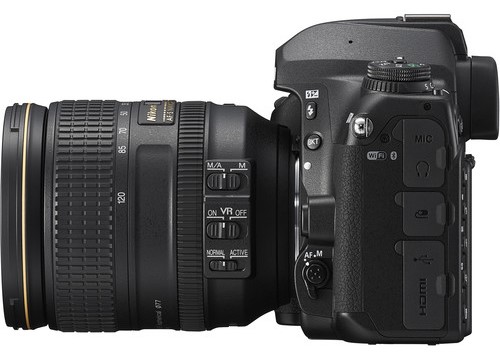
The D780 sensor is a 24.5MP back-side-illuminated (BSI) CMOS, which Nikon also uses in the Z6, adapted for the D780’s optical viewfinder system. This resolution sits between the entry-level 24MP and the pro-level 45.7MP D850. For most working photographers, 24.5MP provides sufficient detail for web, magazine reproduction, and prints up to 24×36 inches. Moreover, the BSI design delivers ISO performance exceeding its resolution class, with usable files up to ISO 6400 and acceptable files up to ISO 12,800.
Color science and tonality are where a Nikon D780 review reveals the sensor shines. The D780 inherits the Z6’s rendering, which means warmer skin tones in portrait work and natural greens in landscape photography. I carried Nikon DSLRs through Norway, Switzerland, and nearly every US state. Notably, the tonal character remains consistent whether you shoot JPEG or RAW. As a result, JPEG color profiles output from the D780 require minimal post-processing, which accelerates wedding and event workflows where delivery timelines are tight.
Autofocus: Dual Systems for Two Shooting Modes
The D780’s two-AF-system design is its defining feature. When shooting through the optical viewfinder, you get 51-point phase-detection autofocus with 15 cross-type sensors, down to -3 EV. This is the same AF core as the flagship D5, tuned for reliability in low light and fast-moving subjects. Specifically, the 51-point array covers the frame adequately for event work, and focus accuracy is excellent for professional applications.
Live view switches to a 273-point hybrid system borrowed from the Z6, covering roughly 90 percent of the frame. This system uses on-sensor phase detection pixels to deliver mirrorless-level AF speed. More importantly, it includes face and eye detection, which automatically tracks subjects throughout the frame. For hybrid shooters who use live view on tripods during video, or who need to shoot video with accurate AF tracking, this system is a significant advantage. Notably, no other DSLR offers this capability in 2026. Specifically, the detection range in live view drops to -6 EV with an f/2 lens, enabling focus in conditions where the optical system would otherwise struggle.
4K Video Without Crop
The D780 records 4K UHD at 30 fps using the entire sensor width, delivering a full-frame field of view. This is a direct advantage over the D850, which crops to DX in 4K. The camera outputs 10-bit footage over HDMI to external recorders, giving colorists more latitude in post-production. Additionally, 1080p at 120 fps enables slow-motion work with frame-by-frame clarity for professional productions.
Because a Nikon D780 review confirms this camera uses the Z6’s sensor and processing pipeline, video quality and stability match mirrorless hybrid cameras. For professionals juggling stills and video, the D780 reduces the need for separate bodies. Specifically, I eventually moved to Canon’s R5 for video consolidation, but for photographers shooting primarily stills with occasional 4K, the D780 eliminates the need to switch systems.
Build Quality and Ergonomic Design
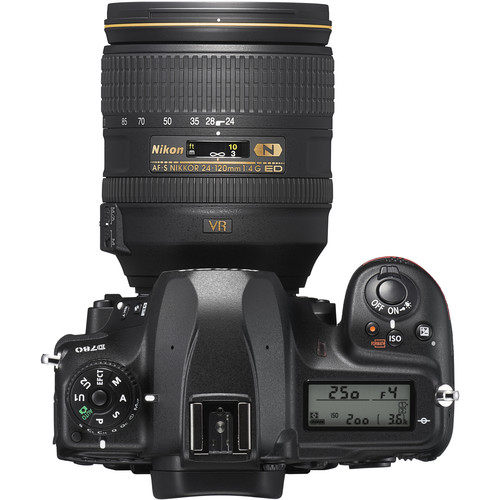
The D780 body is identical to the D750 externally, retaining the pro-level magnesium alloy chassis and weather sealing. Button layout, grip depth, and shutter actuation feel refined after 35 years of Nikon DSLR development. The camera weighs 1.54 lbs (700g) body only, lighter than the 1.98 lb D850 but heavier than mirrorless alternatives. In contrast, battery life is exceptional: roughly 1,840 shots per EN-EL15a charge under normal conditions, with some users reporting 2,000 in practical shooting.
Meanwhile, the optical viewfinder remains one of the D780’s strengths. The 0.7x magnification and bright prism deliver a clear, lag-free view preferred by many photographers in harsh sunlight or fast-moving situations. Autofocus confirmation is instant, and you observe your subject exactly as it appears in the moment. After six months shooting deserts and rain in California, the magnesium chassis and button responsiveness remained flawless, demonstrating the build quality Nikon achieves with the D780.
Browse Used Options
D780 in Excellent Condition
Compare body-only and kit options across multiple listings to find your preferred condition grade and shutter count. Nikon D780 2026 pricing varies by shutter use and cosmetic condition.
D780 vs. D850: The Higher-Res Sibling
The D850 is the higher-resolution specialist. At 45.7 MP, it captures nearly double the detail per square inch compared to the D780’s 24.5 MP. For studio, architecture, and landscape photographers who print larger than 24×36, or who crop aggressively, the D850 resolves subjects with exceptional sharpness. Additionally, the D850 features a more sophisticated 153-point autofocus array, ideal for stationary subjects in controlled light.
In the d780 vs d850 comparison, the D780 trades resolution for video quality, hybrid AF capability, and weight. The D780 shoots 4K full-frame without crop; conversely, the D850 crops to DX. The D780’s live view AF is dramatically faster. For event photographers and hybrid shooters, the D780 is the better value. For landscape purists who rarely touch video, the D850’s resolution advantage outweighs the D780’s flexibility. In 2026, a used D850 on the used market averages $1,300, only $200 more than a D780, making the choice clearer: resolution versus hybrid capability.
D780 vs. Z5: DSLR vs. Mirrorless
In the d780 vs z5 debate, the Z5 is Nikon’s entry-level mirrorless camera. It carries the same 24.3MP sensor, in-body image stabilization, and Z-mount ecosystem. The Z5 is smaller by 19 percent and lighter by 20 percent, making it better for travel. Plus, the Z5 costs less new ($999) and used ($600-700). For photographers starting a Nikon system in 2026, the Z5 is smarter because Z-mount is Nikon’s future. No new F-mount professional lenses are coming, so d780 vs z5 analysis favors Z5 for new purchases.
However, if you already own F-mount lenses, the D780 delivers better viewfinder ergonomics, faster optical AF, robust battery performance, and superior video without IBIS overhead. The D780 shoots 12 fps; the Z5 tops out at 11 fps. Additionally, the D780’s buffer is deeper. The d780 vs z5 comparison shows the D780 faster in OVF autofocus. The trade-off: the Z5 features in-body stabilization, which the D780 lacks. For stills-first photographers with F-mount glass, the D780 is the better value.
Pros and Cons
Pros
- 273-point live view autofocus with face and eye detection beats all other DSLRs
- 4K video without crop at 30 fps is a direct advantage over D850
- Exceptional battery life: 1,840+ shots per charge under normal use
- Fast 12 fps continuous shooting with large buffer (50 RAW images)
- Optical viewfinder with 0.7x magnification feels natural and fast to work with
- Weather-sealed magnesium alloy body rated for professional daily use
- 10-bit HDMI output for external recording supports advanced color grading
- Light weight at 700g body only, ideal for travel and backpacking trips
Cons
- No in-body image stabilization limits handheld video quality at slow shutter speeds
- 24.5 MP resolution is lower than flagship D850 (45.7 MP) and modern Z-series bodies
- F-mount is now legacy; Nikon produces no new professional F-mount lenses
- 51-point optical AF system is less dense than contemporary mirrorless bodies
- 4K recording limited to 30 fps (other cameras offer 60 fps options)
- Video autofocus struggles with fast-moving subjects in backlit conditions
- Electronic viewfinder not available; some photographers prefer mirrorless EVF feedback
- Lower native ISO ceiling (ISO 100) compared to some Z-series cameras
Final Verdict
A Nikon D780 review confirms this is the best hybrid DSLR in 2026, and it remains the smart choice for photographers who own F-mount glass and shoot primarily stills. The 24.5MP sensor produces clean files, the optical viewfinder feels refined, and the dual autofocus systems deliver reliability. Notably, battery life is unmatched by mirrorless alternatives, and the nikon d780 price, especially used, offers genuine value.
The real trade-off is system longevity. F-mount is now legacy. Ultimately, if you’re building a new Nikon system in 2026, the Z5 or Z6 III make more sense because Z-mount is Nikon’s entire future roadmap. However, for photographers already invested in F-mount lenses, the D780 eliminates any need to rebuild your collection. It shoots stills faster than entry-level mirrorless, handles video competently, and moreover, costs less used than equivalent Z-series bodies.
The D780 succeeds because it refused to compromise on core strengths: autofocus speed, viewfinder experience, battery life, and overall handling. In an era when DSLR shooters are finally leaving the format, the D780 proves why DSLRs lasted so long. Most importantly, this is the camera to buy if you already have F-mount lenses and want one more generation of refinement before switching to mirrorless.
Ready to Buy?
Check Today’s Used Prices
MPB updates inventory daily. Nikon D780 price changes rapidly as cameras sell. Lock in your price while stock is available.
Frequently Asked Questions
Is the Nikon D780 review 2026 still worth buying?
Yes, especially in the used market. If you own F-mount lenses, a Nikon D780 review 2026 confirms it’s worth buying because no other DSLR offers superior hybrid autofocus and video capability. New prices at $1,597 are high, but comparatively, used bodies at $1,100-$1,300 offer better value than equivalent Z-series mirrorless. Conversely, for new Nikon buyers, the Z5 or Z6 III are smarter because they use Z-mount, which is Nikon’s exclusive focus going forward.
How does the D780 compare to the D850?
In the d780 vs d850 analysis, the D850 has 45.7 MP versus the D780’s 24.5 MP, making it superior for landscape and studio work requiring maximum detail. Notably, the D780 wins on video (no crop in 4K), hybrid autofocus (273-point live view), and weight. For event photography and hybrid shooting, the D780 is the better choice.
Does the Nikon D780 have image stabilization?
No. The D780 lacks in-body image stabilization (IBIS). Handheld video at slow shutter speeds requires a lens with VR (vibration reduction) or a tripod. For photographers who own VR lenses, this limitation doesn’t apply. However, specifically, older F-mount glass does not include VR, which matters for those buying new lenses.
Do F-mount lenses work on Z5 or Z6 models?
No, not without an FTZ adapter. The Z5 and Z6 use Z-mount, which requires an FTZ adapter to use F-mount lenses. Meanwhile, the D780 uses F-mount directly, with no adapter needed.


Comments are closed.