


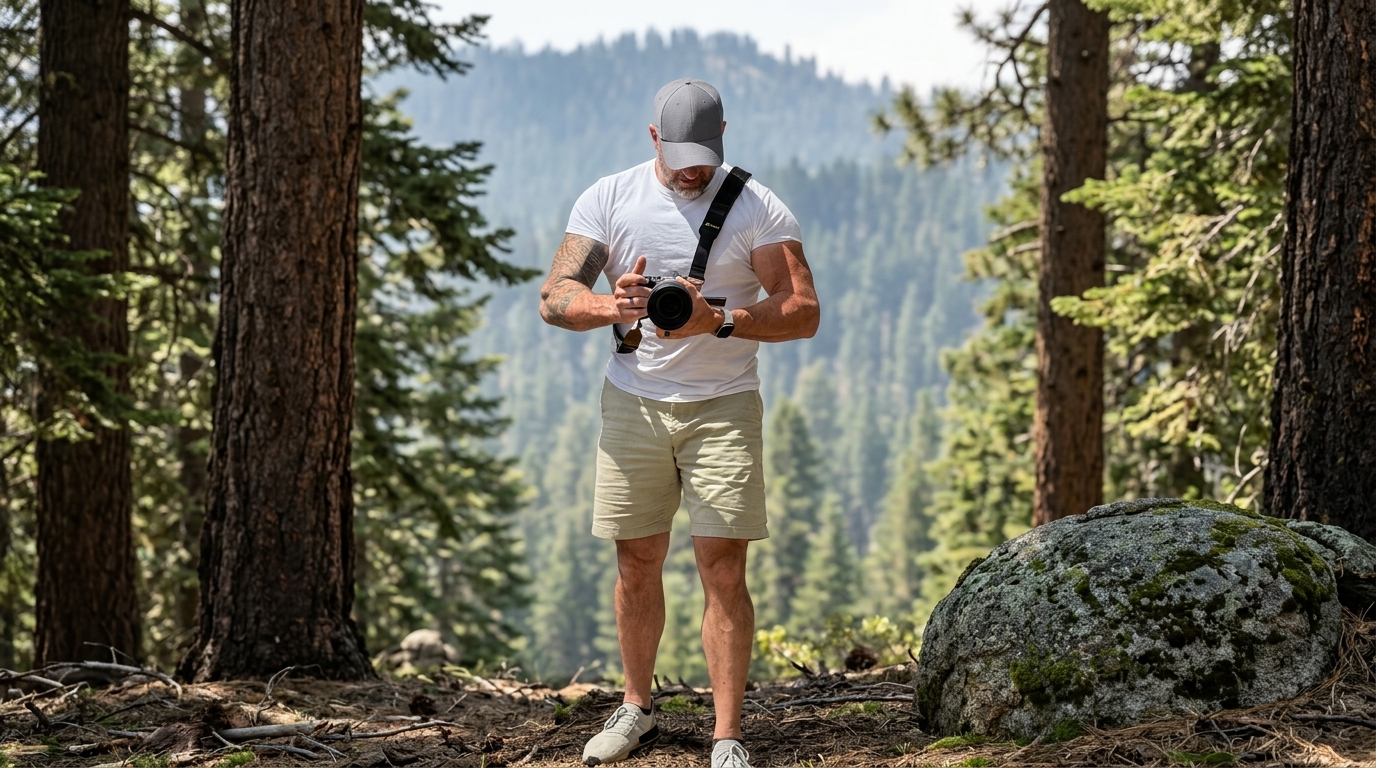
Nobody talks much about the physical side of photography. Ask any photographer who shoots events, weddings, or long outdoor sessions. They’ll tell you the same thing: by hour six, your body is fighting back. Photography body pain sneaks up on you. First it’s a dull ache in your shoulder where the strap digs in. Then your neck starts to stiffen and your lower back tightens. Before long, you’re taking fewer shots because you’re focused on managing discomfort instead of chasing images. That’s miserable, and it’s costing you shots.
The good news is that photography body pain isn’t inevitable. It’s largely the result of preventable choices. The strap you use, how you carry your gear, your posture, and whether you’re giving your body what it needs to stay in the field all play a role. This guide covers the practical steps that make a real difference. Whether you’re shooting a ten-hour wedding, a trail day, or a crowded street market, these adjustments apply. Small adjustments in each area add up fast, and most of them cost nothing except a bit of awareness.
Quick Facts:
- Topic: Preventing and managing photography body pain on long shoots
- Skill level: All levels
- Primary causes: Poor strap design, uneven weight distribution, static posture, dehydration
- Most affected areas: Neck, shoulders, lower back, wrists
- Key gear solution: LemurStrap sling system with camlock and ARCA-Swiss baseplate
- LemurStrap price: $119.95 (full kit with baseplate and tripod adapter)
- Best for: Event, travel, street, and outdoor photographers who shoot for extended periods
8 min read
In This Article
- Why Photography Body Pain Is So Common
- The Four Pain Points Photographers Deal With Most
- How Your Carry System Makes or Breaks a Long Shoot
- Posture Habits That Reduce Strain During Shooting
- Hydration, Nutrition, and Physical Stamina for All-Day Shoots
- LemurStrap vs. Standard Neck Strap: What Changes?
- Pros and Cons
- Final Verdict
- Frequently Asked Questions
Why Photography Body Pain Is So Common
Photography body pain is common because the sport looks easier on the body than it is. Unlike clearly physical jobs such as construction or athletics, photography involves sustained awkward positions and repetitive movements. The gear is also heavier than it looks. A full-frame mirrorless body with a 70-200mm f/2.8 lens weighs close to 4 pounds. Slung from a neck strap for eight hours, that weight translates into real strain on the cervical spine and trapezius muscles.
Forward head posture compounds the problem significantly. Research in spine biomechanics shows that a 30-degree forward tilt multiplies the effective load on your neck to 3 to 4 times the actual weight of your head. That’s roughly the angle you hold your head when looking through a viewfinder or reviewing your LCD. For the average adult, head weight is around 10 to 12 pounds. That sustained load, compounded by the camera strap’s own pressure across your shoulder or trapezius, builds throughout a long shooting day.
Wrist and hand fatigue follow close behind neck and shoulder pain on the list of photographer complaints. Gripping a camera body for hours while operating shutter, dials, and focus controls builds repetitive stress. Photographers who shoot in cold environments face an additional challenge, because cool muscles fatigue faster and recover more slowly. Recognizing these mechanics is the first step toward managing them.
The Four Photography Body Pain Points That Add Up Over a Long Day
Neck and shoulder strain are the most common complaints, largely driven by strap design. A standard factory neck strap concentrates the full weight of the camera system on a narrow band of neck skin and one shoulder. Over time, that creates a grinding fatigue. It’s not sharp pain at first, but a slow tightening that gets worse through the day.
Lower back pain shows up in photographers who spend hours bending, squatting, and rotating to get varied angles. Static posture during long stationary shoots, such as a ceremony where you’re holding position for thirty minutes, also loads the lumbar spine unevenly. Wrist and hand fatigue also build during high-volume shooting. Repetitive trigger pulls and dial adjustments accumulate into tendon stress over a full session.
Outdoor and travel photographers add another layer to the equation: knee and ankle strain from uneven terrain and prolonged walking. Trail photographers who also carry camera weight distributed poorly are dealing with fatigue from multiple directions simultaneously. Footwear matters here, but so does reducing the upper-body load through a smarter carry system. A lighter perceived weight means your body has more reserves for staying on your feet.
How Your Carry System Makes or Breaks a Long Shoot
Of all the variables that affect photography body pain, your carry system has the most immediate impact. A poorly designed strap creates pain even on short shoots. A well-designed one makes eight-hour days feel manageable. The core difference is how and where the weight transfers to your body. How much the camera moves independently while you walk between shots matters equally.
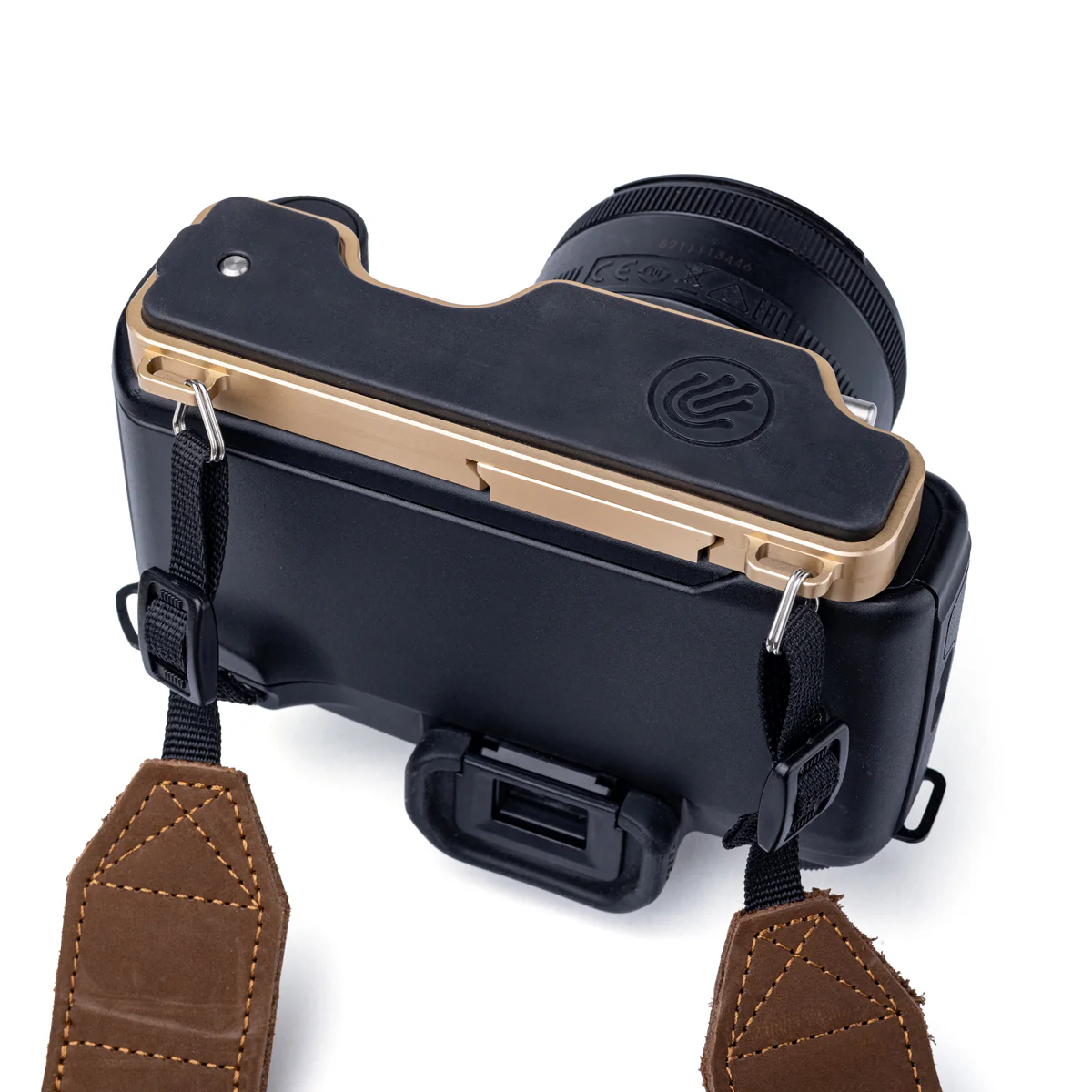
Standard neck straps transfer all weight to the cervical spine and one shoulder. Cross-body sling straps move weight to the torso. However, many designs let the camera swing when you move. That creates rotational strain and forces you to grab the body constantly to stabilize it. The LemurStrap solves both problems with a patented camlock mechanism. It lets the strap slide freely as you raise and lower the camera, then locks it in place when you’re moving. The camera rides stable at your side, lens down, without swing or bounce.
The LemurStrap’s ARCA-Swiss-compatible baseplate adds another practical advantage. It helps photographers who move between handheld and tripod shooting throughout the day. The baseplate stays on the camera and connects directly to most major tripod systems. No separate quick-release plate to unscrew every time you switch. That’s one less repetitive motion and one less interruption to your shooting rhythm. For more on how the strap performs in real conditions, the Lemur Strap review on PhotographyTalk covers a full month of real-world use.
Buy Direct From LemurStrap
Stop Fighting Your Strap. Start Shooting Longer.
The LemurStrap sling system keeps your camera stable, accessible, and off your neck. Focus on the shot, not the ache.
Posture Habits That Reduce Strain During Shooting
Better posture during a shoot doesn’t mean standing rigidly upright for hours. It means building habits that reduce cumulative load on your spine and joints. You don’t want to arrive at hour eight already depleted. The most important habit is avoiding the forward-head drift, the unconscious lean toward your subject as you focus and frame. Pulling your chin slightly back and keeping your shoulders relaxed (not raised) reduces the effective neck load described earlier by a significant margin.
When you’re shooting from low angles, squat with your hips rather than bending from the waist. Bending forward loads the lumbar extensors, the muscles along your lower back, which fatigue quickly under sustained use. Squatting distributes the work to your legs, which are significantly stronger and recover faster. Similarly, when holding a telephoto for extended periods, brace your elbow against your torso rather than holding the lens unsupported in midair.
Taking Breaks Strategically
Short, deliberate breaks do more for your endurance than occasional long rests. Every 45 to 60 minutes, take two to three minutes for a quick reset. Roll your neck slowly, rotate your shoulders backward, and stretch your wrists. Neck rolls and shoulder circles counter the effects of holding your head in a fixed position. Wrist stretches reduce tension from repetitive trigger work. These micro-breaks don’t interrupt the flow of a shoot. They protect your ability to keep shooting through the final hours when your best light often arrives.
For tips on improving your overall shooting experience, the PhotographyTalk guide on strap comfort and shooting fatigue covers additional practical steps that make a difference over long sessions.
Hydration, Nutrition, and Physical Stamina for All-Day Shoots
Physical endurance in photography depends on the same basics as any other physically demanding activity. Dehydration accelerates muscle fatigue. When you’re even mildly dehydrated, muscles lose efficiency and begin to ache sooner. On long outdoor shoots, most photographers underestimate how much fluid they lose, especially in warm conditions or at altitude. Carrying a water bottle and drinking consistently throughout the day, rather than waiting until you feel thirsty, is a straightforward performance adjustment.
Nutrition follows the same logic. Long shoots aren’t the time to skip meals or rely on coffee alone. Steady blood sugar supports focus and physical performance. During a packed wedding schedule or a long trail day, there’s rarely a sit-down meal. Keeping nuts, a protein bar, or a sandwich in your bag means you don’t hit a blood sugar wall at 4pm, right when golden hour is starting. Cardiovascular fitness also plays a role in shooting endurance photography over time. Photographers who walk miles per day on outdoor assignments benefit directly from base aerobic conditioning. Core strength, in turn, reduces the effort required to stabilize a camera for extended periods.
Of all the gear choices that affect your physical endurance in the field, your carry system is the most direct lever. Here’s how upgrading from a standard neck strap to the LemurStrap changes the experience.
LemurStrap vs. Standard Neck Strap: What Changes?
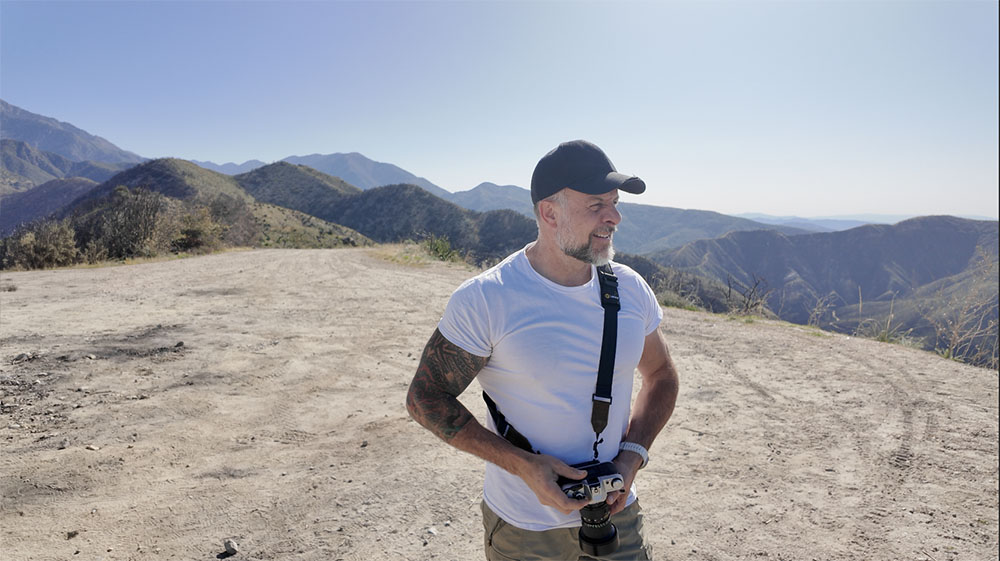
The comparison between a LemurStrap and a standard neck strap isn’t primarily about materials or aesthetics. It’s about where the weight goes and how your body responds over hours of use. A typical neck strap puts the entire load of the camera on your neck and one shoulder. The camera hangs in front of your body, bangs against your chest, and swings with every step. Over the course of a full day, that repetitive movement causes trapezius and cervical fatigue that builds without obvious warning until it’s already significant.
What the Weight Shift Feels Like in Practice
The LemurStrap moves the camera to your side, distributes the load across your shoulder and torso, and eliminates swing entirely when the camlock is engaged. The practical result is that you’re not fighting the strap or stabilizing the camera between shots. Photographers who use the LemurStrap on events and travel work report the carry feels lighter. The camera body and lens combination hasn’t changed, yet the experience of carrying it is fundamentally different. That’s the effect of better weight distribution. The load is the same, but the body’s experience of it is fundamentally different.
For a broader overview before committing to one, the PhotographyTalk guide on choosing the right camera strap covers multiple styles and use cases in detail. The LemurStrap adjusts between 45 and 55 inches in the regular size. A long version extends to 62 inches. It’s load-tested to 50 pounds and priced at $119.95 for the full kit, including the baseplate and tripod adapter.
Save on LemurStrap
The Carry System Built for Long Days
Side-carry design, camlock stability, and ARCA-Swiss integration. All in a single system that keeps your neck and shoulders out of the equation.
Pros and Cons
Pros
- Side-carry position removes neck strap pressure entirely
- Camlock eliminates camera swing during movement
- Load-tested to 50 lbs; handles full professional kit
- ARCA-Swiss baseplate enables fast tripod transitions
- Adjusts 45-55 inches (regular) or 45-62 inches (long) for versatile fit
- Built-in T-25 wrench stored in baseplate; no fumbling for tools
- 90-day manufacturing defect warranty direct from LemurStrap
Cons
- $119.95 price point is higher than basic neck straps
- Designed for left-shoulder wear; right-shoulder version not yet available
- ARCA baseplate has compatibility notes; not universal across all ARCA systems
- Baseplate adds slight bulk to camera body profile
- Less suited to compact or mirrorless setups where swing is less of an issue
Final Verdict

Photography body pain is a solvable problem, and most of the solution doesn’t require expensive gear. Posture awareness, strategic rest breaks, and proper hydration are free adjustments with real returns on a long shoot. Your carry system is the single variable with the most impact on how your neck, shoulders, and back feel by the end of the day. That’s where a purposeful upgrade pays off.
The LemurStrap makes the most practical difference for photographers who carry their camera for more than a few hours at a time. Event photographers, travel shooters, and outdoor photographers who’ve been tolerating a standard neck strap will feel the difference immediately. Photographers who shoot briefly or work primarily in studios won’t see the same benefit from the side-carry design.
At $119.95 for the full kit, it’s more than a basic strap costs. However, for a photographer who shoots professionally or regularly spends full days in the field, the value calculation is straightforward. A carry system that keeps you comfortable longer means more shots, better energy through the final hours of golden light, and less recovery time afterward.
For photographers who aren’t ready to invest in a dedicated system, the interim steps, including posture habits, break structure, hydration discipline, and a lighter kit, are worth applying immediately. The lightweight camera bag and strap guide on PhotographyTalk is a useful starting point for reducing your carry load before committing to a full system upgrade.
Ready to Buy?
Check Today’s Price on LemurStrap
Ships direct from LemurStrap with a 30-day return policy. Available in black and bronze colorways.
Frequently Asked Questions
Why do photographers get neck and shoulder pain from carrying a camera?
Standard neck straps concentrate the full weight of the camera on the cervical spine and one shoulder across a narrow contact point. When you add forward head posture, the effective neck load rises to 3 to 5 times the camera’s actual weight. That’s the angle most photographers naturally hold their heads while shooting. A sling-style carry system like the LemurStrap moves that load off the neck and distributes it across the torso instead.
What’s the best camera strap for photographer neck pain?
A side-carry sling system addresses photographer neck pain more directly than a padded neck strap, because it removes the neck from the load path entirely. The LemurStrap’s camlock mechanism also eliminates swing, so your shoulders and core aren’t working to stabilize the camera during movement. For a full breakdown of strap types, the camera strap guide on PhotographyTalk compares multiple systems by shooting style.
How do I build shooting endurance photography over time?
Shooting endurance photography improves through a combination of physical conditioning, smarter gear choices, and deliberate rest habits. Core strength reduces the effort of stabilizing a camera through long shoots. Cardiovascular conditioning improves stamina for high-movement assignments. On the gear side, reducing your carry weight and choosing a properly designed strap system reduces the physical output required per hour of shooting.
Does Camera Strap Comfort Affect Image Quality?
Camera strap comfort affects image quality indirectly but meaningfully. Fatigue from a poorly designed strap causes photographers to rush shots, skip exploratory angles, and miss the patient, deliberate framing that produces strong images. Comfort also influences how often you take the camera out. A painful carry system becomes a subconscious barrier to reaching for the camera at all.
Is the LemurStrap worth the cost for amateur photographers?
The LemurStrap at $119.95 is worth considering for any photographer who spends more than two to three hours shooting at a time, regardless of experience level. The physical strain of a standard neck strap doesn’t distinguish between professionals and hobbyists. If photography body pain is cutting your sessions short or making shooting feel like work, a carry system upgrade is one of the most direct ways to fix it.
A quick heads-up: If you snag something through our affiliate links or check out our sponsored content, we might earn a commission at no extra cost to you. But fear not, we’re all about recommending stuff we’re truly stoked about!

