


Quick Facts:
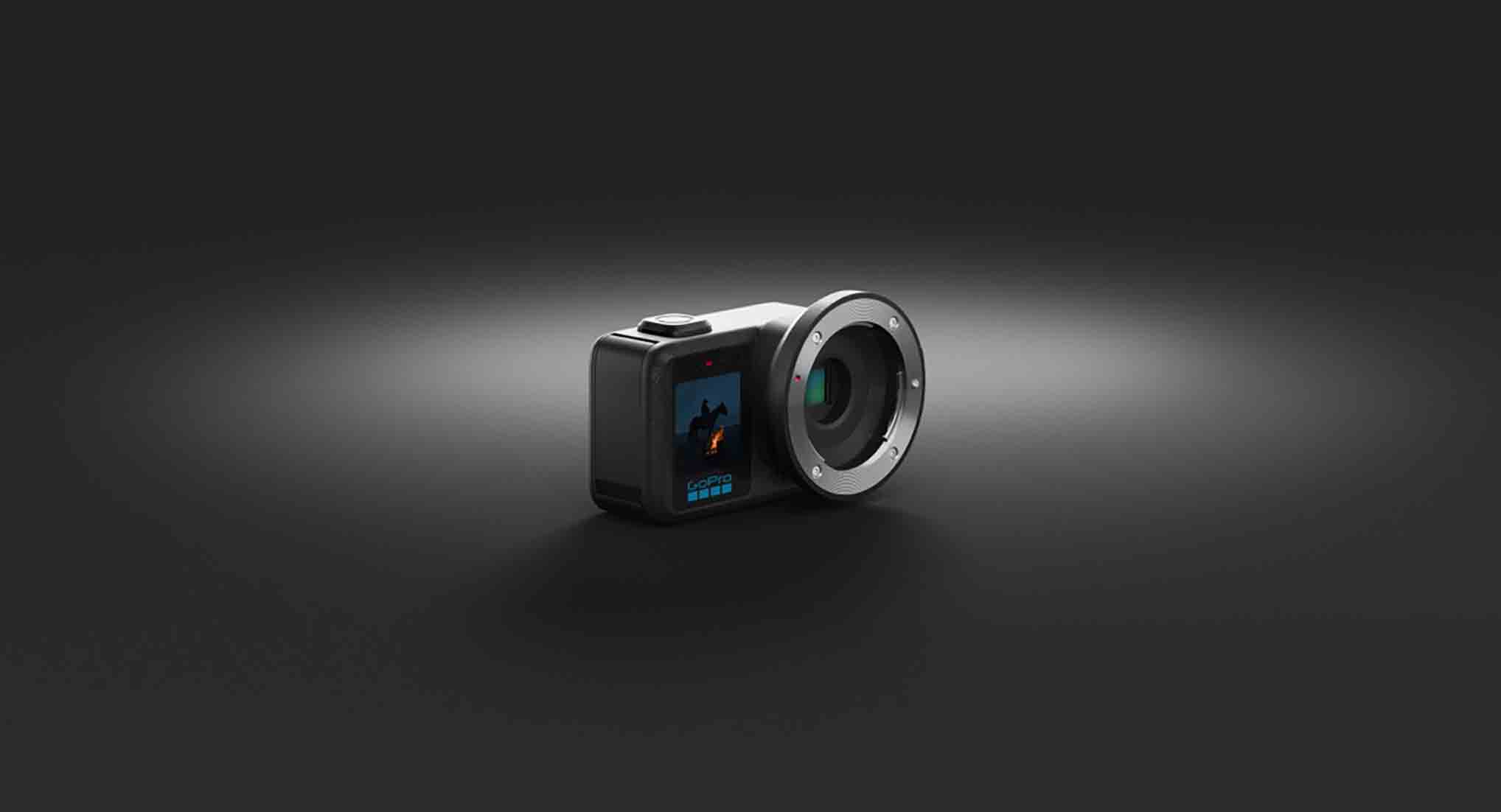
- Product: GoPro Mission 1 Pro ILS
- Sensor: 50MP 1-inch type, up to 14 stops of dynamic range
- Processor: GP3 with AI Neural Processing Unit
- Lens mount: Micro Four Thirds, plus adapters for other systems
- Focus: Manual only, no electronic lens communication
- Video: 8K60, 4K240, 1080p960; 8K30 and 4K120 open gate
- Stabilization: HyperSmooth with rectilinear prime lenses
- Price: $699.99 MSRP, $599.99 for GoPro subscribers
- Availability: Q3 2026
- Best for: Professional filmmakers and crews who need a tiny, rugged cinema cam
By Alex Schult · 8 min read
In This Article
GoPro Mission 1 Pro ILS Overview: A GoPro You Build a Rig Around
I have been strapping GoPros to helmets since around 2006. Back then the footage looked rough and the mounts were homemade. I have owned almost every model since, so I watched the line evolve from a wide-angle stunt cam into something else entirely. The GoPro Mission 1 Pro ILS is the first GoPro you mount a lens onto. It pushes the evolution further than any release before it.
I spent about a month shooting with the fixed-lens Mission 1 Pro before it went live, and it reset my expectations. I would not call it an action camera. GoPro leaped to build a cinematic camera the size of an action camera. The results are some of the most impressive I have pulled off any body this small. We published my full hands-on take in our GoPro Mission 1 Pro review. The ILS inherits the same 50MP 1-inch sensor, the same GP3 processor, and the same headline video modes. The one change sits at the front: a Micro Four Thirds mount, so you swap glass instead of one wide perspective.
GoPro released a seven-minute launch film to mark the wider Mission 1 rollout and to tease this camera further. The footage tells a clear story. While the standard action cams appear strapped to helmets and boards, the ILS spends almost all of its screen time in a rig. For instance, you see it on a top handle with an external monitor, flying on a crane, riding a wire, and held with a follow-focus unit.
Everything points one direction. This is a crew’s cinema tool, not a vlogging or pocket camera. GoPro chose the NAB Show to launch it, the broadcast industry’s professional-gear stage, and its own marketing sells versatility to professionals. For a brand built on the helmet-cam, the repositioning is the real story here.
Pricing reinforces the seriousness. At $699.99 MSRP, and $599.99 for GoPro subscribers, the ILS costs the same as the fixed-lens Mission 1 Pro. Notably, GoPro charges no premium for the swappable mount, which lowers the barrier for filmmakers curious about a second-angle cinema body. Finally, availability lands in Q3 2026.
Key Specs at a Glance
| Specification | Details |
|---|---|
| Sensor | 50MP 1-inch type, 14 stops dynamic range at the sensor |
| Processor | GP3, 5nm design with AI Neural Processing Unit |
| Lens mount | Micro Four Thirds, adapter support for other lenses |
| Focus | Manual only, no electronic contact pins |
| 16:9 video | 8K60, 4K240, 1080p960 burst |
| Open gate | 8K30 and 4K120 (4:3 full sensor) |
| Stabilization | HyperSmooth with rectilinear prime lenses |
| Color and bitrate | 10-bit, GP-Log, HLG-HDR, up to 240Mbps, timecode sync |
| Audio | 4 mics, 32-bit float recording, Bluetooth 5.3 |
| Photo | 50MP RAW, bursts up to 60 fps |
| Weather sealing | Weatherproof (fixed-lens models go to 66ft / 20m) |
| Price | $699.99 MSRP, $599.99 subscribers |
No Autofocus, and Why It Matters
Here is the detail filmmakers need to sit with first. The Mission 1 Pro ILS is manual focus only. Specifically, early hands-on coverage confirms the mount carries no electronic contact pins, so the camera passes no focus or aperture data to the lens. Instead, you set focus by hand, and you set aperture on the lens ring where the glass supports it.
For run-and-gun shooters chasing a pocket camera, this design rules the ILS out. Pulling focus on a moving subject through the built-in display is hard, so anyone serious will rig an external monitor and likely a follow-focus unit. Notably, this requirement shows up across GoPro’s own launch footage, which is no accident.
For controlled productions, pulling focus by hand is normal practice. In fact, cinema operators do it every day, and many prefer the repeatability of a marked lens. GoPro is not hiding a missing feature so much as aiming at a buyer who never expected autofocus in the first place. Still, the limitation narrows the audience sharply, and you should weigh it before you buy.
Who GoPro Built This For
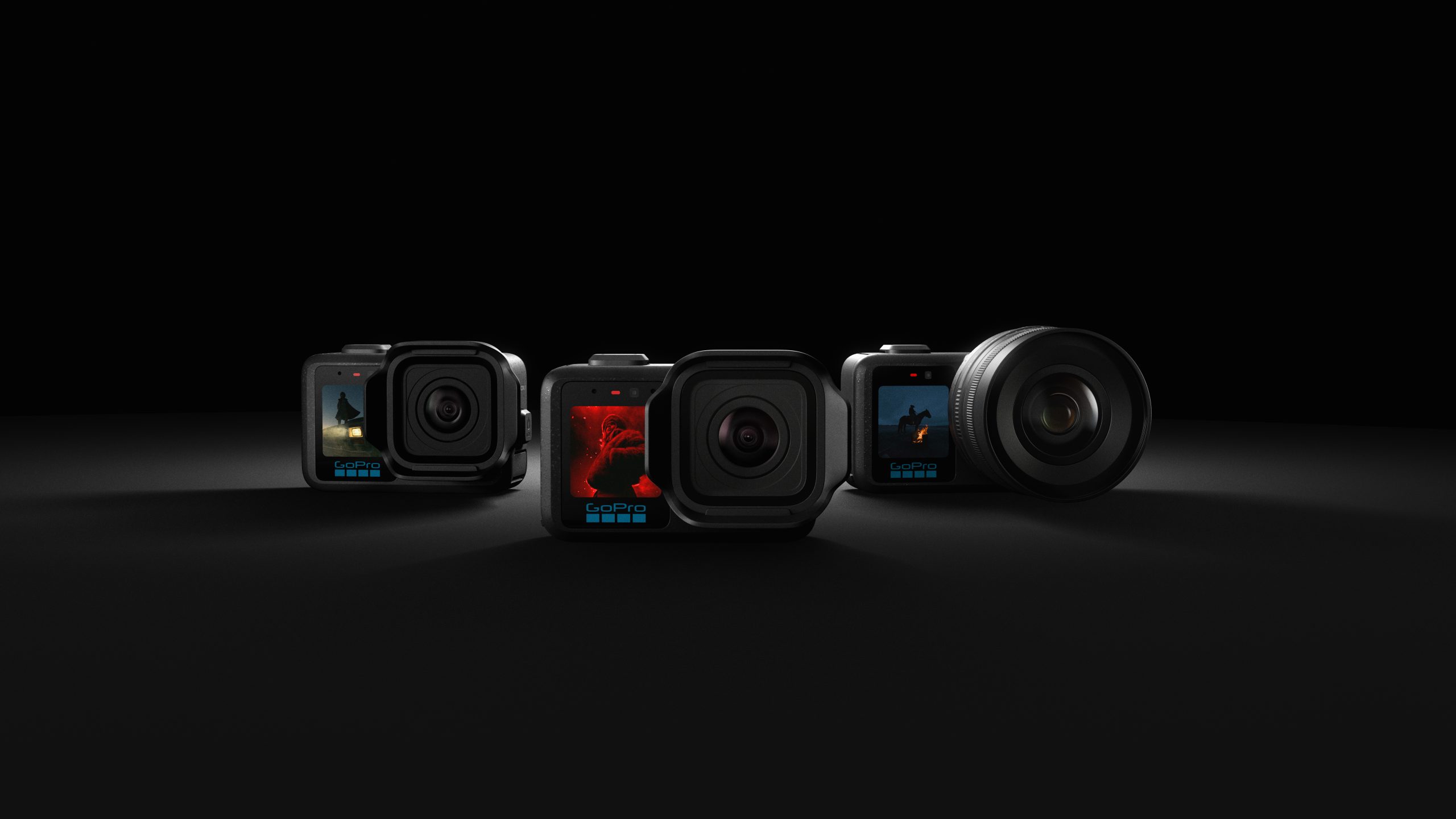
Strip away the branding and a clear buyer emerges. Specifically, the Mission 1 Pro ILS suits a filmmaker who wants a tiny, rugged camera for spots a full-size cinema body never fits. Think crash cams, car mounts, gimbal work, tight interiors, and second angles on a set. In each case, matching the main camera’s look matters more than convenience.
GoPro leans into this with HyperSmooth stabilization, which works with rectilinear prime lenses. Add the 1-inch sensor, 10-bit GP-Log capture, and 240Mbps bitrates. As a result, you get footage you grade alongside larger cameras. On the fixed-lens Mission 1 Pro, the sensor pulled cleaner low-light frames and richer color than any GoPro I have shot. The ILS carries the same imaging core. Because the body stays small and weather-sealed, you place it in spots a Sony or Panasonic rig cannot reach.
The Micro Four Thirds mount opens a deep, mature lens catalog. Many filmmakers already own MFT glass. In addition, adapters extend the options further into telephoto, macro, and vintage territory. For a director building a kit around one look, the flexibility beats a fixed ultra-wide every time.
GoPro Mission 1 Pro ILS vs. Mission 1 Pro: Which Should You Pick?
Both cameras share the same sensor, the same GP3 processor, and the same headline video modes. Similarly, they share a price. Therefore, the decision comes down to the front of the camera and the conditions you shoot in.
The fixed-lens Mission 1 Pro keeps the integrated wide-angle lens and waterproofing to 66 feet without a housing. Therefore, choose it for underwater work, for true action use, and for shoots where speed beats lens choice. The ILS trades the deep sealing for the open mount and weatherproof, not waterproof, protection. Instead, choose it when lens selection and a cinematic look drive the project.
For most action shooters and travelers, the fixed-lens Pro remains the smarter buy, and after a month with it I reach for it without hesitation. For working filmmakers who want a placeable cinema cam with creative control over focal length, the ILS earns its spot. My full GoPro Mission 1 Pro review breaks down the shared core in detail. Despite the common foundation, the two cameras serve different jobs.
The Questions GoPro Left Open
A new mount lives or dies on real-world handling, and several answers stay incomplete until reviewers run the camera hard. The first concern is heat. Packing a 1-inch sensor and 8K capture into a tiny shell invites the thermal limits every compact cinema camera fights. GoPro promises category-leading thermal performance from the GP3 chip, so test footage will settle the claim.
The second concern is workflow. Specifically, manual focus with no lens data means no in-camera focus aids tied to the glass, no electronic aperture control, and added rigging for serious use. Therefore, budget for a monitor and mounting gear, because the body alone leaves you squinting at a small display.
The third concern is the weather sealing gap. The ILS is weatherproof, while the fixed-lens models survive 66 feet underwater. Open mounts and water rarely mix, so protect the camera accordingly. None of these points sink the camera, but each one shapes whether it fits your shoot.
Pros
- Micro Four Thirds mount opens a huge lens catalog
- 50MP 1-inch sensor with up to 14 stops of dynamic range
- 8K60 and 8K30 open gate from a tiny body
- 10-bit GP-Log and 240Mbps bitrate for grading
- HyperSmooth stabilization with rectilinear primes
- No price premium over the fixed-lens Pro at $699.99
- 4-mic array with 32-bit float audio
Cons
- Manual focus only, no electronic lens communication
- Serious use demands an external monitor and rigging
- Weatherproof, not waterproof like the fixed-lens models
- Thermal limits unproven under sustained 8K capture
- Narrow audience compared to a traditional GoPro
- Ships in Q3 2026, later than the rest of the lineup
Final Verdict
The GoPro Mission 1 Pro ILS is the boldest swing the company has taken in years. Specifically, it hands working filmmakers a tiny, rugged, weather-sealed cinema body with an open lens mount, a strong sensor, and grading-friendly capture, all for the same $699.99 as the fixed-lens model. As a result, for second angles, crash cams, gimbal work, and tight placements, it solves problems a full-size rig cannot.
The manual-focus design draws the line clearly. Anyone hoping for a pocketable interchangeable lens camera with autofocus should look elsewhere, because this body wants a monitor, a follow-focus, and an operator who pulls focus by hand. The weather sealing gap and unproven thermals add caution for run-and-gun and underwater use.
On value, the math favors the working pro. Specifically, a placeable cinema cam at this price, with this sensor and lens flexibility, has no direct rival at the same size. As a result, filmmakers already invested in Micro Four Thirds glass gain the most.
If you shoot action, travel light, or need waterproofing, the fixed-lens GoPro Mission 1 Pro fits better, and my full review breaks down the fixed-lens model in detail. If you build rigs and chase a cinematic look from impossible angles, the ILS deserves a long look once review units arrive in Q3 2026. After two decades of GoPros, I have learned to wait for hands-on time before I trust a spec sheet, so I will report back on focus feel, lens behavior, and heat once I shoot the ILS myself.
Frequently Asked Questions
Does the GoPro Mission 1 Pro ILS have autofocus?
No. The GoPro Mission 1 Pro ILS is manual focus only. The Micro Four Thirds mount carries no electronic contact pins, so the camera passes no focus or aperture data to the lens. You set focus and aperture by hand.
How much does the GoPro Mission 1 Pro ILS cost?
The camera carries a $699.99 MSRP, with a $599.99 price for existing GoPro subscribers. The interchangeable lens model costs the same as the fixed-lens Mission 1 Pro, with no premium for the swappable mount.
What lenses fit the Mission 1 Pro ILS?
The body uses a Micro Four Thirds mount, so it accepts the wide Micro Four Thirds lens catalog directly. Adapters extend compatibility to other lens systems, opening telephoto, macro, zoom, and vintage glass options.
When does the GoPro Mission 1 Pro ILS release?
GoPro lists availability in Q3 2026, later than the fixed-lens Mission 1 and Mission 1 Pro, which shipped on May 28, 2026. Retailers estimate shipping around October 2026.
Is the Mission 1 Pro ILS waterproof?
The ILS is weatherproof, not waterproof. The fixed-lens Mission 1 and Mission 1 Pro survive 66 feet (20m) underwater without a housing, but the open lens mount on the ILS changes the sealing, so keep it out of deep water.
Tags: GoPro Mission 1 Pro ILS, GoPro, interchangeable lens camera, Micro Four Thirds, cinema camera, action camera, video cameras

